Oppositeleaf spotflower

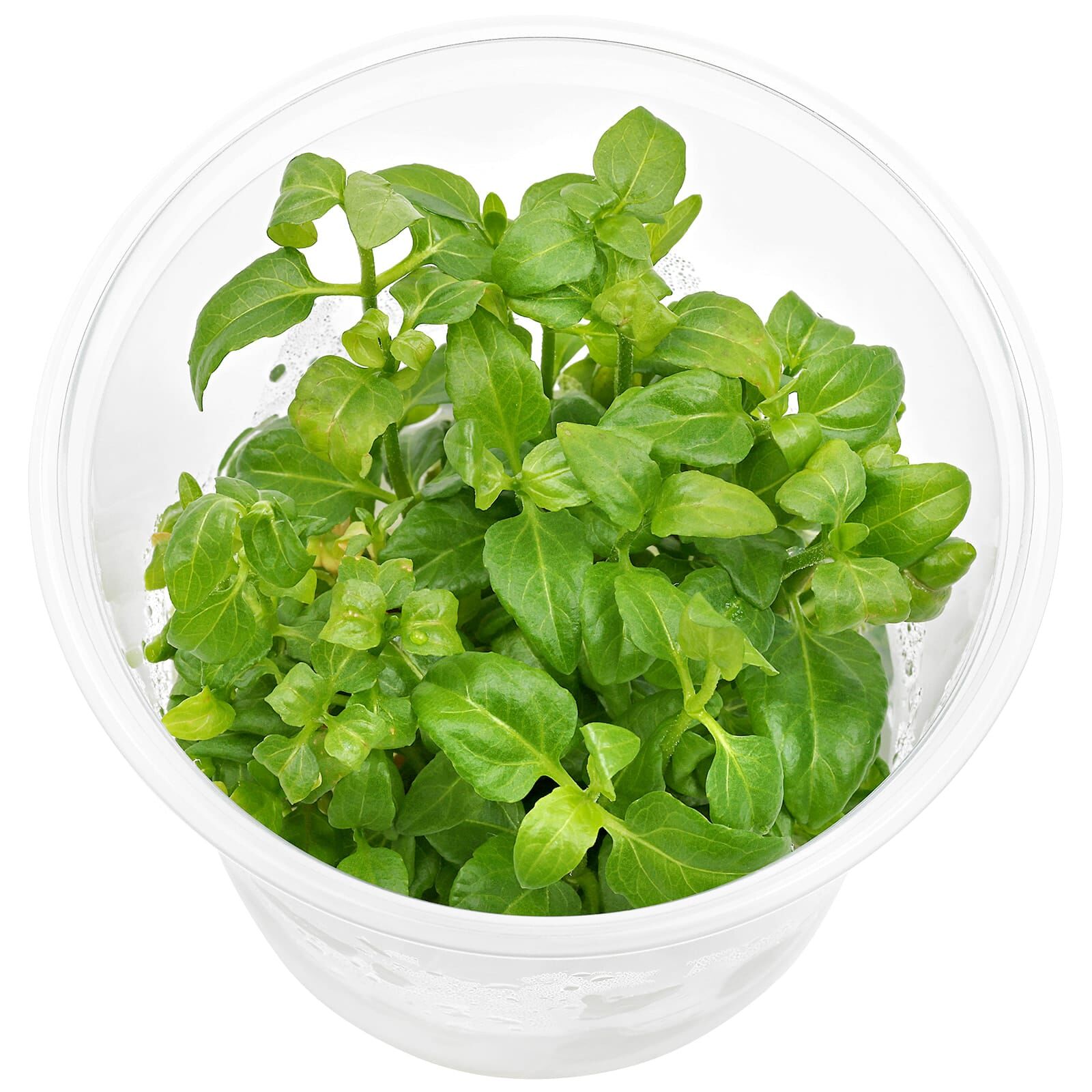
Acmella repens
Oppositeleaf spotflower
- Little known rarity
- Medium green with red-brown tones
- Moderate growth rate
- Also interesting for paludariums and wabi-kusa
Curbside delivery: This item ships by freight carrier and is delivered to the curb only, not to your door or into your home. The carrier will call you in advance to schedule a delivery date. Learn more about freight delivery
Customers also bought
Item question
We’re here for you!
Please enter your question and e-mail and we’ll contact you as soon as possible. It usually takes us up to 24 hours during business days to respond.
Thank you for your question!
Thank you, we’ll get in touch!
Close window
You already sent us a question.
Please wait a few minutes
Description
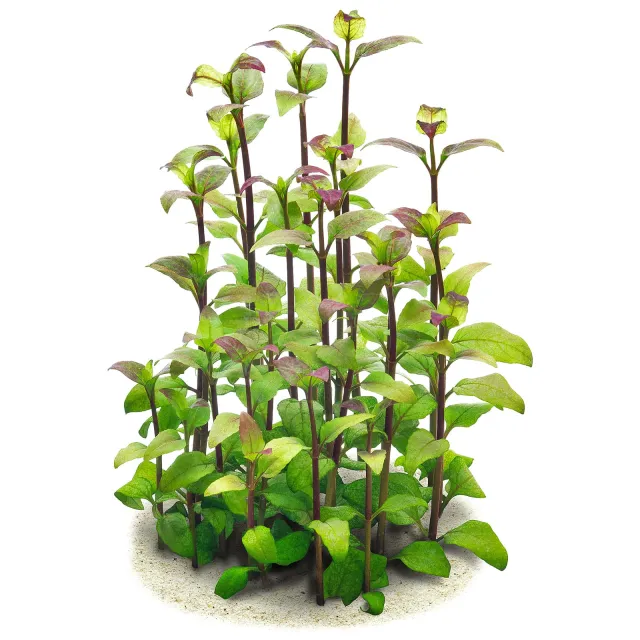
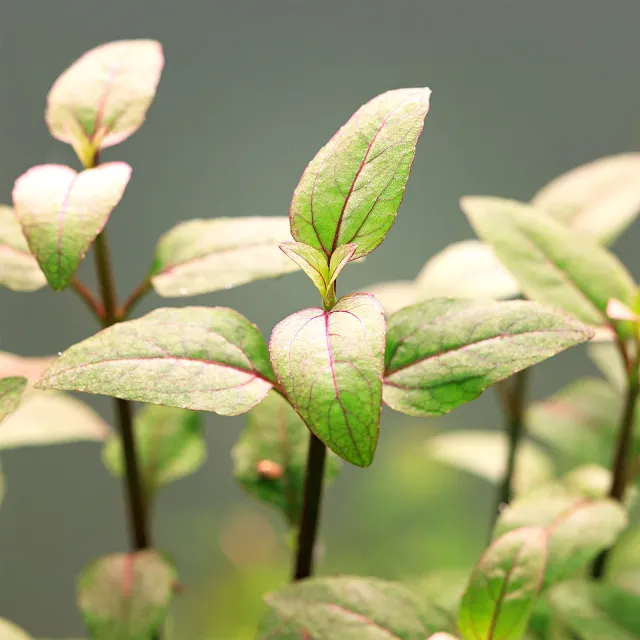
Acmella repens, the Oppositeleaf spotflower, is a little known, rare stem plant. It occurs as a swamp plant in the warmer parts of the Americas from the southern USA to Paraguay in several wet places and is able to grow submerged. Aquarists collected it in Texas years ago and discovered its suitability as aquarium plant. Since around 2012 it is also known in Europe. Acmella repens belongs to the sunflower family (Asteraceae) and is closely related with the Pará cress or Jambú (Acmella oleracea). It resembles Gymnocoronis spilanthoides except that it is considerably smaller. In its suberged form it grows strictly upright with quite long internodes and opposite, egg-shaped, medium green leaves. Strong lighting causes red-brown coloration of the stems, petioles and leaf midribs. When it is allowed to grow out of the water, one may expect its nice little yellow inflorescences that resemble tiny sunflowers.

This plant is not very demanding but benefits much from a good micro- and macronutrient and CO2 supply. Moderate lighting is sufficient while strong lighting enhances the red-brown tones of the otherwise green plant. Temperatures between about 16 and 29 °C are favourable. Acmella repens is best planted in a group of stems with a bit of space to each other. It is propagated by cuttings as well as other stem plants. Once it happened for us that its leaves were eaten by Amano shrimps (Caridina multidentata), so care must be taken when it is planted in an aquarium with many Amano shrimps.
With its upright, symmetrical habit, the Oppositeleaf Spotflower is well suited for "plant streets" in Dutch style aquariums. It looks like a miniature version of Gymnocoronis spilanthoides and is easier to handle than this huge stem plant. In its emersed form, this plant from the subtropical to tropical America also appears interesting for paludariums and Wabi-Kusa.
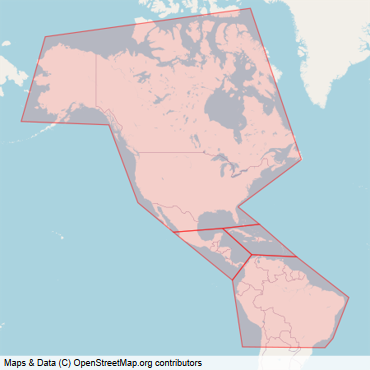
Acmella repens is a plant from the Asteraceae family growing in the southeast of the USA, from Texas to North Carolina, as well as in Central and South America, from Mexico to Paraguay1. This relatively small plant with its yellow flowers occurs in disturbed, wet or drying-out locations2. It belongs to the same genus as the medical/spice plant paracress or jambú (Acmella oleracea).
Only a short time ago, aquaristis from the USA have discovered that Acmella repens, which they collected in Texas, can be cultivated submersed. Outside the USA it is hardly known as aquarium plant yet.
- To be continued -
| Common names | Oppositeleaf spotflower |
| Synonyms | Anthemis repens Walter, Acmella oppositifolia var. repens (Walter) R. K. Jansen, Spilanthes americana var. repens (Walter) A. H. Moore |
| Complete botanical name | Acmélla répens (Walter) Rich. ex Pers. |
| Family | Asteraceae |
| Genus | Acmella |
| Difficulty | medium |
| Usage | Background, Midground |
| Width | 4 - 5cm |
| Growth | medium |
| Temperature tolerance | 18 - 30°C |
| General hardness | 0 - 30°dGH |
| Propagation | Cuttings |
| Can grow emersed? | yes |
| Source | Flowgrow |
| Common names |
| Oppositeleaf spotflower |
| Synonyms |
| Anthemis repens Walter, Acmella oppositifolia var. repens (Walter) R. K. Jansen, Spilanthes americana var. repens (Walter) A. H. Moore |
| Complete botanical name |
| Acmélla répens (Walter) Rich. ex Pers. |
| Family |
| Asteraceae |
| Genus |
| Acmella |
| Difficulty |
| medium |
| Usage |
| Background, Midground |
| Width |
| 4 - 5cm |
| Growth |
| medium |
| Temperature tolerance |
| 18 - 30°C |
| General hardness |
| 0 - 30°dGH |
| Propagation |
| Cuttings |
| Can grow emersed? |
| yes |
| Source |
| Flowgrow |
How many plants do I need?
General information
| Item no. |
|
| EAN | 4250585207103 |
| Weight | 0,05 kg |
| Shipping weight | 0,10 kg |
Questions and answers about Acmella repens
You have questions about this product? Ask other customer or our support team about this product!
Customer reviews
3 Reviews
| 5 Stars(1) |
|
| 4 Stars(1) |
|
| 3 Stars(1) |
|
| 2 Stars(0) |
|
| 1 Star(0) |
|

It has reddish tips and a fine pattern. The color gradient to green further down is very pretty.
Show original
Schönste Pflanze im Aquarium
Sie hat rötliche Spitzen und eine feines Muster. Der Farbverlauf zu grün weiter unten ist sehr hübsch.
Unfortunately the in-vitro portion wasn't that great. It was several little pieces of plant that were lying more or less horizontally and had rooted, with few leaves, and... (read more)
Show original
Bin besseres von Aquasabi gewohnt.
Die Invitro Portion war leider nicht so toll. Es waren mehrere Pflanzenstückchen die quasi Horizontal lagen und gewurzelt haben, mit wenig Blättern, und manchmal mal ein kleiner Trieb der darauf in die höhe Wuchs. Das ganze was so leider nicht gut zum einpflanzen da hier entweder das Stück komplett im Substrat verschwand, oder es war so Knorrig gewachsen das man es einfach nicht gut ins Substrat bekommen konnte. Insgesamt konnte ich leider fast 60% des Topfes entsorgen, da man damit nichts tun konnte. Ich hoffe der Rest wächst sich jetzt gut fest, und dann mache ich mir daraus eigene Stecklinge. Schade.
I first had Acmella repens as a background plant in a 60 l cube, and there it was only of limited use to me, mainly because it doesn't branch even when trimmed! (read more)
Show original
Emers Toll, Submers bei mir nur bedingt als Aquarienpflanze geignet
Hatte Acmella repens erst als Hintergrund Pflanze in inem 60L Cube und dort war sie für mich nur bedingt zu gebrauchen, hauptsächlich dadurch das sie sich auch bei Rückschnitt nicht verzweigt! Und die Pflanze dadurch sehr lose wächst bzw es schwierig ist dichte Bestände zu erzeugen. Die Musterung die erst bei viel Licht auftritt ist in der tat sehr hübsch. Ich habe sie jetzt an gleicher Stelle Emers aus dem Becken wachsen lassen und da macht sie sich sehr gut, sie verliert zwar die unterwasser Blattzeichnung dafür steht sie dank des festen Stängels sehr stabiel und ist bei mir schon gute 30cm über dem Wasser Seitentriebe sind auch sofort entstanden. Das drum rum aus Lieferung war wie bei Aquasabi üblich immer perfekt.
Similar products