


Technic







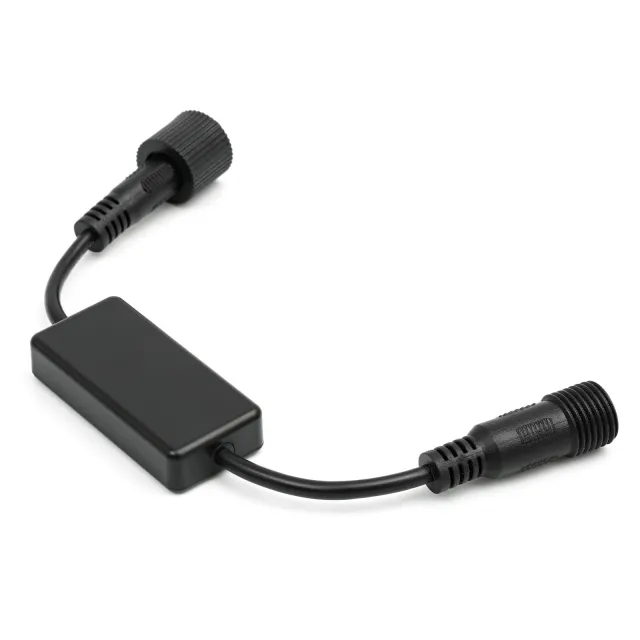
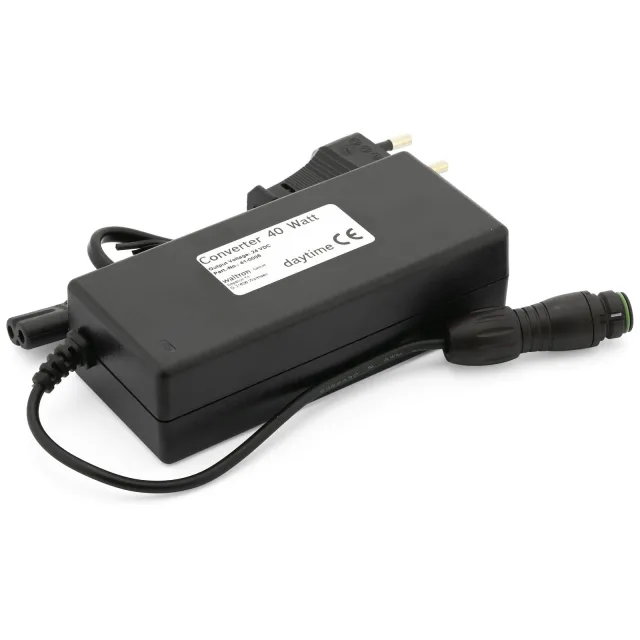
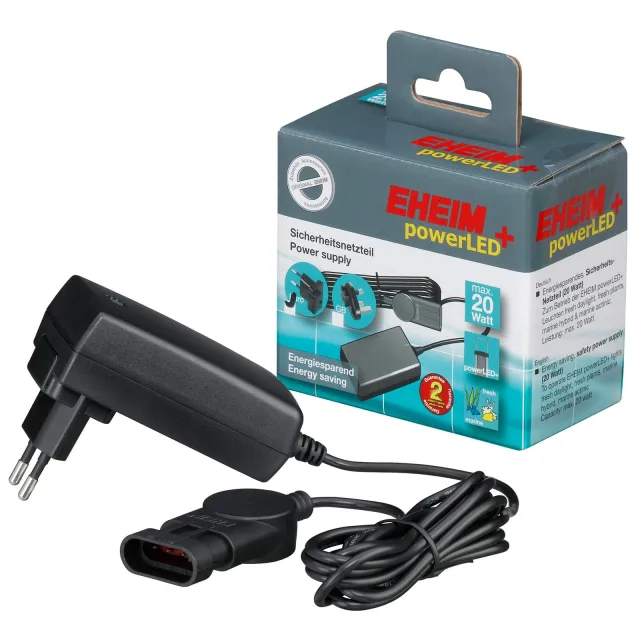

Technology - For terrascaping
Technology in the terrarium: a key element for a thriving ecosystem. A closed ecosystem like a terrarium depends largely on the right technology to meet the needs of the plants growing in it. The type of layout also plays an important role, since plants, animals and microorganisms live most healthily in an individually tuned balance. This text focuses on the essential technical components for plant-only terrariums.
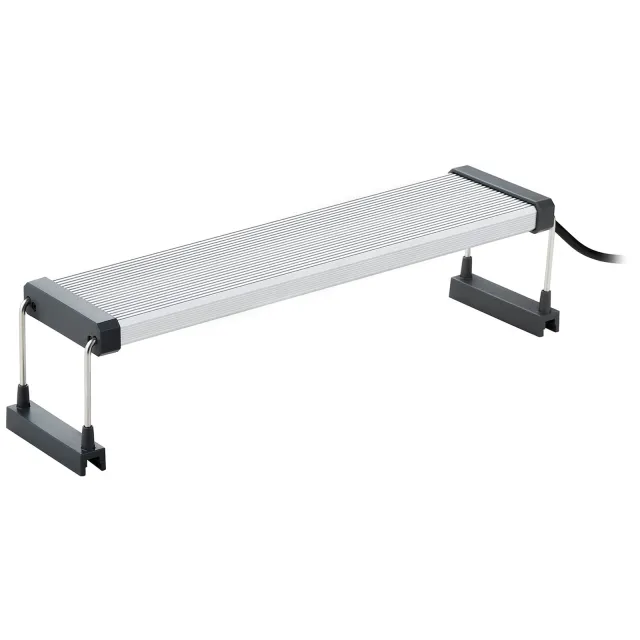
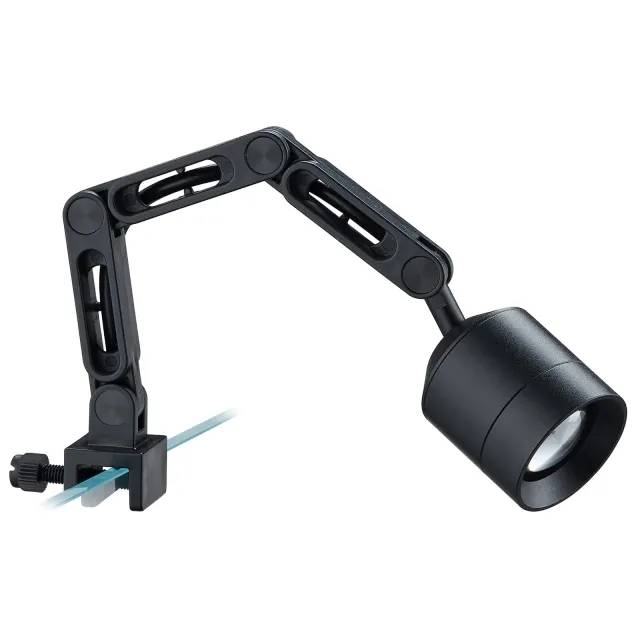
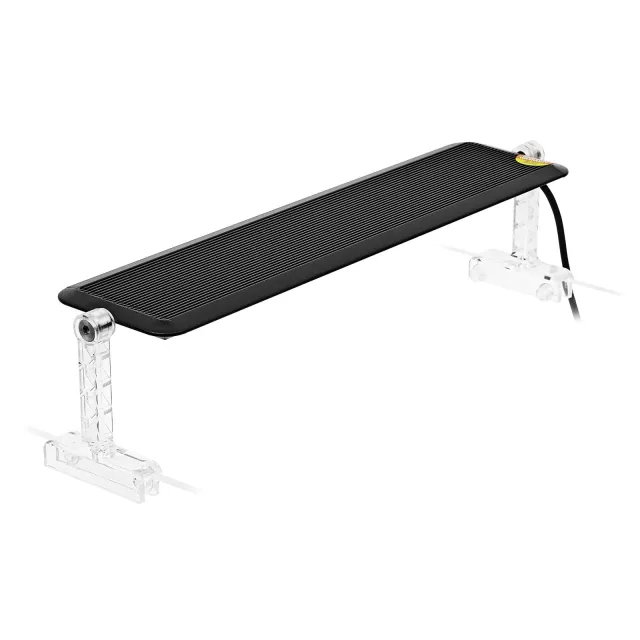
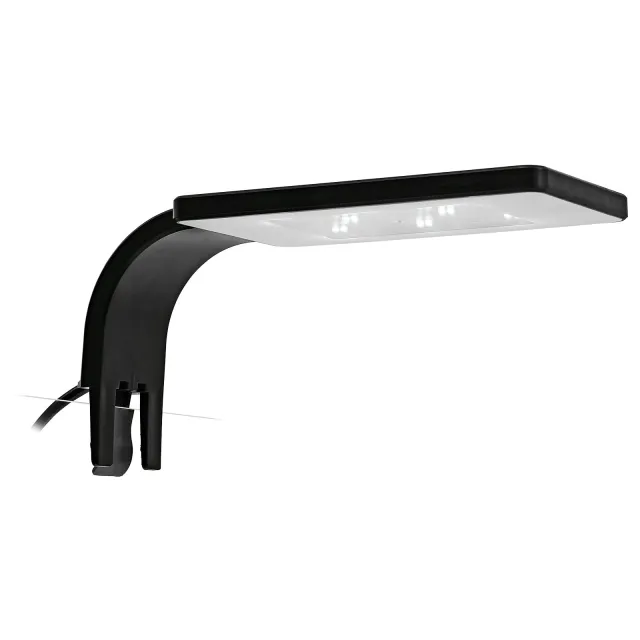
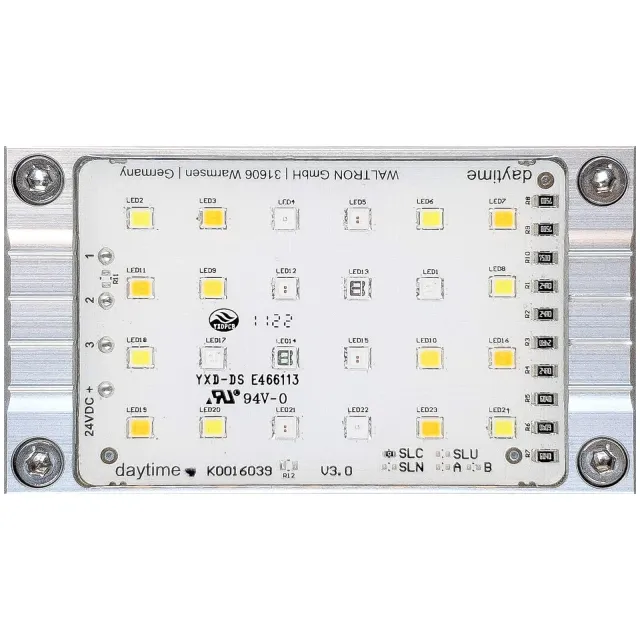
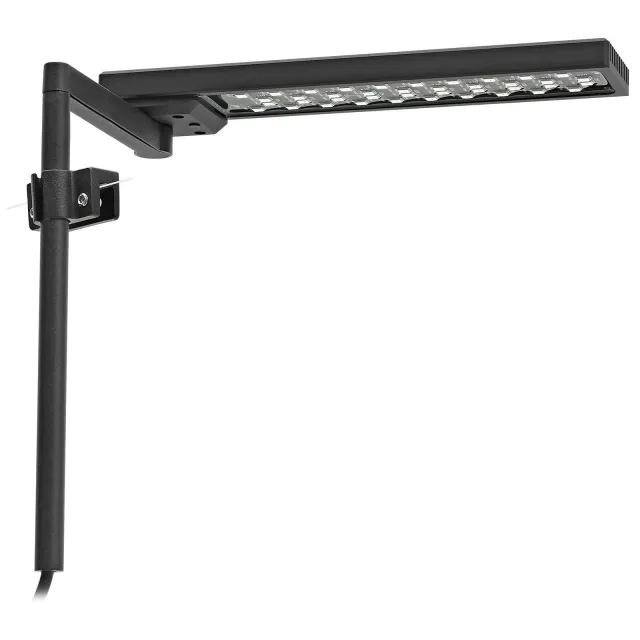
High-quality lighting is crucial for the growth and development of plants in the terrarium. The light intensity should be matched to the needs and number of terrarium plants, and a little more output than the minimum is advisable to cover future needs as well. Different types of LED lights are used depending on requirements. LEDs are particularly efficient and can be precisely tailored to the needs of the plants, with tropical plants requiring specific light spectra and sometimes high PAR values.
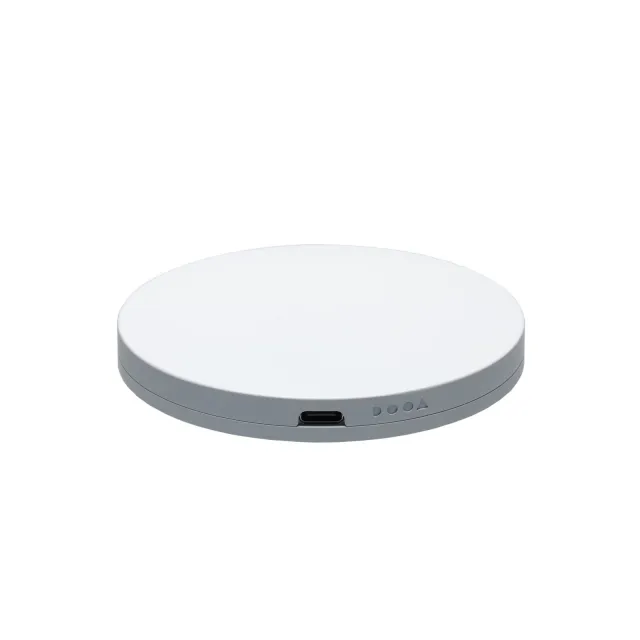
Adequate ventilation is also a critical component in the terrarium. Fresh air and gentle air circulation are beneficial for many plants, especially tropical species. Devices such as the DOOA Mist Flow can be used to increase humidity by generating fine water mist using ultrasound.
The right temperature is beneficial for the well-being and development of the plants in the terrarium. A heating system ensures that the terrarium reaches the optimal temperature for tropical plants of between 22 and 30 °C.
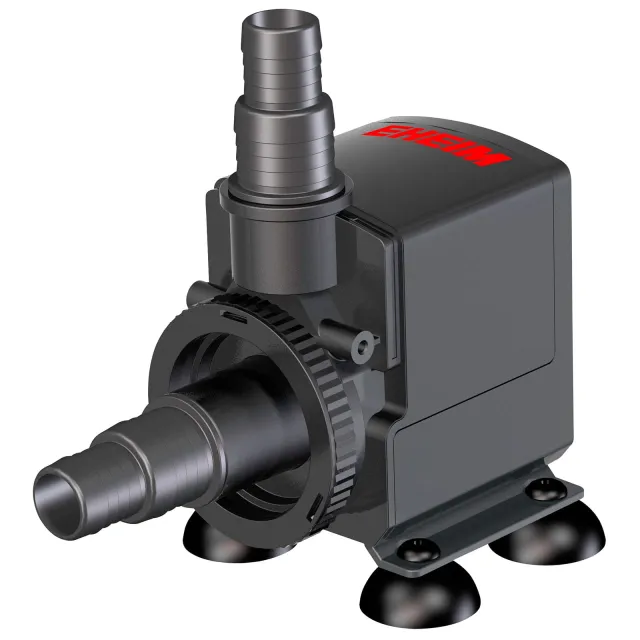
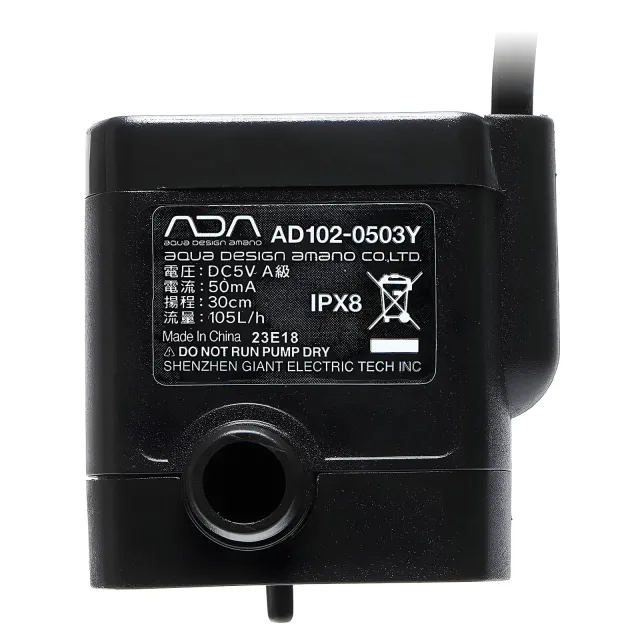
In an aquaterrarium or paludarium, an efficient filter system can be very helpful in providing optimal water quality for the inhabitants of the water section. The size of the filter should be matched to the water volume of the terrarium.
To monitor and regulate humidity and temperature in the terrarium, you need a hygrometer, a thermometer and a thermostat. Some plants require specific humidity levels, and a thermostat helps you set the terrarium accordingly.
In summary, technology is an important building block for creating an ideal environment for terrascaping. Lighting, ventilation, heating, filtration and temperature and humidity control systems are of central importance. It helps to consider the specific requirements of the plants and adapt the technology accordingly to ensure a healthy, thriving ecosystem.
Bestsellers in this category