




What should you consider when choosing the substrate for your aquarium?
Corydoras rummaging through fine sand. Busy shrimp turning over every single grain of substrate, eagerly inspecting it and grazing on it for food. Rainbow shiners in vivid colors spawning over patches of coarser gravel. Lush, red bushes of stem plants firmly rooted in soil.
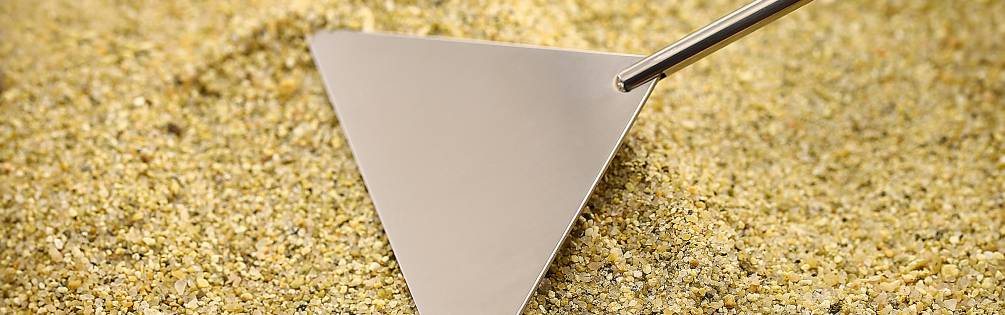
Every type of aquarium needs its own substrate. That is why the aquarium trade offers a wide range of substrates. Sand and gravel in various grain sizes are the classic choices. They come in different colors and versions and are usually completely inert. This means they have no effect on water hardness or pH, but of course they also contain no nutrients for your aquarium plants. A few sands and gravels from natural sources can contain a little lime and therefore harden the water.
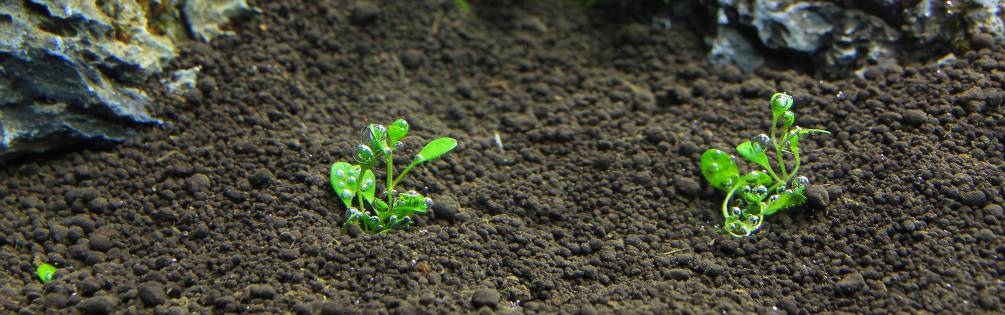
For aquariums with aquatic plants and for aquascapes in particular, nutrient-rich substrates, the so-called active soils, are the recommended choice. Especially in aquascaping and in breeding invertebrates that love soft water (bee shrimp, for example), these soils have become the standard. Active soils are substrates that actively influence the water parameters. They lower the pH, the general hardness and the carbonate hardness. This makes the water in the aquarium softer and more acidic and brings it closer to the conditions that many tropical ornamental fish, shrimp and aquatic plants need. Soils can also release and store certain nutrients, providing your aquarium plants with an optimal nutrient supply.
In this section of our Aquascaping Wiki, we therefore introduce interesting substrates for planted aquariums, such as Aqua Soil Amazonia. Some manufacturers, such as ADA, JBL or Cal Aqua Labs, even offer complete substrate systems in which the substrate is built up from different layers and additives. These systems are described in more detail in the corresponding articles. In the Aquascaping Wiki, we also explain how to use decorative substrates such as sand and gravel and how to cleanly separate these areas from nutrient-rich substrate zones. We also take a closer look at the topic of substrate fertilization.