




Pests in the aquarium - what do you need to consider?
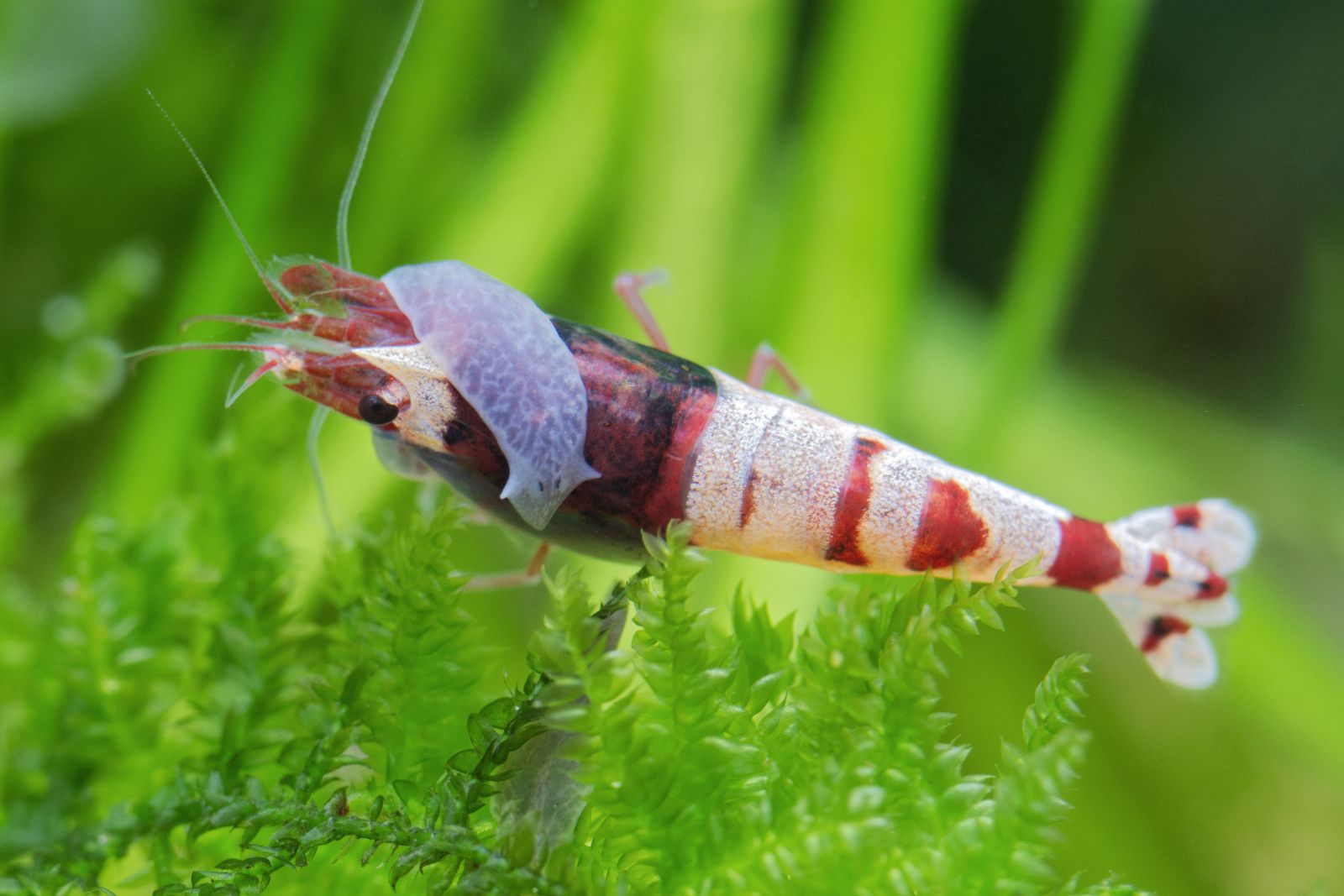
"Oh my God, something's crawling in there!", "Help, there's a worm on the glass!" or "Eww, there are tiny critters on the aquatic plants!" are typical exclamations you hear when inexperienced aquarists in particular first encounter unknown creatures in their aquarium. Many get a fright at such a sight and panic that their beloved fish or shrimp are now in danger. In the aquarium hobby, all these little critters - insects, worms, snails, crustaceans, mites and spiders - are grouped together under the term "hitchhikers". However, not all of them pose a threat to the inhabitants and aquatic plants in an aquarium. So first of all, stay calm and identify the unknown creatures more closely.
This is where the Aquascaping Wiki comes in: the guides in this category first of all give you the opportunity to identify these animals more precisely. The articles include suitable pictures and descriptions of these creatures. Naturally, this also includes real pests such as planarians, leeches, freshwater hydra and the like. These can certainly harm the livestock in an aquarium. Small aquarium inhabitants and the tiny offspring of fish and shrimp are particularly at risk.
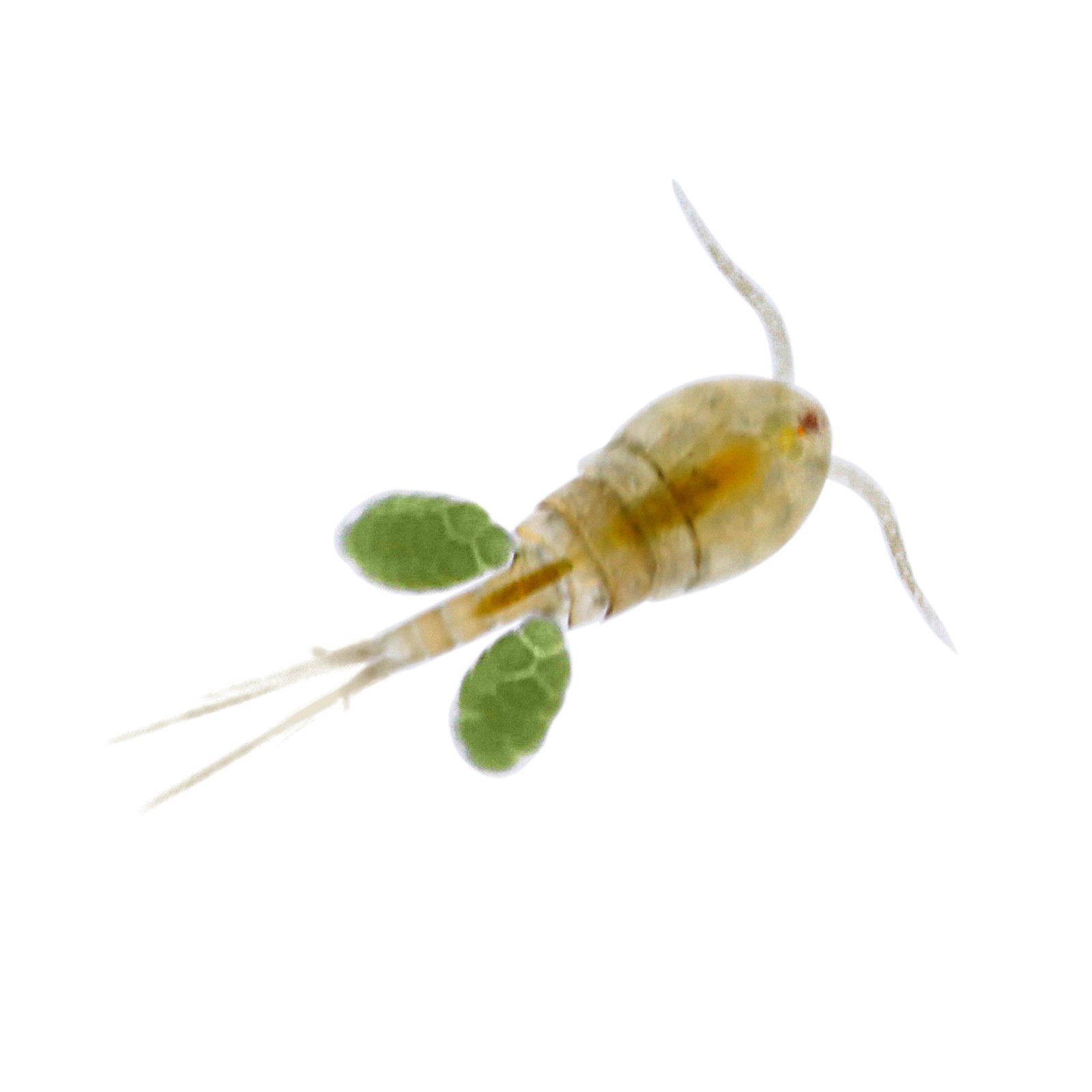
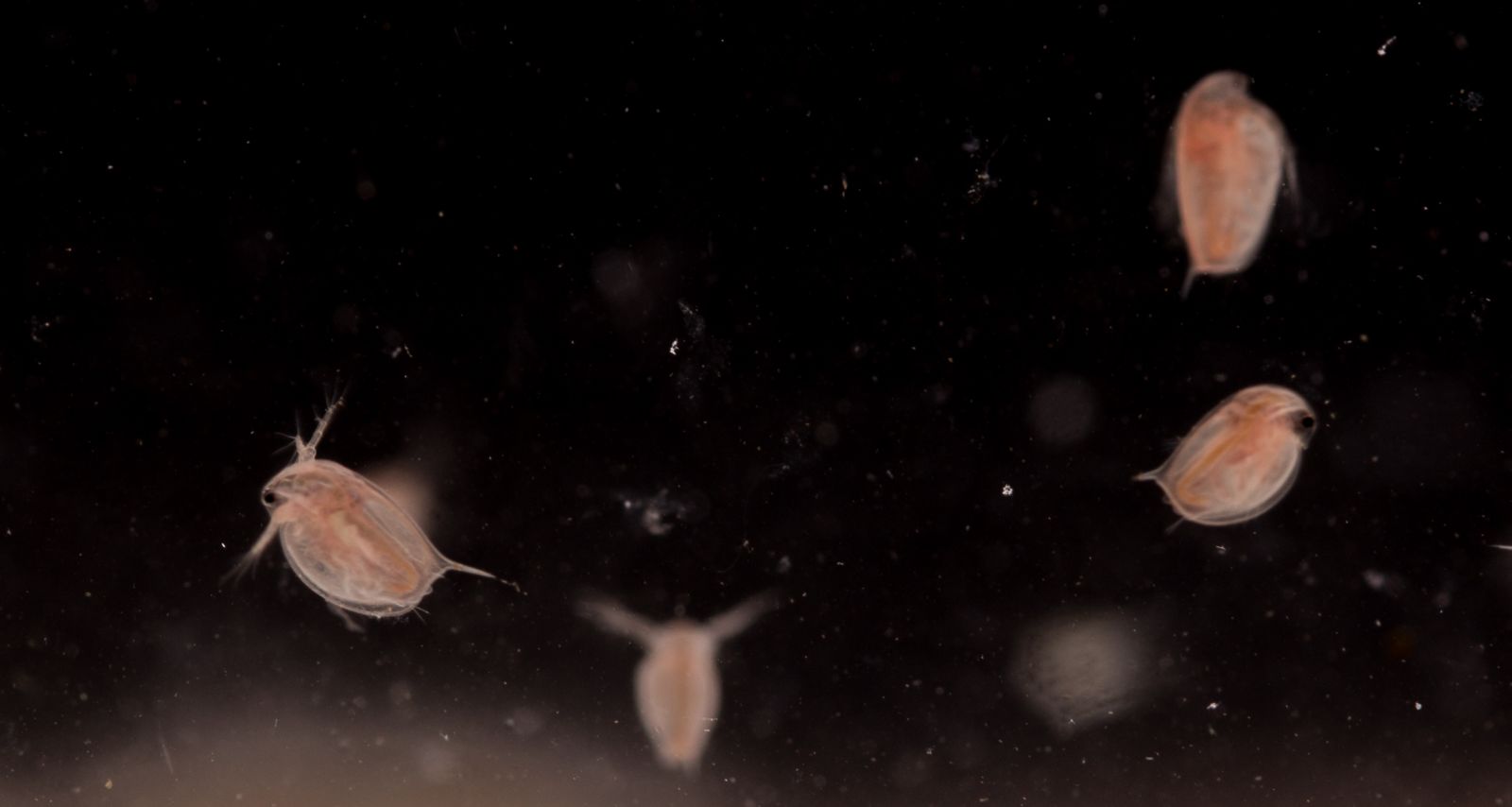
Purchased aquatic plants can sometimes carry various small critters that originally come from the nursery where the aquarium plants were grown. However, many of these land-dwelling pests cannot survive underwater and therefore no longer pose a danger to the plants once they are in an aquarium. On the contrary, the fish are delighted with this small live food bonus. There are also many other animals and insects that can live in the aquarium but are completely harmless. These include, for example, harmless worms, water fleas, copepods and seed shrimp, to name just a few.
In the articles in this category of our Aquascaping Wiki, we first help you to identify the tiny critters more precisely. We present real pests, harmless creatures and hitchhikers that cannot survive underwater in detail. If real pests that can survive in the aquarium are identified, the aquarium owner should prevent them from spreading. We give you numerous tips on controlling and containing these nuisances and explain protective measures that minimize the likelihood of bringing pests into your tank in the first place.