










Nutrients for your aquarium - what do you need to consider?
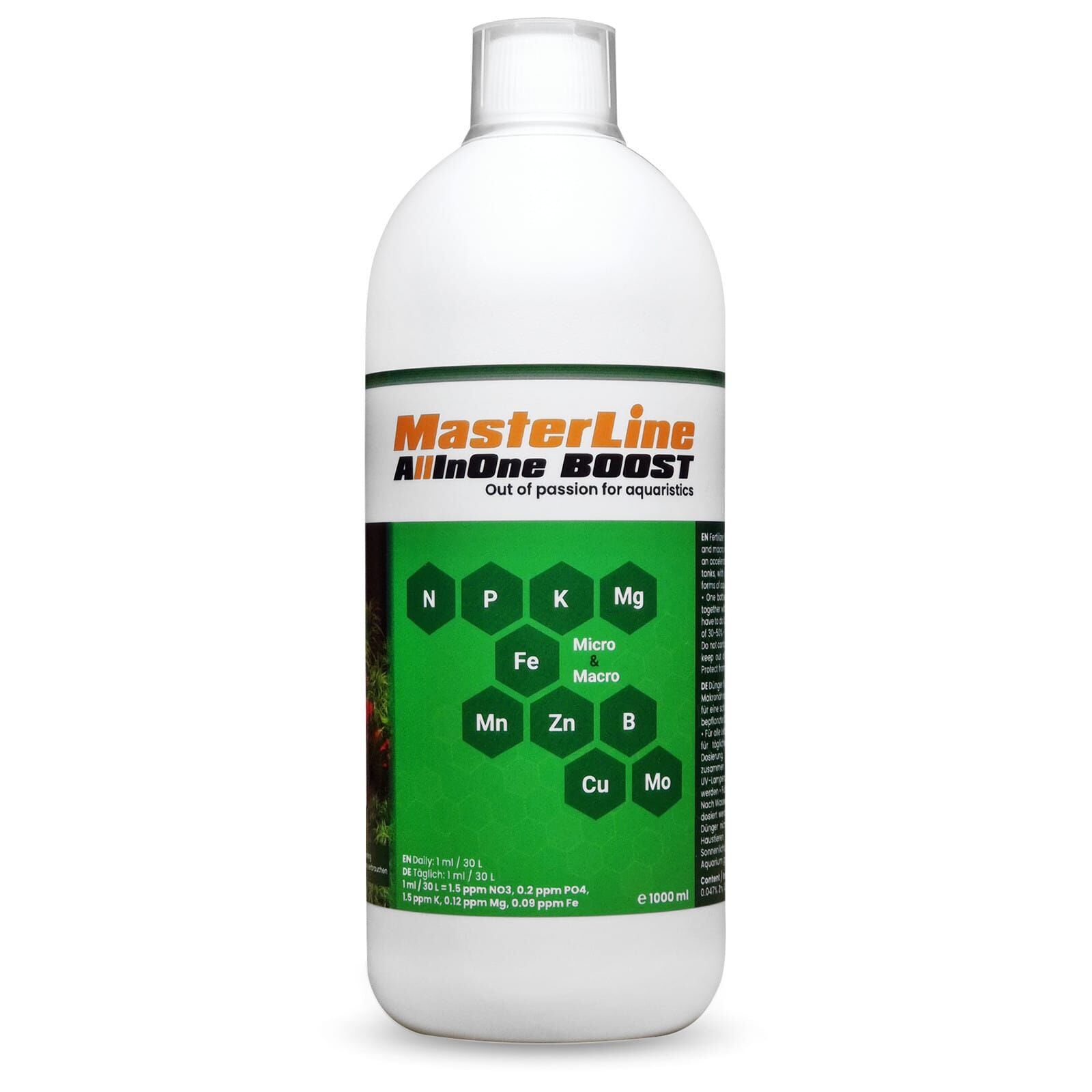
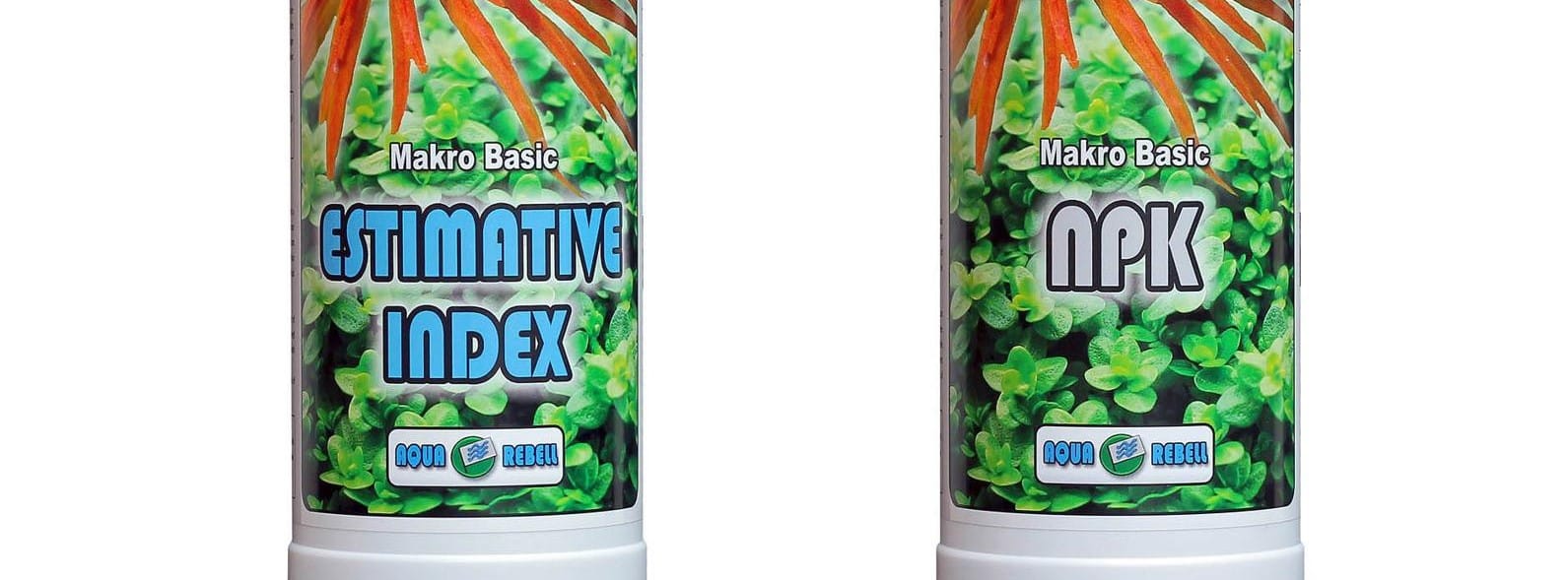
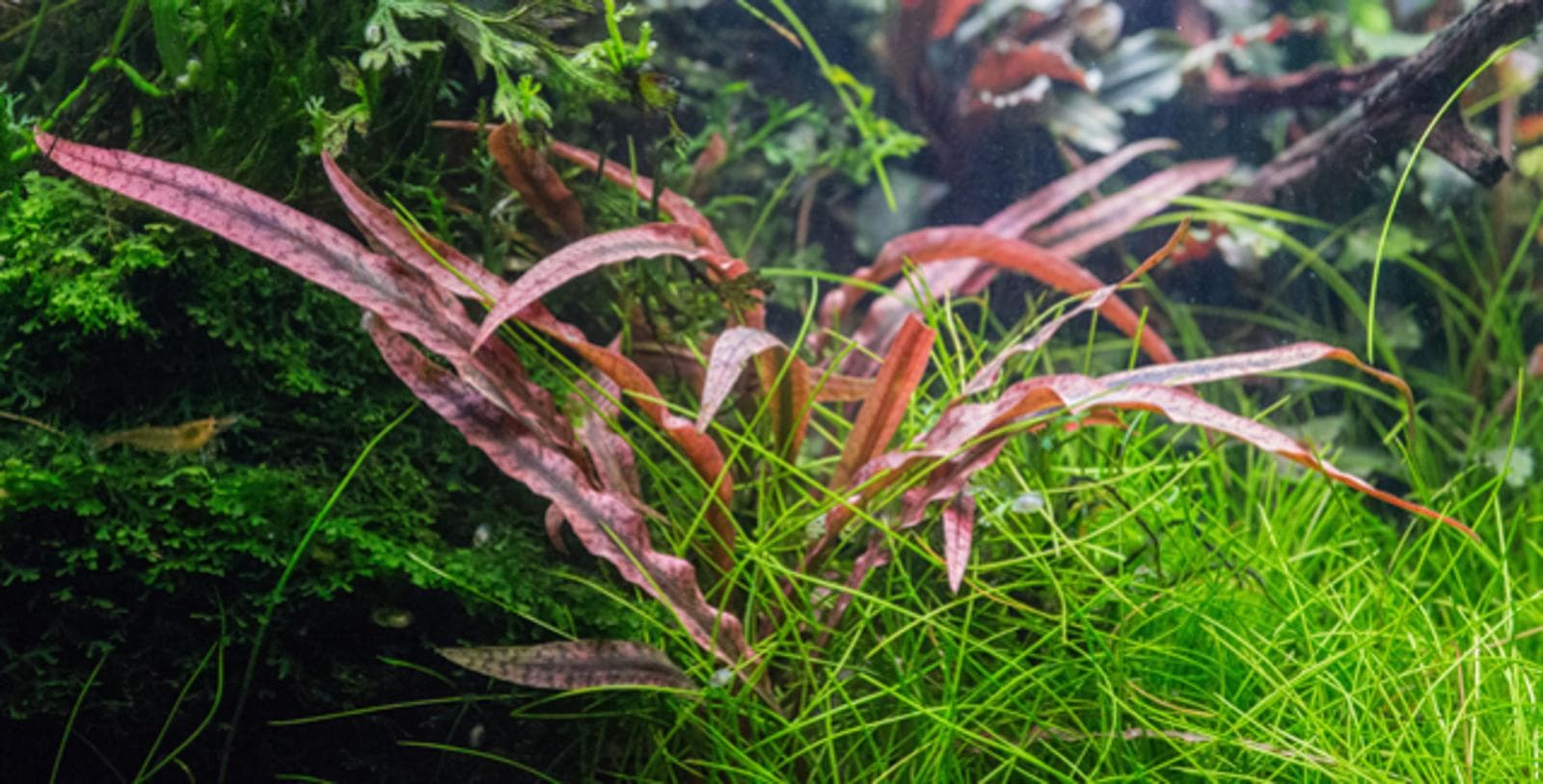
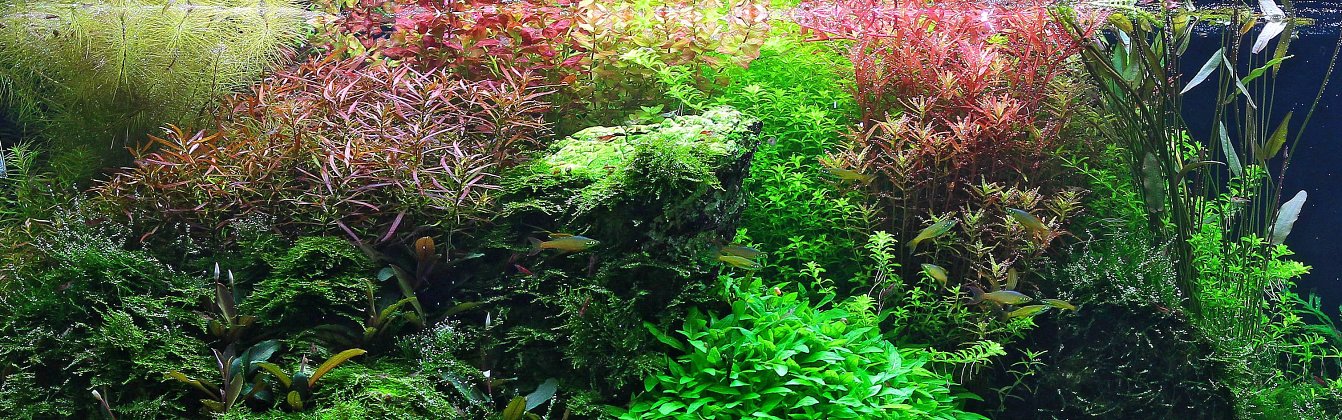
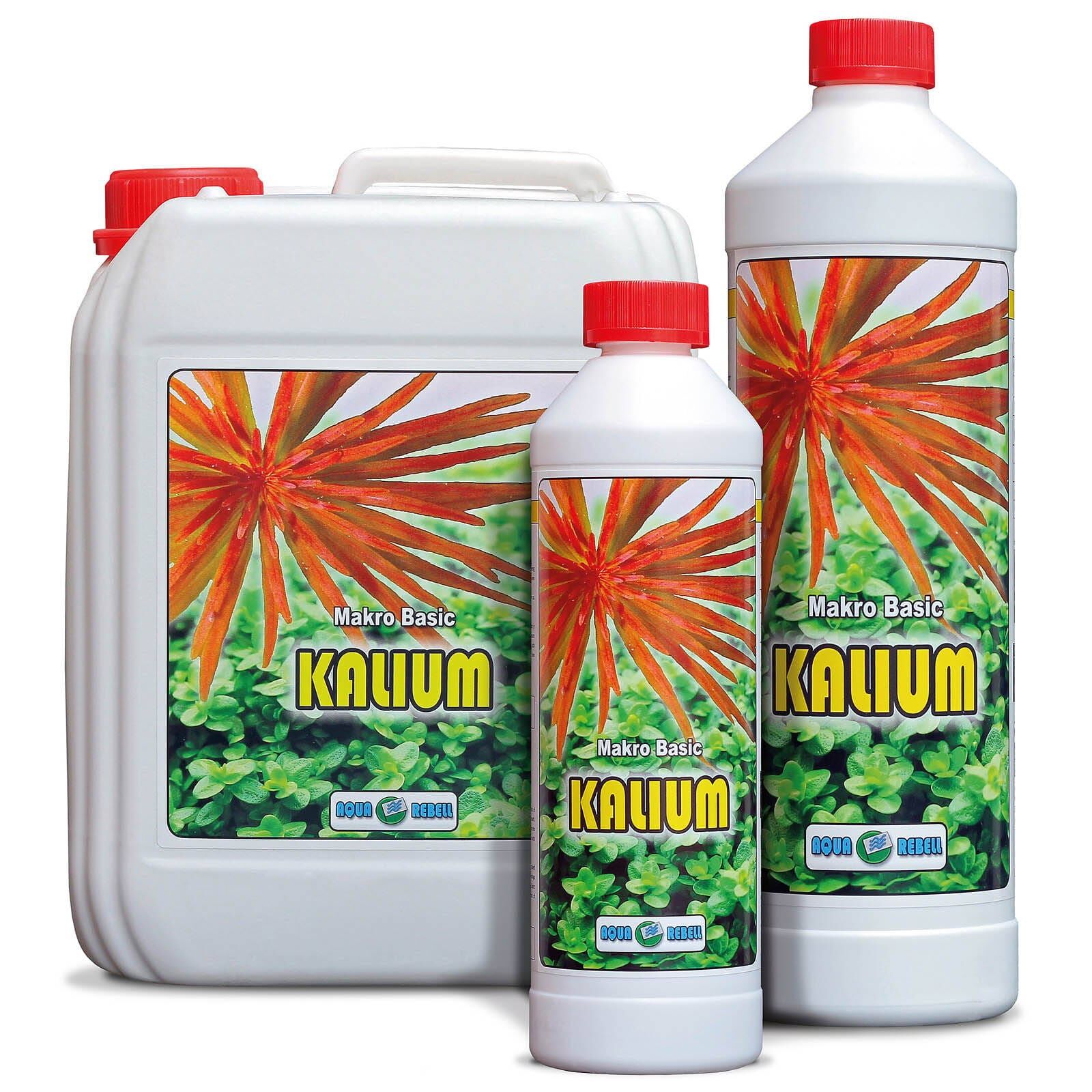
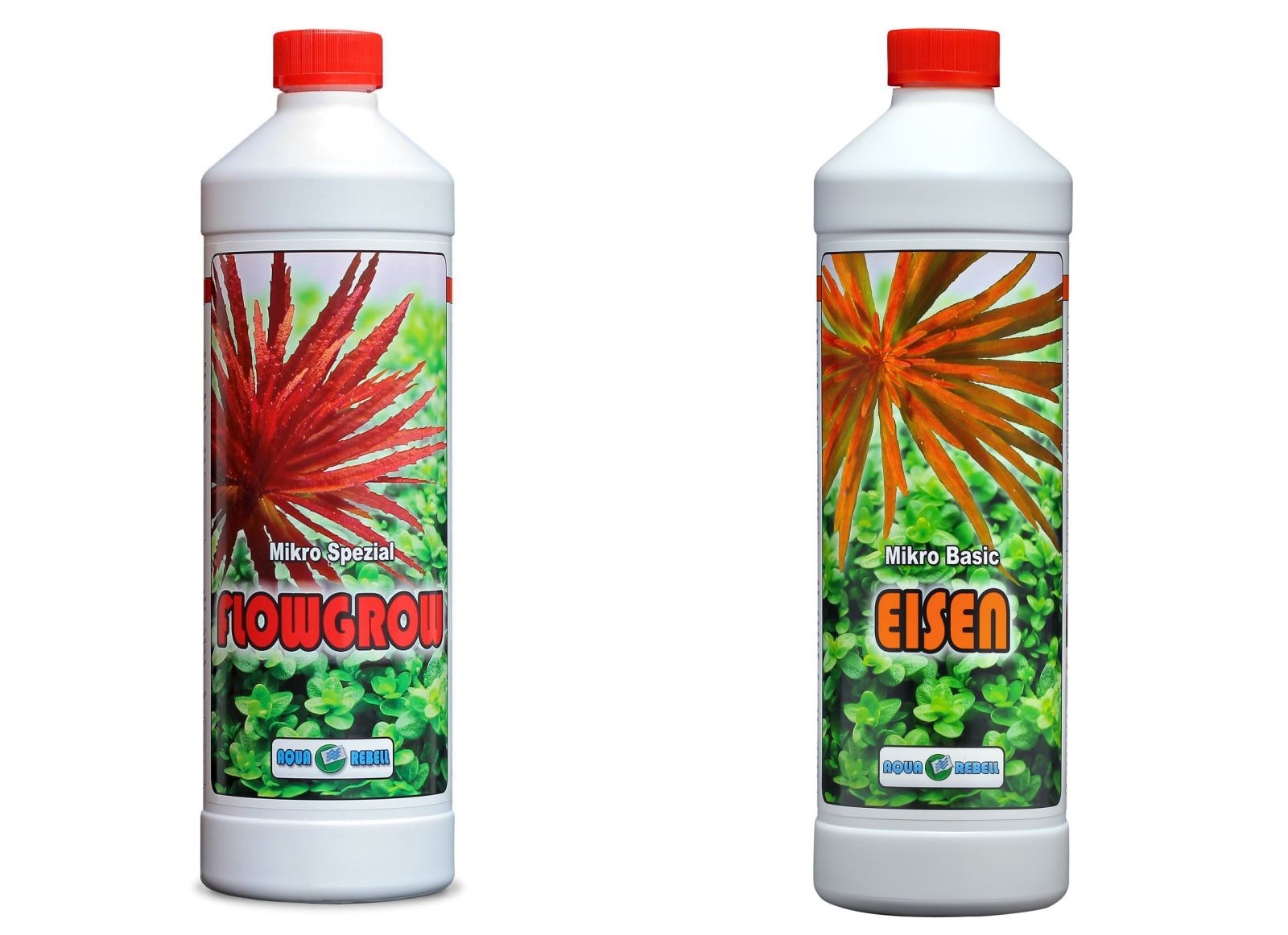
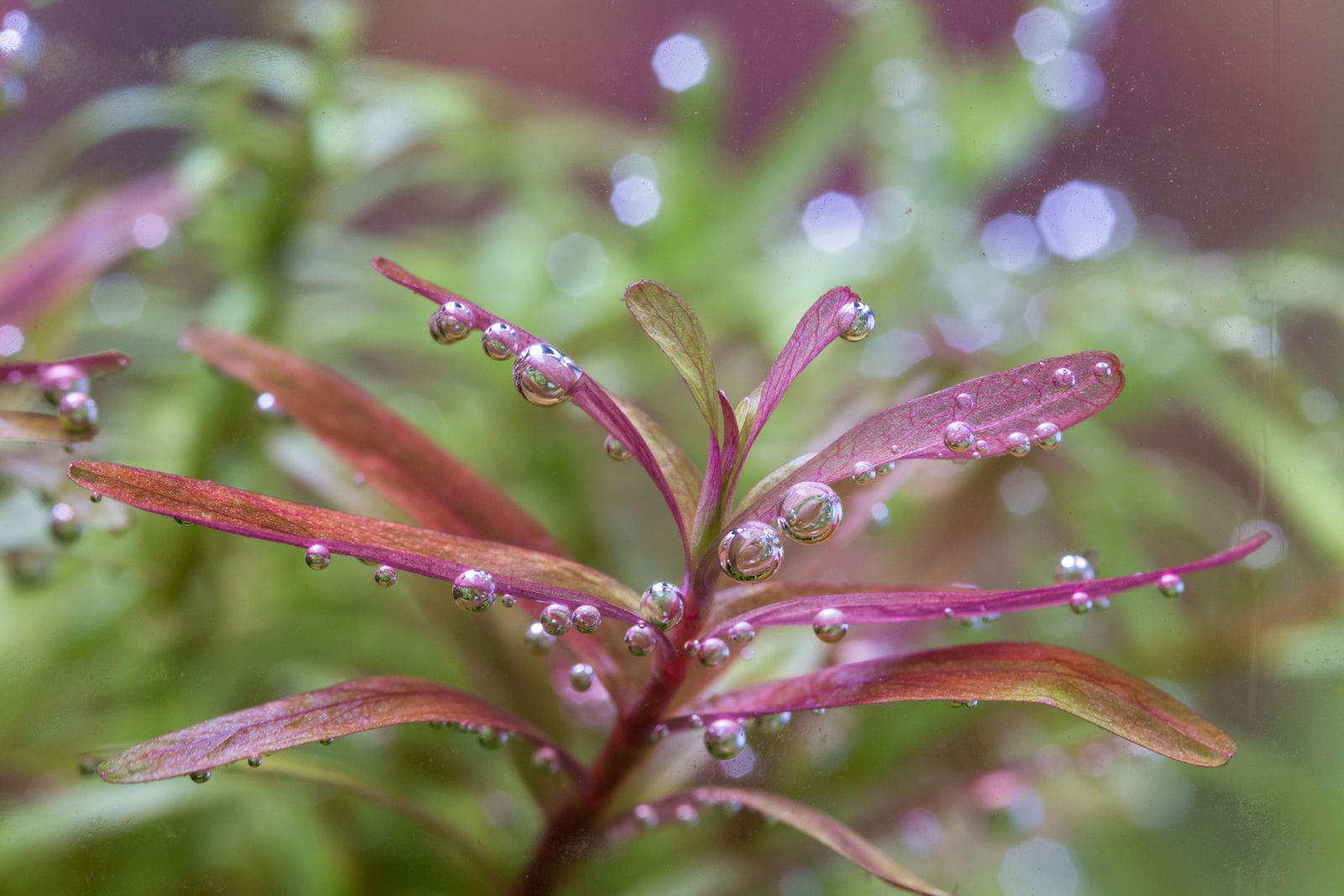
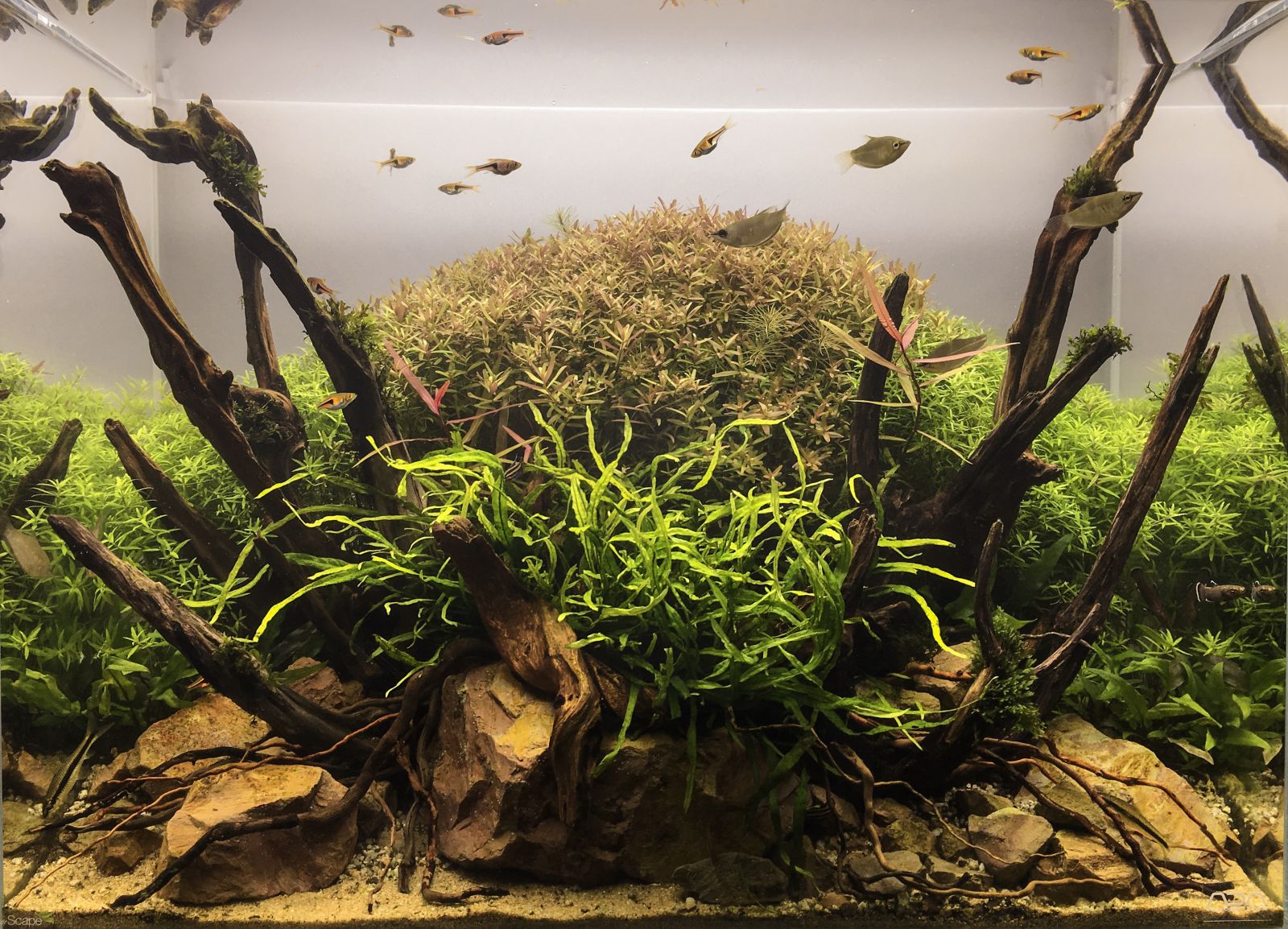
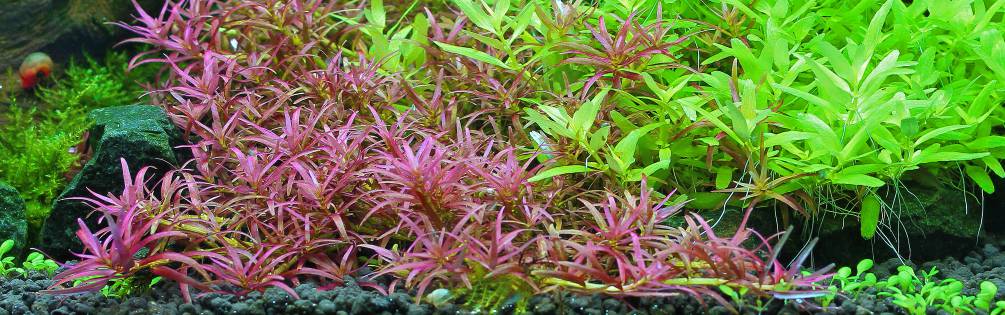
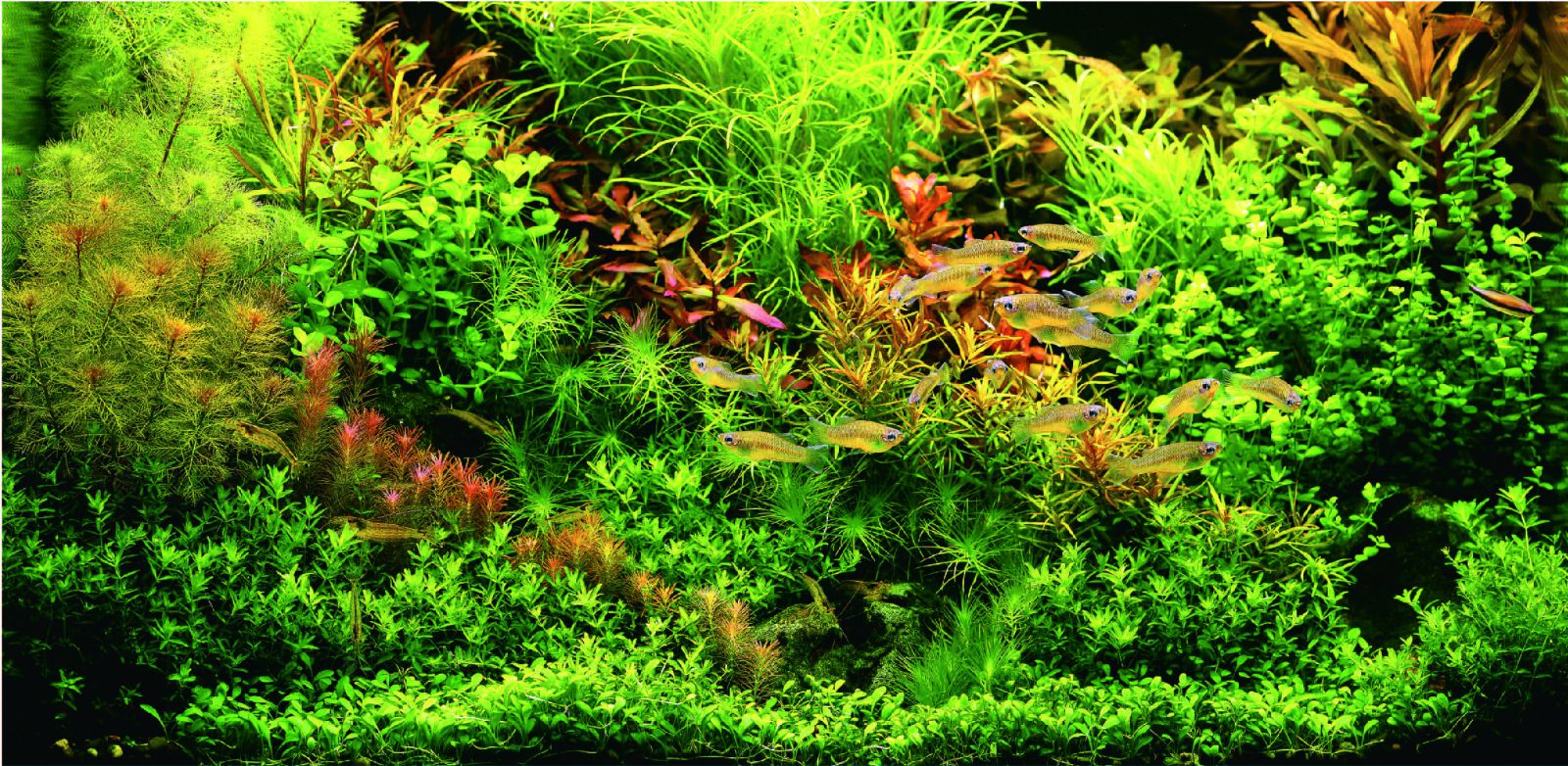
Every aquarist who is drawn to aquatic plants and aquarium design dreams of lush, healthy aquarium plants - ideally with as little algae as possible. To achieve this, you need to master the basics of planted aquariums, which are actually not that difficult. What do you need to consider? In addition to light and carbon supplied as CO2, aquatic plants in an aquarium or aquascape need further nutrients to ensure optimal, healthy growth. These include the so-called micronutrients (iron and other trace elements), which aquarium plants only need in small amounts, and macronutrients (for example phosphorus, potassium and nitrogen). Macronutrients are consumed by aquarium plants in larger quantities. In an aquarium with lots of aquatic plants, both types of nutrients (micronutrients and macronutrients) are usually supplied with liquid fertilizers.
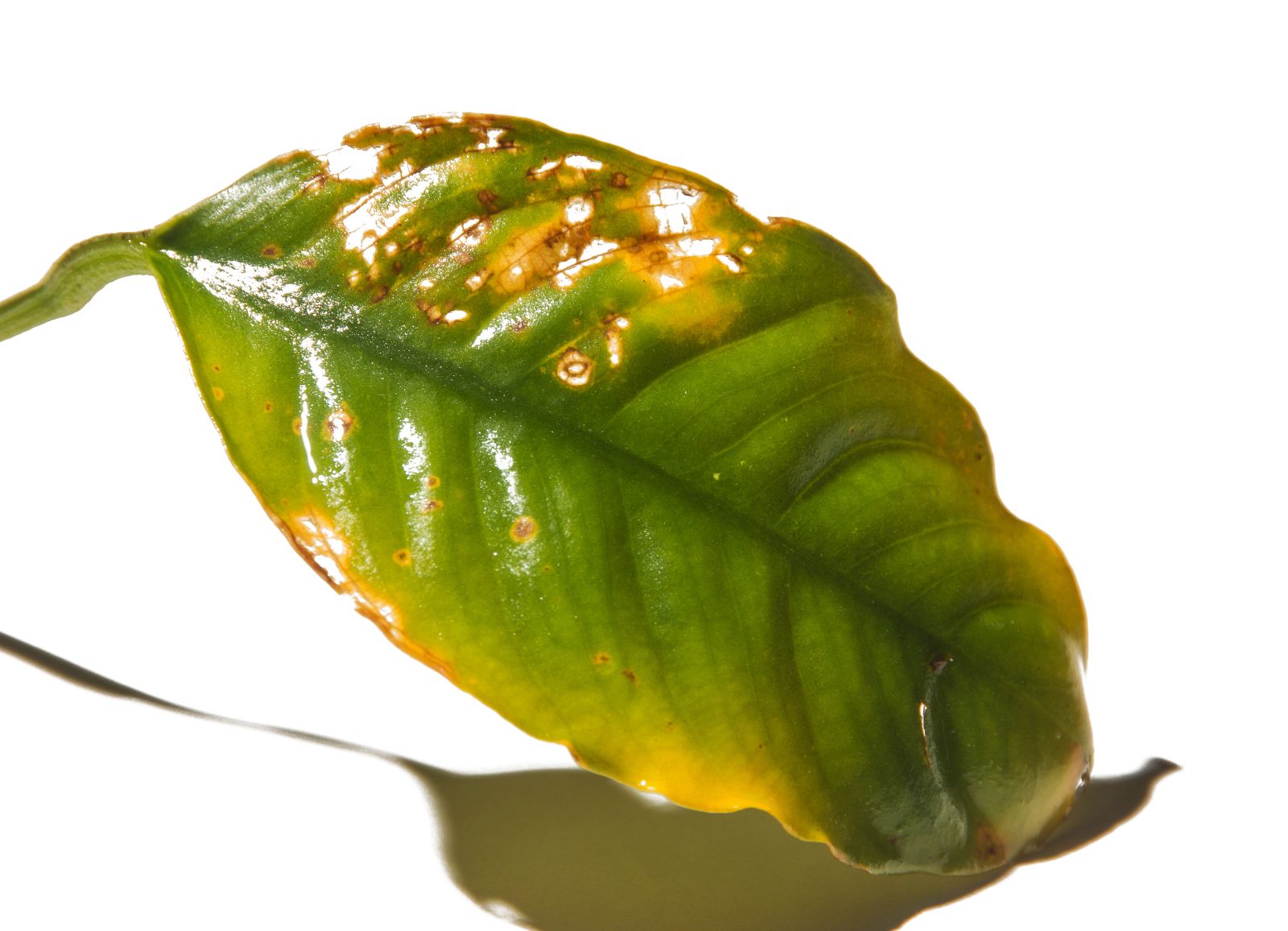
If plants lack certain substances, they do not grow well and show symptoms of damage. We have summarized these in the article "Deficiency symptoms in aquatic plants".
How to fertilize aquarium plants correctly and supply them with nutrients in the best possible way is described in detail in the Aquascaping Wiki in our series of articles "Fertilizing a planted aquarium, part 1", "part 2" and "part 3".
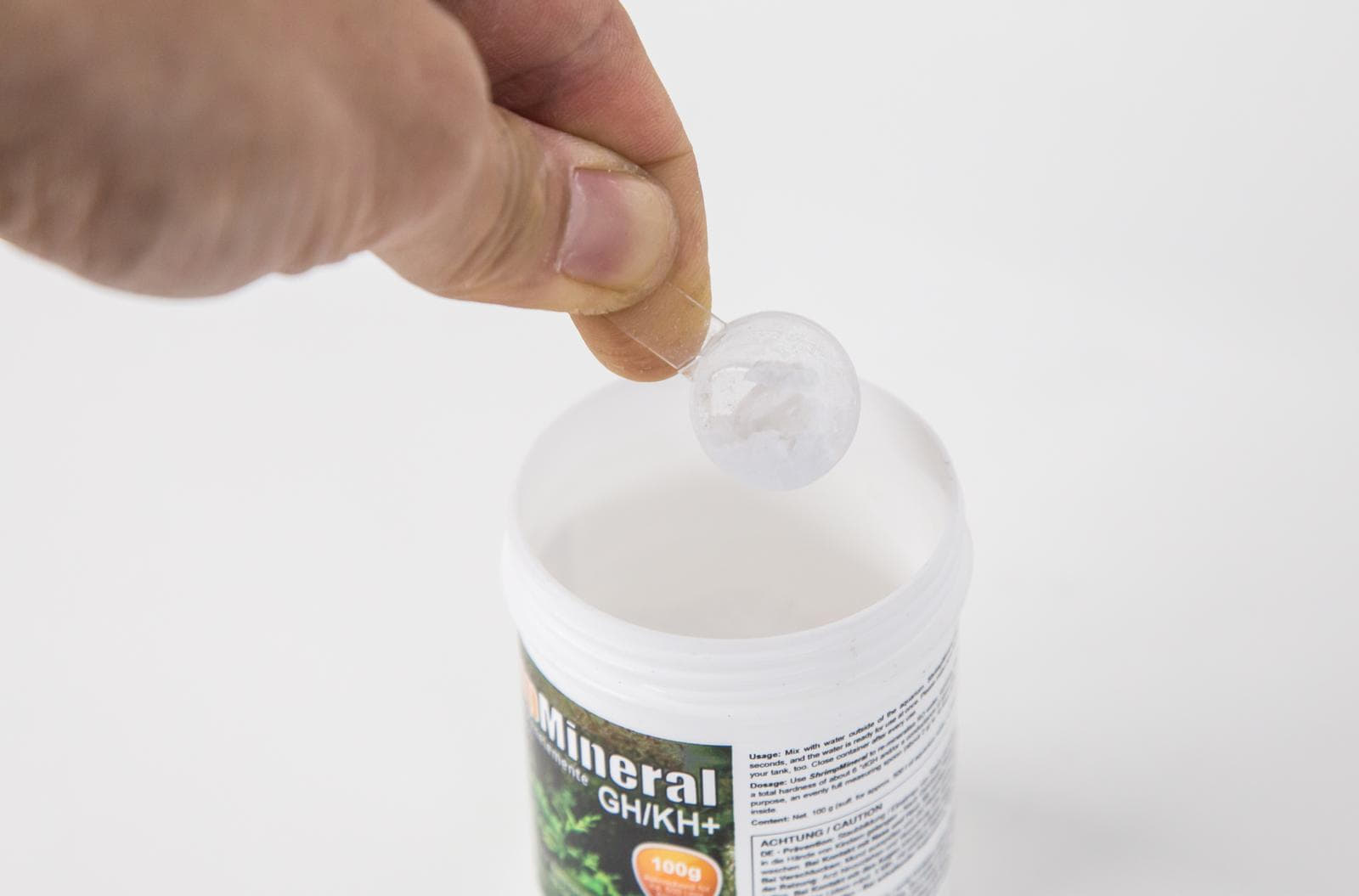
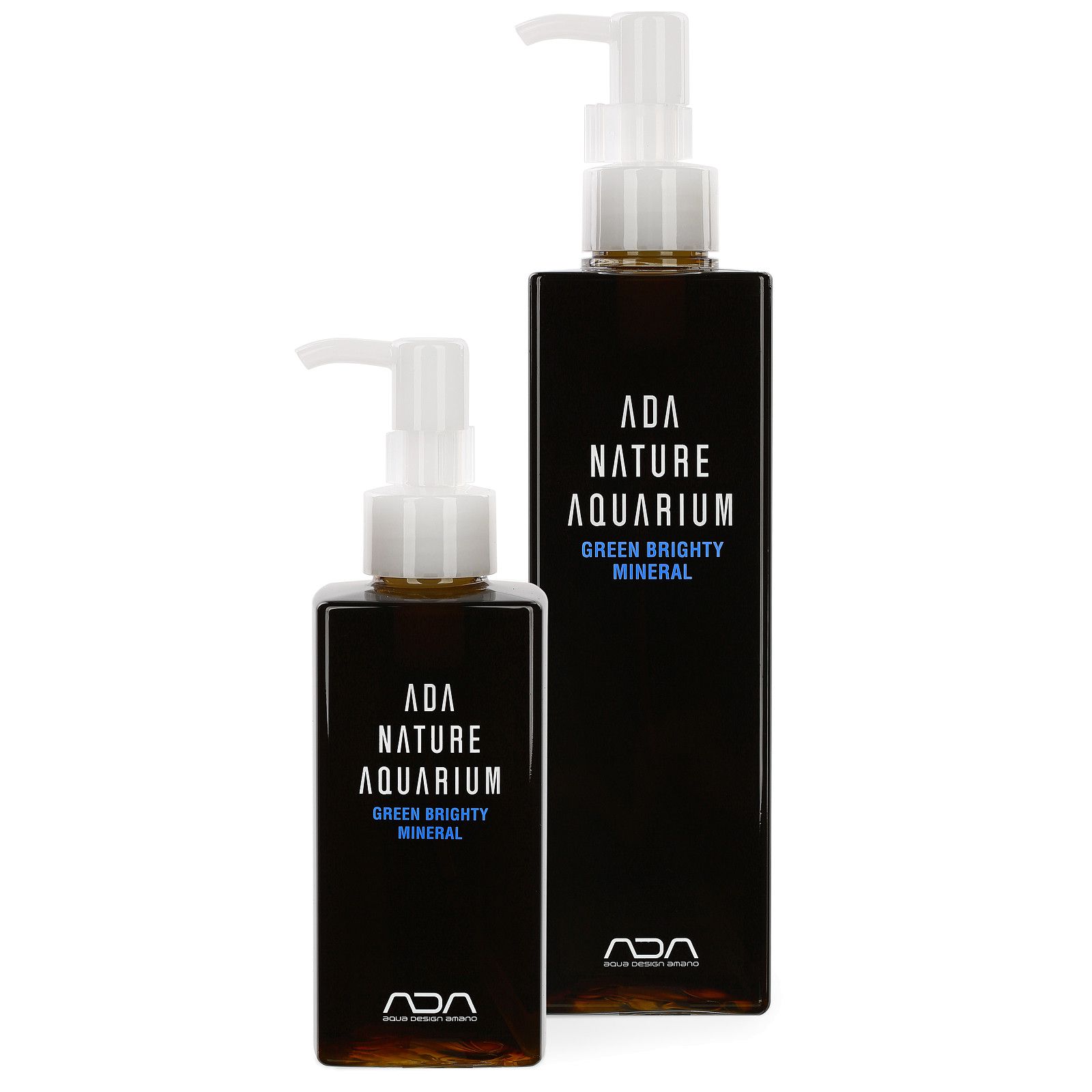
More advanced planted tank enthusiasts will also find further advice in this category on improving the nutrient supply in their aquarium. What enthusiast wouldn't want to get the most out of their aquatic plants in terms of growth, coloration and growth habit? Who doesn't have that one stem plant that keeps struggling while everything else thrives? An often underestimated aspect of plant care in the aquarium is general hardness and the related elements calcium and magnesium. Ideally, these substances should be in a certain ratio so that they are available to aquarium plants in sufficient quantities.
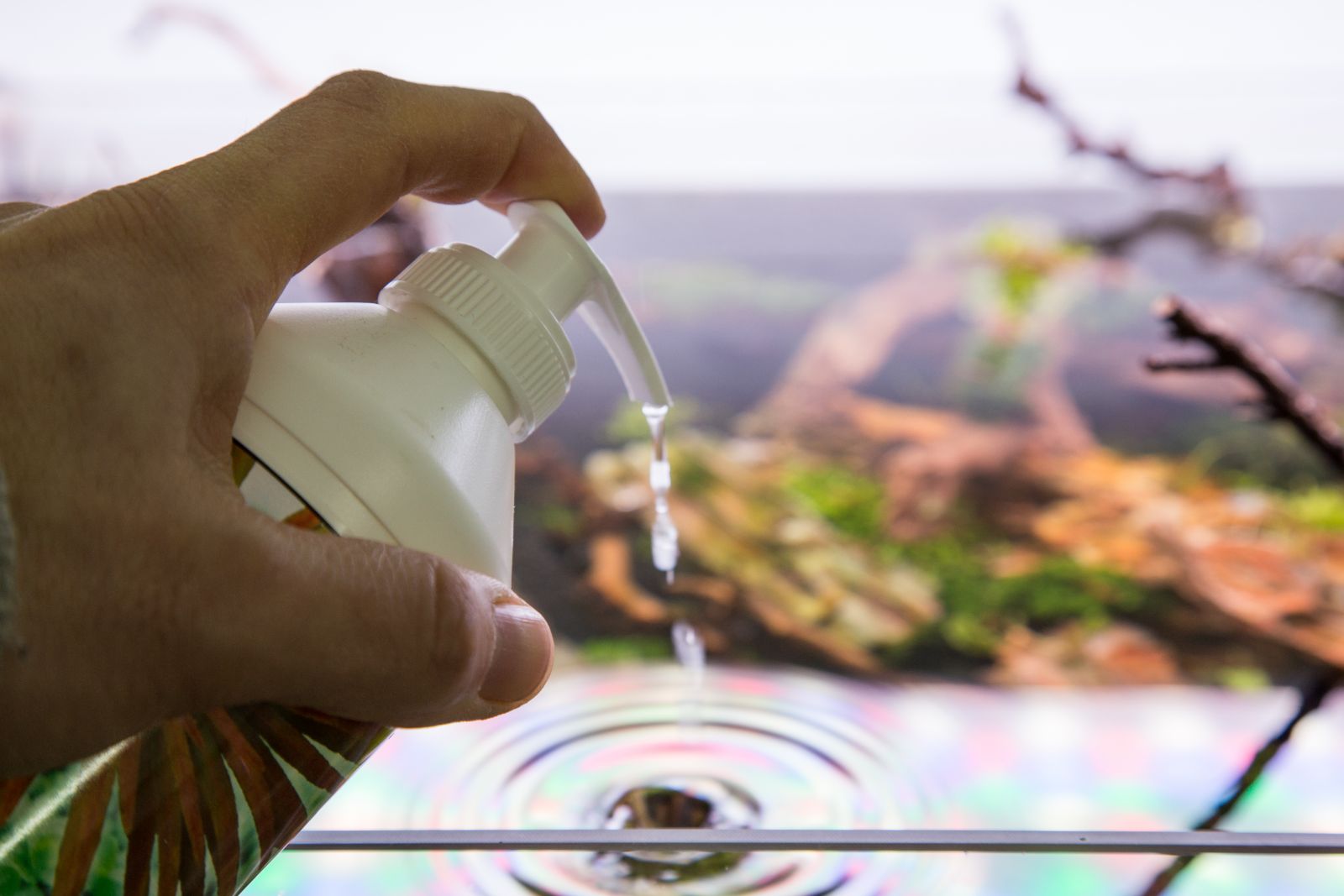
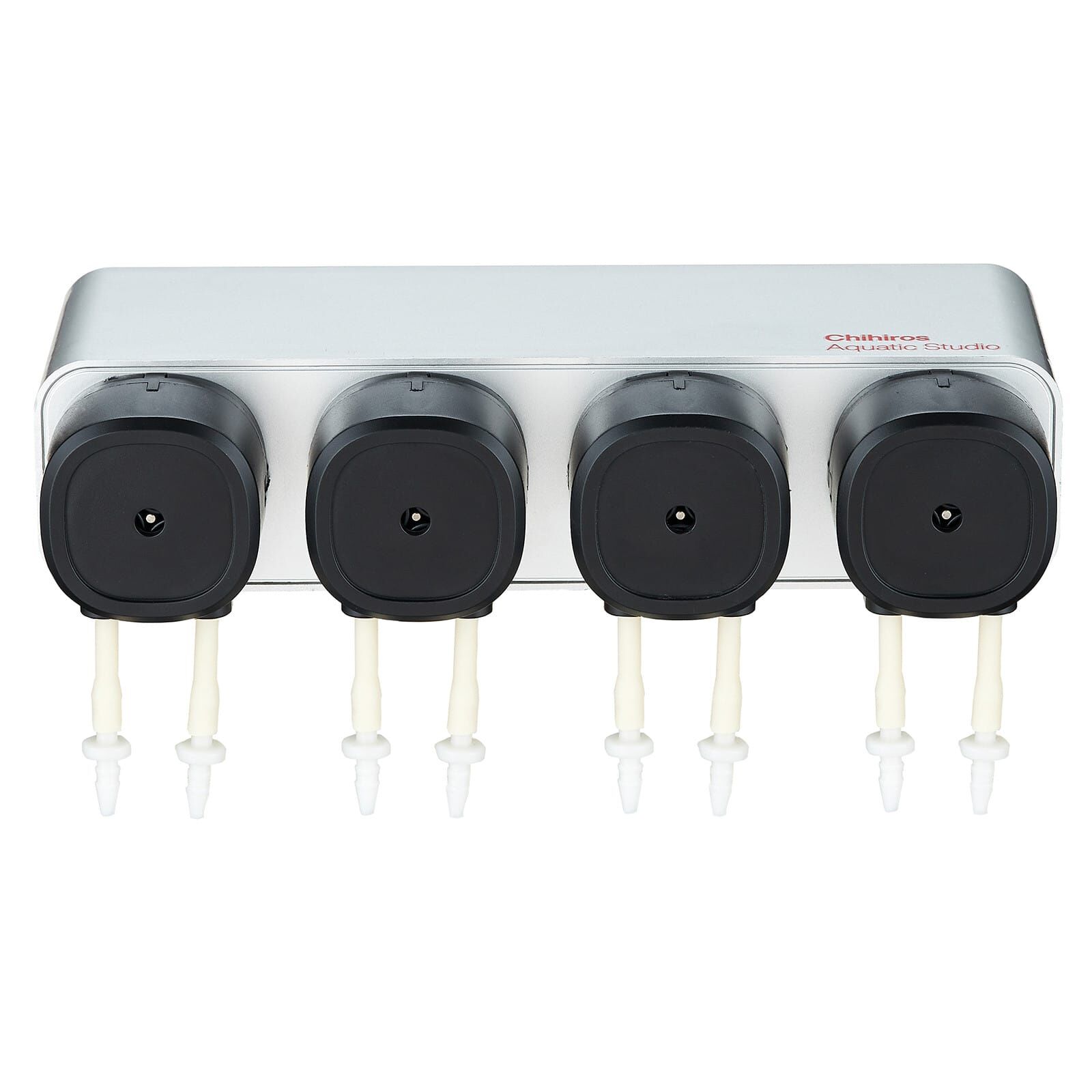
Anyone who aims to supply their aquatic plants with nutrients optimally will not be able to avoid adding various supplements and liquid fertilizers to their aquarium every day. To make this as convenient as possible, there are various aids. A popular method is automated fertilization. This uses programmable dosing pumps with several channels. This way, different liquid components such as all-in-one iron fertilizers and individual macronutrients can be added at precise times and in specific amounts.
How do you fertilize an aquarium right from the start? Especially during the start-up phase, the plant mass is still fairly low and the plants' metabolism is still limited. This should be taken into account when dosing fertilizer. We have put together a plan for this in our article "Fertilization during the start-up phase".