Welcome to Aquasabi's new home!
aquasabi.com is now part of aquasabi.de – one shop for everyone, in English and German. Bringing everything together means better security and smoother updates for the future, better service for you, and always up-to-date content and products.
There's one thing we're truly sorry about: we weren't able to bring customer accounts over to the new shop. If you've shopped with us before, please create a new account – it only takes a minute.
Already have an account on aquasabi.de? Then simply sign in with it – there's no need to create a new one.
Would you like an overview of your previous orders? Just send us a quick note at info@aquasabi.de – we're happy to help!
Thank you for being part of the Aquasabi family!
Create your account




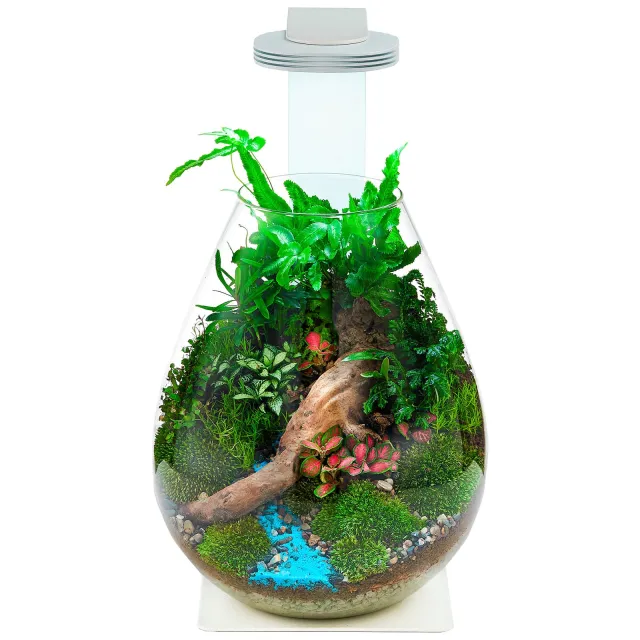

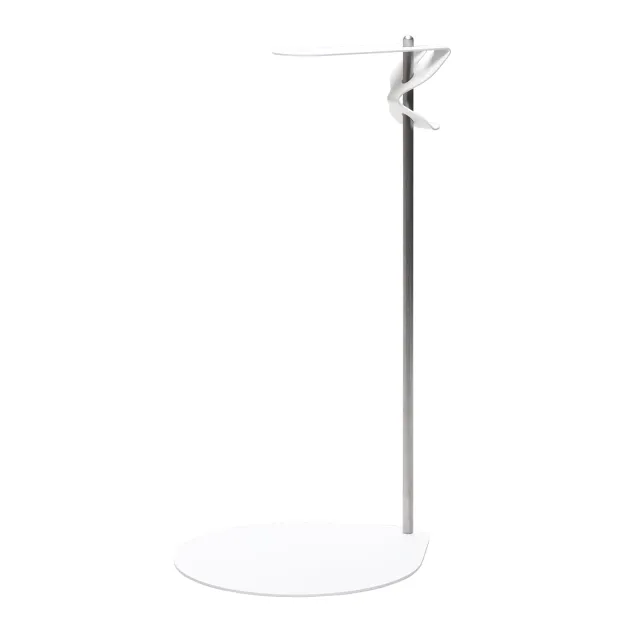
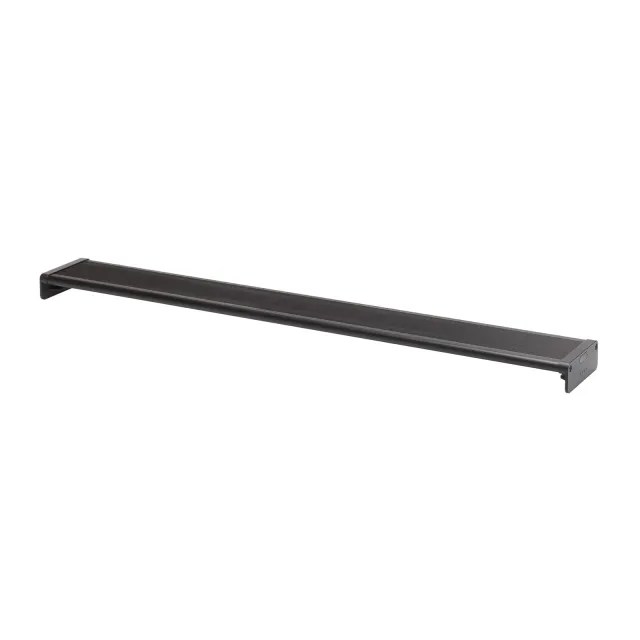
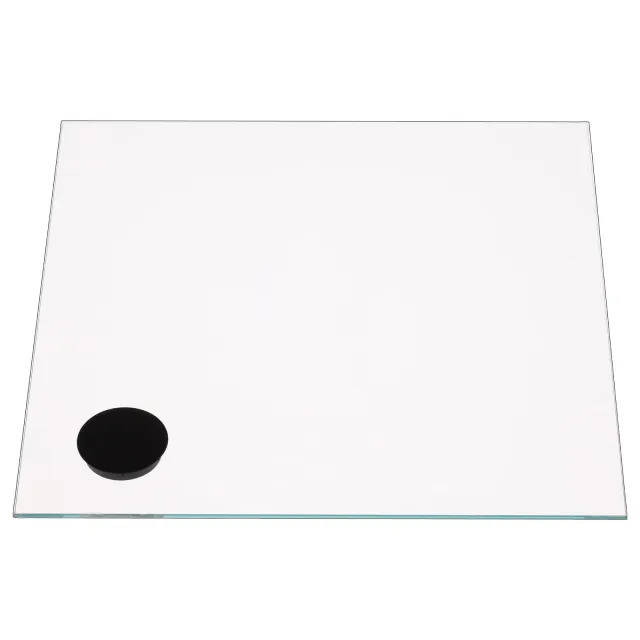
The set Chihiros Glass Bowl with stand and Magnetic Light consists of three selected components. The organic shape of the Chihiros Bowl allows to create a 360° jungle panorama that offers an excellent view from every side. The natural shape of the Glass Bowl made of borosilicate glass with the...
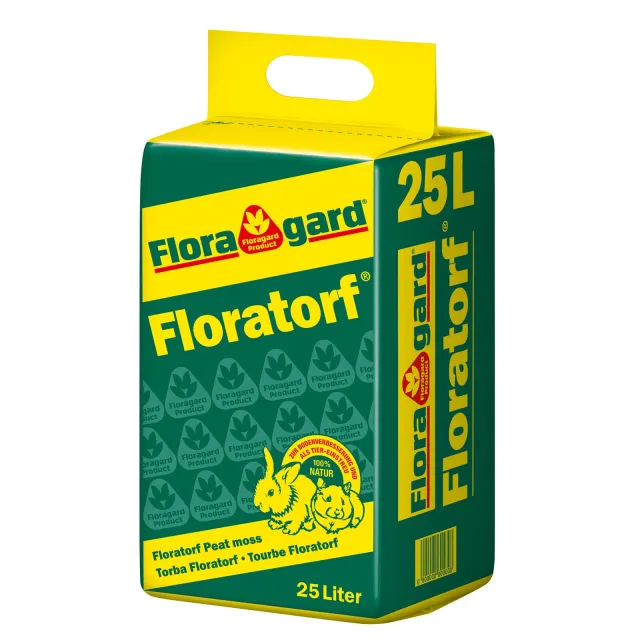
Floragard Floratorf is a classic, pure quality peat without any additives. This 100% pure and unfertilised white peat is ideal for soil improvement, as it loosens the soil and ensures good aeration. Its ability to retain water, nutrients, and soil warmth significantly promotes biological activity...
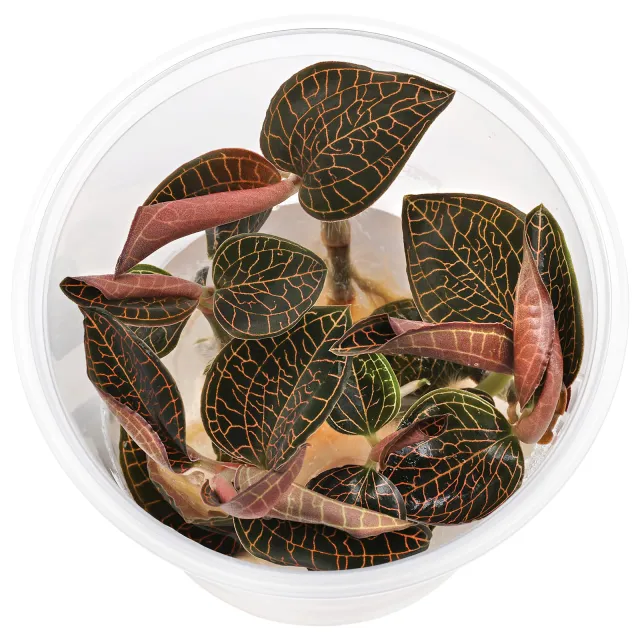
The Macodes "Firebird", also known as the Jewel Orchid, is an impressive plant that stands out primarily for its shiny, decorative leaves. This small, ground-dwelling orchid is native to the moist, shady rainforests of Southeast Asia. The leaf coloring of Macodes "Firebird" is particularly...
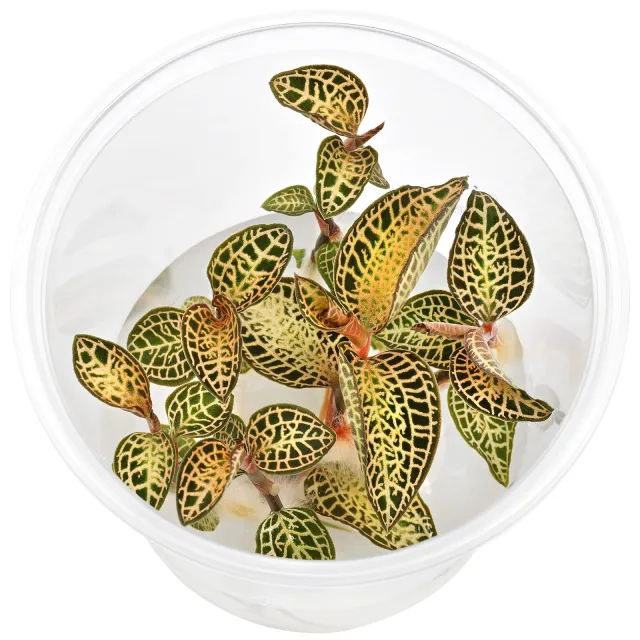
The Macodes "Goldnetz", also known as Jewel Orchid, is an impressive plant that stands out primarily for its shiny, decorative leaves. This small, ground-dwelling orchid is native to the moist, shady rainforests of Southeast Asia. The leaf coloring of the Macodes "Goldnetz" is particularly...
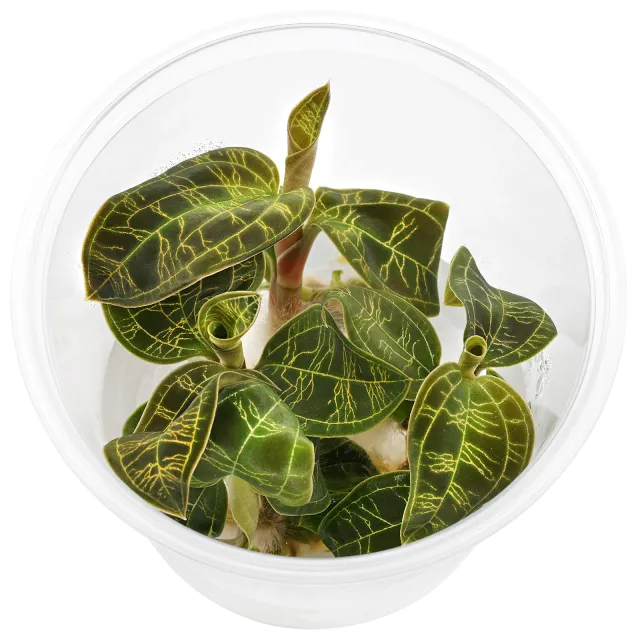
The Macodes petola, also known as the Jewel Orchid, is an impressive plant renowned for its shiny, decorative leaves. This small, ground-dwelling orchid is native to the moist, shady rainforests of Southeast Asia, widely spread in countries like Thailand and Malaysia. The leaf coloring of...
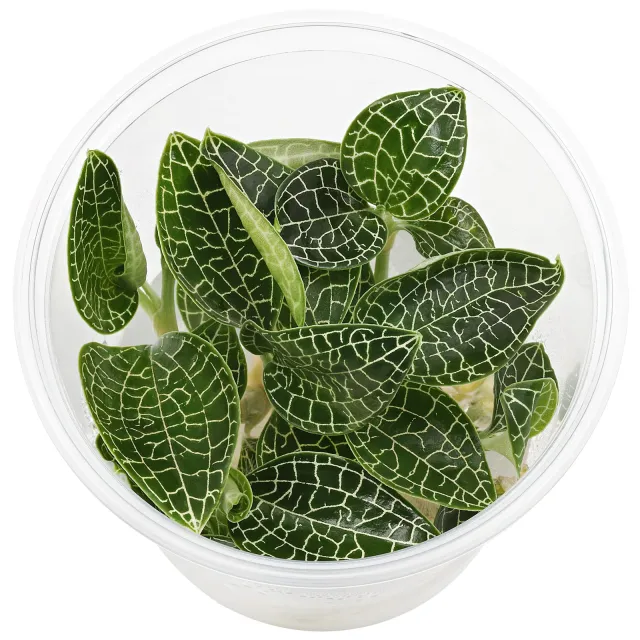
The Macodes "Silbernetz", also known as the Jewel Orchid, is an impressive plant renowned for its shiny, decorative leaves. This small, ground-dwelling orchid is native to the moist, shady rainforests of Southeast Asia. The leaf coloring of Macodes "Silbernetz" is particularly striking. The...
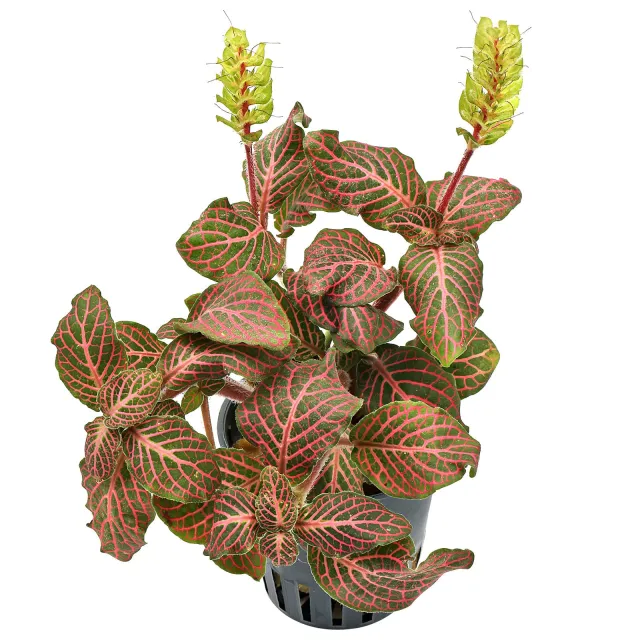
This small, variegated ground plant is also known as Fittonia verschaffeltii and F. argyroneura. It originates from rainforests in South America and belongs to the huge Acanthus family. In this family are many tropical plants with striking leaf colouring and markings. There are several selections...
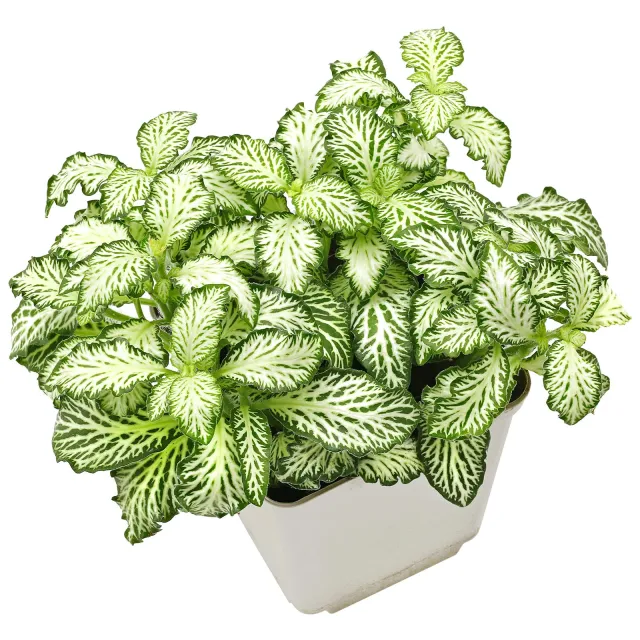
This small, variegated ground plant is also known as Fittonia verschaffeltii and F. argyroneura. It originates from rainforests in South America and belongs to the huge Acanthus family. In this family are many tropical plants with striking leaf colouring and markings. There are several selections...
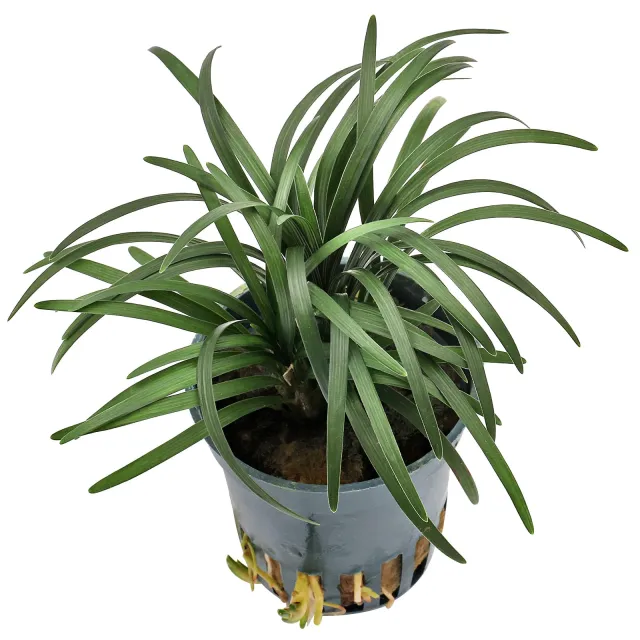
The Mondo grass is not a true grass but more closely related to lily of the valley, dragon tree and asparagus. It is native to shady, damp places in East Asia and is widely used as an ornamental plant, especially in warmer countries. A dwarf form is marketed under various cultivar names such as...
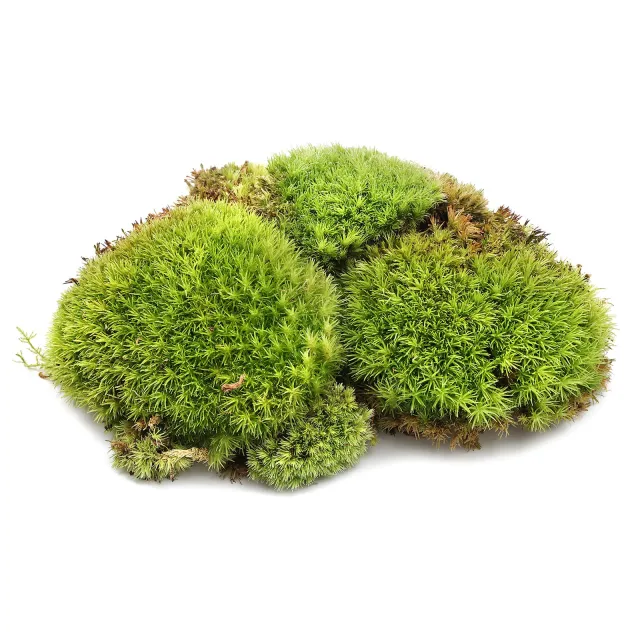
Pads of the moss species Leucobryum glaucum, the Large White-moss or Pincushion moss, are called Cushion moss in the trade. This moss occurs naturally on acidic forest soils. The thick, bulging cushions are glossy light green when moist, whitish when dry. The diameter of the individual pads can...

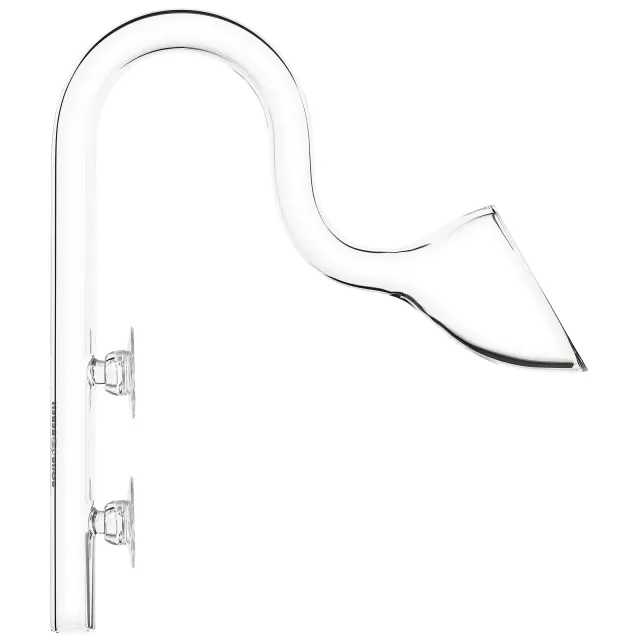
Aqua Rebell's Lily Pipes are made with the highest quality laboratory-grade borosilicate glass and are all artistically hand-blown unique pieces. Outstanding quality does not need to be expensive. Aqua Rebell Lily Pipes combine best quality with a very good price. Lily Pipes are designed to...
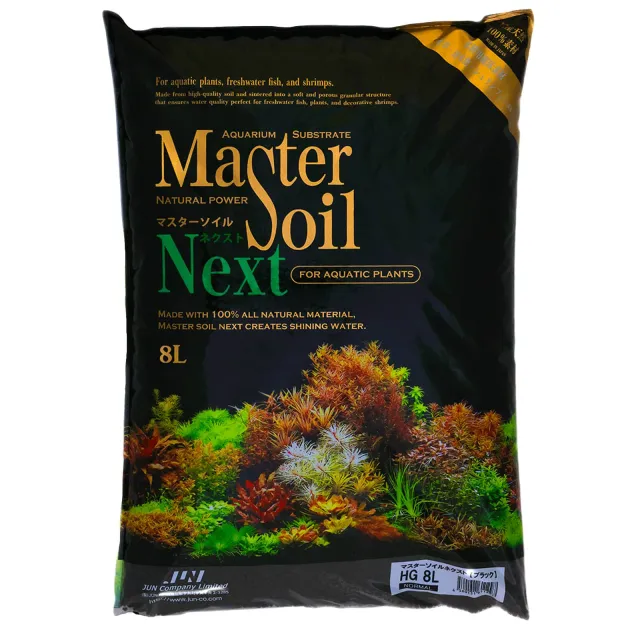
Jun Master Soil NEXT Black is a pre-enriched substrate made from natural black soil, specifically developed for planted freshwater aquariums. Due to its natural origin, the soil already contains essential nutrients required for healthy aquatic plant growth and supports the establishment of a...
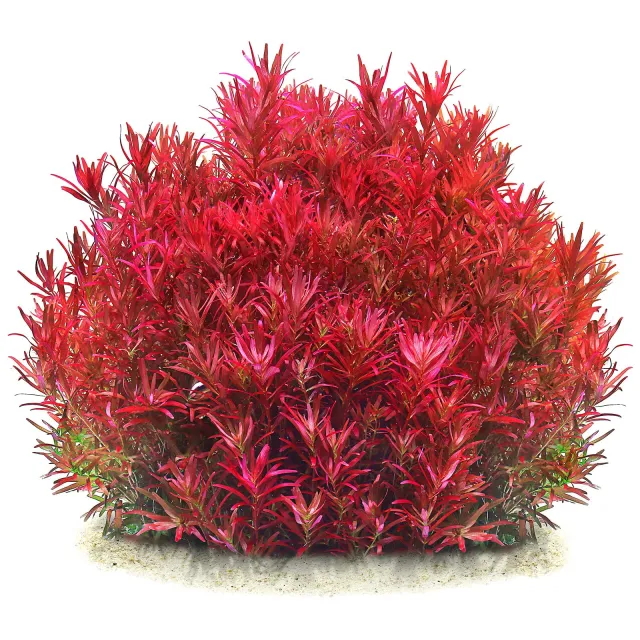
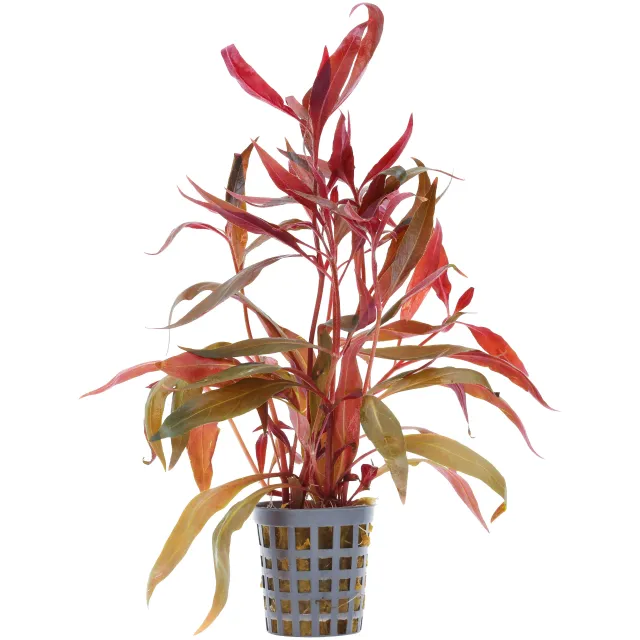
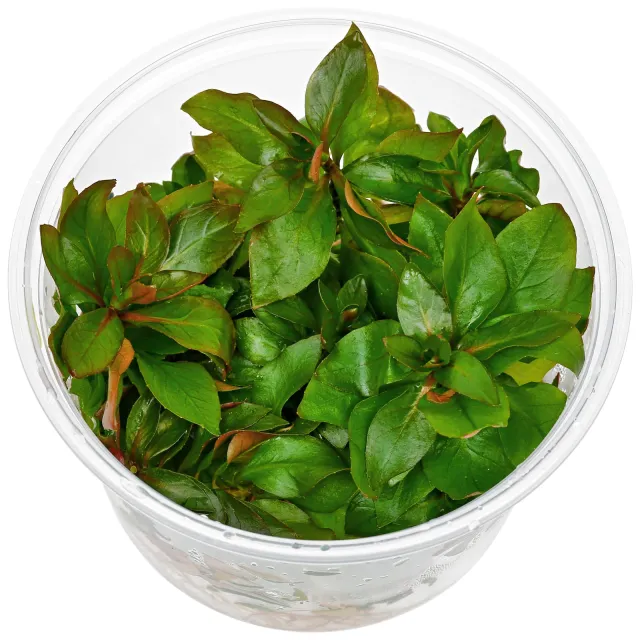
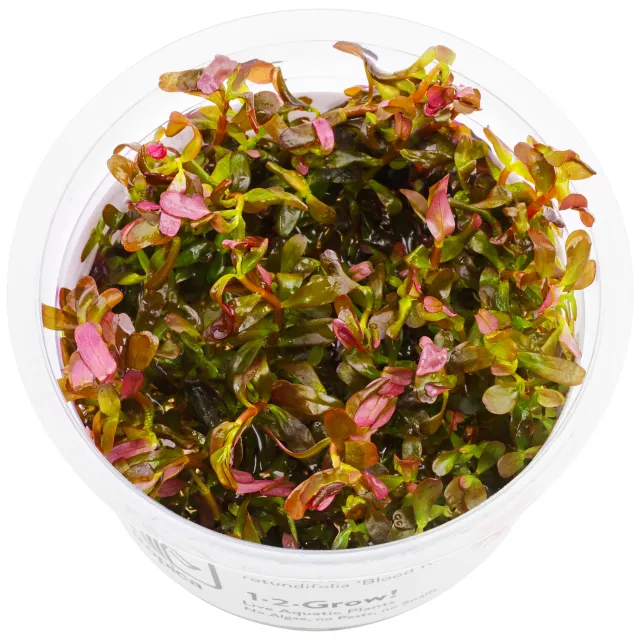
'Singapore Blood Red', also "Blood Red Singapore", certainly has the most intense red colouring of all Rotala rotundifolia forms. Under the same conditions, this Rotala has a darker red shade than R. rotundifolia 'Colorata'. As with "normal" Rotala rotundifolia, the shoots grow mostly upright to...
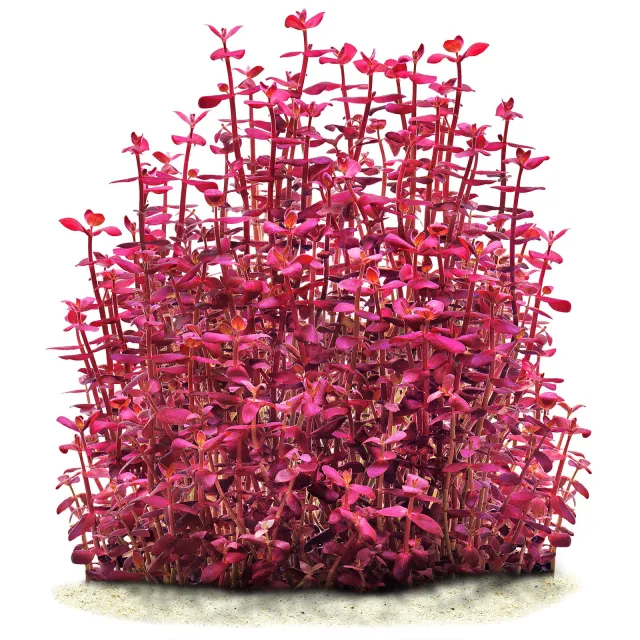
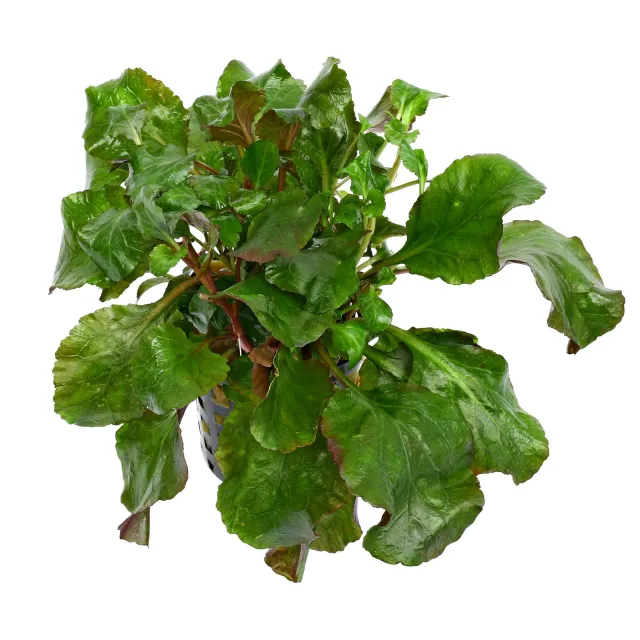
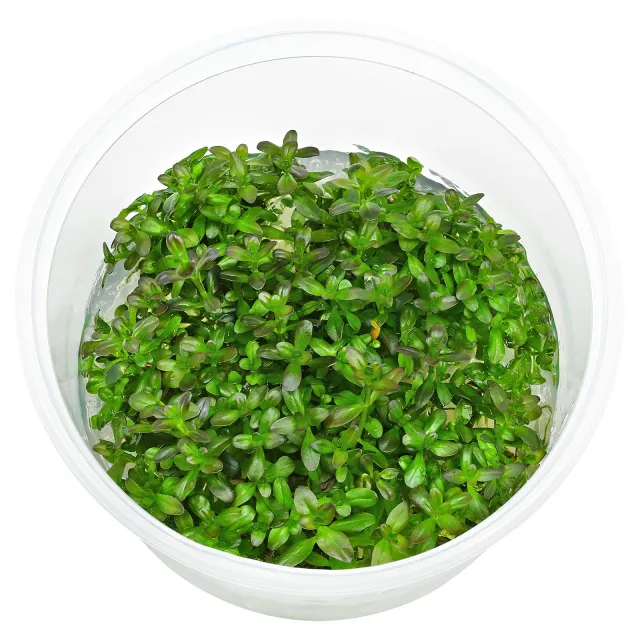
"Purple" is a spectacular colour form of Salzmann's water hyssop. It apparently came onto the market later than another rather green to reddish form of Bacopa salzmannii, which was first called Bacopa sp. "Araguaia". The submerged leaves of Bacopa salzmanniii "Purple", on the other hand, develop...
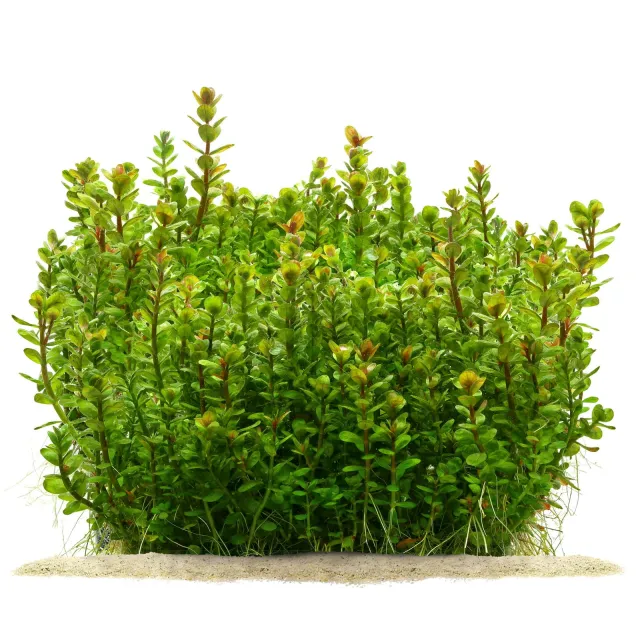
True Rotala indica is not very well-known as aquarium plant. At the moment is it labeled as Ammania sp. "Bonsai" and Rotala sp. "Bonsai" as the trade names, but its flowers have helped identify it correctly as R. indica. The name Rotala indica has been known in the aquarium hobby for a long time,...
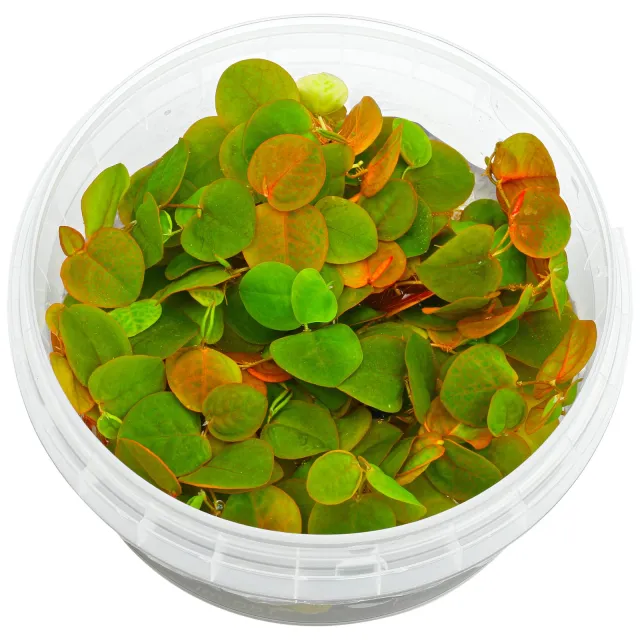
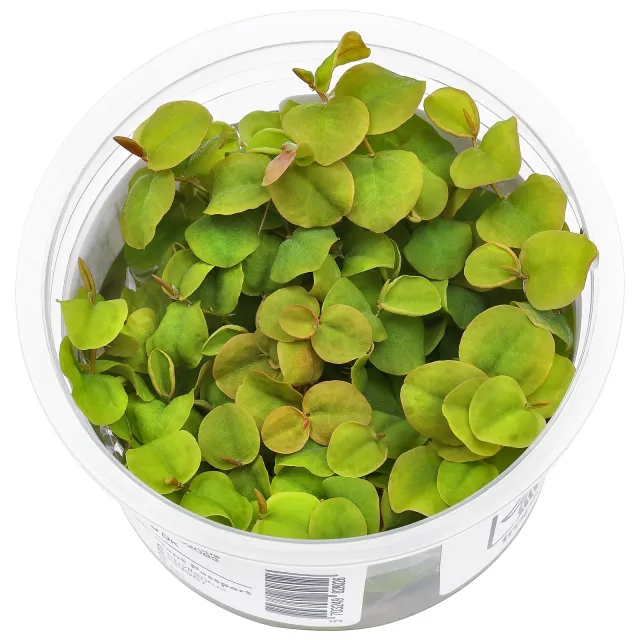
Phyllanthus fluitans is a floating plant that is widespread in the Neotropics. The plant is also known in the hobby as "floating spurge" because it was attributed to the family Euphorbiaceae over a long period (today: Phyllanthaceae). Its round floating leaves are water-repellent and may become...
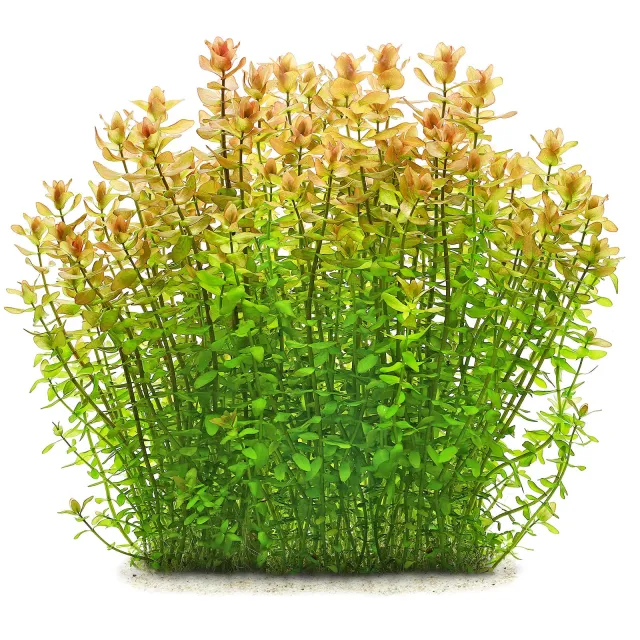
Long known in the aquarium hobby, this stem plant from the southeastern U.S. is quite undemanding and has a rather slow growth rate.
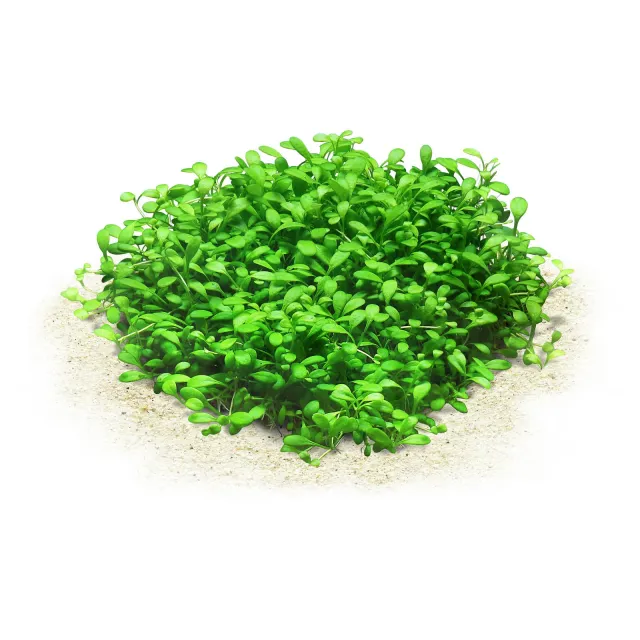
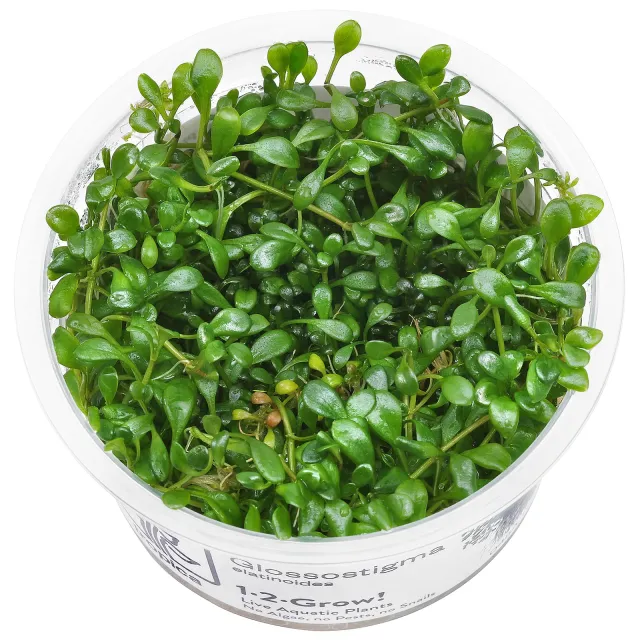
The Small mud-mat or "Glosso", Glossostigma elatinoides, is a popular foreground plant that is widely used in aquascaping and Japanese Nature Aquarium layouts. It produces long, creeping, branching shoots both in its emersed and submerged forms. The thin stems carry opposite, spoon-shaped, light...
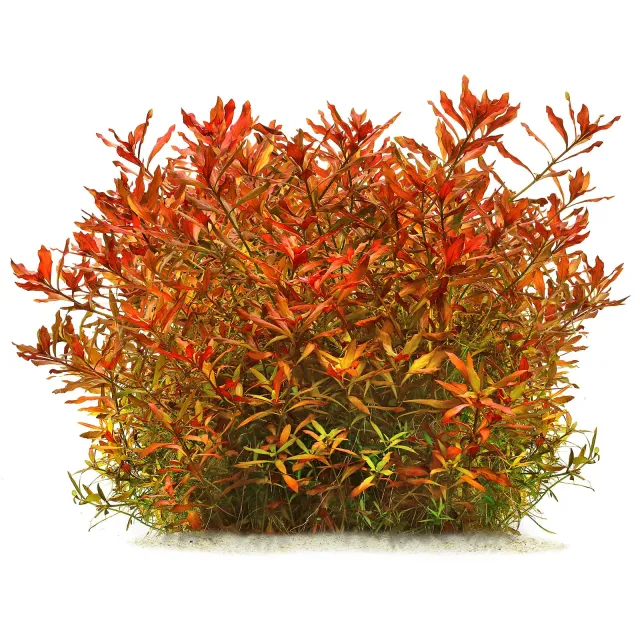
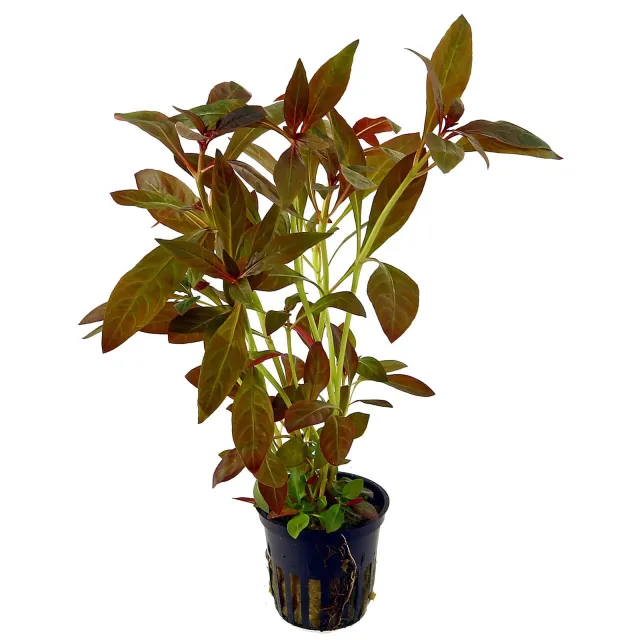
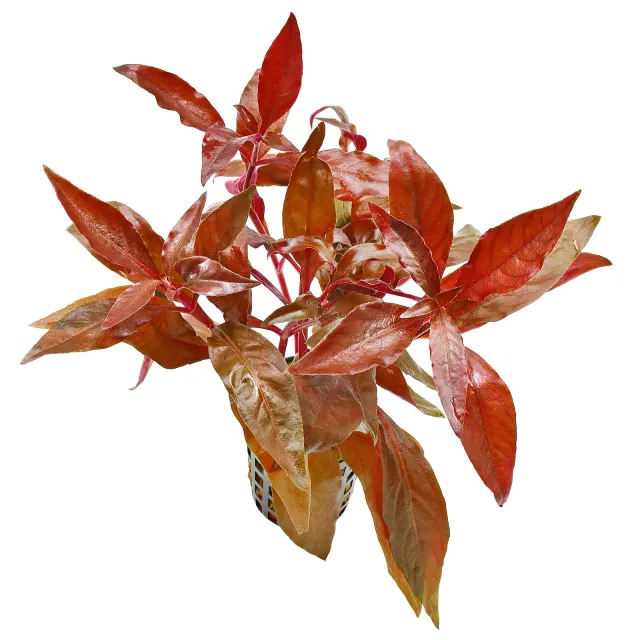
This Ludwigia is a hybrid between the North American species L. repens and L. arcuata. It is long known and has proven as an undemanding, colourful stem plant. Its lanceolate leaves become blood-red under good light. The stems are densely set with leaves; the internodes are short. Submersed...
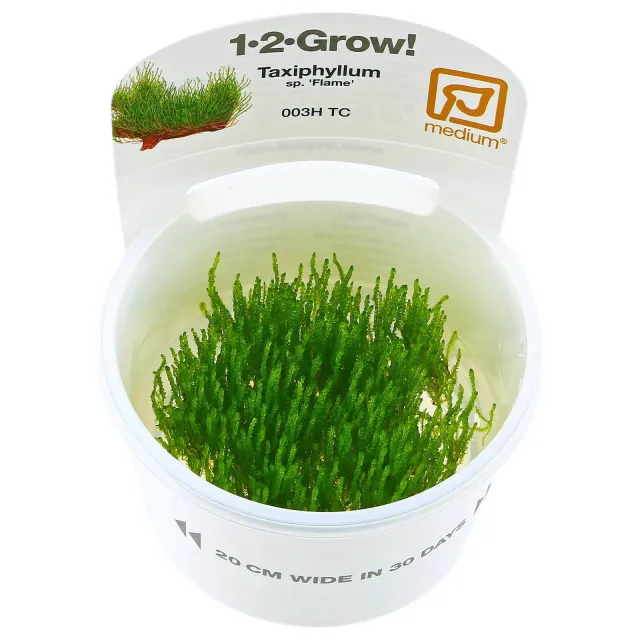
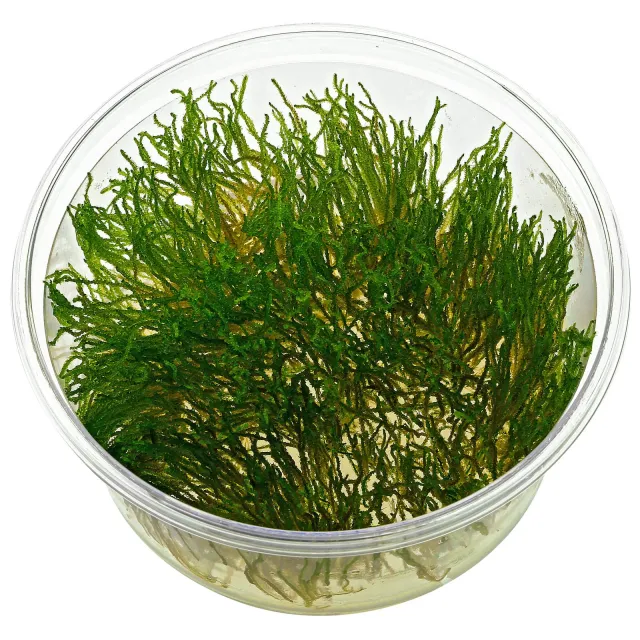
"Flame moss" has not been fully identified yet, but belongs to the genus Taxiphyllum. It probably comes from East or South-East Asia. Even though it has only been known for a few years, it is relatively popular as aquarium moss, and frequently found in trade. Its popularity as well as its trivial...
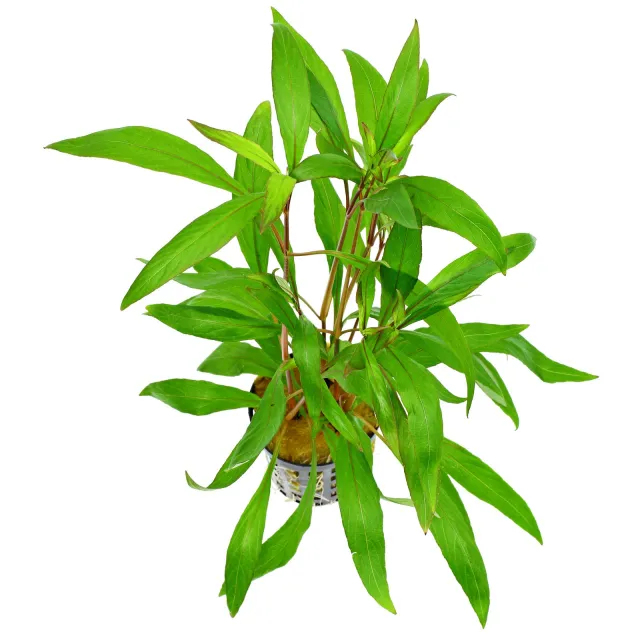
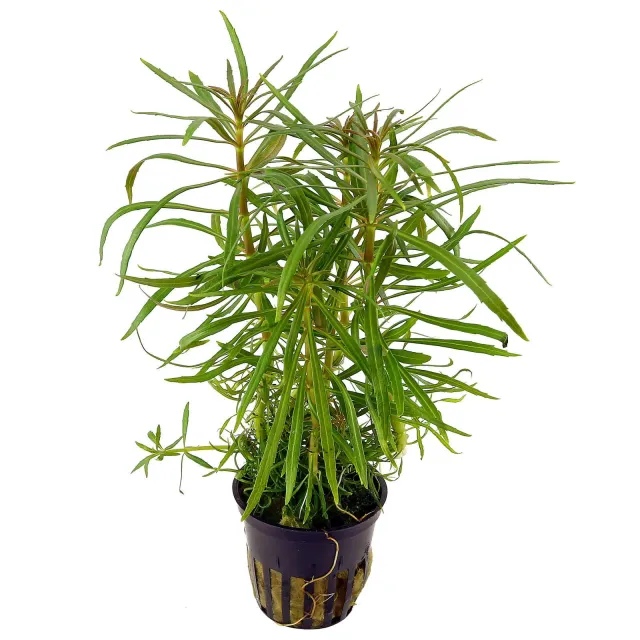
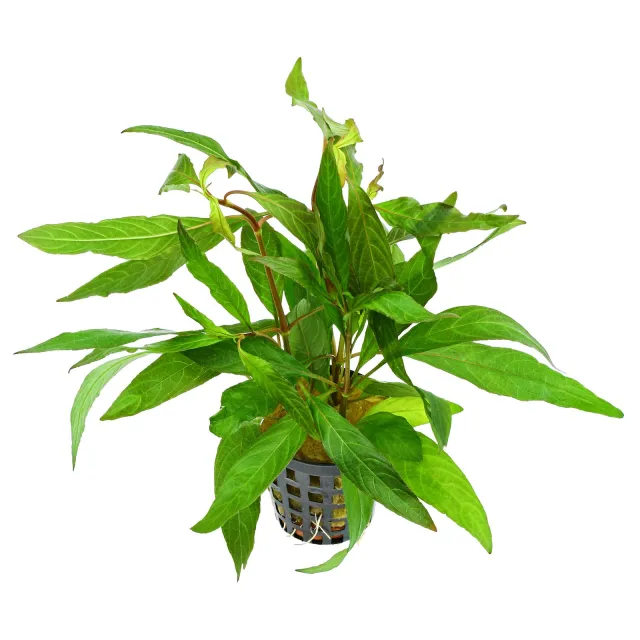
This plant is traded as Hygrophila sp. "Thailand. It certainly belongs to Hygrophila corymbosa and is probably identical with H. corymbosa "Siamensis 53B". This stem plant features a reddish stem, quite narrow, light green leaves and an upright, very bushy growth habit in its underwater form. As...
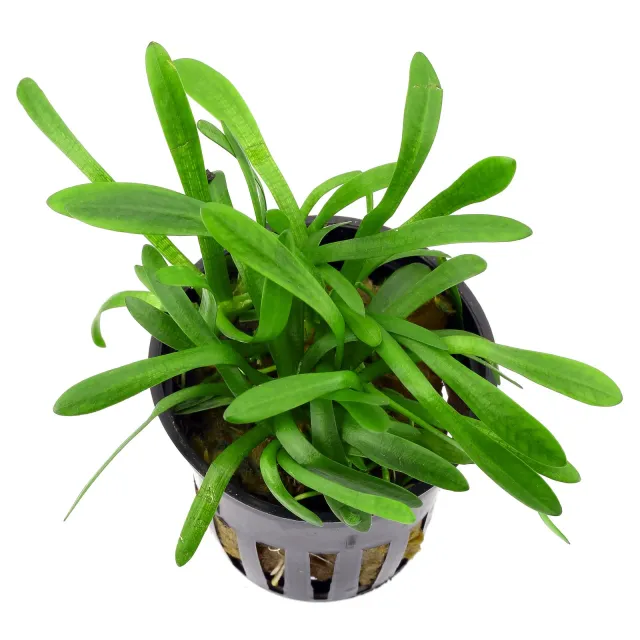
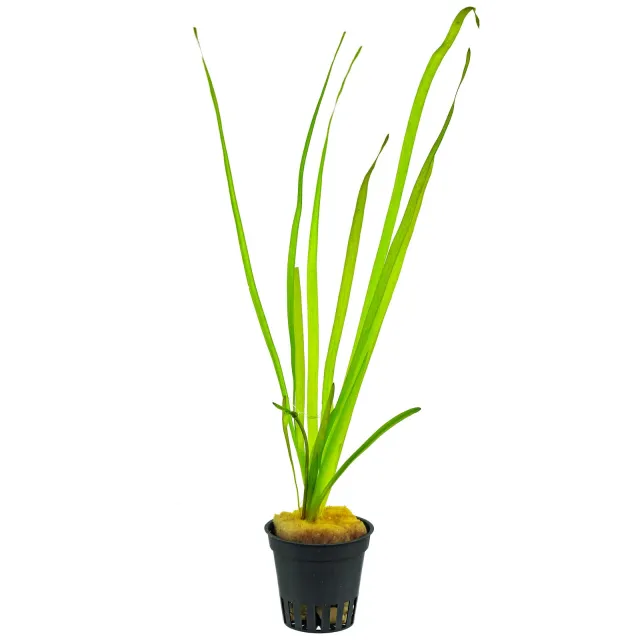
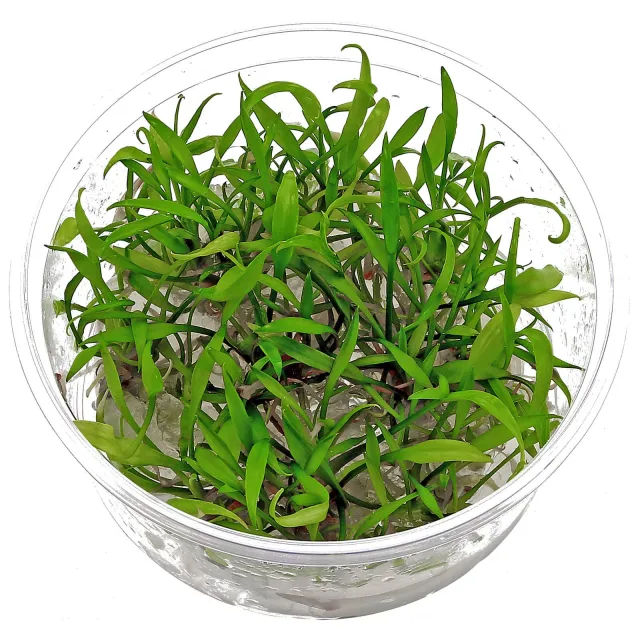
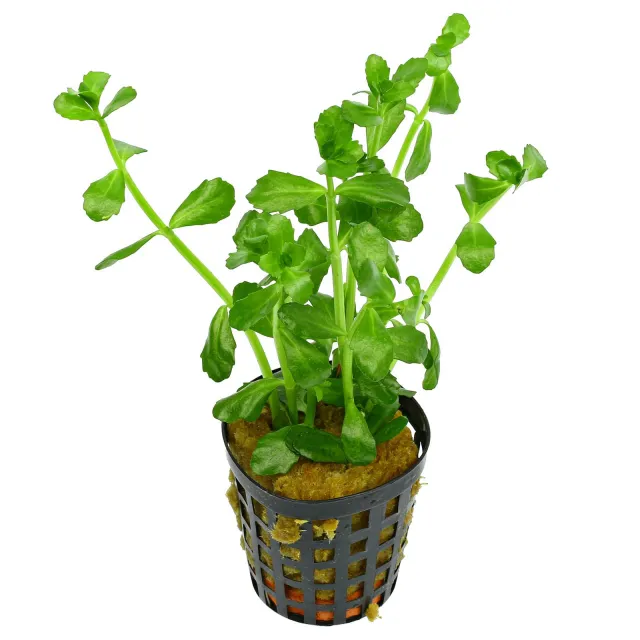
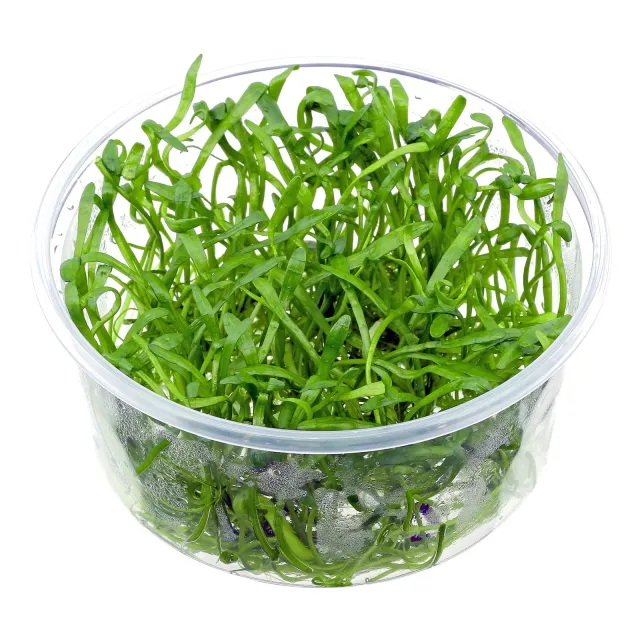
The Dwarf arrowhead stays lower than the "standard" form of Sagittaria subulata when it is grown under the same conditions. With lavish nutrient and CO2 supply, it reached a height of about 15 cm in our aquariums, otherwise it should remain lower in most cases. It is very well suited as a...
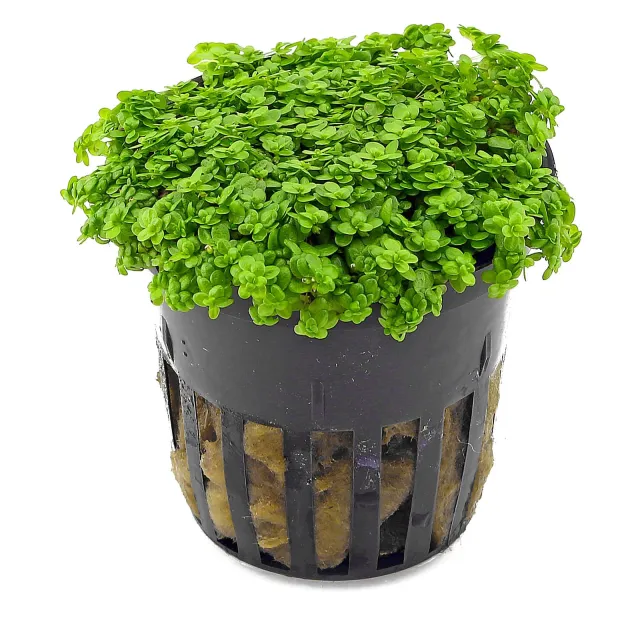
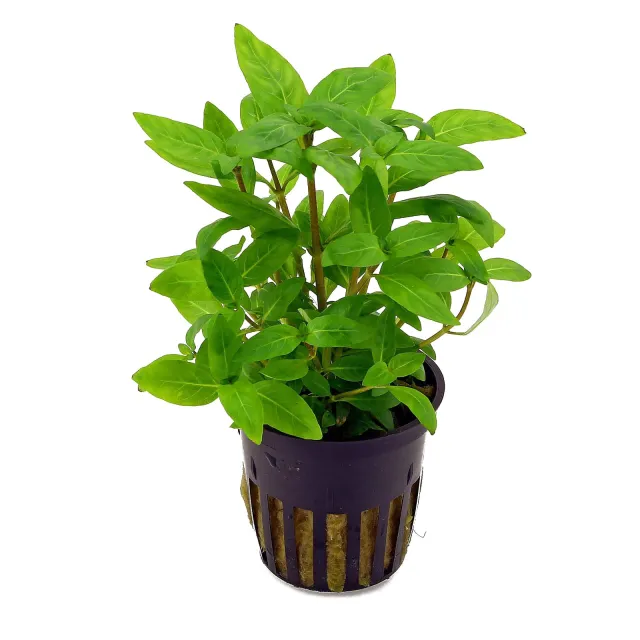
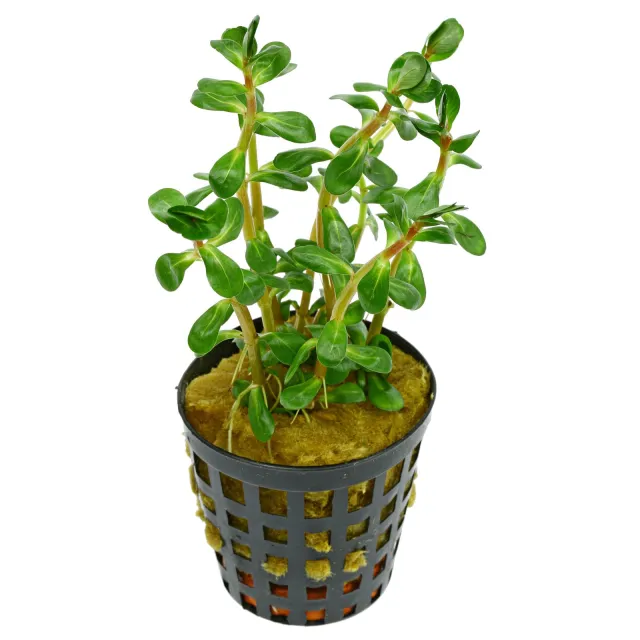
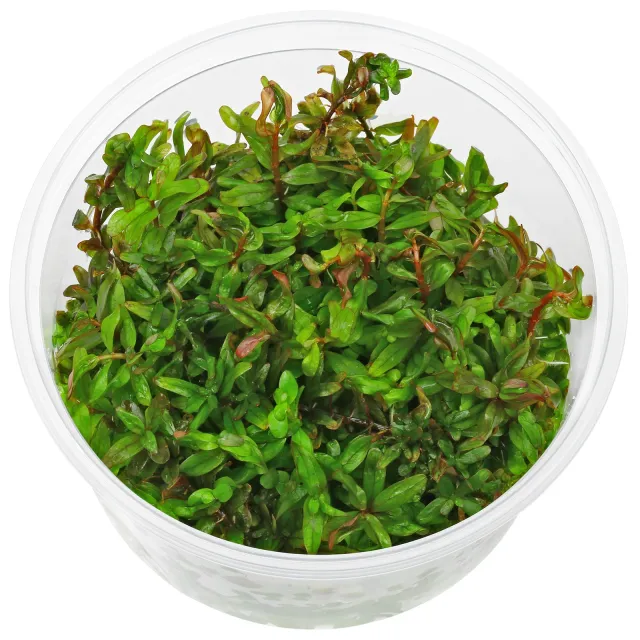
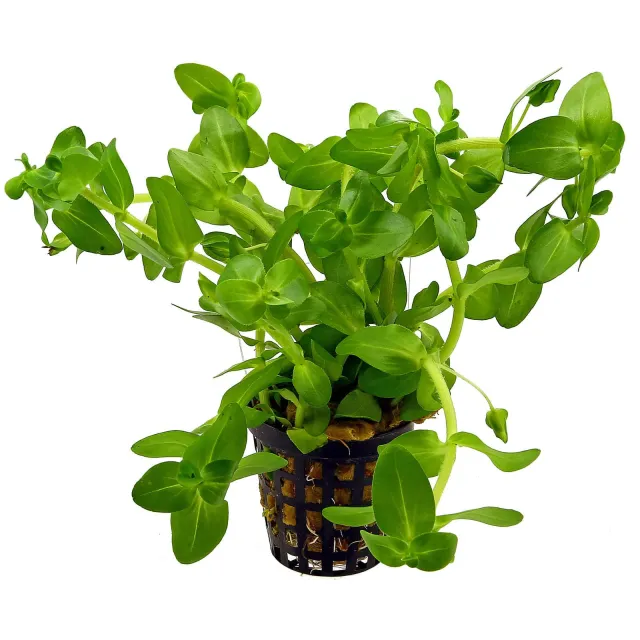
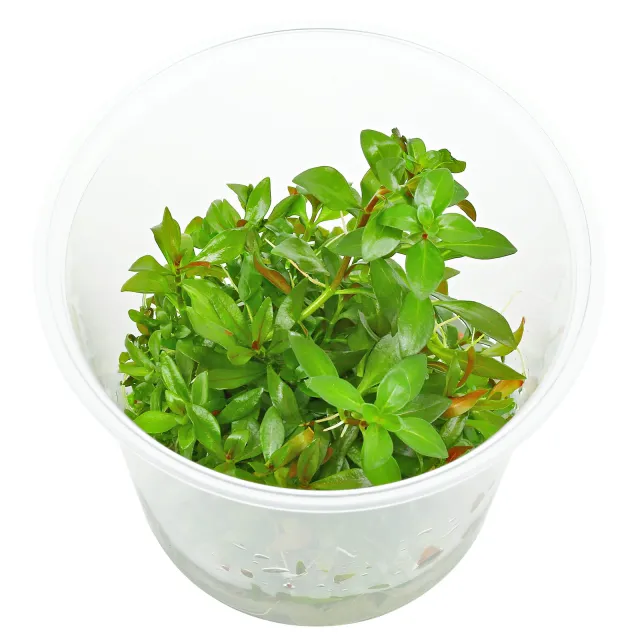
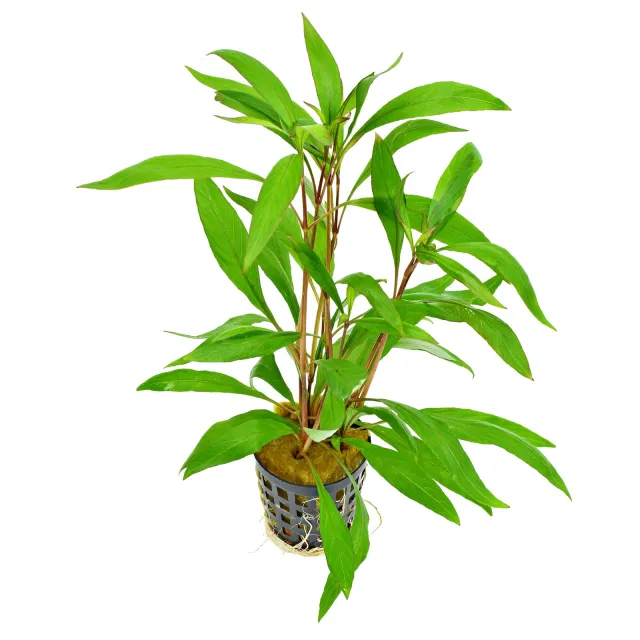
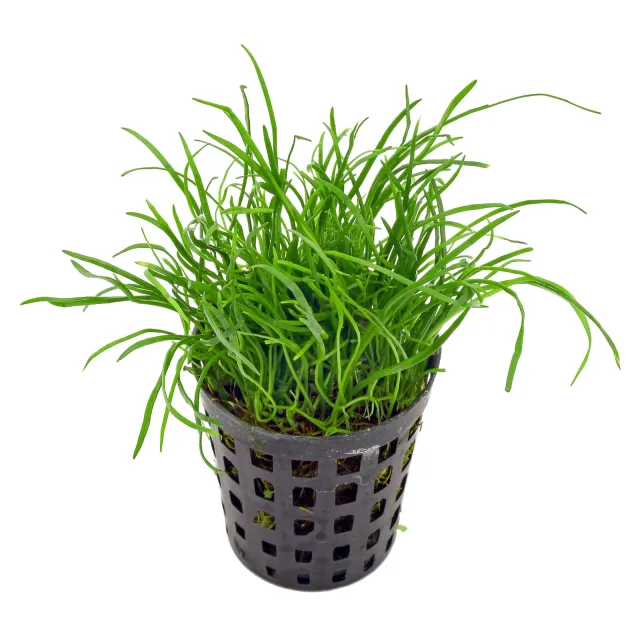
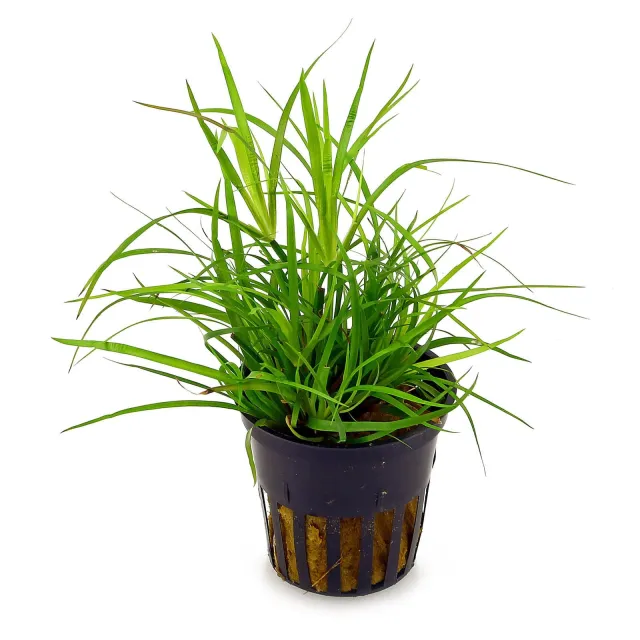
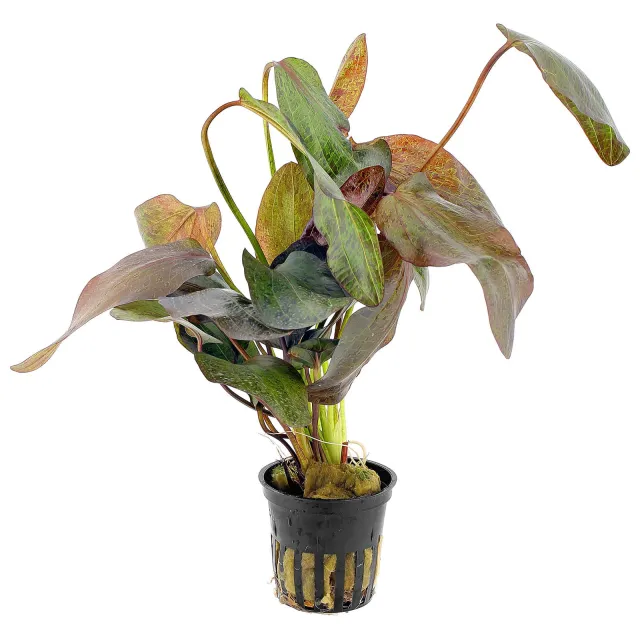
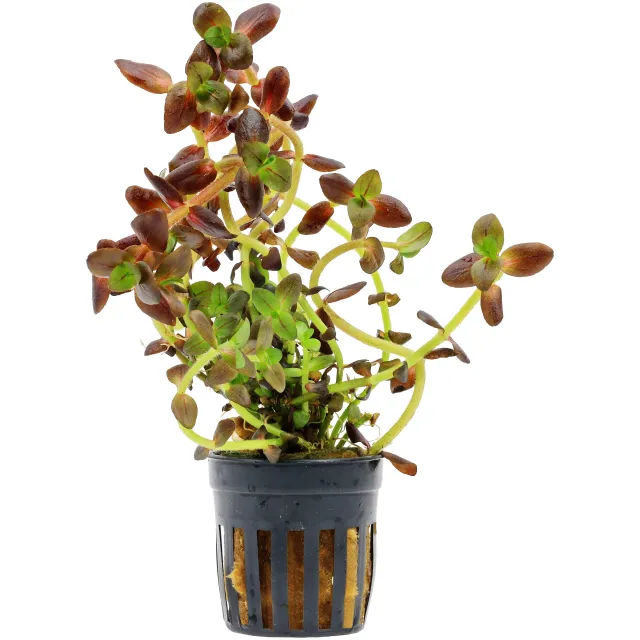
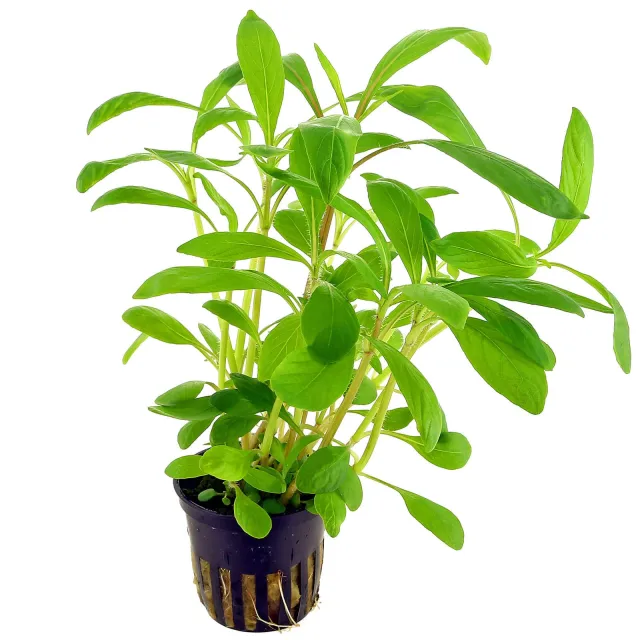
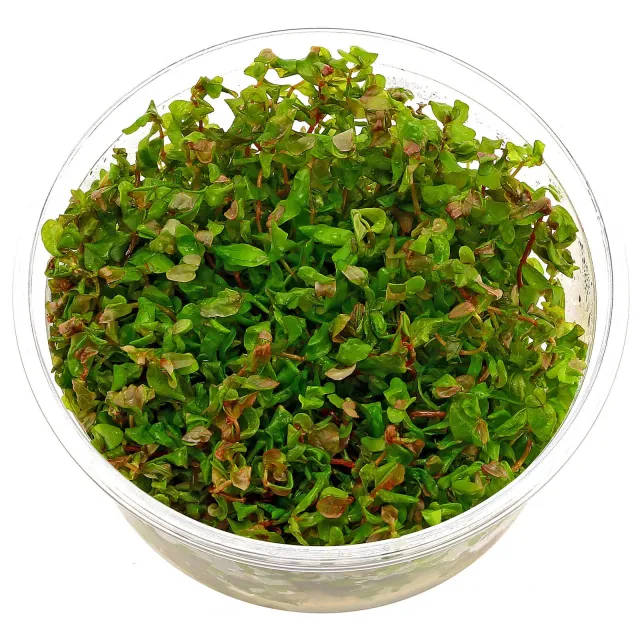
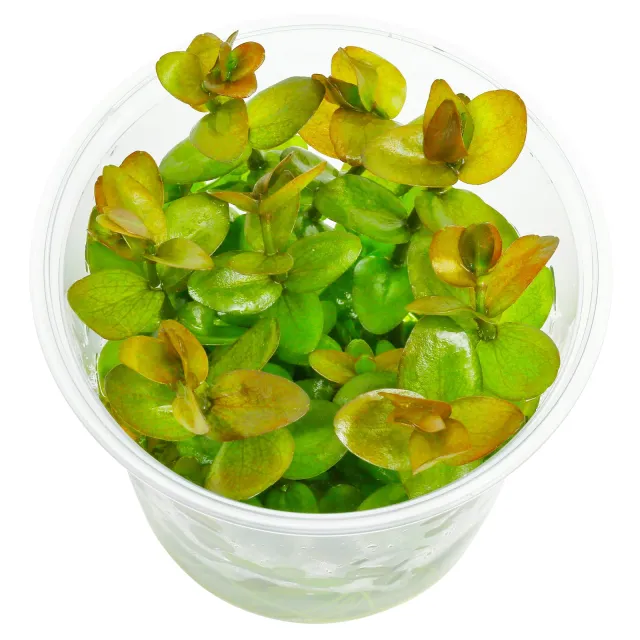
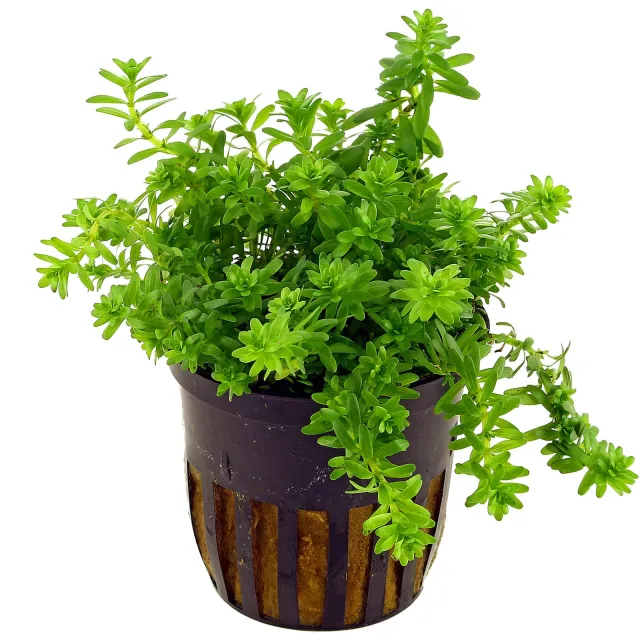
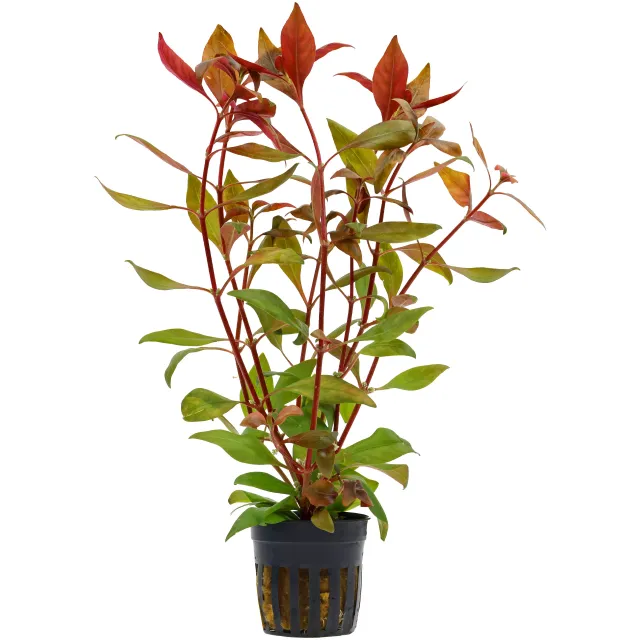
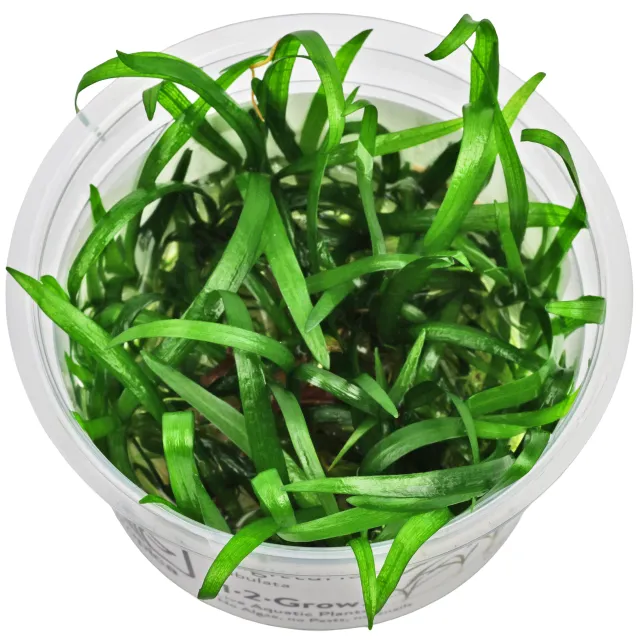
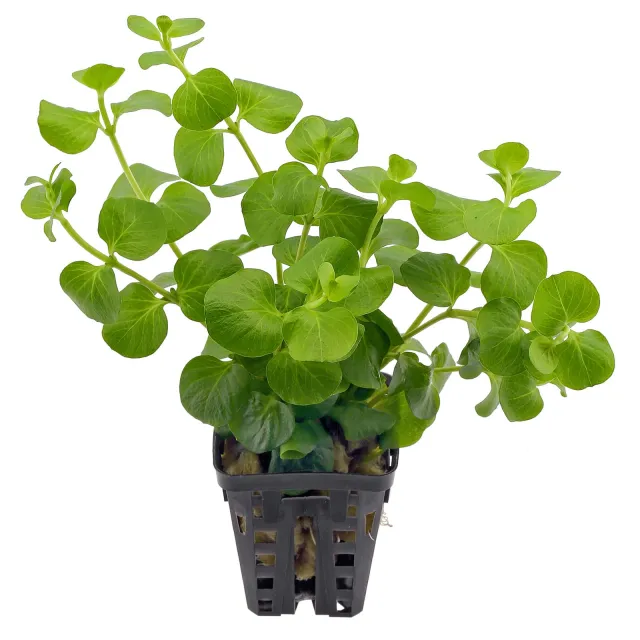
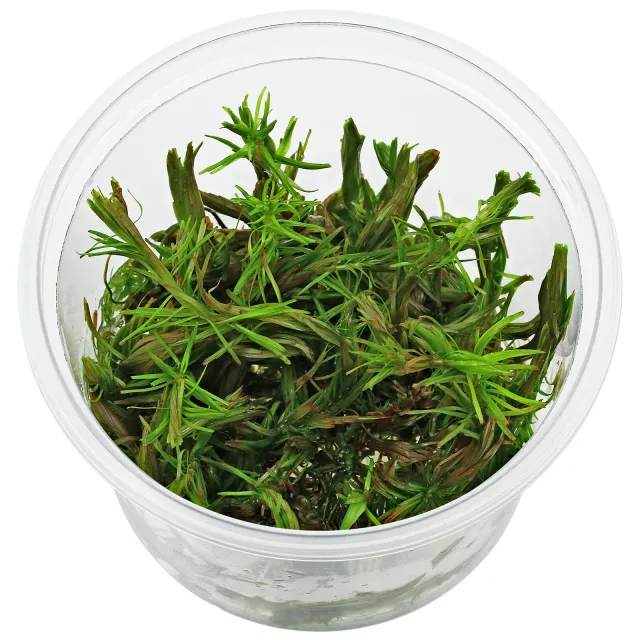
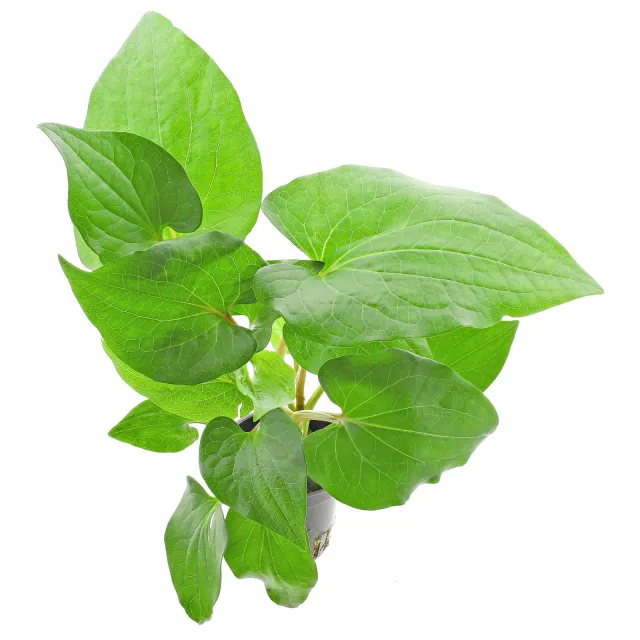
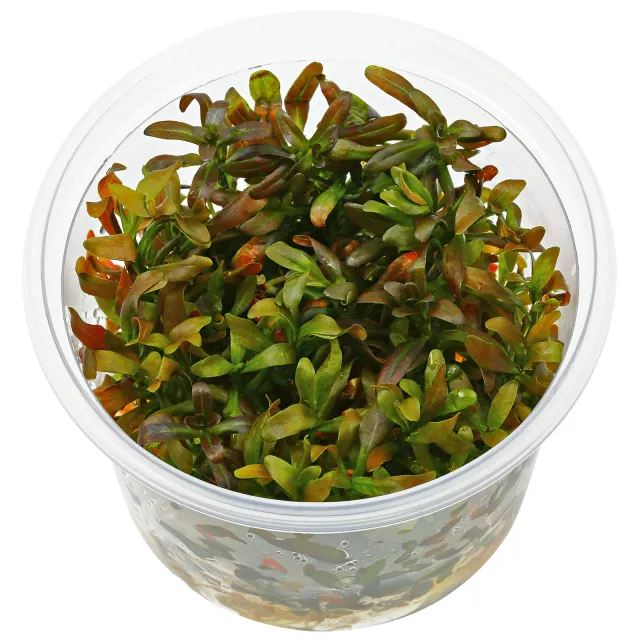
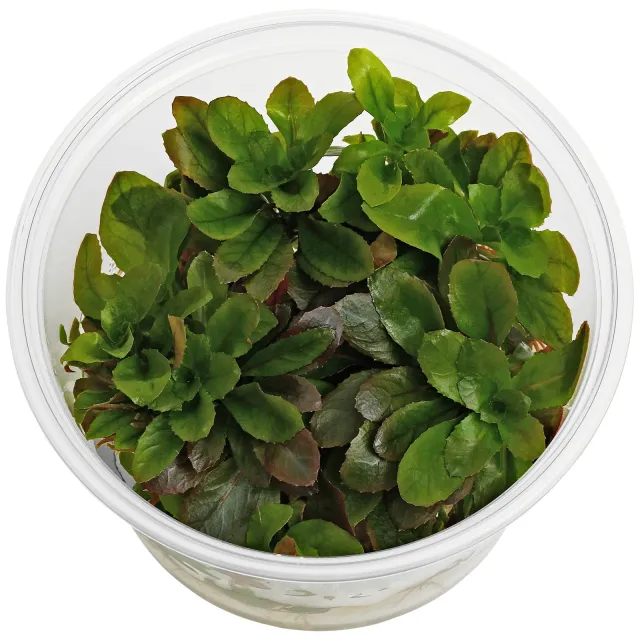
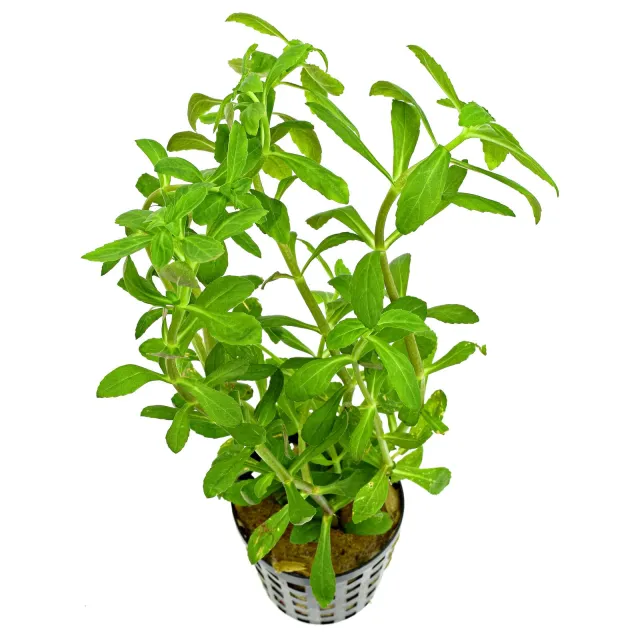
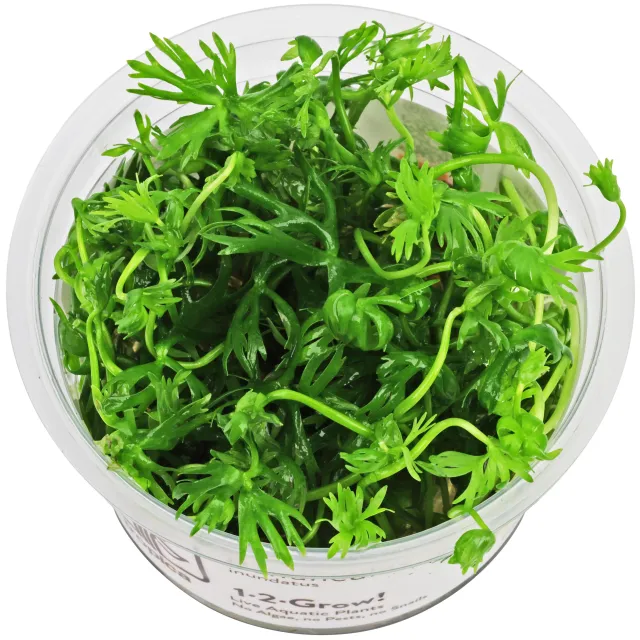
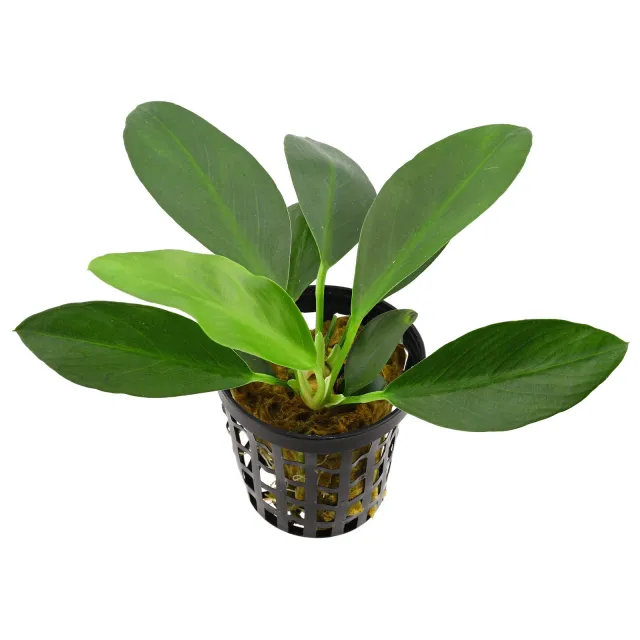
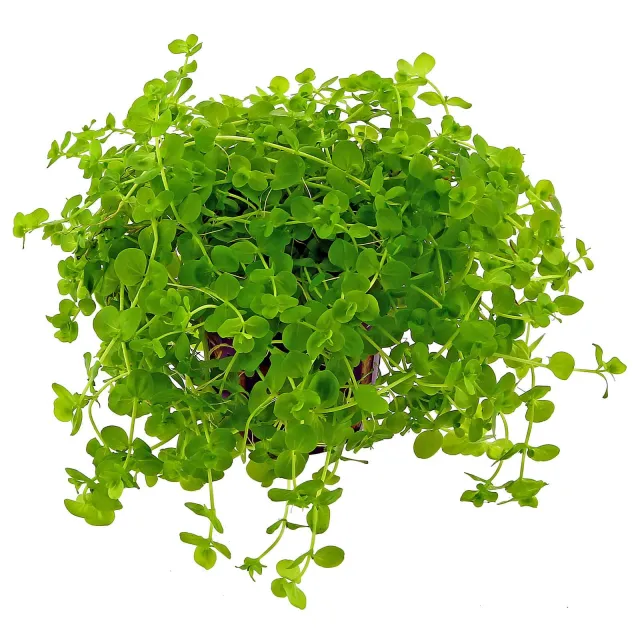
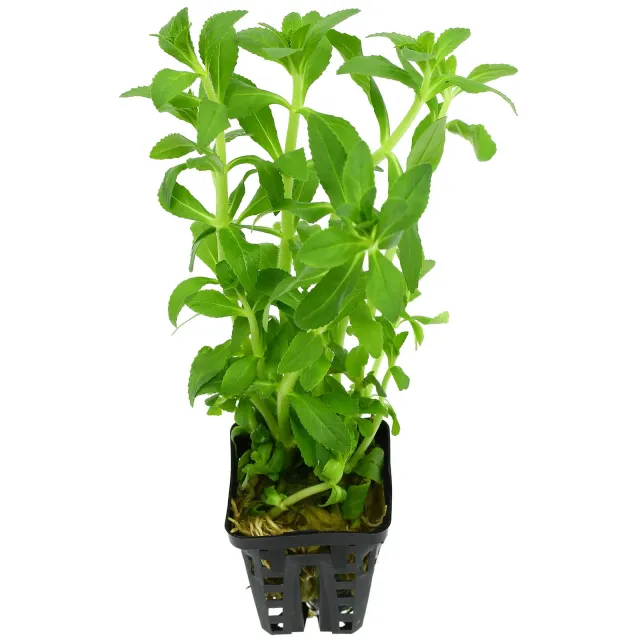
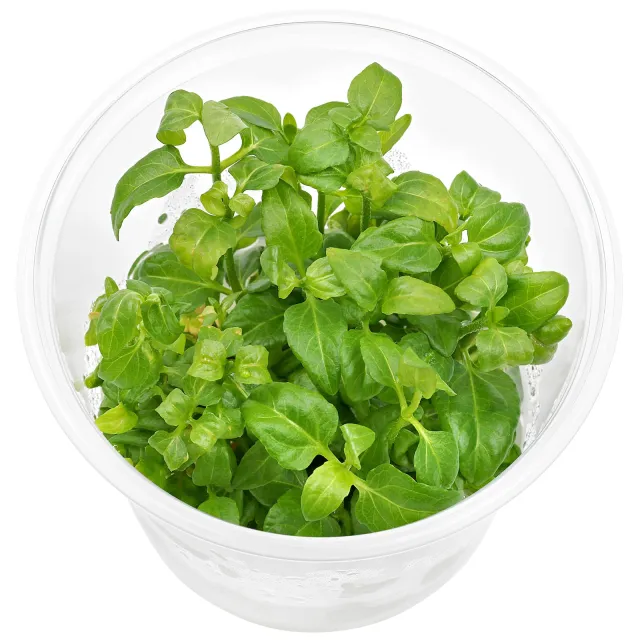
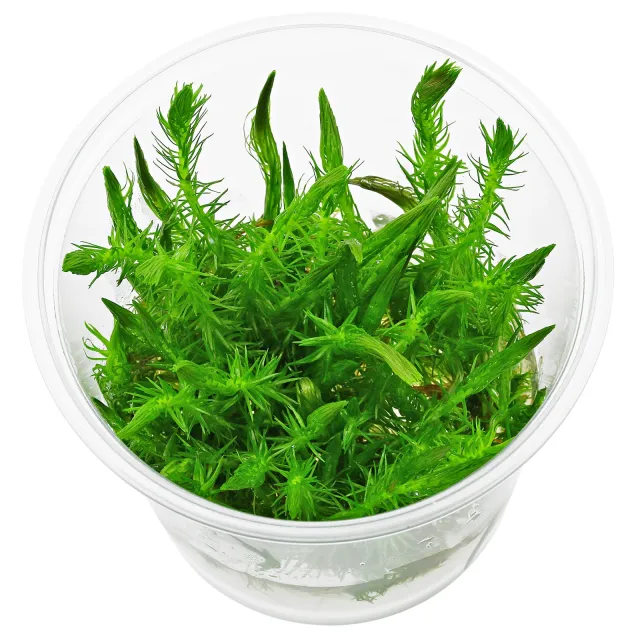
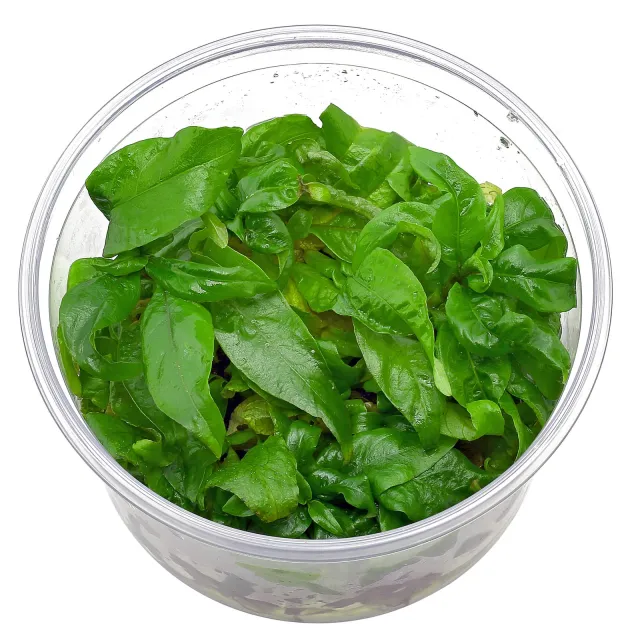
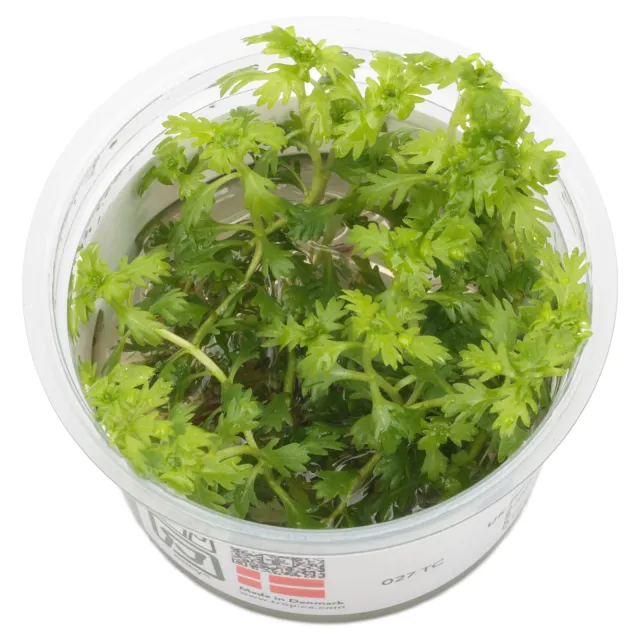
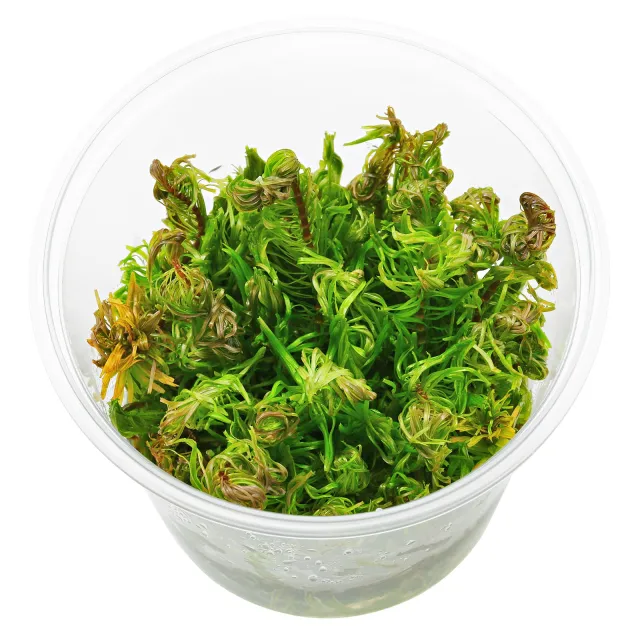
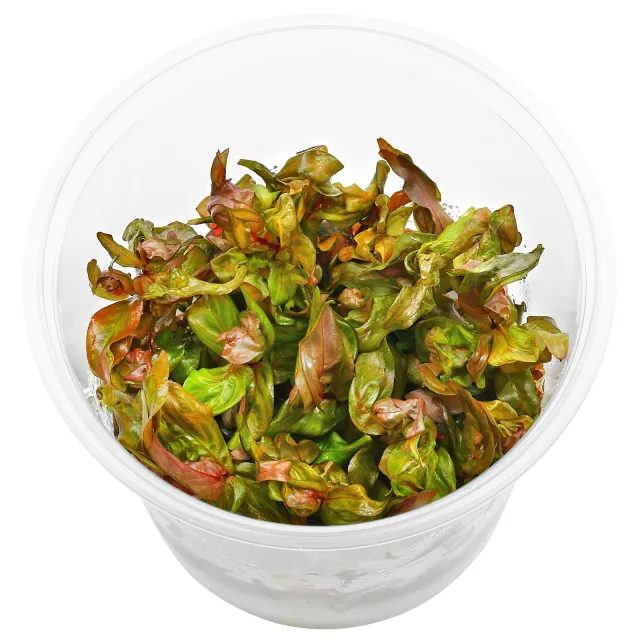
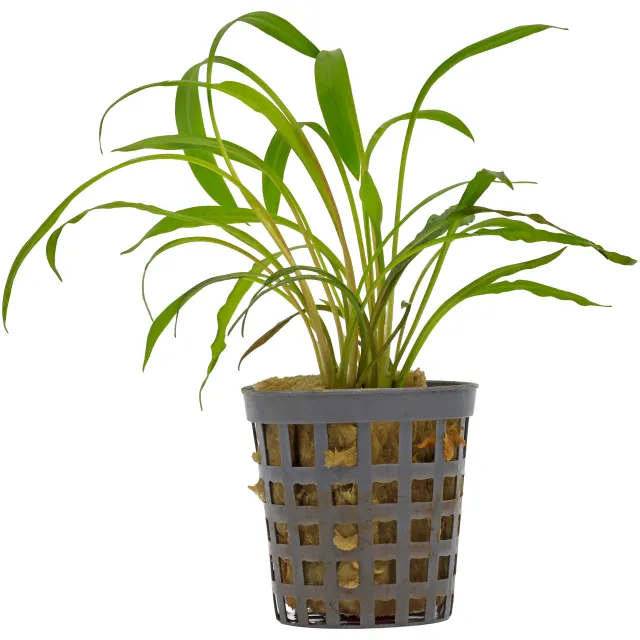
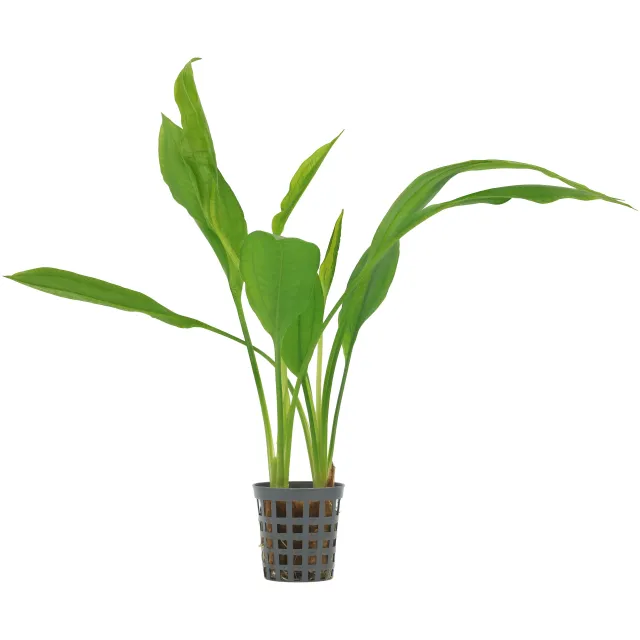
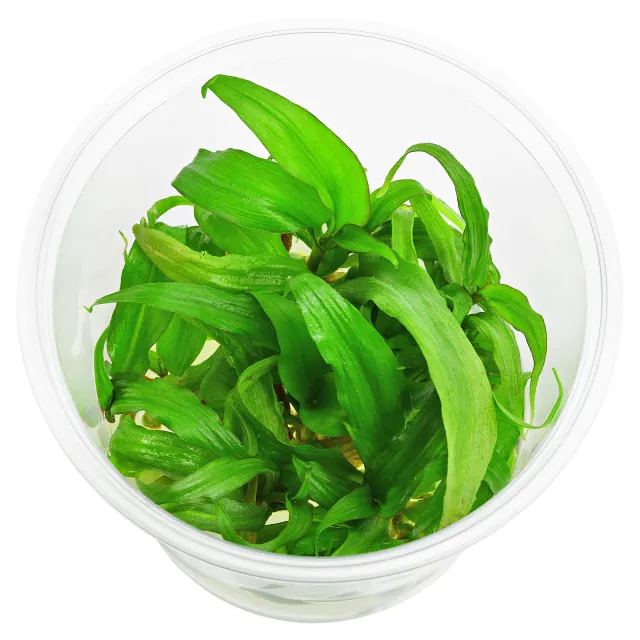
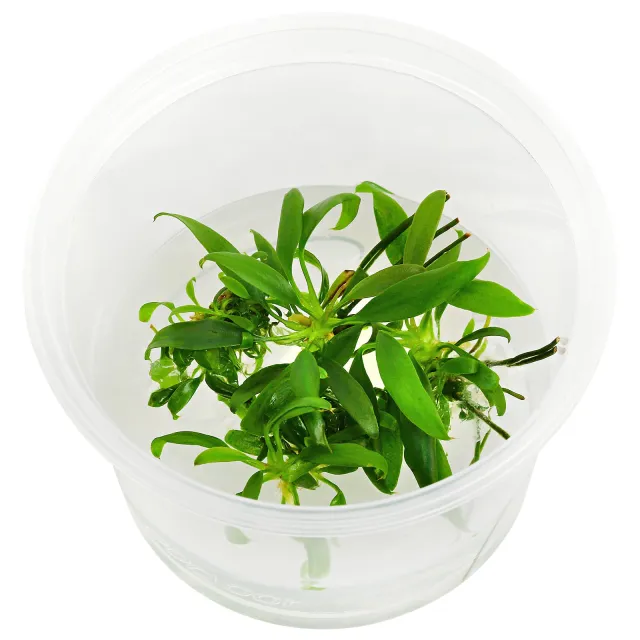
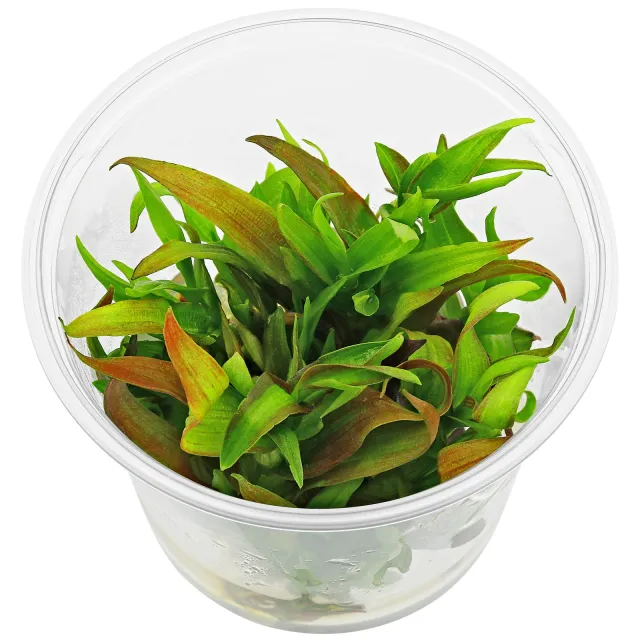
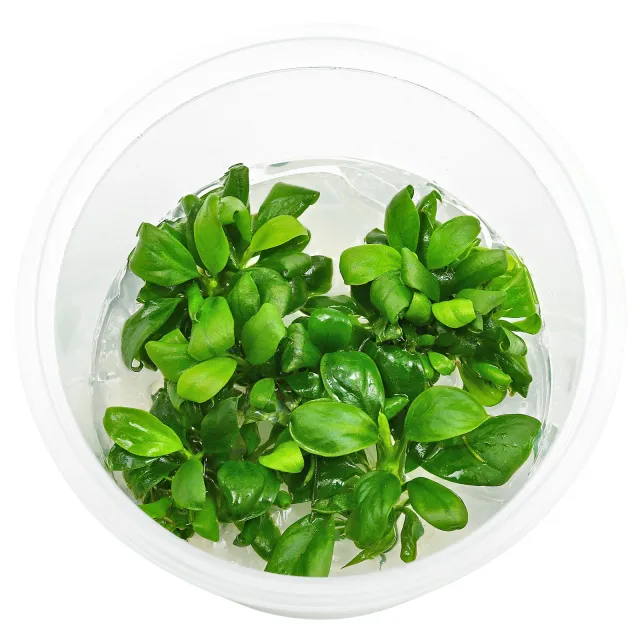
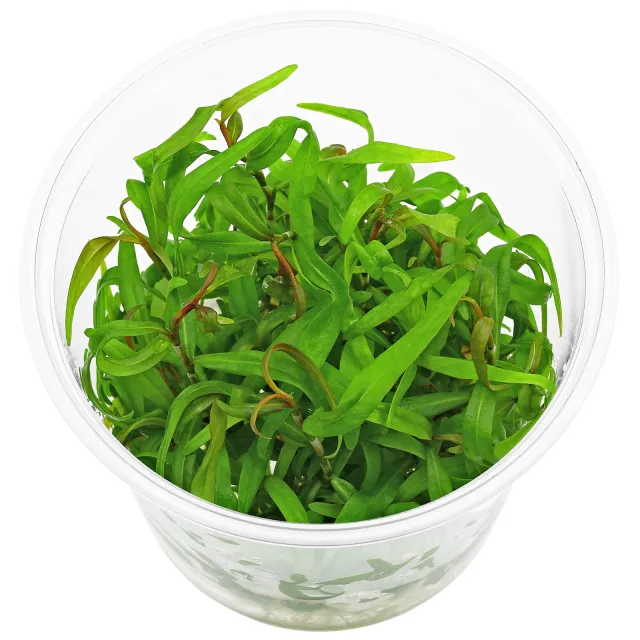
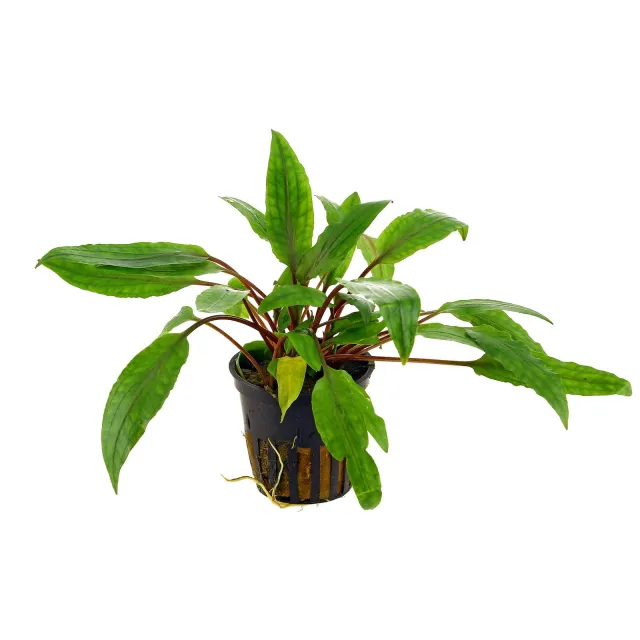


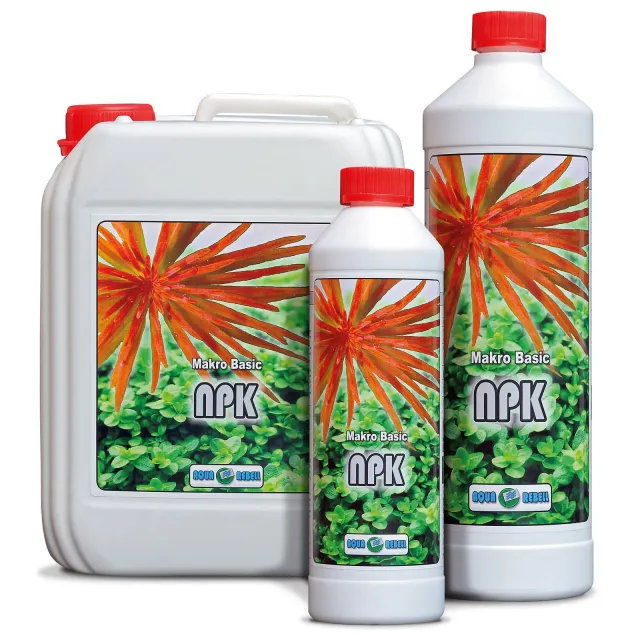
In a strongly lit well-planted tank or in aquariums with few fish a lack of macronutrients may occur, which in turn can lead to poor plant growth. Makro Basic NPK adds the most important macronutrients of nitrogen, phosphate and potassium to the tank. The plants can once again access plentiful...
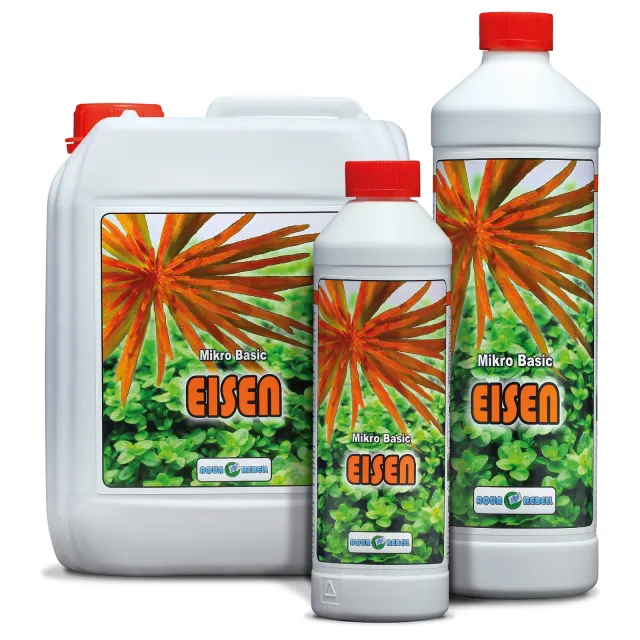
Mikro Basic Eisen supplies your aquarium with the most important micronutrients: iron, manganese, copper, zinc, boron and molybdenum. This fertilizer is also rich in potassium and magnesium. Multiply stabilized, the nutrients remain available to your plants for a long time.

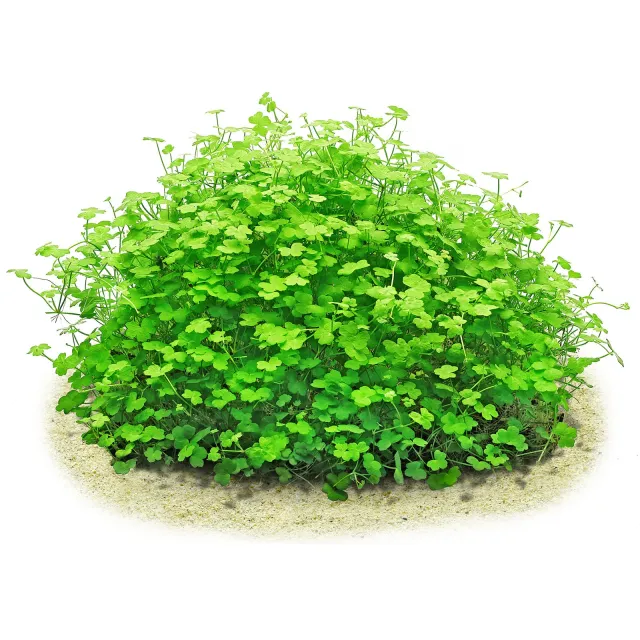
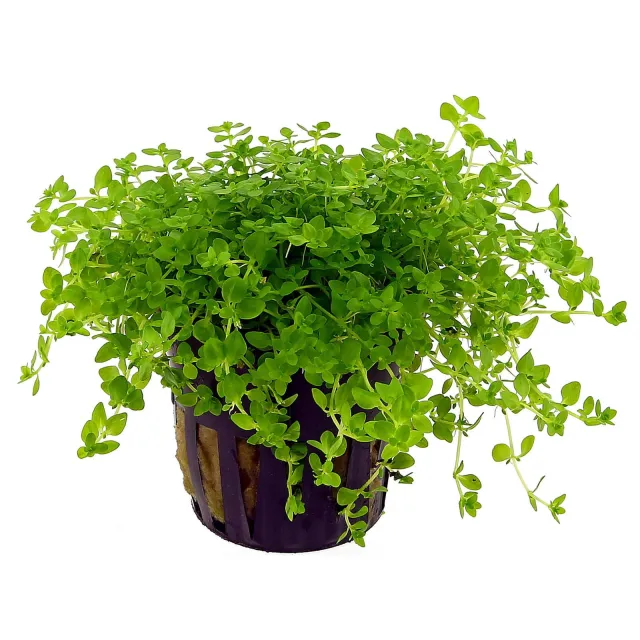
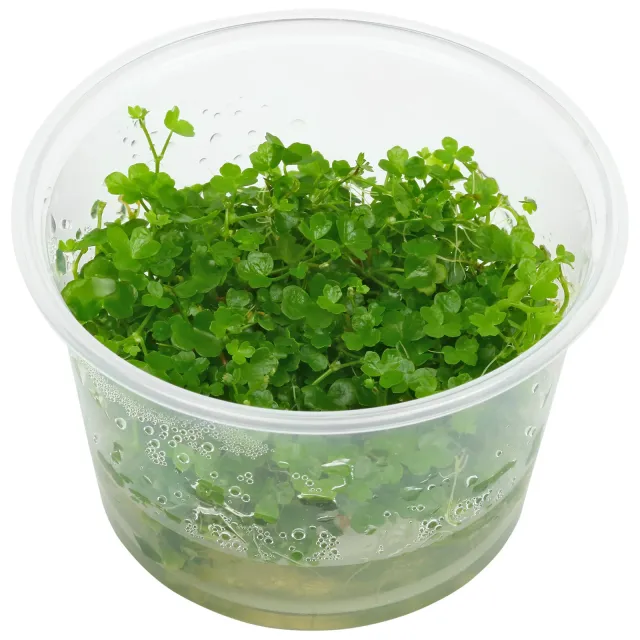
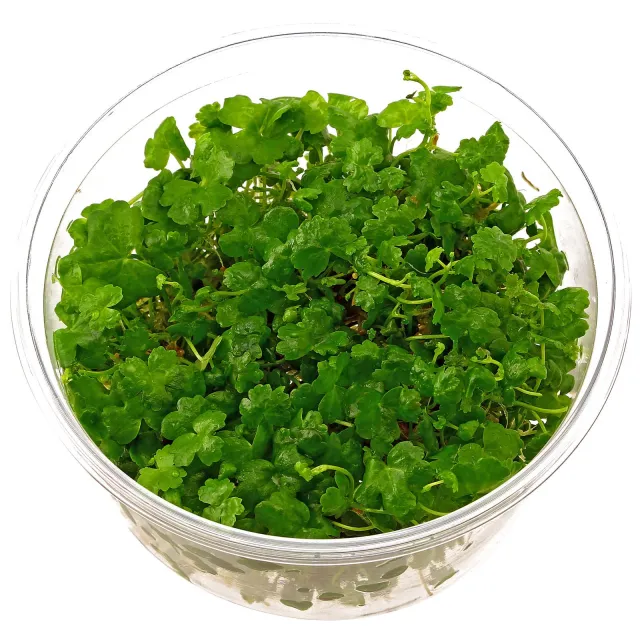
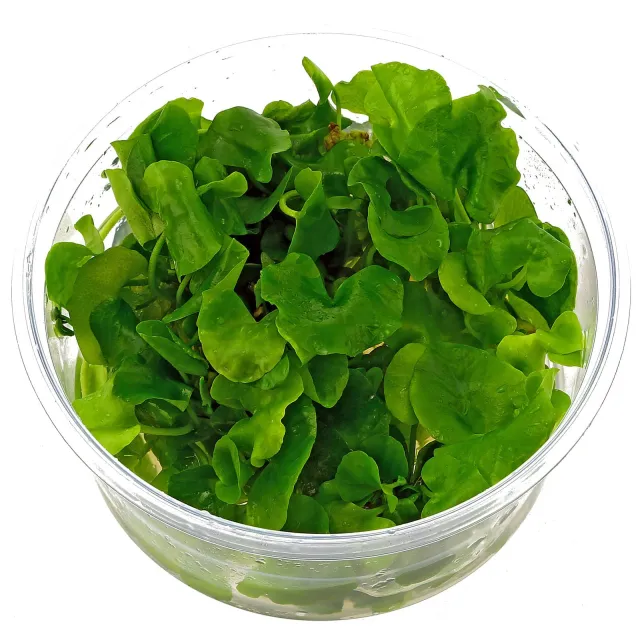
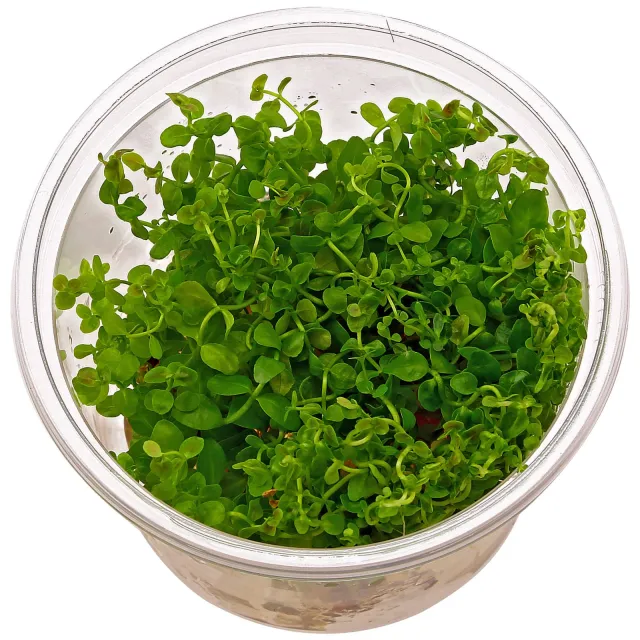
This remarkable pennywort from Australia was previously unknown in Europe. Its leaves are about half the size of normal Hydrocotyle tripartita. As well as normal H. tripartita, "Mini" grows best with rather strong lighting and good CO2 and nutrient supply. As a smaller leaved pendant to...
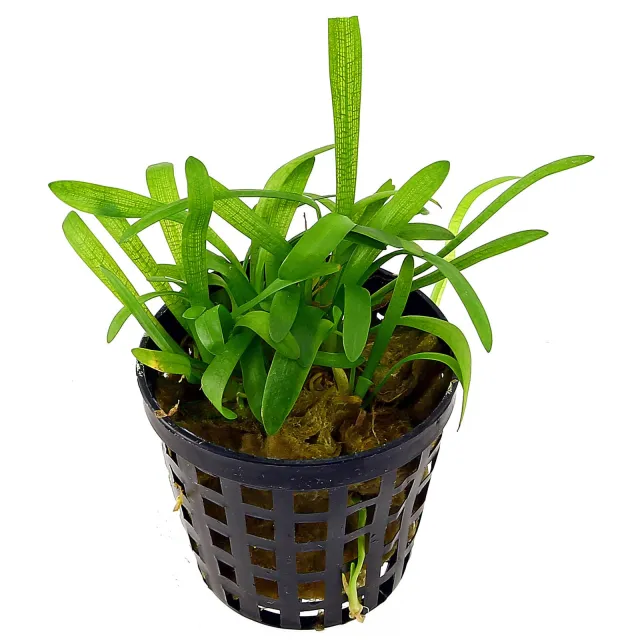
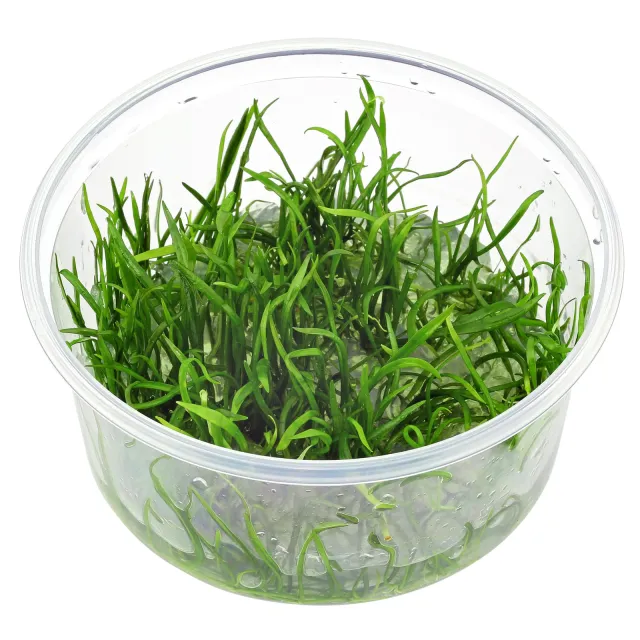
The Narrow-leaved arrowhead is an undemanding grass-like plant for the middle- and background that soon forms dense groups thanks to its underground runners. It may be a bit unpredictable, as it may form a quite short lawn with lots of light and limited nutrient supply, however it develops 30 cm...
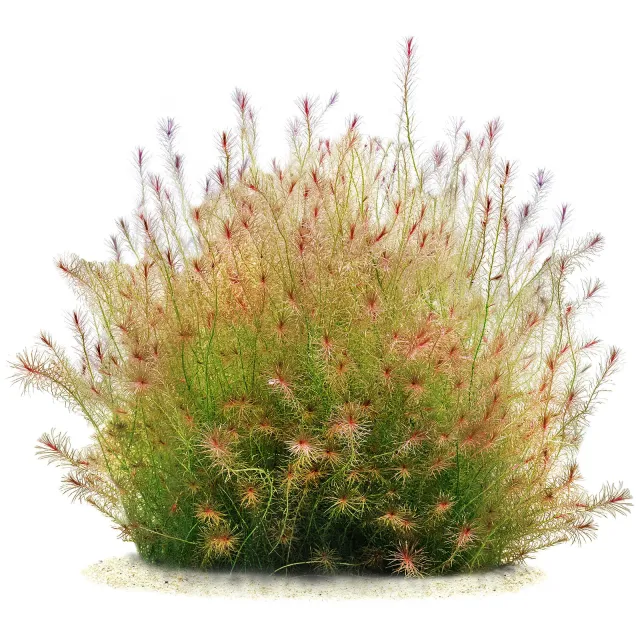
"Santarem Red" is a particularly pretty Mayaca that has not yet been determined to species. The trade name probably refers to Santarém in the Brazilian state of Pará. This graceful, interestingly coloured stem plant probably first came onto the market in Japan. Until now it has been a rarity in...
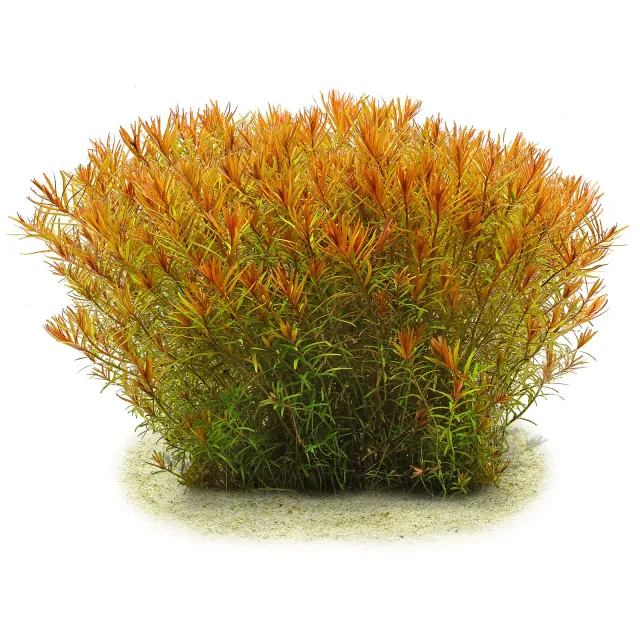
Rotala rotundifolia "H'Ra" or "Gia Lai" is also known as Rotala sp. "Gia Lai" / "H'Ra". Not long ago, it was introduced from Vietnam; its trading name refers to its finding place, H'Ra in the province of Gia Lai in central Vietnam. Rotala rotundifolia "H'Ra" / "Gia Lai" has narrow leaves and...
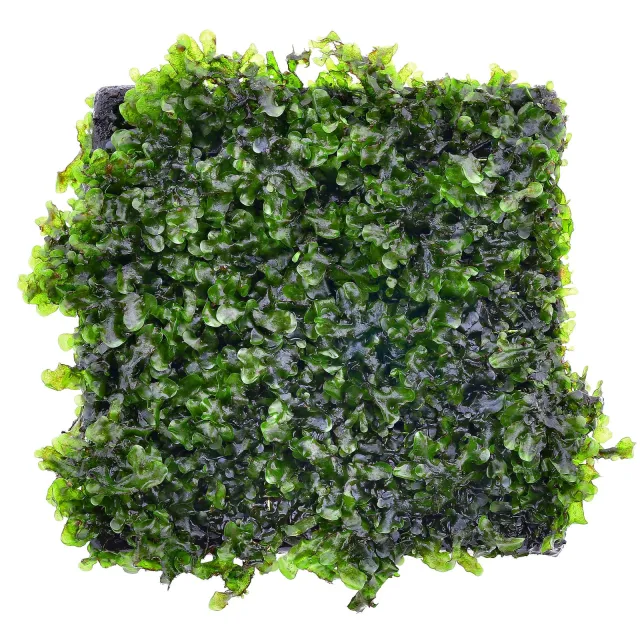
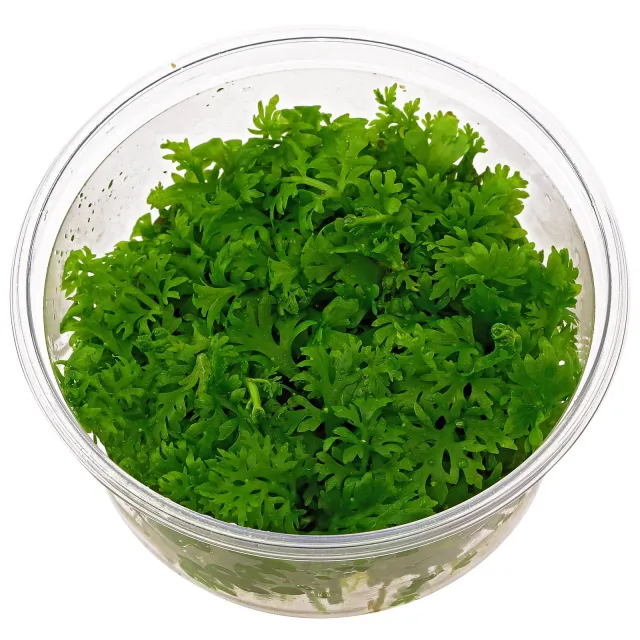
This curiosity became known in the last years as "Loxogramme sp., Wave moss". It resembles a liverwort and has turned out as a gametophyte (prothallium) of the Java Fern, Microsorum pteropus. It is also similar to the "Suesswassertang" or "Round Pellia" (prothallium of Lomariopsis) but has...
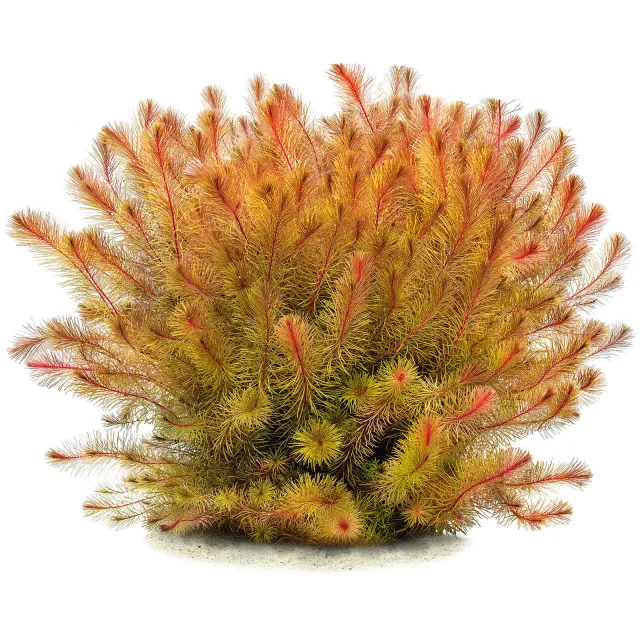
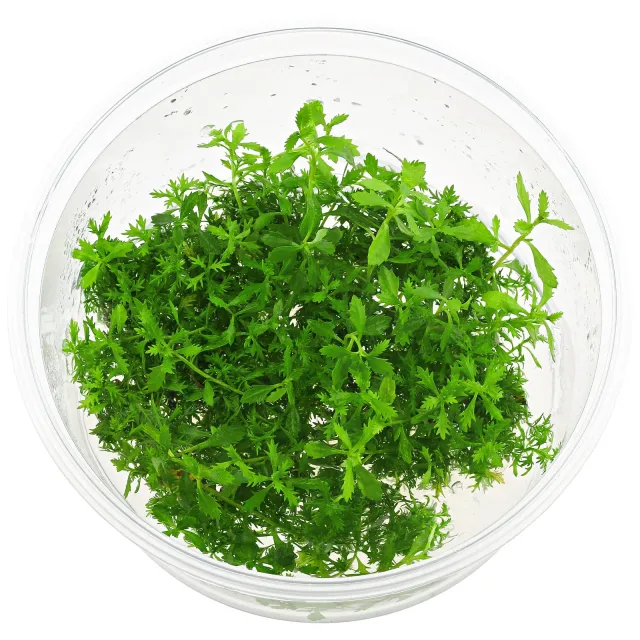
Rotala sp. "Cambodia" is a magnificent fine-leaved stem plant that is still relatively rare and little known. The trade name suggests that it was introduced from Cambodia. In the meantime it has been identified as a form of Rotala wallichii, but we will keep the name R. sp. "Cambodia" for the...
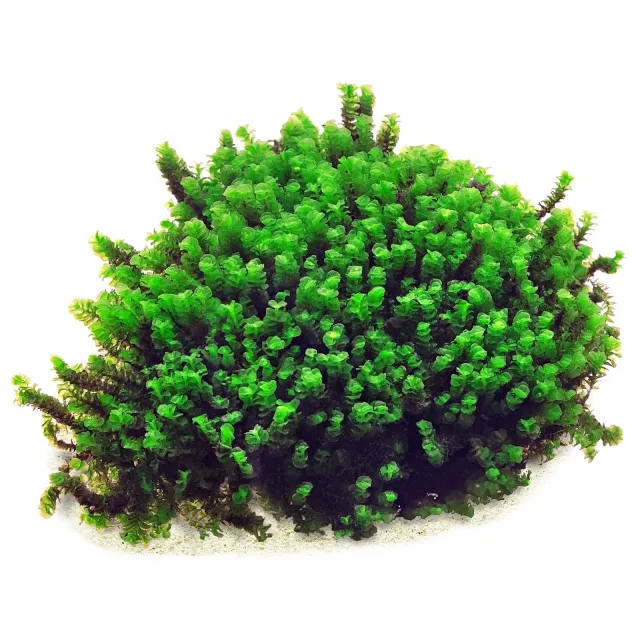
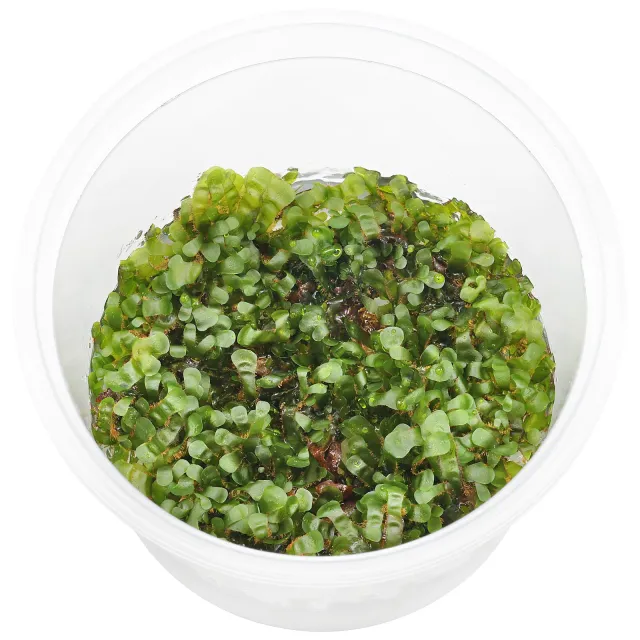
A foliose liverwort found in the same place as Bucephalandra motleyana "Gunung Sumpit" on the island of Borneo. We think it may belong to the species Solenostoma tetragonum (synonym: Jungermannia tetragona), a liverwort largely distributed in the Asian tropics that is found in moist places. The...
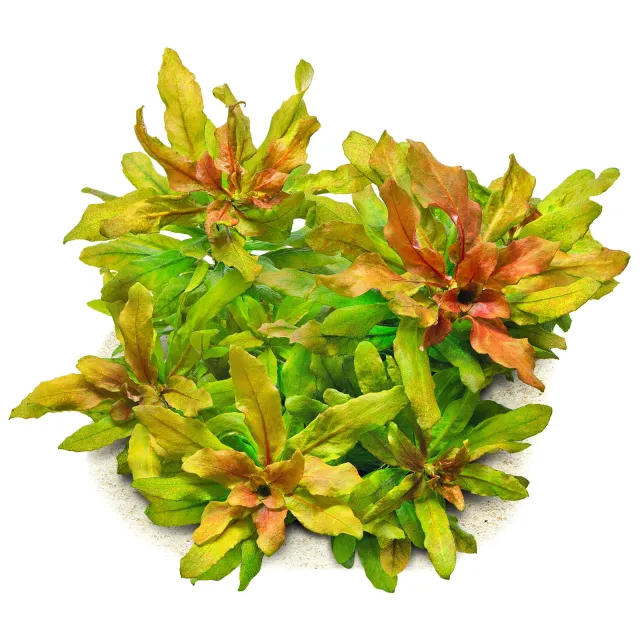
This is an uncommon Ludwigia, not long known in the aquarium hobby. Ludwigia sphaerocarpa, the Roundfruit Primrose Willow, is one of the many Ludwigia species native to the wetlands of southwestern North America. This species is actually long known to science, however only some years ago...


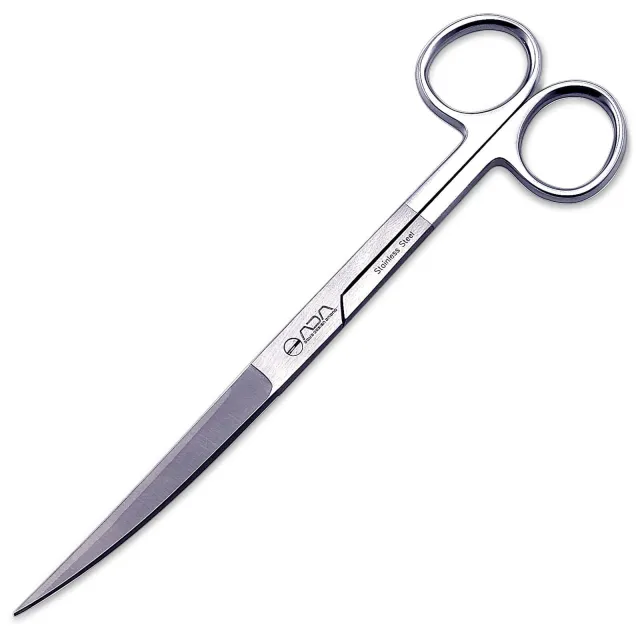
This is a pair of short scissors designed for the plant pre-cut before planting, and pruning of the plants near the water surface. Please select the blade type, Straight or Curve, according to your needs. Straight type is good for cutting thick stem and Curve type is good for trimming with low...
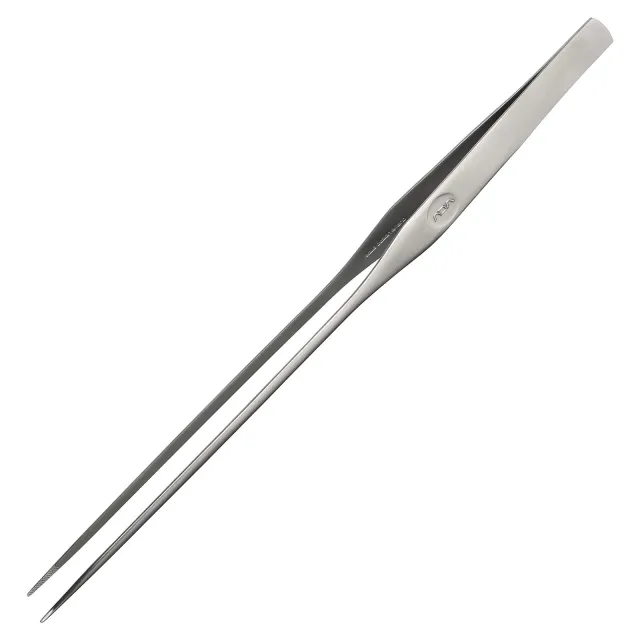
They are the pinsettes for professional edition that focus on the spring strength, accuracy of tip part, and easy-to-handle length. Pinsettes are must-have item to make an elaborate layout. They are in designed in the most suitable shape for Nature Aquarium to plant around stone, driftwood or...
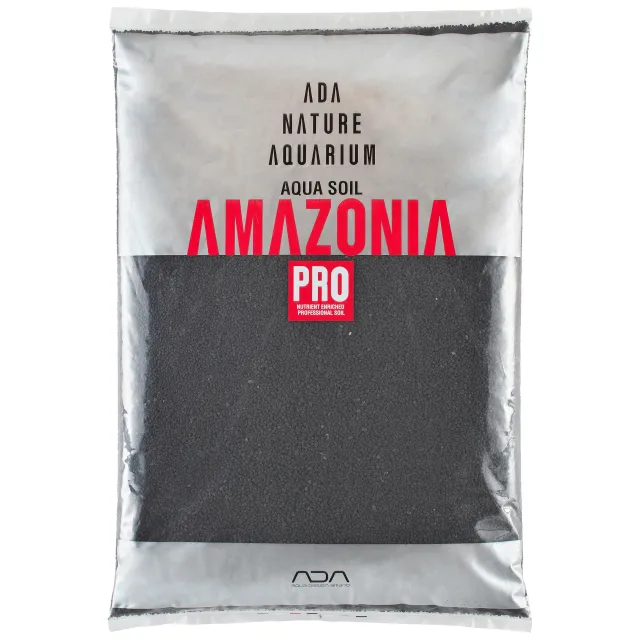



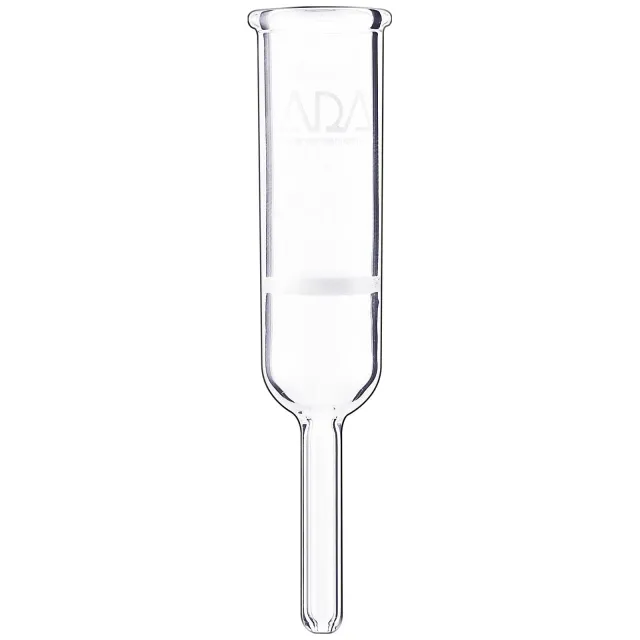
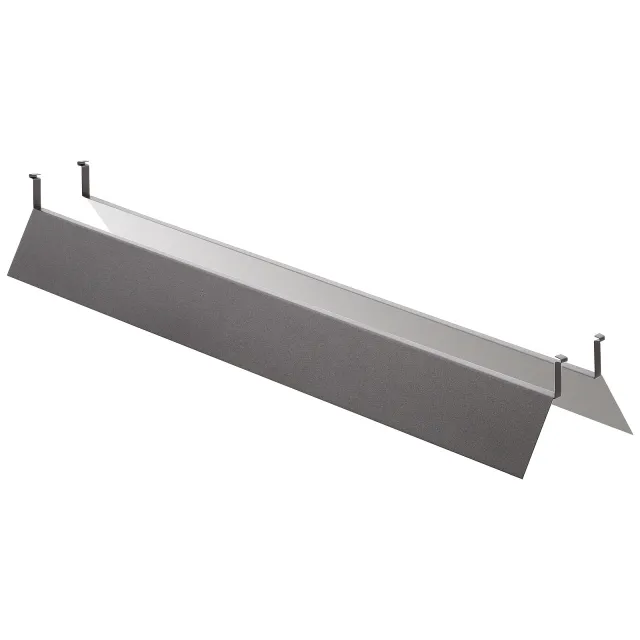
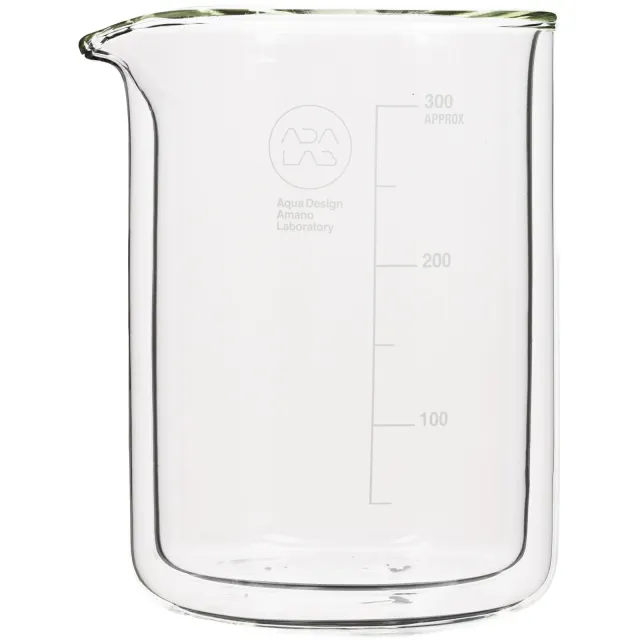
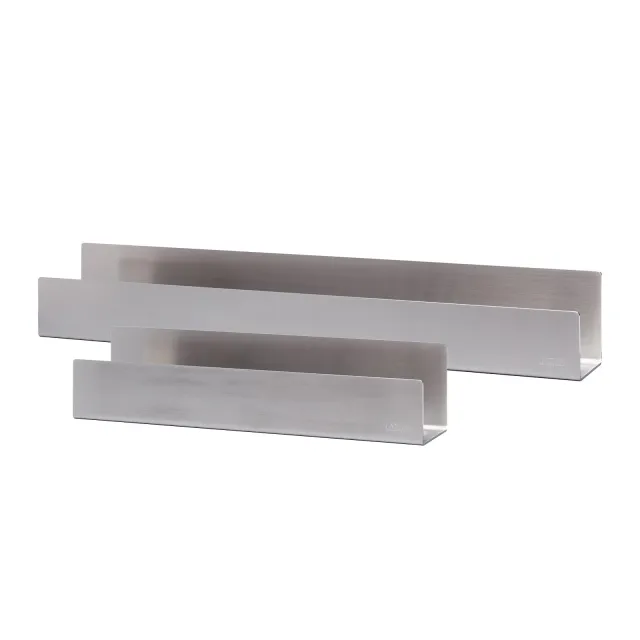


Japanese stone gardens in the aquarium - impressive stone formations in aquascaping.

We'll show you the best way to handle driftwood and aquarium roots.



Wabi-Kusa Mist by DOOA is a liquid fertilizer for aquatic plants that above the water surface for example on the Wabi-Kusa Wall 60. The fertilizer contains important nutrients, has a repellent effect on pests and enhances the colour of the leaves of the Wabi-Kusa plants. Features...

The DOOA Water Softener is a container in which tap water can be treated to obtain very soft water. The softening works via an included cation exchange resin (Paluda Clean PC). The resulting water is ideal to pour into the Glass Pot SHIZUKU or to spray the plants in small paludariums. Thanks to...
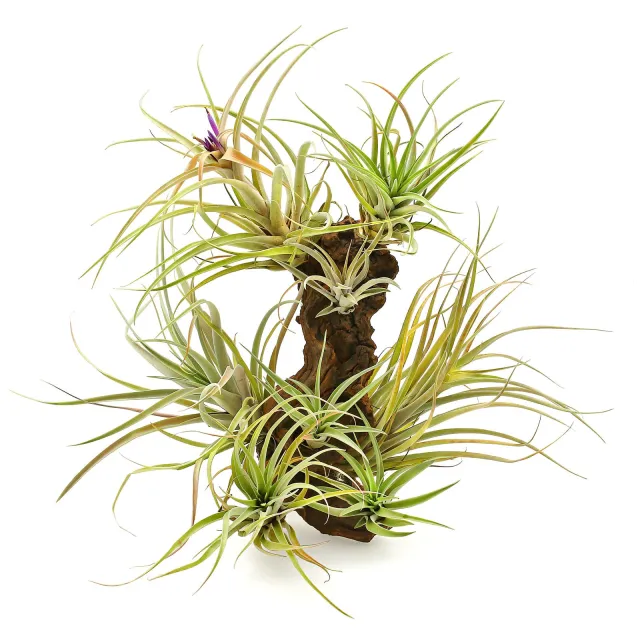
Tillandsia capitata "Peach" is a very colourful selection of Tillandsia capitata, a species that can be found in Mexico, Guatemala and Honduras, but also in Cuba and Hispaniola. It is often found there as an epiphyte on trees and other woody plants. In the flowering season (June - August) it...
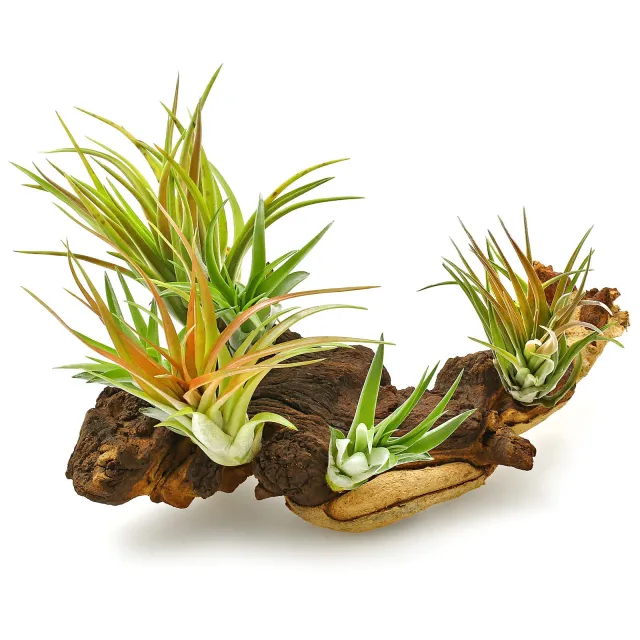
Tillandsia brachycaulos "abdida" is apparently a form of T. brachycaulos that was once traded as Tillandsia abdita, but this name denotes another species from Costa Rica. Tillandsia brachycaulos is a wonderful species native to the humid tropics from Mexico to Panama as well as Venezuela, growing...


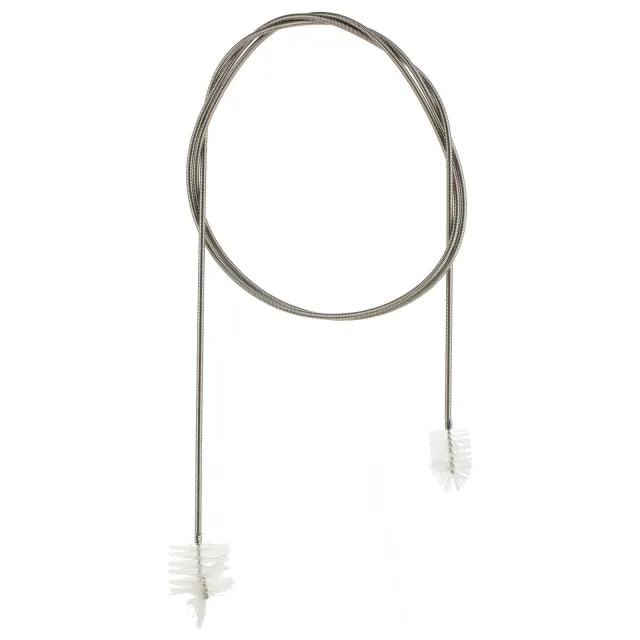
The Tube Brush Twin by Chihiros can be used for an effortless and thorough purification of the aquarium tubing. Dimensions Tube brush - Twin - 155 cm Length 155 cm Fits hose 12/16 mm and 16/22 mm
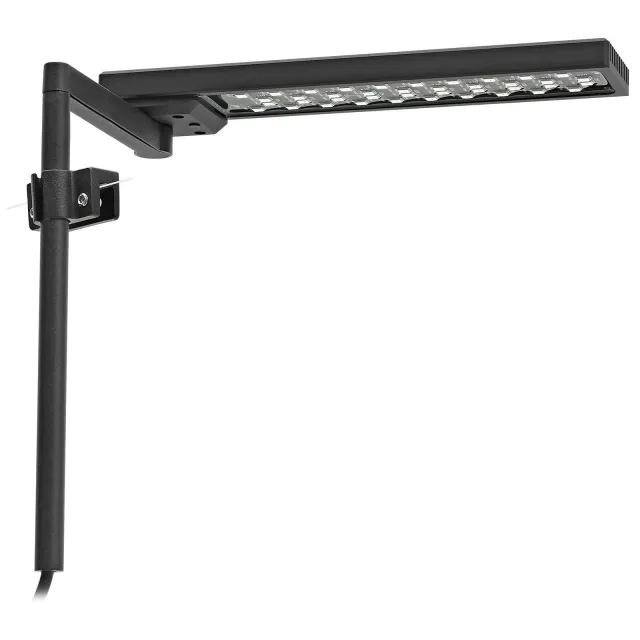
The Chihiros LED System CII RGB is an innovative nano LED light in a very attractive design. With its programmable RGB LEDs, the metal housing and its integrated cooling ribs, the CII provides another high-grade variation of the CII series. This lamp is especially suitable for the illumination of...


We'll show you how to banish algae from your aquarium!

Suddenly strange guests in your aquarium? We'll show you what kind of critters they might be.


Welcome at Aquasabi!
Aquascaping is your passion - and we share it! We are founding members of the aquascaping scene in Germany, run the Internet forum Flowgrow and manufacture the Aqua Rebell products, and we know exactly how to make an aquascaper's heart beat faster. Before an article is integrated into our product range it has to pass many tests. We have tried out almost all the articles in our store in person. If something does not convince us, we do not sell it.
Besides the largest range of glassware and CO2 dispensing equipment for aquascaped tanks in Europe we offer a lot of rarities exclusively available in our web shop.


We're the perfect place to shop for your aquarium
The world of aquaristics is a relaxing one and offers you many different possibilities. Are you interested in aquascaping and aquatic plants? Or are bustling shrimp in nano tanks right up your alley? No matter if aquascape, breeding tank, planted aquarium or just the classic community aquarium with fish and shrimp, you'll surely find all you need to set up your project with the proper equipment and plants in our online shop. You can purchase aquaristics accessories from the comfort of your home and your wares will be delivered to your doorstep in a short time.
Aquascaping
The term aquascaping means the artful setup of aquariums, in which landscape sceneries are designed underwater. Various, natural materials are used. Of course, aquarium plants are very crucial for this, but also typical decorative materials, which are called hardscape. These include above all stones and driftwood. An ample choice of popular stones like Mini Landscape, Dragon Stone and ADA Manten Stones as well as driftwood like Moorwood, Talawa, Dark Iron Driftwood and red Moorwood are available in our webshop. Where we sell stones by the kilo, all driftwoods are offered as individual, unique pieces.
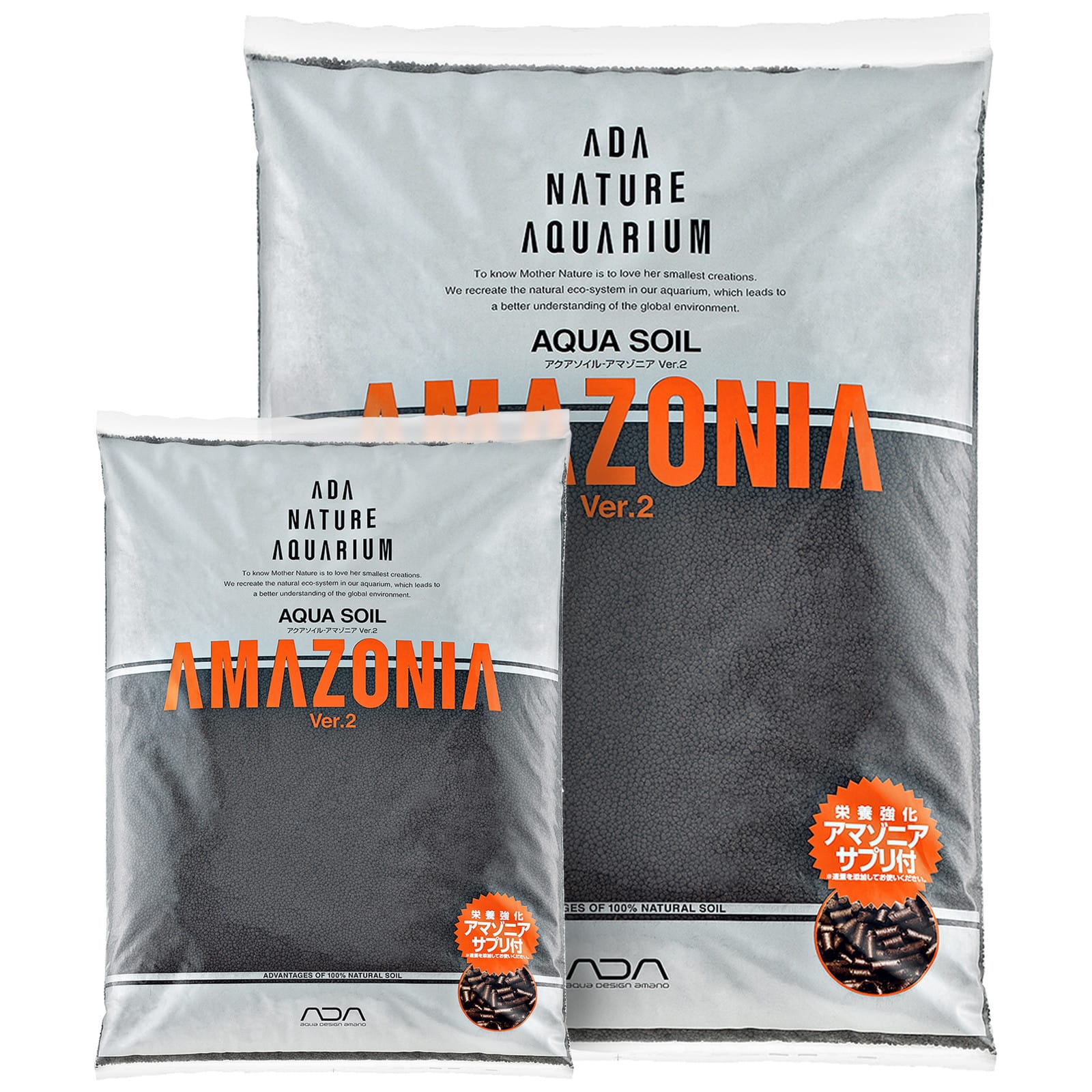
We offer a large selection of popular aquascaping soils. These are active substrates, influencing the water values in a way as to create optimal environments especially for softwater-loving fish and plants. We offer first-class products from well-known manufacturers such as ADA, Cal Aqua Labs or GlasGarten. But decorative sand and gravel are popular in aquascaping, too.
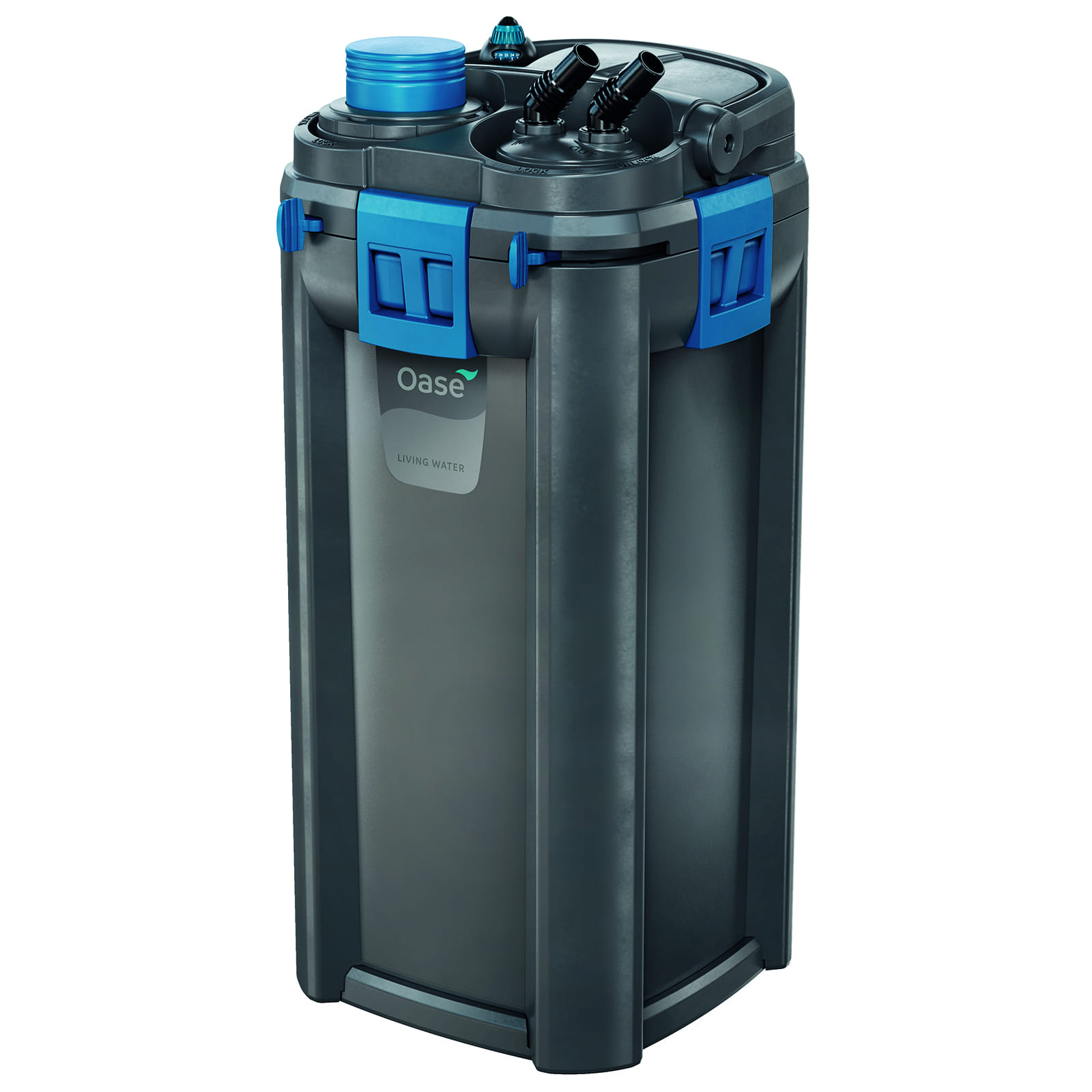
Where purely technical components are concerned, the Aquasabi shop also offers everything to make an aquascaper's heart beat faster. We offer aquarium tanks in various sizes, as complete sets, individual tank made of float- or white glass. Aquarium equipment like the proper filtration using different filter types as external-, internal- and hang-on filters, as well as the appropriate lighting are crucial to the realization of your aquascaping project. Where lighting is concerned, we put emphasis on LED technology. Sufficiently strong lighting is vital to the vibrant growth and intense coloration of your aquatic plants.
Creative- as well as maintenance- and care work calls for the use of appropriate tools. The so-called aquascaping tools mostly consist of various plant scissors, which are available in various lengths and designs (straight or curved). The special models "Wave Scissors" and "Spring Scissors" are especially suitable for the trimming of ground covering plants in an aquascape. Tweezers are a popular tool in aquaristics to properly set aquatic plants. With such a tool, the aquascaper has it much easier than e.g. setting all plants with his bare hands. But also sand flatteners and razors (scrapers) are useful tools in aquarium maintenance.
CO2
Carbon is one of the most essential nutrients for aquatic plants. Usually this element is consumed by the plants in the shape of CO2. Even though this gas is also produced by
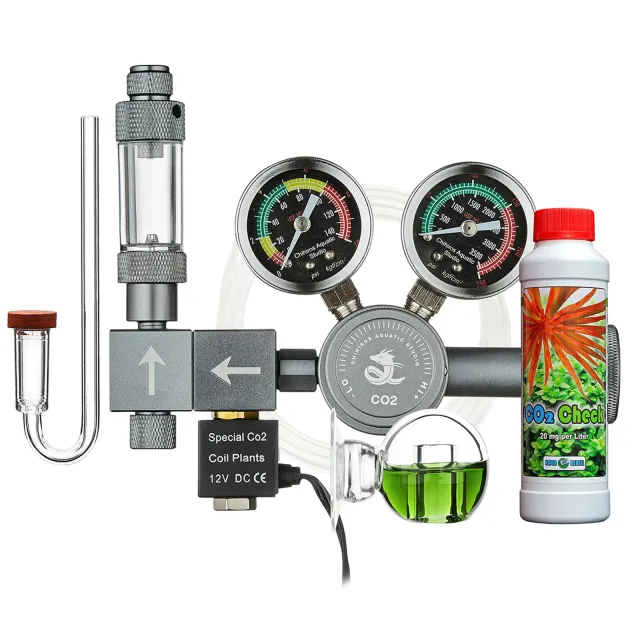
the aquarium's inhabitants, the amount will not suffice if a higher number of fast-growing plants is present. It is advisable to support a densely planted aquascape with an additional carbon fertilization via a CO2 system. Our shop offers a rich selection of CO2 equipment for reusable CO2 systems.
How exactly such a reusable system is assembled, can be looked up in the corresponding article in our Aquascaping Wiki. Apart from numerous techical components
such as pressure reducers, pressure gauges, needle valves, pH controllers and night shut-offs, CO2 accessories such as bubble counters, check valves, hoses and various diffusers are available here.
You want to operate several aquariums with one CO2 system? No problem with our CO2 splitters.
An individual supply for multiple aquariums can be realized on one bottle using a system of multiple needle valves.
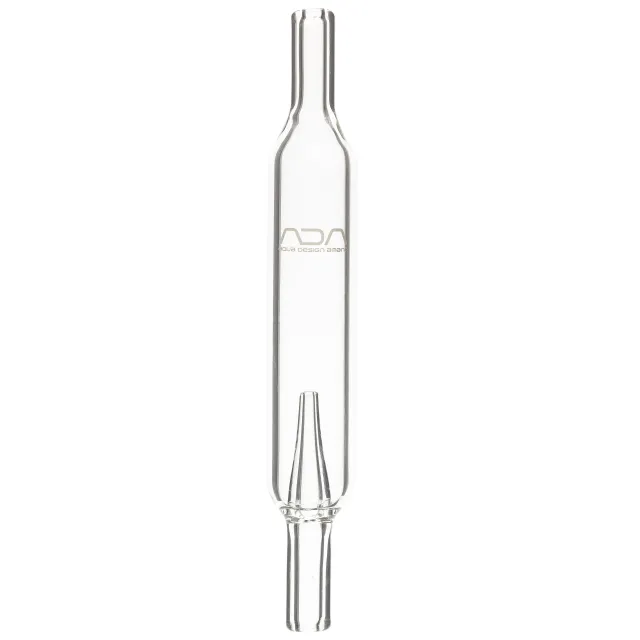
Last but not least, there is the CO2 glassware made popular in aquascaping. Drop checkers, bubble counters and diffusers made of glass are just mentioned as examples for items available in our shop.
Bio CO2 systems or disposable solutions are a good alternative when just getting into the hobby or setting up smaller nano aquariums.
Nutrients
Apart from carbon and light, aquarium plants need additional nutrients. Categorically there is a distinction between macro- and micronutrients. The latter being comprised of iron alongside other trace elements such as manganese, cinc, copper, boron, molybdenum, cobalt and nickel. These elements are only needed in small amounts by the aquarium plants. In principle, a complete iron fertilizer covers exactly this bandwidth of nutrients. The so-called macronutrients are ingested in considerably higher amounts, amongs these are mainly nitrogen, potassium and phosphorous. Often these are united in an NPK fertilizer. A full supply of all nutrients is important for a good and healthy growth of aquarium plants. To learn more about this topic, we recommend the article Fertilizing a planted Aquarium, parts 1-3 in our Aquascaping Wiki.
The different species of aquarium plants absorb their food in varying degrees via their leaves and stems as well as through the root system. Especially intensely root-feeding plants like Vallisneria, Cryptocorynes and Echinodorus profit a lot from a high-nutrient substrate or substrate fertilization. Fertilizer balls, capsules or sticks are often used in the aquarium, specifically placed in the soil substrate, close to the roots of the aquatic plants. Aquarium plants that mainly take in their nutrients via their leaves, can be well supplemented with additional liquid fertilizer. For this purpose, we offer a wide range of liquid fertilizers such as iron and NPK fertilizers from well-known manufacturers such as Aqua Rebell, ADA, Seachem, Dennerle and JBL in our shop. Practical accessories in the form of dosing aids such as pumps, syringes, pipettes and measuring cups are also available online. These facilitate the whole fertilizing process and ensure the most accurate dosing possible. By the way, an optimal nutrient supply implies nutrient supply via liquid fertilizer as well as high-nutrient substrate.
Also, where water hardness is concerned, parameters such as calcium and magnesium can be tweaked in a special ratio to optimize the growth of your aquarium plants. Both elements are important, macronutrients as well. Furthermore we offer nutrients in the form of dry salts in our webshop. The addition of Epsom salt, for example, is a good way to specifically increase the concentration of magnesium in the aquarium water. More info can be found in our article The calcium-magnesium ratio. In addition, certain hardening salts are used to treat demineralized water from a deionizer or reverse osmosis plant for intended use in an aquarium. Water parameters are set to desired target values and enriched with necessary trace elements and additives. Especially when breeding or keeping softwater-loving aquarium inhabitants such as discus or bee shrimp this is a very popular method.
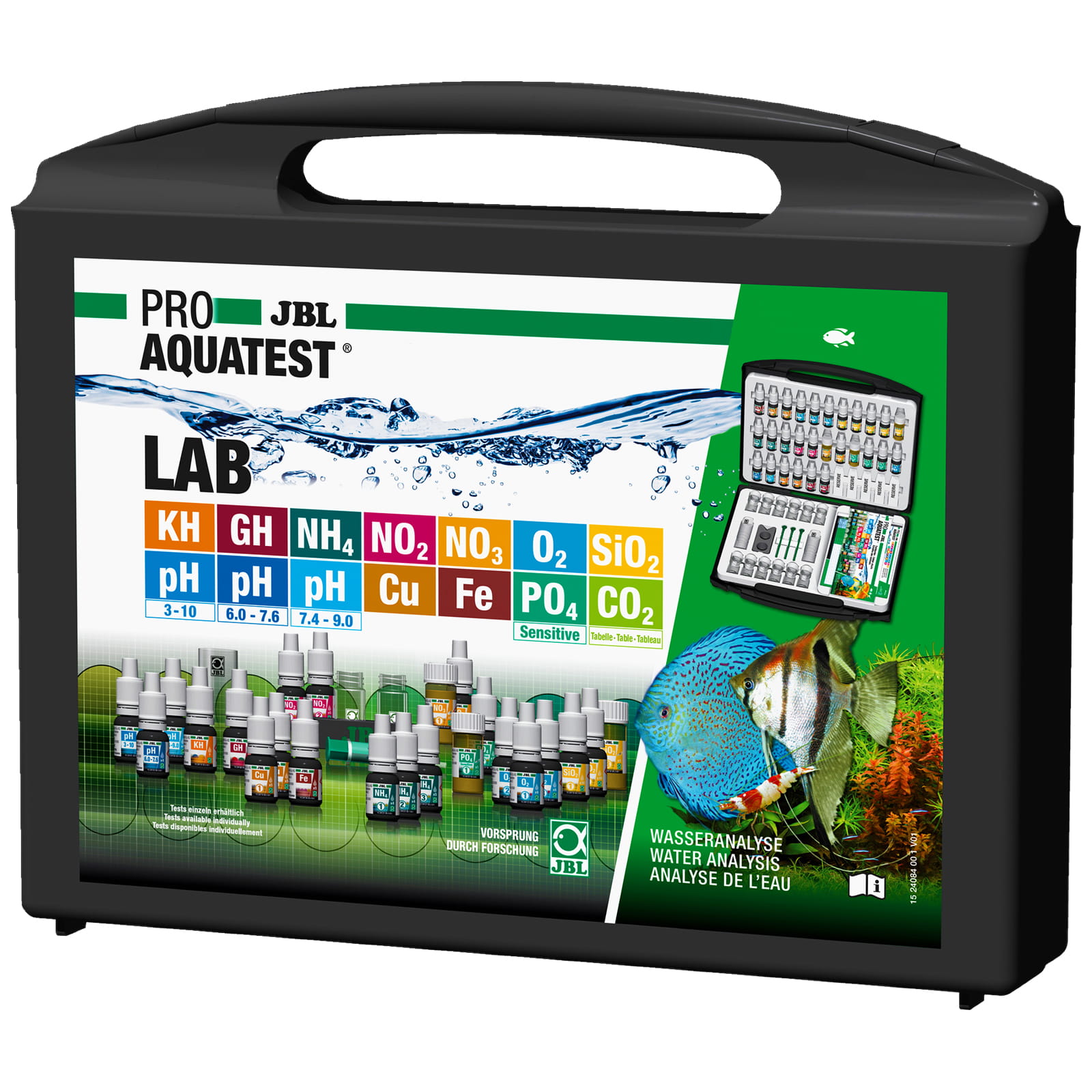
In order to be able to reliably determine the various nutrient contents, corresponding water tests are needed. All the important water tests for the proper growth of aquarium plants, such as iron, nitrate, phosphate, potassium, carbonate hardness and many more, can be found online in our "Nutrients" section. But even with the naked eye, an experienced aquarist can recognize whether the aquatic plants lack certain nutrients. For this, we recommend our article on the topic of deficiency symptoms in our Aquascaping Wiki.
Shrimp
The bustling little dwarf shrimp suit almost every aquarium setup and even enrich plant aquariums and aquascapes with their colors and liveliness. The fact that they are also good algae eaters and take care of biofilms, algic growth and fishfood leftovers makes them all the more charming, and they have become very popular aquarium inhabitants. Here in our online shop you will find everything you need for the successful breeding and care of your dwarf shrimp. You can choose from a carefully selected range of shrimp food and minerals for your shrimp tank, and we also offer natural products like foliage and alder cones, shrimp-proof substrates, everything you need for water care- and conditioning and of course useful little helpers like fishnets in fitting sizes, filter guards, feed trays and much more!
Aquatic plants
Especially in the field of aquatic plants, we are always working hard to be able to offer you a high-quality range of various plants. In doing so, we specialize in emerse potted plants and in-vitro plants cultivated in renowned nurseries like Tropica, Dennerle or Anubias. Emerse aquarium plants have the advantage of being much more robust than their submerse counterparts. This facilitates shipping and the chances of introducing algae or pests are very low. For in-vitro plants, this even can be ruled out completely.
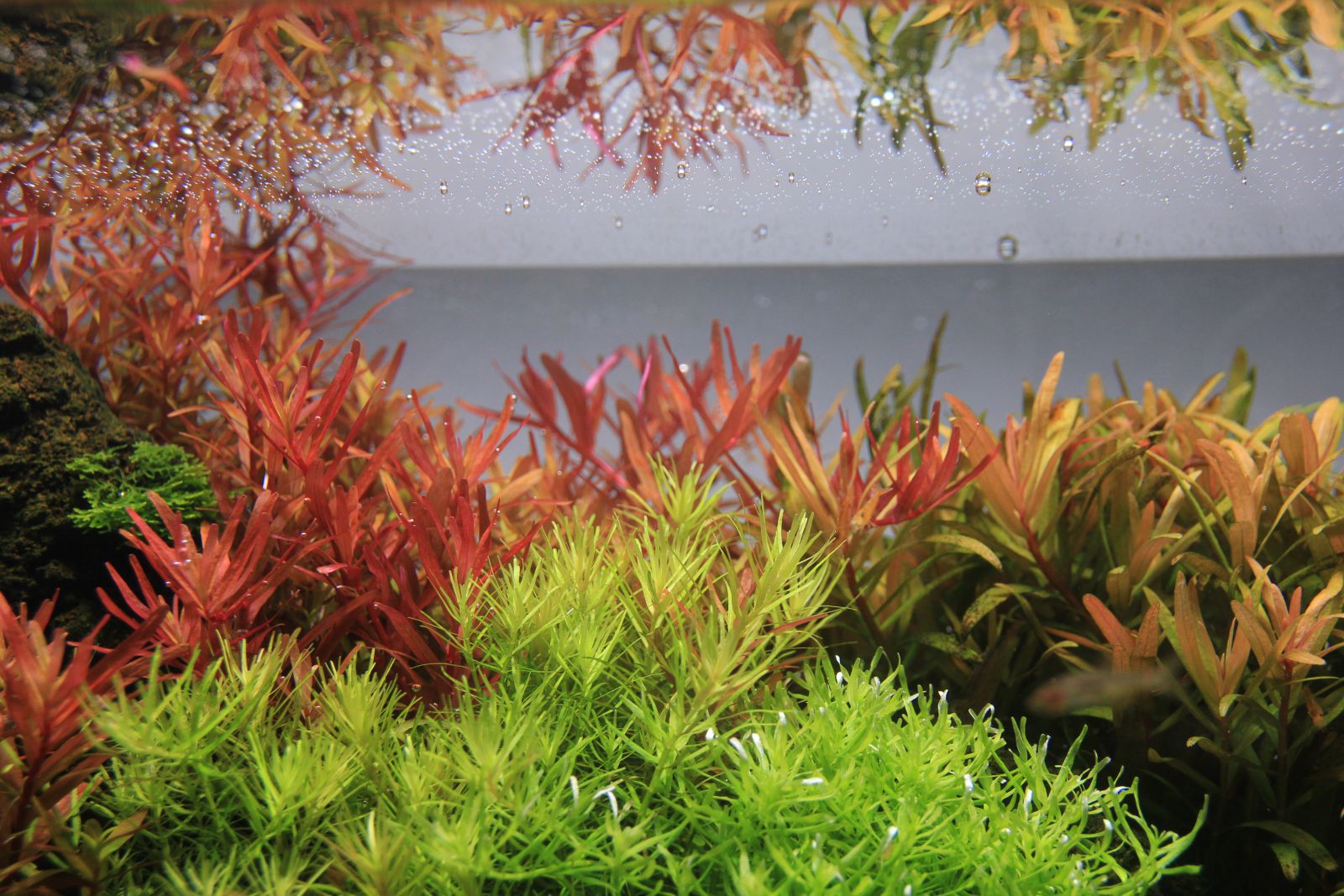
You'll find many classic stem plants for the background of your aquariums in our shop. Favourites are classes like Rotala, Pogostemon or Ludwigia, which grow very fast and are colourful.
With their great shades of purple, red or orange, these aquarium plants offer a great contrast to the other aquatic plants and the decoration in the aquarium.
Especially in the field of aquascaping, ground cover like Glossostigma elatinoides or Hemianthus callitrichoides
"Cuba" are very popular. Ground cover are usually small-leafed and growing like a carpet. They are usually used in an aquarium's foreground.
Mosses are used in both, nature aquaristics and shrimp breeding. They are very easy to keep plants with beautiful, deep green colors and fine foliage. In addition, they offer many hiding places and spawning possibilities for small fish and invertebrates.
Especially dwarf shrimp like to graze on mosses. Just like epiphytes, mosses are fixed to the hardscape like stones or driftwood. Epiphytes are plants like ferns, Anubias and
Bucephalandras, which hold onto the aquarium's decoration with their holdfasts. These plants are easy to keep, undemanding and used for the aquascapes's middleground. This zone often also includes aquatic plants like Cryptocorynes or small-growing Echinodorus.
Floating plants are used on the water surface of an aquarium. These are mainly used as hiding places by the offspring of fish and shrimp.
In addition you'll always find rarities in our shop, that are usually only seldomly or not at all available.