The extended ADA guide
Published
Translated from German with AI assistance and reviewed by our editors.
In this guest article, WeScape authors Jan-David Kemperdick and Christian Witt show you a version of the ADA fertilization system adapted to European conditions. Their experience is also reflected in many very practical tips.
The ADA concept
The basics are already explained in the ADA guide, as well as in the available documents: Starting with A , Starting with Q and the Suikei Research (only a few example articles are linked here. You can find more ADA documents translated into German in our Aquascaping Wiki). ADA uses a complete system of light, substrate, fertilizer, CO2 and additives that is perfectly matched. The idea of a well-functioning ecosystem in the aquarium is clearly at the forefront here, and unfortunately many people misunderstand it.
copyright by ADA - Aqua Design Amano
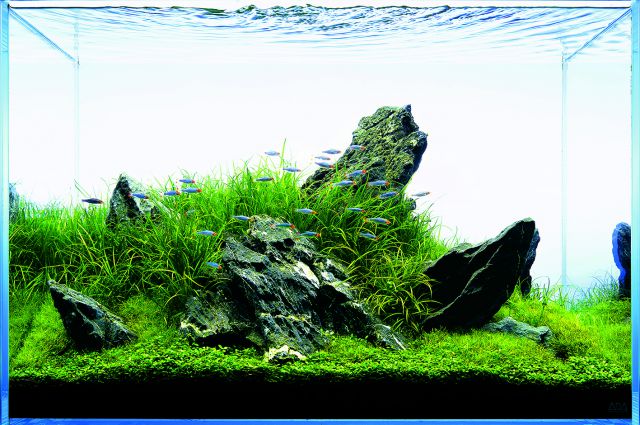
Amano was always about creating a holistic picture, an impressionistic excerpt of nature and not a diorama. Everything here is part of one consistent whole: the active substrate stores minerals and nutrients from the water column, fertilizer and detritus, and releases other nutrients in return. For example, NH4 is released by the soil and partly converted to nitrate by bacteria in the soil and the filter.
If you want to run your fertilization completely according to the ADA system, however, there are a few things to keep in mind. Unfortunately, some details can only be found in Japanese (for example in the AquaJournal) or are only available on request directly from ADA. We have tried to collect some helpful (additional) details for you so that the start of your ADA aquascape goes easily and smoothly. This is aimed especially at those who simply want to keep a beautiful Nature Aquarium. The system itself is quite simple; you just have to stick to certain basic rules, as with any planted aquarium.
There is no ultimate fertilization concept that leads to success equally for every individual aquarium. The ecosystems, selected plant species and technical equipment of an aquarium differ too much for that. In this respect, the ADA concept can be used well as a reference and starting point, but may have to be adapted individually.
The substrate system
The substrate system takes up the largest part of the complete ADA concept. Here we are talking both about the soil, which is available in different variants, and about the optional additives. The different soil variants exist so that various areas of use and purposes can be covered. ADA substrates vary not only in color but also in nutrient composition and in their pH-lowering effect. For example, Aquasoil Amazonia contains the largest amount of nutrients (especially NH4) but does not lower the pH as far as, for example, Africana. If you are interested in the exact composition, you can certainly find some usable analyses on the internet (for example from Tom Barr or at Flowgrow).
The additives
The substrate additives are not strictly necessary, but they contribute to a stable system and help especially in the start-up phase of the aquarium. Why is that? We explain this below using the additives themselves.
Bacter 100
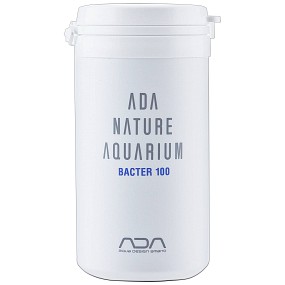
Bacter 100 helps to quickly and efficiently achieve effective colonization of the substrate itself with "good" bacterial cultures when setting up a new aquarium. This only works, however, if you minimize the initial excess of NH4 and the strongly pH-lowering effect of the soil (in the substrate). This is where the other two additives come into play.
Clear Super
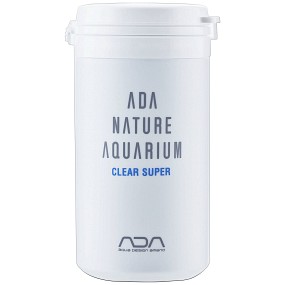
As a mix of activated carbon and organic acids, Clear Super helps to counteract the strong nutrient excess and stores it, more or less, so that it can serve as a food source for the bacteria. In this way, part of the NH4 excess is not flushed out with the next water change but is utilized in the substrate and can also be used later by the plant roots.
Tourmaline BC
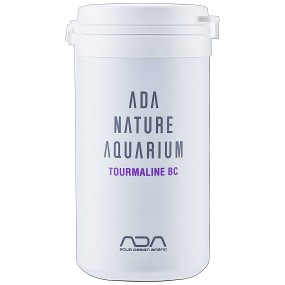
Unlike Clear Super, this consists of high-quality bamboo charcoal. It basically serves the same purpose as Clear Super, but absorbs four times more pollutants and contains three times as many minerals as conventional activated carbon. At the same time, Tourmaline BC serves the bacteria as additional colonization surface.
So the concept of substrate additives definitely has a background, and we recommend always using all three additives. If you use only one of them on its own, it does not bring the desired positive effect during the start-up phase.
Power Sand
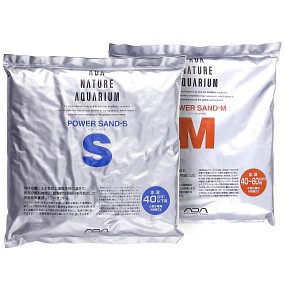
Power Sand was used by Amano for a long time as the sole nutrient layer under normal sand or gravel (source: Your Hobby: Nature Aquariums). Like the soil, it contains a considerable amount of nutrients and, where applicable, some of the additives mentioned above as well (in the form of Power Sand can be selected (S, M or L). The taller an aquarium is, the greater the water pressure on the soil, which can lead to faster compaction. This also happens when an aquarium has been running for a long time, as the individual soil granules lose integrity and can become compacted.
Aqua Soil
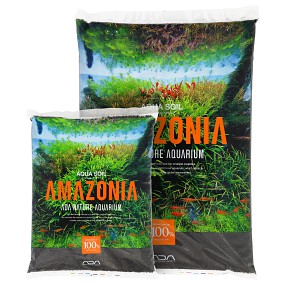
Let's return to the actual substrate. The soil, as the most important component of the whole system, takes on several important functions:
- It provides important nutrients in abundant amounts (NH4 as the main component).
- As a cation exchanger, it lowers the pH (hardness-forming ions are absorbed).
- It acts as an additional filter, because thanks to the large colonization surface, bacteria can convert the available NH4 faster and make it available to the plants via the roots. The water itself contains hardly any "free" nutrients (PO4 and NO3 values are close to zero), due to the lavish equipping of the filter according to the ADA concept. Daily fertilization with liquid fertilizers is therefore important so that only what is taken up over the course of a day is available to the plants.
Since hardly any potassium is added to this substrate, it is supplied via the water column with New Brighty K or Green Brighty Neutral K. The potassium is added in larger amounts, among other things to release the nutrients in the substrate. By adding potassium, the nutrients stored in the soil are released and are immediately available to the plants. This process also explains why, according to the ADA system, no large amounts of macronutrients are added via liquid fertilizer in the beginning. They are not needed in large quantities at first. However, you should also be careful with the potassium dosing.
The cation exchanger function also has a downside, though, which we would like to point out here. Water that is too hard can certainly lead to problems in the unstable start-up phase, because the hardness-forming ions release too many nutrients and filtration cannot keep up yet. If you don't also use the substrate additives or an already cycled filter, you should change the water longer and more often until the filter and the substrate are properly cycled and can work accordingly. Alternatively, you can use the somewhat lower-nutrient substrate Aqua Soil Amazonia Light, together with Green Brighty Neutral K as the potassium fertilizer. This fertilizer does not lead to a hardening of the water.
Using Aqua Soil is therefore simplest if you use soft or fully demineralized water from a reverse osmosis system. As a reference, an older water analysis from Niigata is listed here:
- pH: 6.8
- TH: 20 mg/l (corresponds to about 1.12 °dGH)
- NO3: close to 0 (0 – 0.2)
- PO4: close to 0 (0 – 0.2)
- NH4: close to 0 (0 – 0.2)
(Source: Sayuri Amano)
Algae during the cycling phase
You see quite few photos in reports that capture exactly this phase. That might also be because people tend to photograph the beautiful sides of an aquarium rather than a sudden algae explosion. A certain amount of algae growth during the cycling phase is to be regarded as normal even with the ADA concept. Algae often appear in the form of diatoms and green thread algae about two to three weeks after start-up.
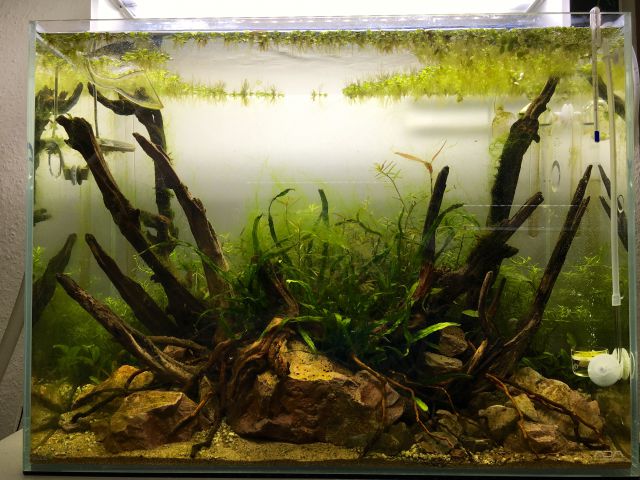
Copyright by WeScape
To counteract this, it helps to pick off as much algae as possible with tweezers and a toothbrush during water changes. If the water parameters then allow it, algae-eating animals such as the Amano shrimp can move into the aquarium. In general, a combination of the usual measures (waiting out the cycling phase, adding algae eaters, adjusting fertilization and otherwise optimizing the conditions in the aquarium) often makes the algae disappear gradually. By and large, planted aquariums run stably according to the ADA system, and only isolated algae appear now and then. These can be removed easily, though. Regular glass cleaning with the ADA Pro Razor is also recommended to keep the glass panes free of deposits.
Starting an aquarium is visibly easier with the new substrate Aqua Soil Amazonia Light. This soil contains less ammonium (NH4) than the classic Aqua Soil Amazonia and is based more on the nitrate form of nitrogen. Comparative tests have shown that plants on Aqua Soil Amazonia Light grow somewhat more slowly but also form fewer algae during the cycling phase (see: Product introduction of Aqua Soil Amazonia Light).
Filtration according to the ADA concept
When using Aquasoil Amazonia, the high NH4 excess in the initial phase makes the many water changes in the first weeks necessary. In addition, the activated carbon in the substrate (Clear Super) and in the filter serves to compensate for this excess and to prevent algae. Clear Super stores this excess, and the plants can still draw on it via their roots. Light filtration does not fit the concept, so filters should always be fully equipped.
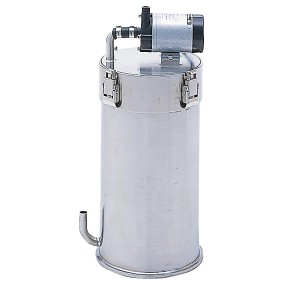
ADA filters are always initially equipped with the combination of anthracite (bituminous coal) and Bio Cube (polyurethane foam). We have had good experiences with this method as well. After about a month, we usually swap the activated carbon for Bio Rio (volcanic rock). After roughly another month, some Bamboo Charcoal (bamboo wood charcoal) is added, which counteracts clogging of the filter. If you own a matured filter, it can work wonders in the start-up phase of a new aquarium. ADA, for example, uses already cycled filters for large show aquariums or customer aquariums. In the ADA Gallery in Niigata, depending on the condition of an aquarium, the filters are cleaned every three to four months. Sometimes, though, there are also filters that are cleaned only once a year (source: Sayuri Amano). Another tip is aeration overnight, since it promotes the growth of microorganisms and helps prevent algae. Patience is just as important, because aquariums need time to cycle.
Liquid fertilization
ADA's liquid fertilizers cause controversial discussions. They contain very few nutrients, and the tried-and-true fertilizers Special Lights and Special Shade could also be replaced with other fertilizers, as you can read in Tom Barr's nutrient analysis (or in the Flowgrow nutrient calculator). What hasn't been checked, however, and what the Suikei Research PDF points out, is that especially the old Step fertilizers 1-3 and the new Green Brighty Mineral contain a great many micronutrients, regardless of the iron. In addition, the ADA system is a coordinated package. Many micronutrients are provided, and also depending on the age of the aquarium. Macronutrients are only added to the extent that they are no longer detectable in the evening.
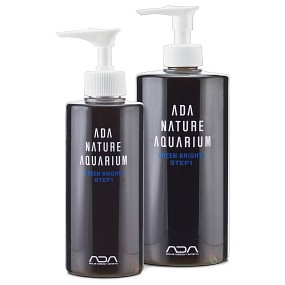
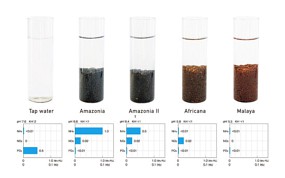
The exception is the potassium supplied via New Brighty K or Green Brighty Neutral K, which should be present in excess in the water column. You also hardly read anything about phosphate or nitrate in the common instructions for the ADA system, because it is assumed that the fish stock adds these nutrients in sufficient amounts. If you look at the aquariums in the ADA Gallery, that may well be the case. If you pay attention to the number of fish in these tanks, you could almost speak of overstocking. In addition, a certain amount of phosphate is already present in the source water on site (in Niigata), as you can see from this analysis:
Copyright by ADA - Aqua Design Amano
Green algae and the potassium excess
Green spot, dust or thread algae are quite often visible if you follow the common ADA guides without adapting them to your own water conditions and plant stock. In this case, ADA itself stops fertilization completely or reduces it drastically in amount (depending on the plant mass) until the algae are under control and a "biological" balance has been established (source: Sayuri Amano).
You should also keep in mind that completely different maintenance measures are taken in the ADA Gallery than at our homes, and accordingly different fertilizer amounts can be used. The following cleaning cycles are followed in the ADA Gallery (provided an aquarium is running stably):
- Cleaning the glass: almost every day
- Soil care: once a week
- Plant care: whenever algae are found on the plants
(Source: Sayuri Amano)
As an example of typical fertilization in the ADA Gallery, the following fertilizer amounts result for two different 60-P aquariums that have been cycled for months (source: Sayuri Amano):
- 60-P with many plants, every morning (before switching on the light) 4-6 pumps each of Brighty K and Step 2 (according to the new fertilization system, this corresponds roughly to: 4-6 pumps of New Brighty K, Green Brighty Mineral and Green Brighty Iron).
- 60-P with few plants (e.g. Iwagumi layout), every morning (before switching on the light) 2-3 pumps each of Brighty K and Step 2 (according to the new fertilization system, this corresponds roughly to: 2-3 pumps of New Brighty K, Green Brighty Mineral and Green Brighty Iron).
In addition, the water parameters are measured there every morning and afternoon, and the fertilizer amount and maintenance are adjusted accordingly (source: Sayuri Amano). If green algae appear, they are removed as well as possible, the filter is cleaned and extra phosphate is added (source: Starting with Q). With some adjustments to the system, this effort is not necessary at our homes, as long as you also don't provide potassium completely without limit beforehand and pay a little attention to your phosphate and nitrate supply (e.g. with Green Brighty Nitrogen). So let's return to the ADA potassium fertilizers.
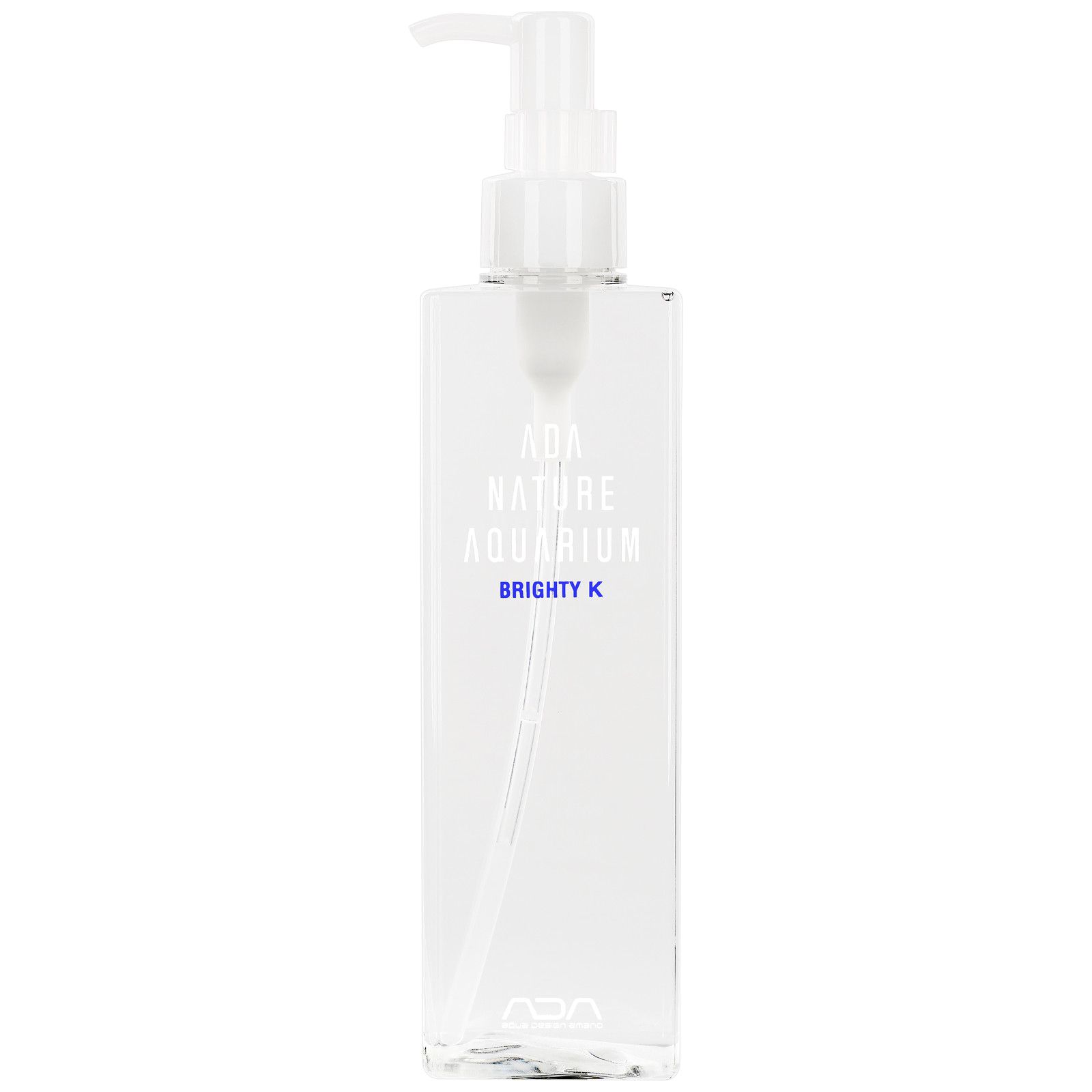
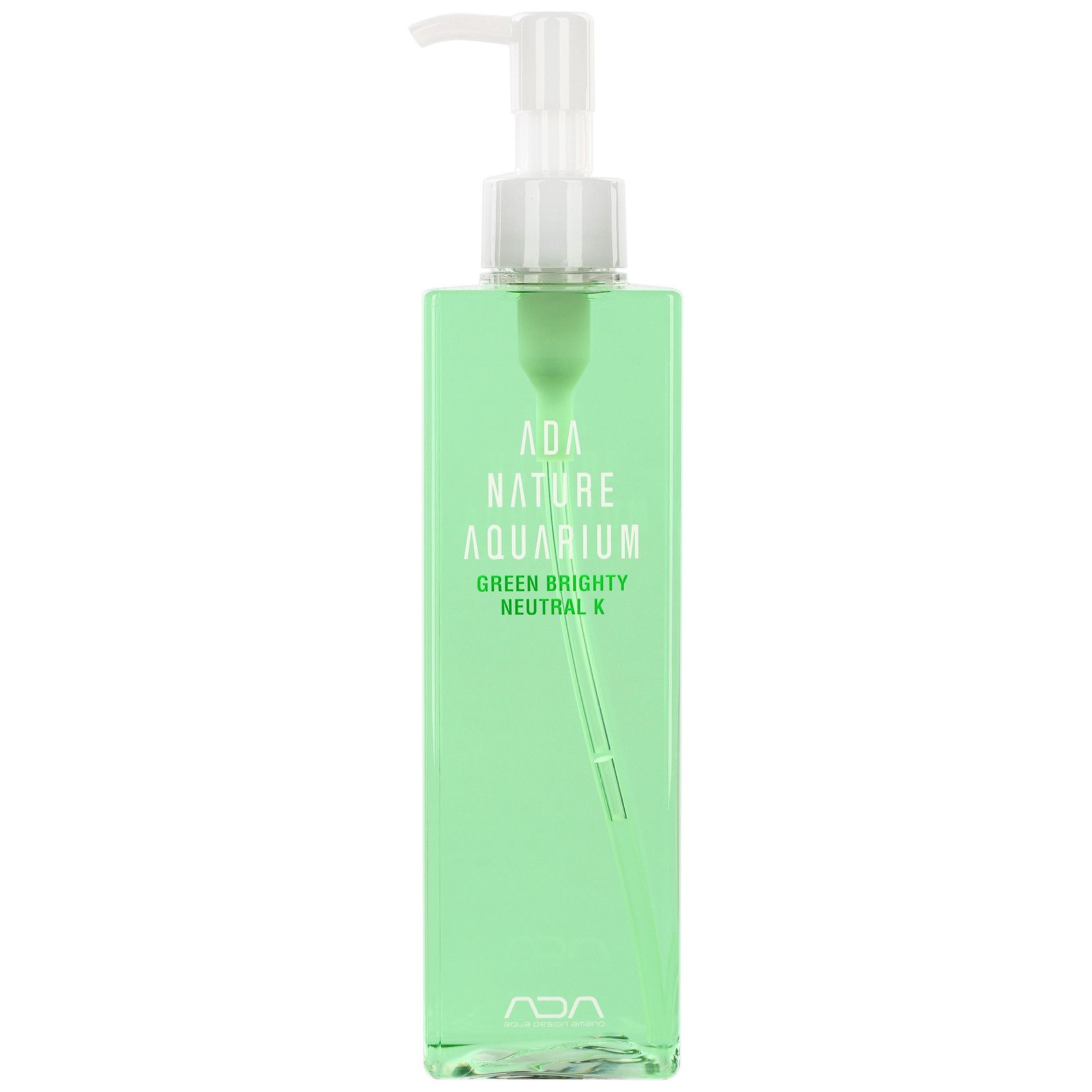
New Brighty K and Green Brighty Neutral K
With the ADA system, there is a continuous potassium excess in the water. You should make sure not to overdo it, though. The amount added must also, on ADA's recommendation (see Suikei Research), match the plant mass, the lighting and the consumption of phosphate and nitrate. In other words: if your phosphate and nitrate consumption is low, or there is too little of both, little potassium is consumed too. Continuing to add New Brighty K or Green Brighty Neutral K steadily leads to a strong accumulation of potassium. This extreme nutrient imbalance can lead to stunted growth in the aquatic plants and increased algae. Our personal recommendation is therefore: adding potassium once a week is enough. Even during the start-up phase, the soil doesn't absorb all that much potassium, and according to the guide, consumption bears no relation to the amount supplied. So add potassium only after the water change, somewhat more at first because of the frequent water changes, of course, and watch the growth of the plants.
Phosphate and nitrate close to zero
If you follow the ADA concept and pay attention to the water values, you will find that phosphate and nitrate are hardly detectable in the water. This does not mean that we don't need to add them via the water column, as mentioned at the beginning. With a lot of light (especially with ADA's LED lighting and most of all with the Aquasky Moon), a small fish stock or low phosphate and nitrate values in the source water, and a correspondingly large amount of plants, you should definitely add Green Brighty Nitrogen. Otherwise the plants run into a nutrient deficiency and don't grow. This is especially important if there is no phosphate and nitrate in your source water. Green Brighty Nitrogen can and should be overdosed if the lighting is strong, deficiency symptoms appear, or plants don't want to grow, because nutrients cannot be absorbed through the roots quickly enough. This is also stated in the instructions (two to three times the dose is possible).
Adapted guide
So what could an adapted guide for high-light aquariums and lushly growing plants look like if you want to run somewhat more moderate potassium fertilization? We are currently testing the following approach (these are personal experiences):
- Brighty K: add from the first week, after every water change and only then, at the recommended dose.
- Step fertilizers: add from the third week, at the dose recommended by ADA every day. If beard or black beard algae appear, reduce the dose to every second day. Remove the algae as well as possible and clean the filter.
- Special Lights: add from the third week, starting with one pump per 20 liters of water daily. If growth is poor and deficiency symptoms appear, increase the dose. In our opinion, this should achieve good results even without frequent water testing. Adjust the fertilizer amounts up or down as needed, especially with strong and/or long lighting. Because here, too, the rule applies: every aquarium behaves differently, and general statements always have to be treated with care.
ECA and Green Bacter / Green Gain
As soon as you start adding more ADA Special Lights/Shade or Green Brighty Nitrogen, you will notice that the colors of the red plants can fade somewhat (this was the case for some of us). You can counteract this with ADA ECA. ECA is strongly chelated and therefore stays available in the water for much longer. This is an advantage with the increased amount of phosphate in the water (source: Book of ADA 2010/2011). Green Bacter and Green Gain can be used as prescribed by ADA.
Header Picture copyright by WeScape