 Aquarium: Fertilizing concept with water-hardening salt
Many aquarists prepare their water because, for example, the tap water is unsuitable. Here, demineralized water is first produced by reverse osmosis or an ion exchanger and is then adjusted to the desired carbonate and general hardness parameters with a water-hardening salt. In this article, we now look at how to build the liquid fertilization on top of that.
Nutrients in water-hardening salt
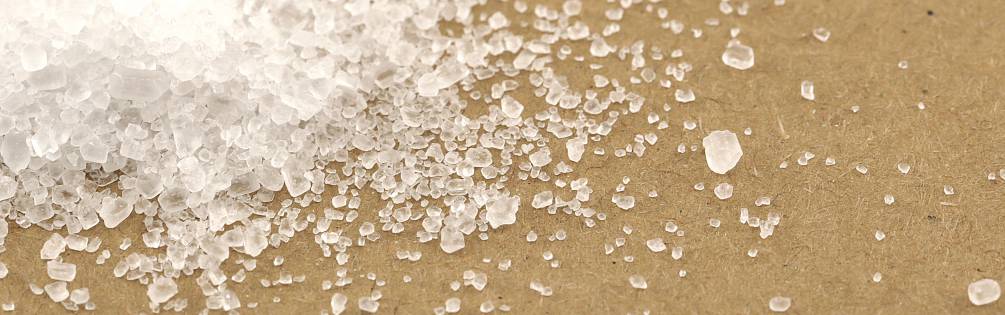
Water-hardening salts serve primarily to raise the carbonate hardness (KH) and/or general hardness (GH) in the water. Often, though, they also add nutrients that are important for the growth of aquatic plants. Calcium and magnesium, for example, are components of general hardness but at the same time important nutrient elements. Many salts also contain potassium, which is likewise an important macronutrient for aquarium plants.
As far as the elements calcium and magnesium are concerned, the ratio between them matters a great deal. For planted aquariums, a calcium:magnesium ratio of 3:1 or 4:1 is advocated as ideal. Our tap water in particular, however, offers hardly enough magnesium, so ambitious planted-aquarium keepers often help out a little with Epsom salt.
Many water-hardening salts, on the other hand, already have a good calcium:magnesium ratio, so there is often no further need for action here. The good thing is also that the ratio always stays the same, no matter how little or how much you harden your general hardness with the salt.
It is different, however, with the potassium content. Depending on the manufacturer, a water-hardening salt can contain more or less potassium. Here the rule applies: the more you harden, the higher the potassium share as well. You should be a little careful here so as not to overshoot the mark with potassium when hardening somewhat more. As a rough guide value, a potassium content of 5 to 10 mg/l K in the aquarium water may be mentioned, which is often completely sufficient. If this value is greatly exceeded through hardening with salt, and increased potassium is then also introduced into the water via liquid fertilizer, this substance can sometimes accumulate too much and create a nutrient imbalance.
Ideal water parameters for a planted aquarium

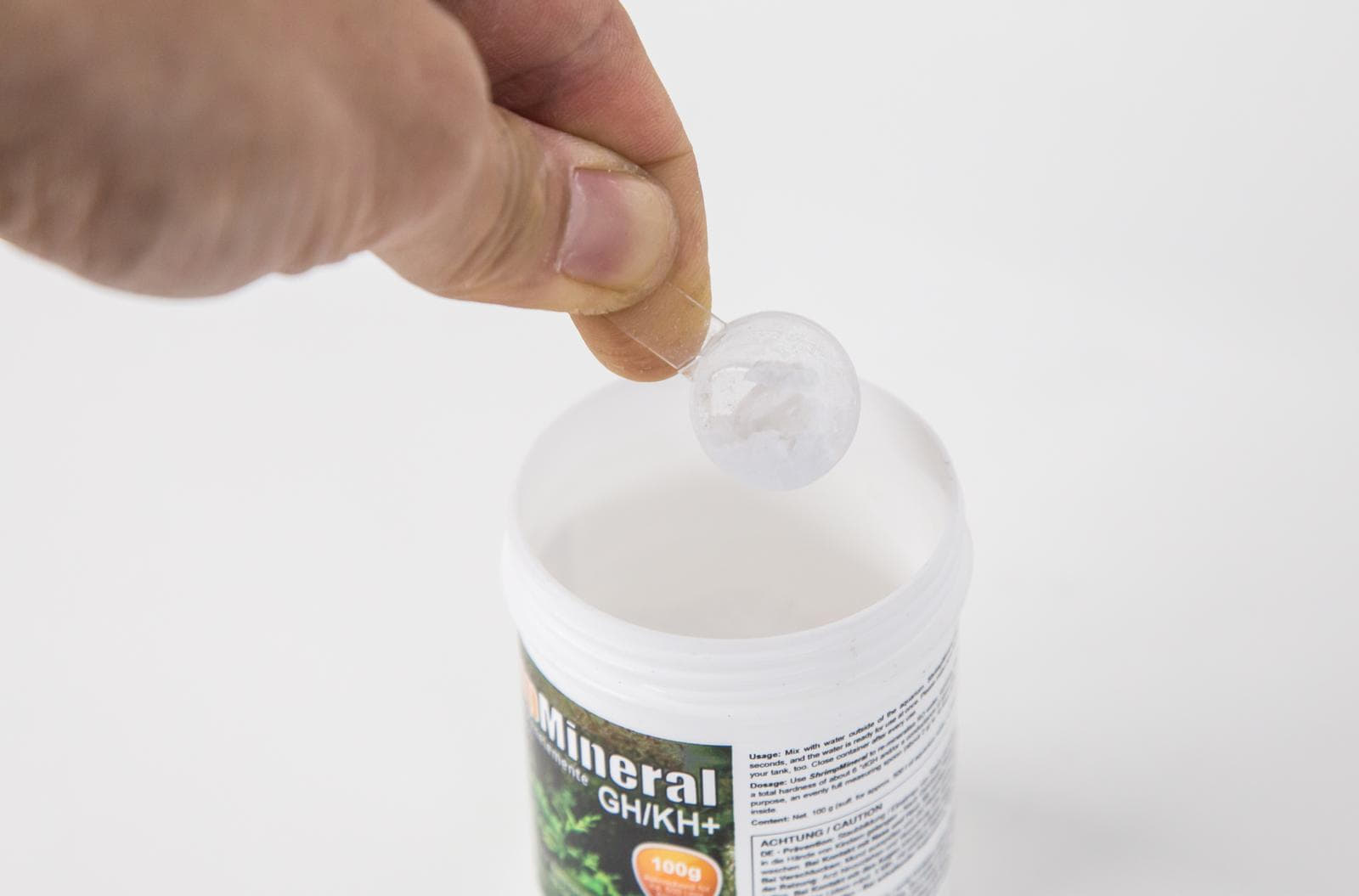
Many animal inhabitants and aquatic plants in aquaristics prefer so-called soft-water parameters. This means a rather low water hardness, accompanied by an acidic to slightly acidic pH value. With water-hardening salt, these parameters can be reached in a very targeted way. To still be able to offer enough stability and buffering capacity, a carbonate hardness of about 2 to 4 can be chosen here. General hardness should preferably not be below 6 °dGH, since deficiency symptoms can otherwise arise in invertebrates such as snails and shrimp, for example. If you use hardening salts that raise both KH and GH, the manufacturer often specifies a fixed ratio between the two. One example worth mentioning is Shrimp Mineral GH/KH+ from Salty Shrimp, which has a ratio of 1:0.5 between GH and KH. With most salts, a carbonate hardness of 2 to 4 and a simultaneous GH of roughly 4 to 8 can therefore be reached. As rough guide values, these figures have proven very useful in aquarium practice. If you now take typical pH-KH-CO2 tables at hand, a standard CO2 supply of 20 to 30 mg/l results in pH values of about 6.4 to 6.8. This is slightly below 7 and thus in the slightly acidic range. This pH range is ideal for the availability of a wide variety of nutrient elements (see also "Liquid fertilizer and water hardness" ).
The potassium value of the water-hardening salt
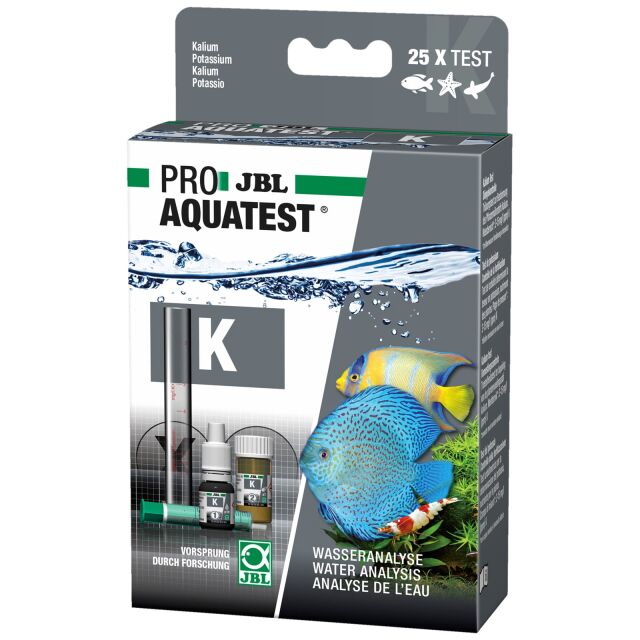
Building on these guide values, the aquarist should determine the potassium share for the target parameters he or she wants. The Flowgrow nutrient calculator can help with this. Depending on the manufacturer and the amount of water-hardening salt, the potassium value can already be in the desired target range of 5 to 10 mg/l K. If this is the case, further topping up of potassium with liquid fertilizer is often no longer necessary and may even be counterproductive.
Whether the potassium content already provided by the water-hardening salt is sufficient in this amount for the aquarium should be checked on a case-by-case basis. Potassium is generally consumed quite little; with a suitable potassium water test, you can measure at regular intervals whether enough nutrient is still present. You should also watch the plants; here, necrosis in a holey pattern is often a sign of a potassium deficiency.
Liquid fertilization built on a water-hardening salt with enough potassium
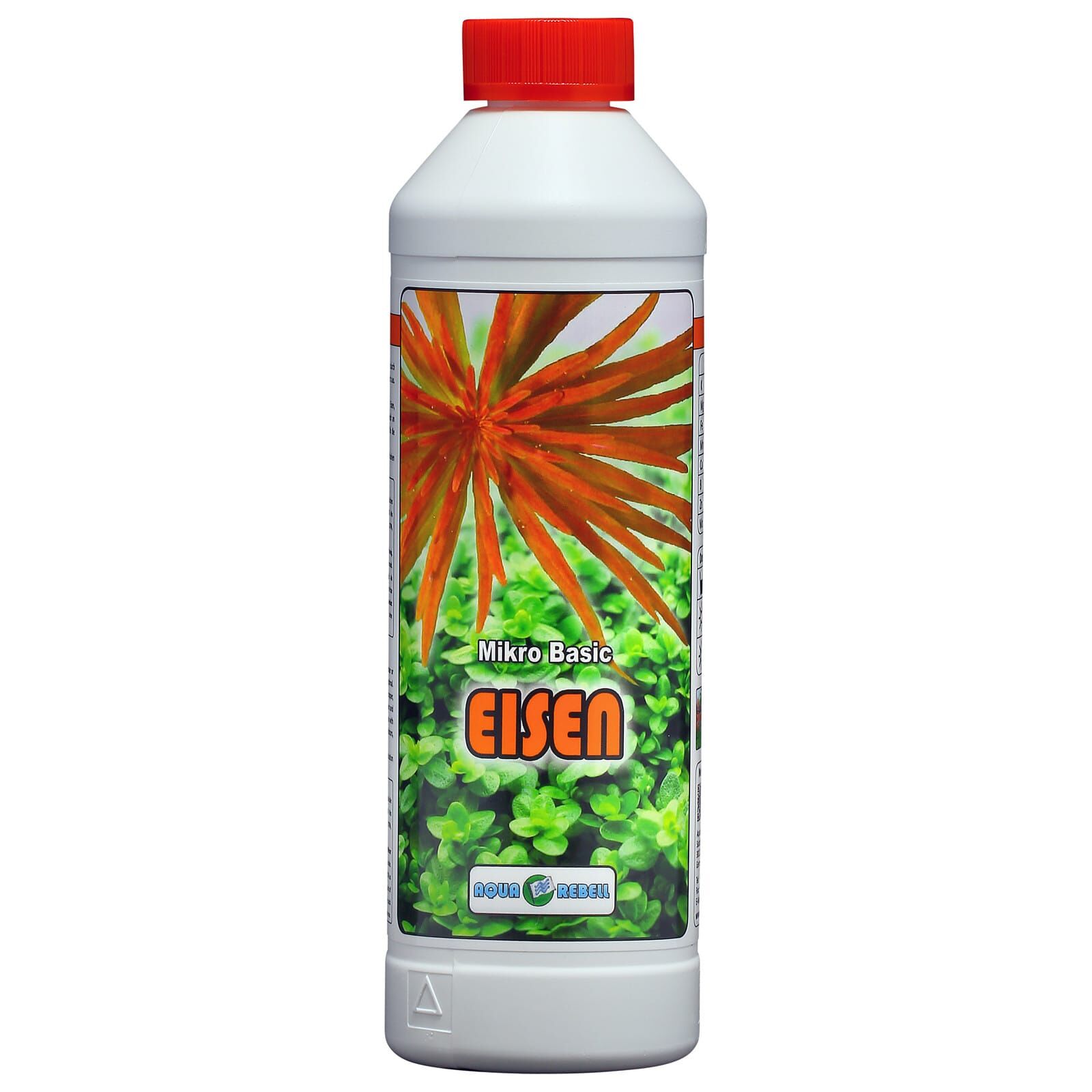
Provided the potassium share in the water-hardening salt is sufficient, you should rely on rather low-potassium to potassium-free fertilizers for liquid fertilization. This avoids this substance accumulating unnecessarily. For supplying micronutrients such as iron and other trace elements, Aqua Rebell Mikro Basic Eisen is suitable, for example. Since the recipe was revised a few years ago, this fertilizer is very low in potassium.
For nitrogen supply, GH Boost N is a good choice, an absolutely potassium-free nitrate fertilizer that is particularly rich in nitrogen. It also provides a discreet supply of calcium and magnesium.
Aqua Rebell Makro Basic Phosphat is suitable for fertilizing with phosphate. It does contain some potassium, but this is negligibly small and does not matter at a usual dosage and handling.
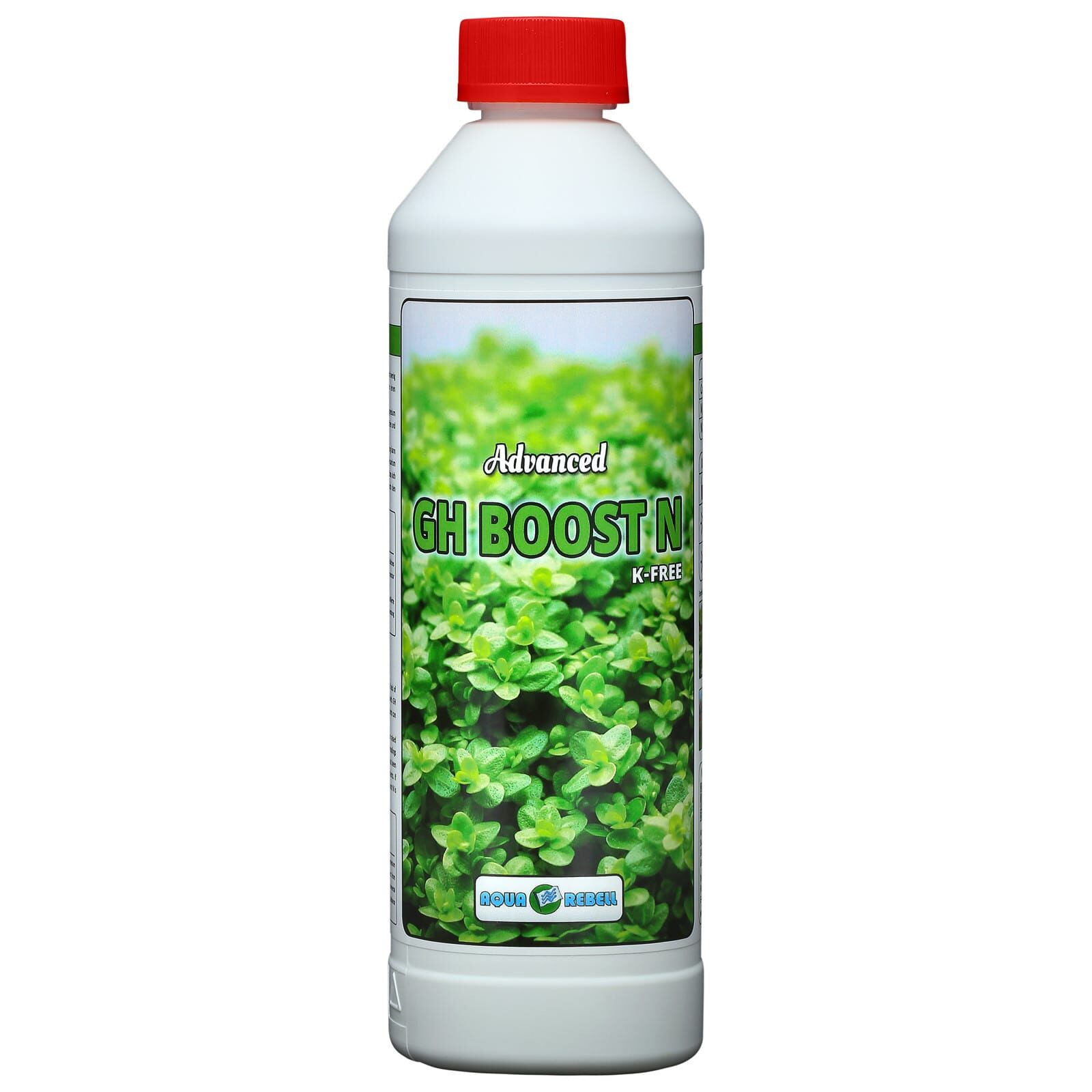
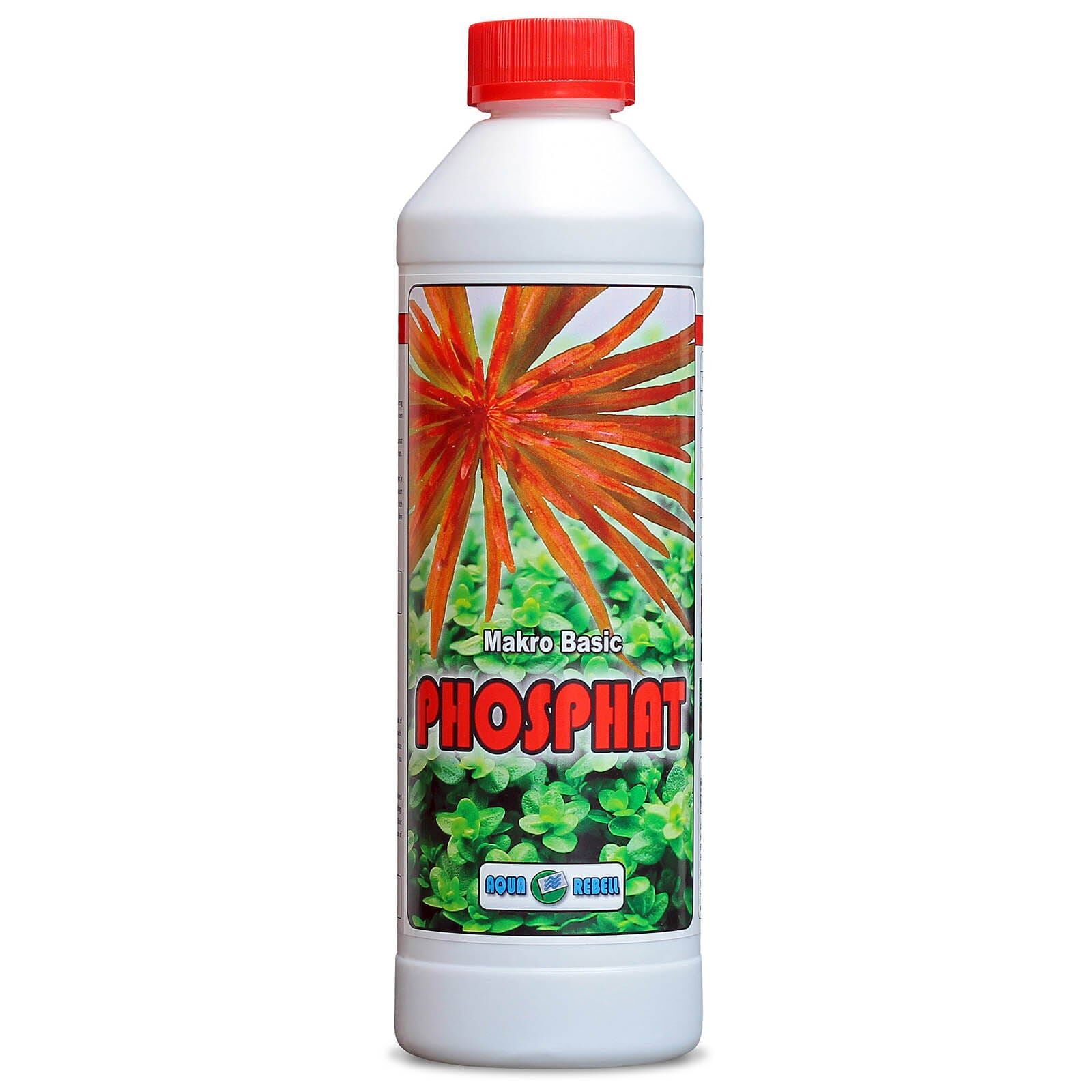
With these three liquid fertilizers, combined with a potassium-containing water-hardening salt, an ideal supply of all the important nutrients to the aquatic plants is possible. Working with the individual components also offers the advantage of maximum flexibility, so that you can change specific nutrient parameters at any time and in a targeted way in order to react to fluctuations in the nutrient balance.