Japanese cress

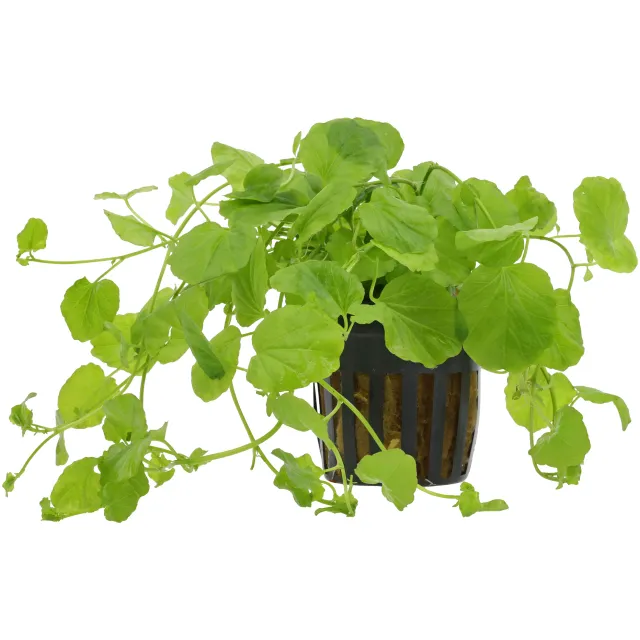
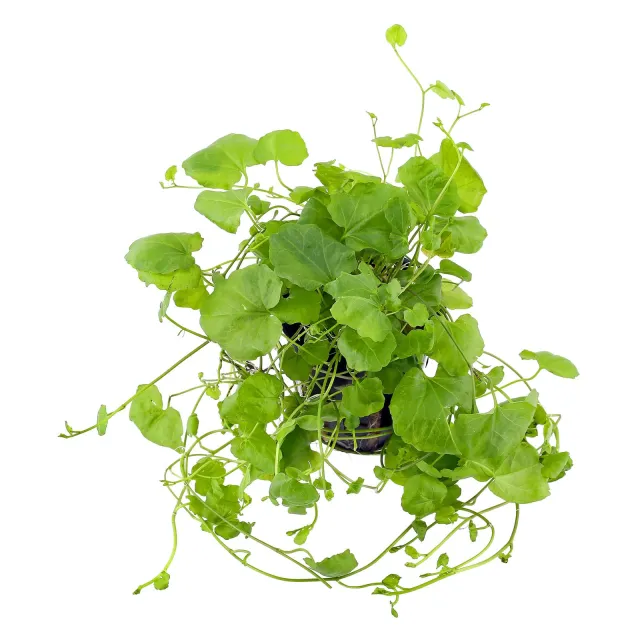
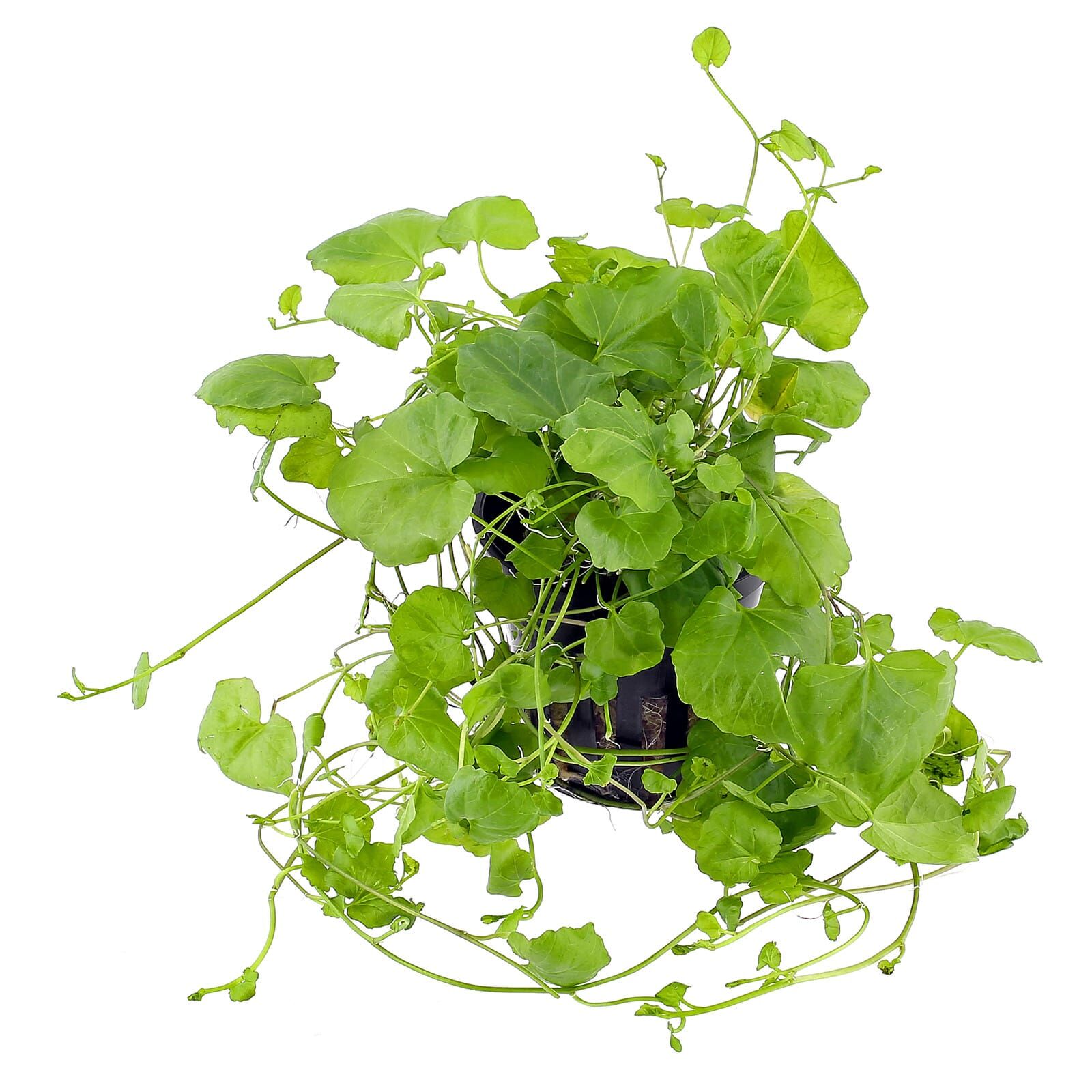
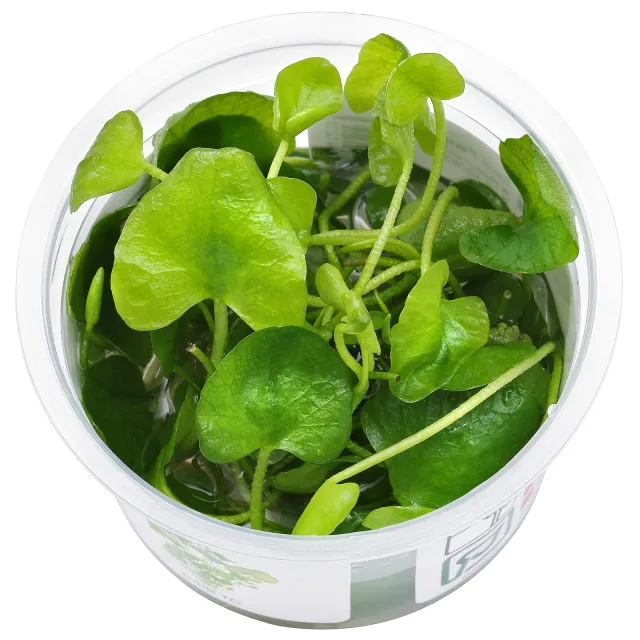
Cardamine lyrata
Japanese cress
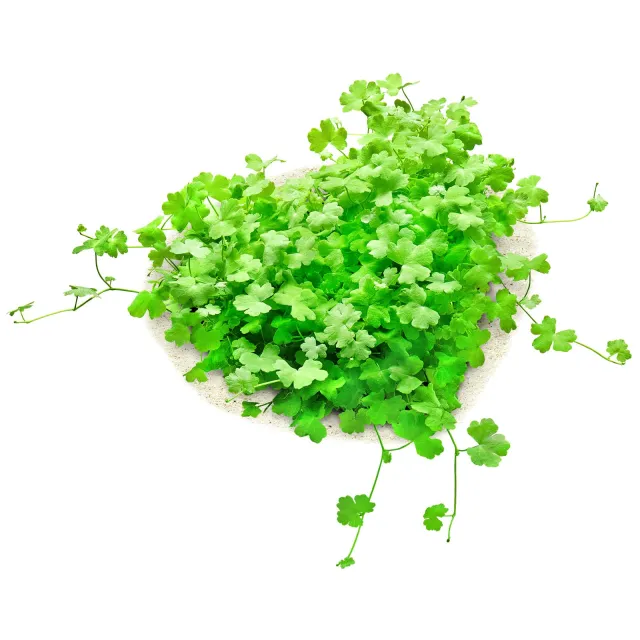
- Forms long, creeping shoots
- Roundish leaves
- Also suitable for cold water tanks
Curbside delivery: This item ships by freight carrier and is delivered to the curb only, not to your door or into your home. The carrier will call you in advance to schedule a delivery date. Learn more about freight delivery
Customers also bought
Item question
We’re here for you!
Please enter your question and e-mail and we’ll contact you as soon as possible. It usually takes us up to 24 hours during business days to respond.
Thank you for your question!
Thank you, we’ll get in touch!
Close window
You already sent us a question.
Please wait a few minutes
Description
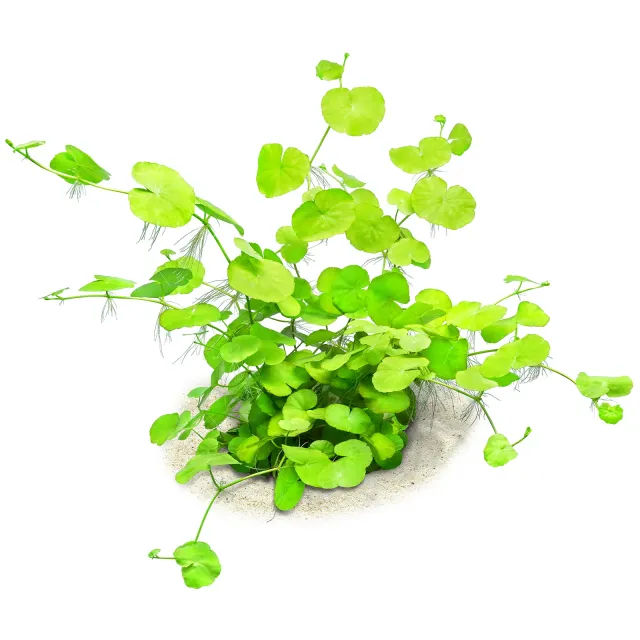
The Japanese cress, aka Chinese Ivy, originates from streambanks and other wet places in East Asia. Under water it forms long, slender stems with roundish leaves, similar to a Hydrocotyle species. Cardamine lyrata is quite undemanding, except that its optimum temperature is about 18-23 °C. Under warmer conditions (maximum: circa 27 °C) the plant develops increasingly smaller leaves. With its somewhat wild, vine-like habit the Japanese cress is most recommended for natural setups. In its terrestrial form it is also suited for moist to wet soil in terrariums.
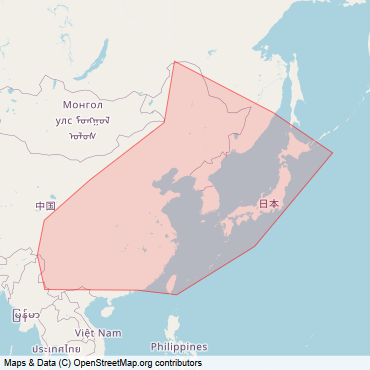
Cardamine lyrata is a bog plant originally distributed in East Asia (China, Japan, Korea, Far Eastern Russia) where it lives in moist places and on rivulets. It is a great plant for coldwater tanks as well as tropical tanks that are not kept too warm, which makes it a very popular, easy-to-obtain aquarium plant.
Japanese cress is a fast-growing creeping stem plant easy in cultivation. Its tendriouls stems carry light green kidney-shaped leaves. Under insufficient light (less than 0.5 watts per litre) the stems grow very thin and the leaves stay significantly smaller. C. lyrata grows well even without the addition of CO2, however, carbon dioxide fertilisation enhances growth. Leaf size seems to be dependent on temperature. Colder water of around 20 °C furthers the formation of larger leaves, whereas temperatures of around 24 °C and over result in tiny leaves.
C. (read more)
| Common names | Japanese cress |
| Complete botanical name | Cardámine lyráta Bunge |
| Family | Brassicaceae |
| Genus | Cardamine |
| Difficulty | easy |
| Usage | Background, Midground, Nano tanks |
| Growth | fast |
| pH value | 5 - 8 |
| Temperature tolerance | 4 - 27°C |
| Carbonate hardness | 5 - 15°dKH |
| General hardness | 0 - 30°dGH |
| Propagation | Cuttings |
| Can grow emersed? | yes |
| Source | Flowgrow |
| Common names |
| Japanese cress |
| Complete botanical name |
| Cardámine lyráta Bunge |
| Family |
| Brassicaceae |
| Genus |
| Cardamine |
| Difficulty |
| easy |
| Usage |
| Background, Midground, Nano tanks |
| Growth |
| fast |
| pH value |
| 5 - 8 |
| Temperature tolerance |
| 4 - 27°C |
| Carbonate hardness |
| 5 - 15°dKH |
| General hardness |
| 0 - 30°dGH |
| Propagation |
| Cuttings |
| Can grow emersed? |
| yes |
| Source |
| Flowgrow |
How many plants do I need?
General information
Please choose a variant to see more information.
| Item no. |
|
| EAN | |
| Weight | |
| Shipping weight |
Questions and answers about Cardamine lyrata
You have questions about this product? Ask other customer or our support team about this product!
Customer reviews
4 Reviews
| 5 Stars(3) |
|
| 4 Stars(0) |
|
| 3 Stars(1) |
|
| 2 Stars(0) |
|
| 1 Star(0) |
|

Carefully packed, a very beautiful plant that, after removing the "cotton," turns out to consist of several individual shoots. (read more)
Show original
Wunderschön und wie alles andere blitzschnell geliefert
Sorgfältig verpackt, sehr schöne Pflanze, die sich nach entfernen der "Watte" dann als aus einigen Einzeltrieben bestehend zeigt. Vorsichtig einzusetzen, da die einzelnen Stängel sehr zart sind. Sehr hübsch in Naturbecken als Kontrast zu Wurzeln und Ästchen. Zwergkrebse ruhen gerne auf den Blättern. Aber die Posthorn- und Blasenschnecken haben die Triebe, trotz reichlich anderem Futterangebot, zu fressen gern.
I bought the Cardamine for my Japanscape. The plants were very well packed and arrived without any pressure marks or root rot. (read more)
Show original
Wunderschöne japanische Pflanzen
Ich habe mir die Cardamine für mein Japanscape gekauft. Die Pflanzen waren sehr gut verpackt und kamen ohne jegliche Druckstellen oder Wurzelfäule an. Im Aquarium richteten sie ihre Blätter schnell zum Licht aus. Bei mir stehen sie im Hintergrund und sind trotzdem ein Blickfang!

I also bought this plant for my Japan-themed tank. The plan was to let it grow between the roots to fill in the gaps a bit. (read more)
Show original
Schöne Pflanze für kleine Lücken
Habe diese Pflanze auch für mein Japan Themenbecken gekauft. Der Plan war sie zwischen den Wurzeln wachsen zu lassen um so etwas die Lücken zu füllen.
Die Pflanze kam etwas angeschlagen bei mir an, einiges ist matschig gewesen, dennoch habe ich alles einfach ins Becken gepflanzt. Nun nach knapp 1,5 Wochen kommen wieder Grüne Stängel und Zweige.
Sie erhält bei mir Co2 , NPK + Eisen und mind. 5 Stunden Licht pro Tag.
Bisher wächst sie nach der Erholung mäßig. Ich denke, dass es in der nächsten Zeit zunehmen wird sobald sie richtig fit ist und mehr Stängel da sind.
Wie gesagt habe ich Sie zwischen den Wurzeln und auch etwas am Rand. Sie bekommt also dort mal mehr und da mal weniger Licht, wächst aber gleich. Die Pflanze macht sich also nichts aus etwas schattigeren Plätzen, dort wächst sie genau so.
Sie macht sich gut und wird auch hoffentlich bald schön buschig wachsen.
Edit: Die Pflanze wächst nun wie Unkraut! Mind. 1 mal die Woche muss ich sie schneiden sonst wird sie zu groß für mich. Die Stängel kann man einfach wo anders wieder einpflanzen ;)
Similar products