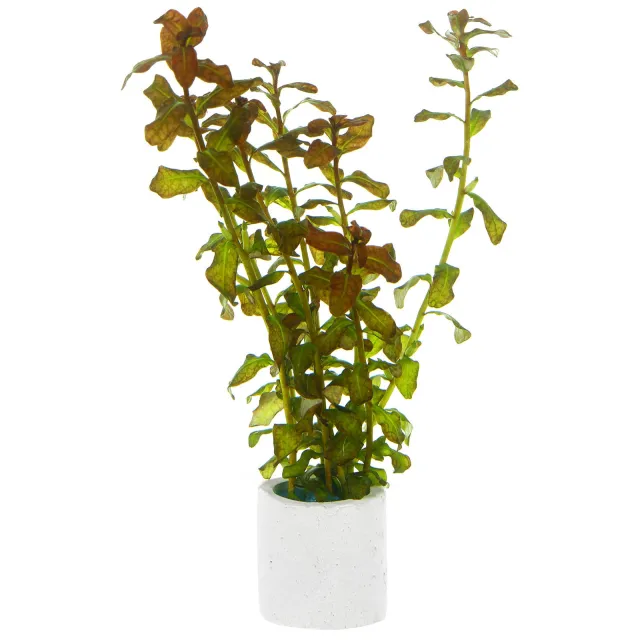
Creeping primrose-willow


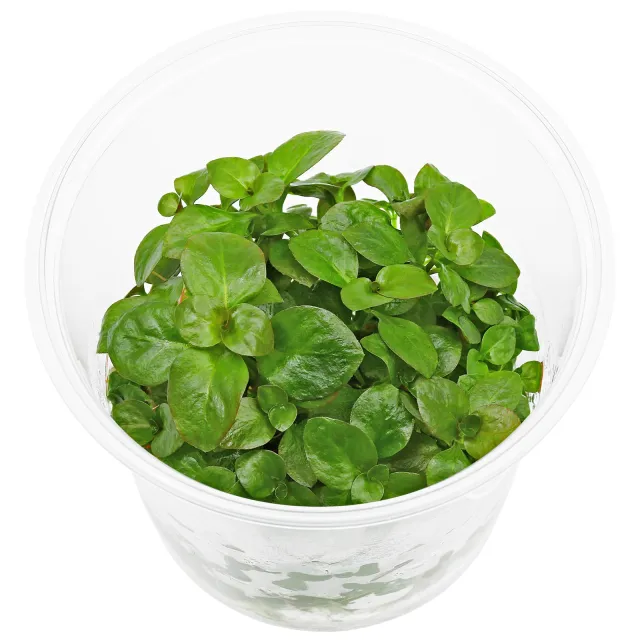
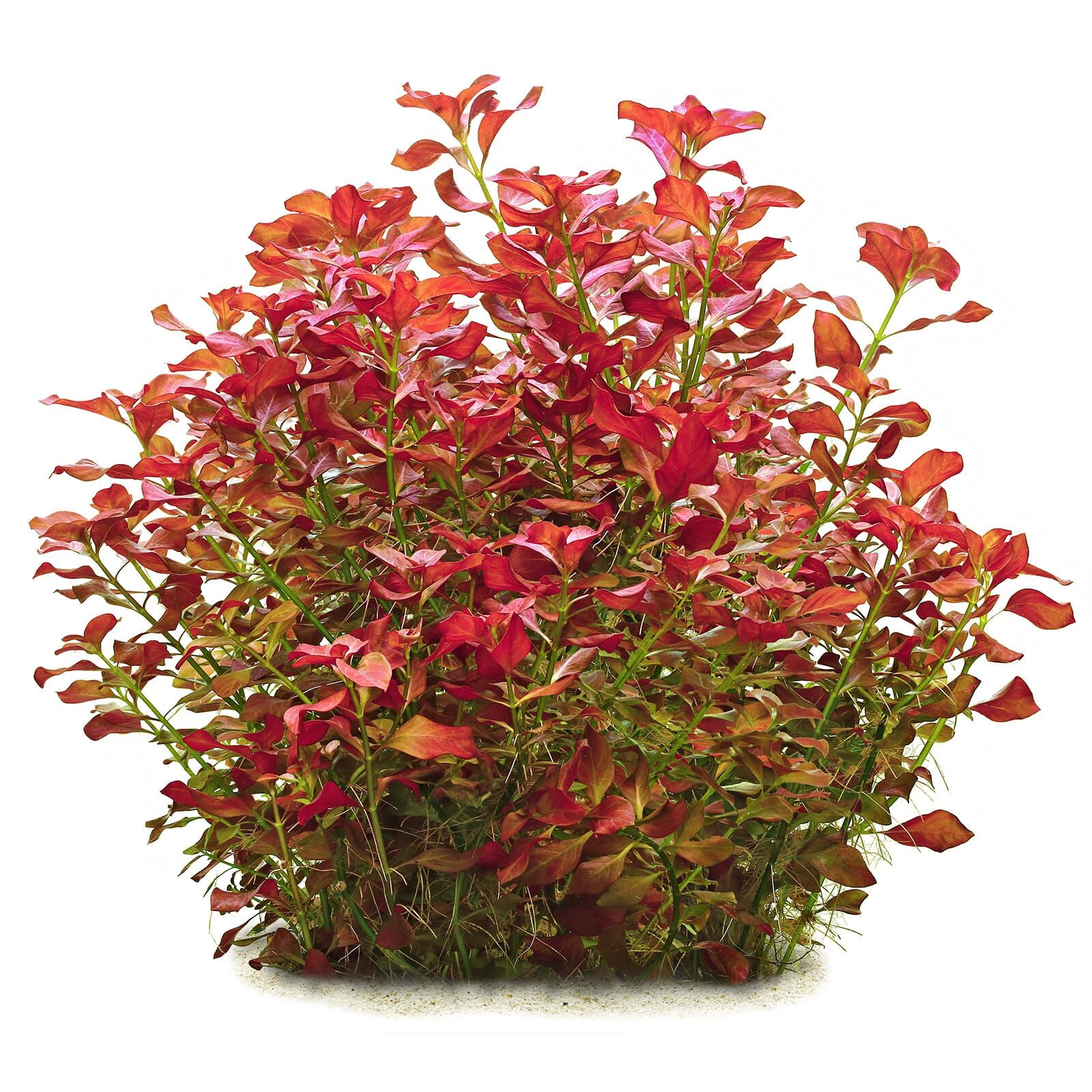
Ludwigia repens
Creeping primrose-willow
- Easy, fast growing stem plant
- Suitable for warm and cold water aquariums
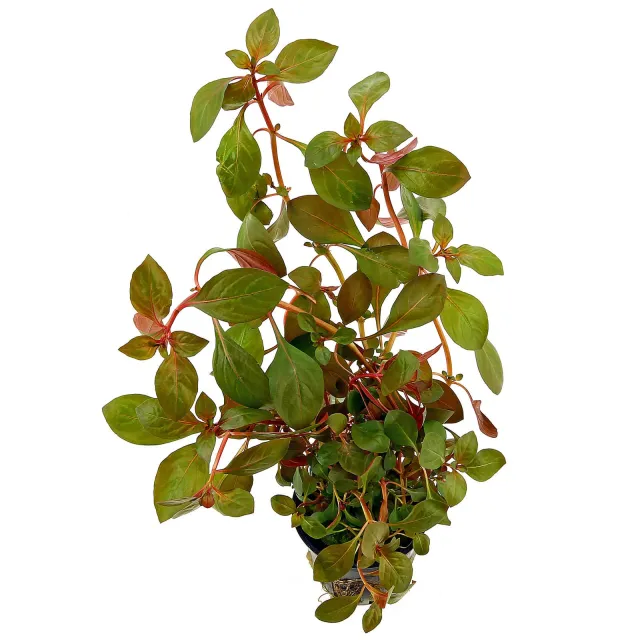
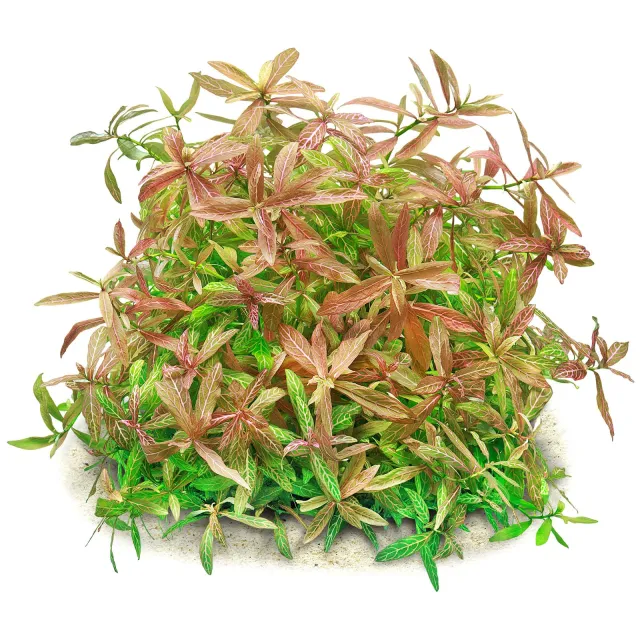
- Olive green, orange-brown to light red tones
- Loosely upright growth
Curbside delivery: This item ships by freight carrier and is delivered to the curb only, not to your door or into your home. The carrier will call you in advance to schedule a delivery date. Learn more about freight delivery
Customers also bought





Item question
We’re here for you!
Please enter your question and e-mail and we’ll contact you as soon as possible. It usually takes us up to 24 hours during business days to respond.
Thank you for your question!
Thank you, we’ll get in touch!
Close window
You already sent us a question.
Please wait a few minutes
Description
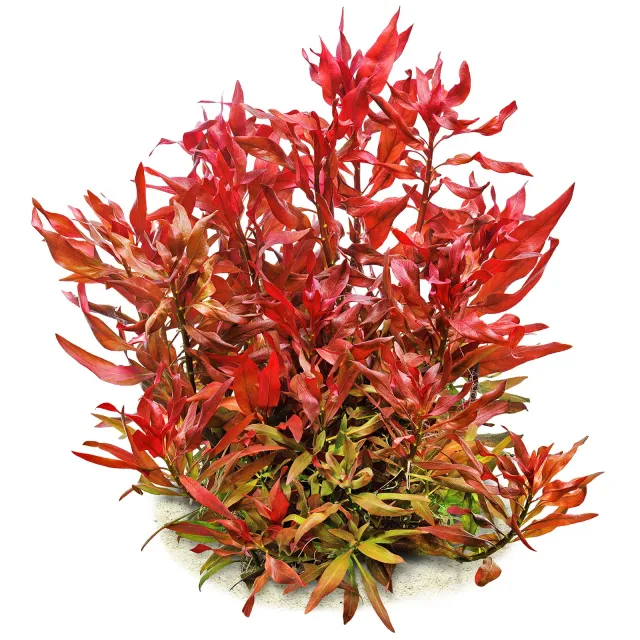
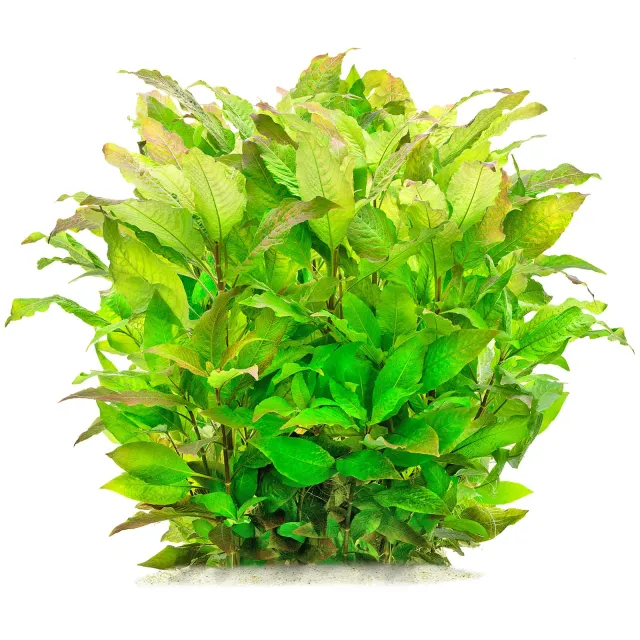
Ludwigia repens is an easy, fast-growing classic amongst the aquarium plants. The Creeping primrose-willow, also known as Ludwigia natans, is native to the southern USA, Mexico and Caribbean Islands. It occurs in large amounts in various waters and swamps, emersed, as floating mats or submerged bushes. It grows creeping in its terrestrial form, therefore its name, while its underwater stems are loosely upright or slanted and ramified. This species is very variable. Our tissue-cultured plant is an old strain of typical L. repens that was already cultivated in the former GDR. Its elliptic to roundish submerged leaves are about 2 to 3,5 cm long. With moderate ligting, their upper sides show olive green to orange tones. The underside of the leaves is light purple to wine-red. The plant can also develop a strong light red coloration under intense light.
The Creeping primrose-willos is very adaptable and also thrives in aquariums without CO2 addition and with higher carbonate hardness. However, good macro- and micronutrient supply, also via the substrate, highly improves its growth. Moderate lighting is sufficient but stronger light leads to more reddish tones. Temperatures below 26 °C are favoured, warmer water is temporarily tolerated, as well as 10 °C or less. As other stem plants, this Ludwigia is easily propagated by cuttings. Due to its fast growth, trimming on a regular basis is necessary, otherwise the shoots will grow half-emersed along the surface, with many water roots.
Ludwigia repens is a versatile plant, for warm and cold water aquariums, and looks best as a bush in the mid- to background of not too small tanks. With its low demands and fast growth, it is recommendable for aquarium beginners and initial planting of newly set up tanks. It is also interesting for biotope aquariums and paludariums, imitating shallow waters and swamps in North and Central America.

The classical aquarium plant Ludwigia repens originates from the south of the United States, Central Americal and the Caribbean, where it grows on the edges of all kinds of waterbodies (ditches, rivers, lakes, ponds). It frequently forms dense trailing populations in the shallow water, whose shoot tips grow over the water surface. In nature, L. repens is a highly variable (polymorph) species and hybridises easily with other Ludwigia species, which makes scientific identification of the various local forms very difficult.
Ludwigia repens is among the most common aquarium plants world-wide. There are several forms of this species in trade. An especially colourful variety with round leaves is sold under the name "Ludwigia mesakana" or "mesacana". Allegedly, L. "repens" 'Rubin' is not to be counted among the species L. repens but is rather close to L. (read more)
| Common names | Creeping primrose-willow, Red Ludwigia |
| Synonyms | Ludwigia natans Elliott |
| Complete botanical name | Ludwígia répens J. R. Forst. |
| Family | Onagraceae |
| Genus | Ludwigia |
| Difficulty | easy |
| Usage | Background, Midground |
| Growth | fast |
| pH value | 5 - 7 |
| Temperature tolerance | 4 - 28°C |
| Carbonate hardness | 2 - 15°dKH |
| General hardness | 0 - 30°dGH |
| Propagation | Cuttings |
| Can grow emersed? | yes |
| Source | Flowgrow |
| Common names |
| Creeping primrose-willow, Red Ludwigia |
| Synonyms |
| Ludwigia natans Elliott |
| Complete botanical name |
| Ludwígia répens J. R. Forst. |
| Family |
| Onagraceae |
| Genus |
| Ludwigia |
| Difficulty |
| easy |
| Usage |
| Background, Midground |
| Growth |
| fast |
| pH value |
| 5 - 7 |
| Temperature tolerance |
| 4 - 28°C |
| Carbonate hardness |
| 2 - 15°dKH |
| General hardness |
| 0 - 30°dGH |
| Propagation |
| Cuttings |
| Can grow emersed? |
| yes |
| Source |
| Flowgrow |
How many plants do I need?
General information
Please choose a variant to see more information.
| Item no. |
|
| EAN | |
| Weight | |
| Shipping weight |
Questions and answers about Ludwigia repens
You have questions about this product? Ask other customer or our support team about this product!
Customer reviews
4 Reviews
| 5 Stars(3) |
|
| 4 Stars(0) |
|
| 3 Stars(0) |
|
| 2 Stars(0) |
|
| 1 Star(1) |
|

I put it in a low-tech aquarium without CO2 with average lighting and was really amazed (and delighted ;]) by the rapid growth. Undemanding is definitely the right word here.
Show original
Kann man beim Wachsen zusehen
Ich habe sie in ein low tech Aquarium ohne CO2 mit durchschnittlicher Beleuchtung eingesetzt und war echt über den rasanten Wuchs erstaunt (und erfreut ;]). Anspruchslos kann hier großgeschrieben werden.
The in vitro versions are usually quite compact. The little cup was well filled, the plant nice and healthy. (read more)
Show original
Klein aber fein!
Die in Vitro-Varianten sind ja meist recht kompakt. Das Döschen war gut gefüllt, die Pflanze schön gesund. Innerhalb einer Woche ist sie im Soil auf gut die dreifache Größe gewachsen, bin sehr zufrieden. Alles ist angewachsen, ohne Verluste. Versand war super schnell und pflanzensicher, danke! :)
Unfortunately only got it in vitro, but it's developing very well. Highly recommended!!! Keep it up, see you soon. Negative that you're told how many more words you have to write. (read more)
Show original
Ganz tolle Pflanze
Leìder nur in vitro bekommen, entwickelt sich aber sehr gut. Absolut empfehlenswert!!! Macht weiter so, bis bald.
Negativ, dass einem vorgeschriebenen wird, wie viele Wörter man noch schreiben soll.
Da macht bewerten keinen Spass ;(
Similar products