 The mulm method
Especially when it comes to cyanobacteria in the aquarium, establishing a biological or bacterial balance is important in order to push back the cyanobacteria (blue-green algae). The aquarist can fall back on proven bacteria products such as Special Blend and Nite Out II or other so-called bacteria starters. A popular and inexpensive method is the so-called "seeding" with mulm. We present this option in more detail.
Mulm in the aquarium
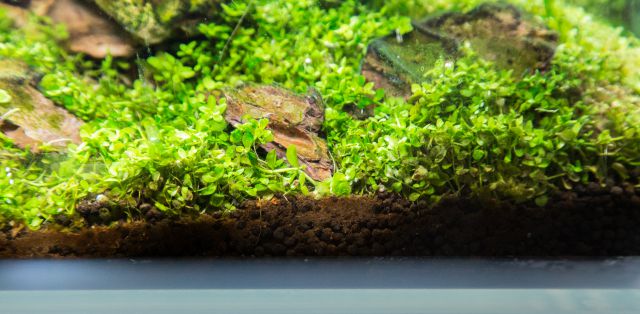
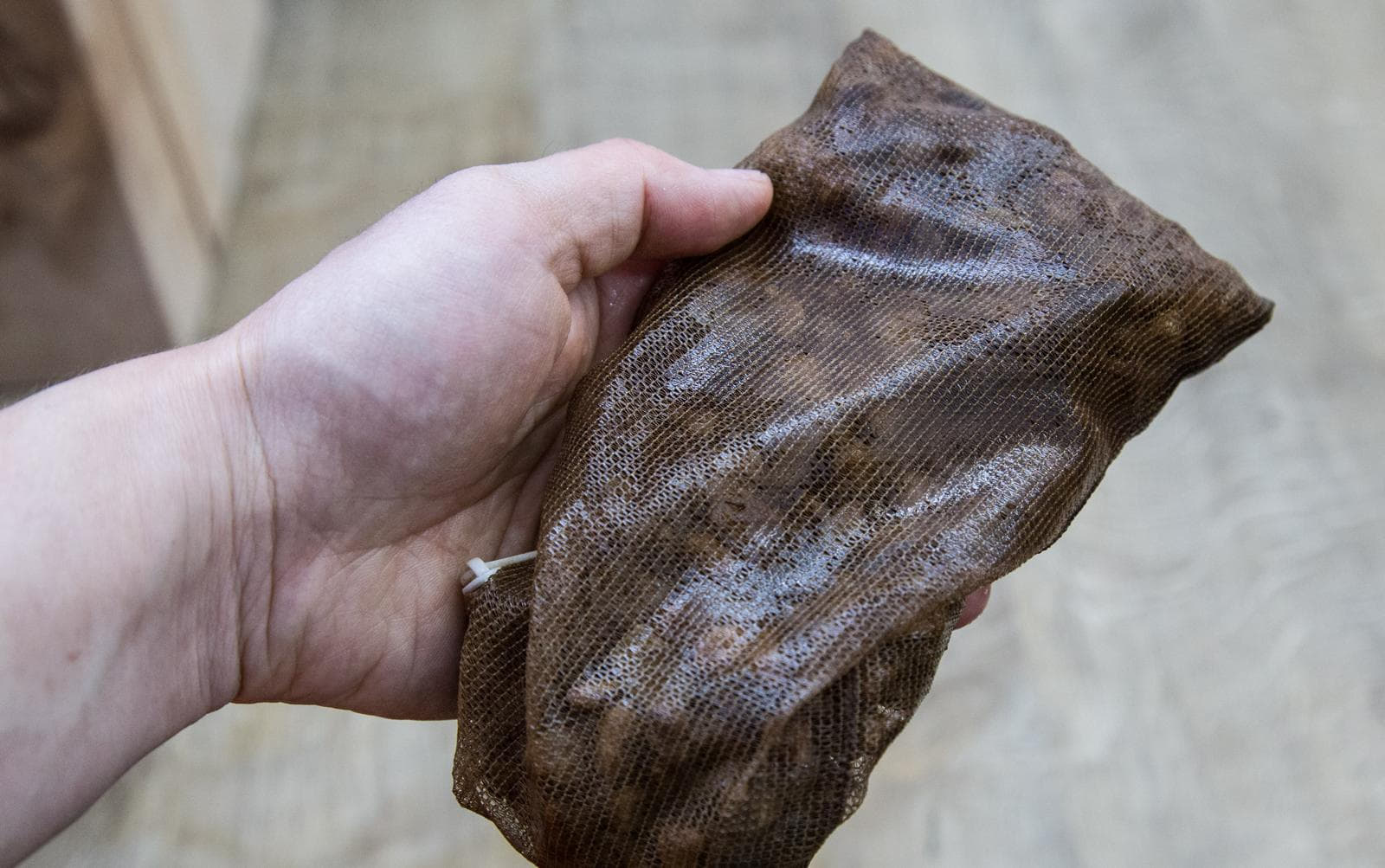
What exactly is mulm? In the aquarium world, the term refers to a kind of flaky accumulation of brownish dirt that is located in or on the substrate. Inside a filter, this dirt is somewhat muddier and is therefore also called filter sludge. Mulm basically consists of decomposing biomass. Typically this means dead plant parts, leftover food and excretions of the aquarium inhabitants. A multitude of tiny organisms, from snails, worms and single-celled organisms to fungi and bacteria, populate the mulm and contribute to the decomposition of the organic material. This diversity of organisms is crucial for the ecological balance of the aquarium, because it helps break down organic waste and thereby helps reduce pollutants. These organisms also include the nitrifying bacteria, which play an important role in the nitrogen cycle by oxidizing ammonium to nitrite and nitrite to nitrate, and which colonize surfaces in the substrate and in the filter. These bacteria as well as other microorganisms can also be found in the mulm or filter sludge. You can make use of this fact. You can find more information on mulm here.
Seeding as a treatment against cyanobacteria
Against cyanobacteria, it first helps to take an immediate measure such as a blackout treatment to reduce the algae as much as possible. Removing them manually by vacuuming is another option, as is local treatment with hydrogen peroxide or Easy Carbo. Once the aquarium is largely free of visible algae, the goal is to suppress new growth by introducing other bacteria. Mulm or filter sludge contains plenty of bacteria and microorganisms that can compete with the cyanobacteria (blue-green algae). Of course, the mulm or filter sludge you use should come from a well-running aquarium that is as free as possible of diseases, algae and pests. You then spread the mulm over as large an area as possible in your aquarium, so that it looks really dirty for a few days. This is sometimes unsightly, but you should put up with it, since the benefits of establishing a bacterial balance will outweigh it. For heavily affected spots with cyanobacteria, you can also place the mulm specifically on these zones.
Now you need to wait a few days or a few weeks. During that time, the mulm deposits have very likely spread out a bit more or have been processed further by invertebrates such as snails and shrimp. If the measure was successful, the cyanobacteria should not have spread any further. If that is the case and the aquarium continues to run stably, you can finally vacuum up any excess mulm that looks too unsightly and then run the aquarium normally again.
Seeding during the cycling phase
You can also use this seeding method for a comfortable start of a newly set-up aquarium during the cycling phase. Not quite as much mulm is needed here as when fighting cyanobacteria. You can distribute part of the mulm or filter sludge in the open water so that it spreads over the substrate as widely as possible. Another small portion can be put directly into the filter. Here too, it is important that the "dirt" comes from a stably running aquarium that shows no algae, diseases or pests. If this method is too risky for you, you are of course welcome to use ready-made products such as bacteria starters.
Tackling the cause
Besides removing the algae and countermeasures such as seeding with bacteria, you should also find out the cause of the cyanobacteria growth. Often it comes down to very typical causes such as too much light, an imbalance of nutrients, or too much or too little maintenance. Cyanobacteria often occur especially in aquariums that are kept too clean (substrate and filter are cleaned too often and too thoroughly). Conversely, they can also occur in badly neglected aquariums with little to no maintenance. In that case, regular water changes are important, which not only supply fresh water but also export excess nutrients.