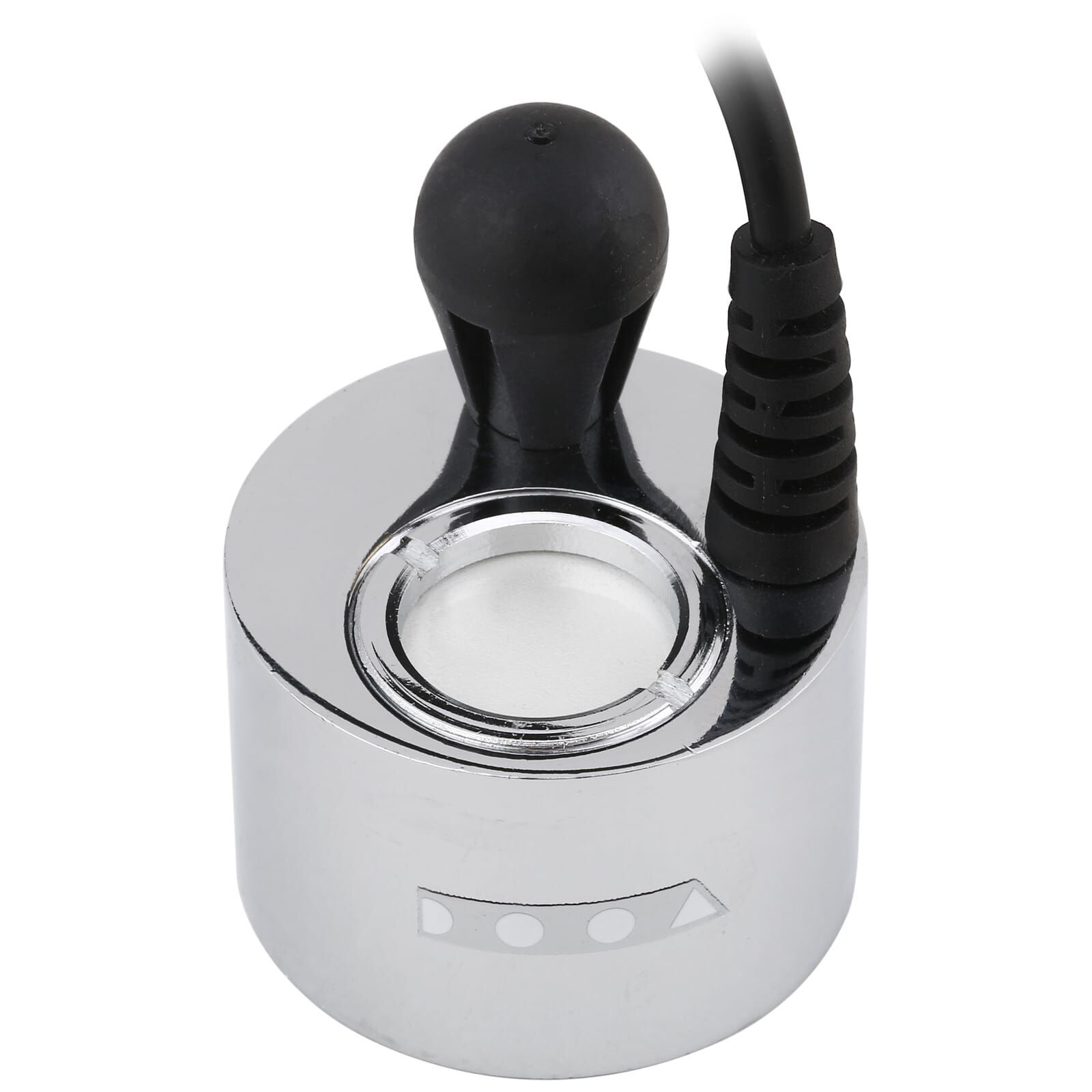
 The Ultrasonic Fogger
To humidify emersed aquatic plants and terrarium plants effectively, you can use an ultrasonic fogger. We explain what it is all about.
An ultrasonic fogger is a device that atomizes liquids into fine droplets by means of high-frequency vibrations to produce a fine mist. Besides reptile keeping and plant care, it is often used in applications such as air humidification, aromatherapy and inhalation therapy. It works like this: ultrasonic foggers work with a piezoelectric element that generates high-frequency vibrations (typically between 1.6 and 2.4 MHz). These vibrations are transmitted to a liquid, usually water or a water-based solution, and cause cavitation: tiny bubbles form and implode, releasing the finest droplets from the liquid surface. The cool mist produced this way can be distributed further with or without a fan, depending on the field of application of the fogger.
Areas of application
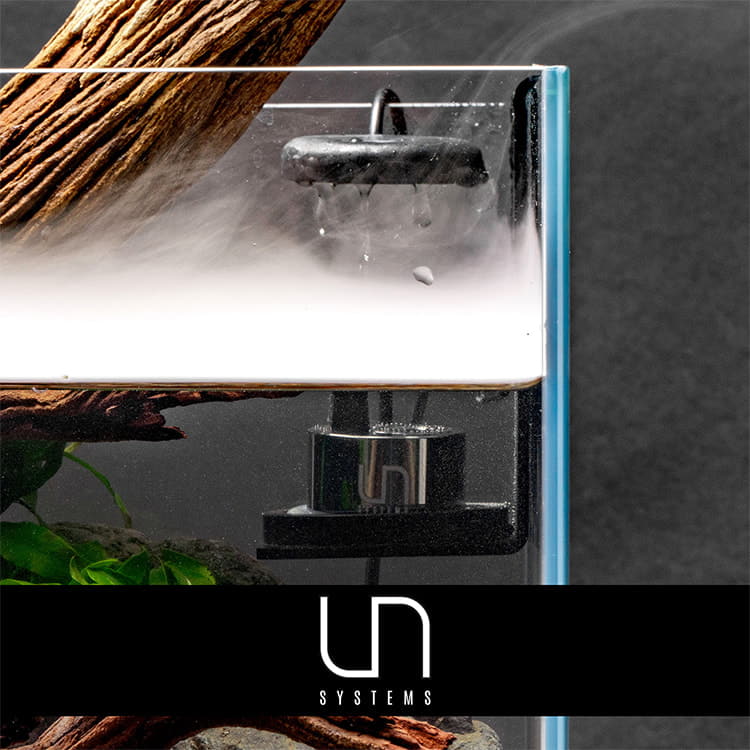
Ultrasonic foggers are used in many areas. In medicine, ultrasonic nebulizers help bring medication directly into the airways as part of inhalation therapy. They are particularly quiet and efficient. In indoor climate control, the ultrasonic fogger provides a pleasant room climate, especially in dry indoor spaces or during the heating season. In reptile and terrarium keeping (in closed containers, especially paludariums and rainforest terrariums), ultrasonic foggers simulate morning mist in combination with high humidity for tropical animal and plant species. Also in emersed aquarium setups or Wabi-Kusas, ultrasonic foggers increase humidity and promote photosynthesis and vitality of moisture-loving plants.
Advantages
An ultrasonic fogger needs very little space and is characterized by low-noise operation. No compressor is necessary. This type of humidification is also very efficient and combines low power consumption with high effect. Another big plus is the immediate effect thanks to the fast atomization of the liquid. The visual side effect of the mist is a real feast for the eyes and enhances any terrascape. A fan also allows the mist to be distributed in a targeted way.
Disadvantages
Limescale residues can sometimes be a problem. With hard water, white residues can deposit throughout the space. Like any technical product, an ultrasonic fogger requires maintenance. Regular cleaning and descaling are necessary to prevent germ formation and to keep the fine atomization at its best. Larger particles in the source water can sometimes be problematic. If necessary, though, the membrane can be easily replaced in a few steps.