 The right bubble rate for my aquarium
To supply the aquatic plants in an aquarium with all the important nutrients, an additional supply of carbon is of particular importance. This is usually done with a CO2 system. You will learn how to dose carbon fertilization correctly in the following article.
What is the bubble rate?
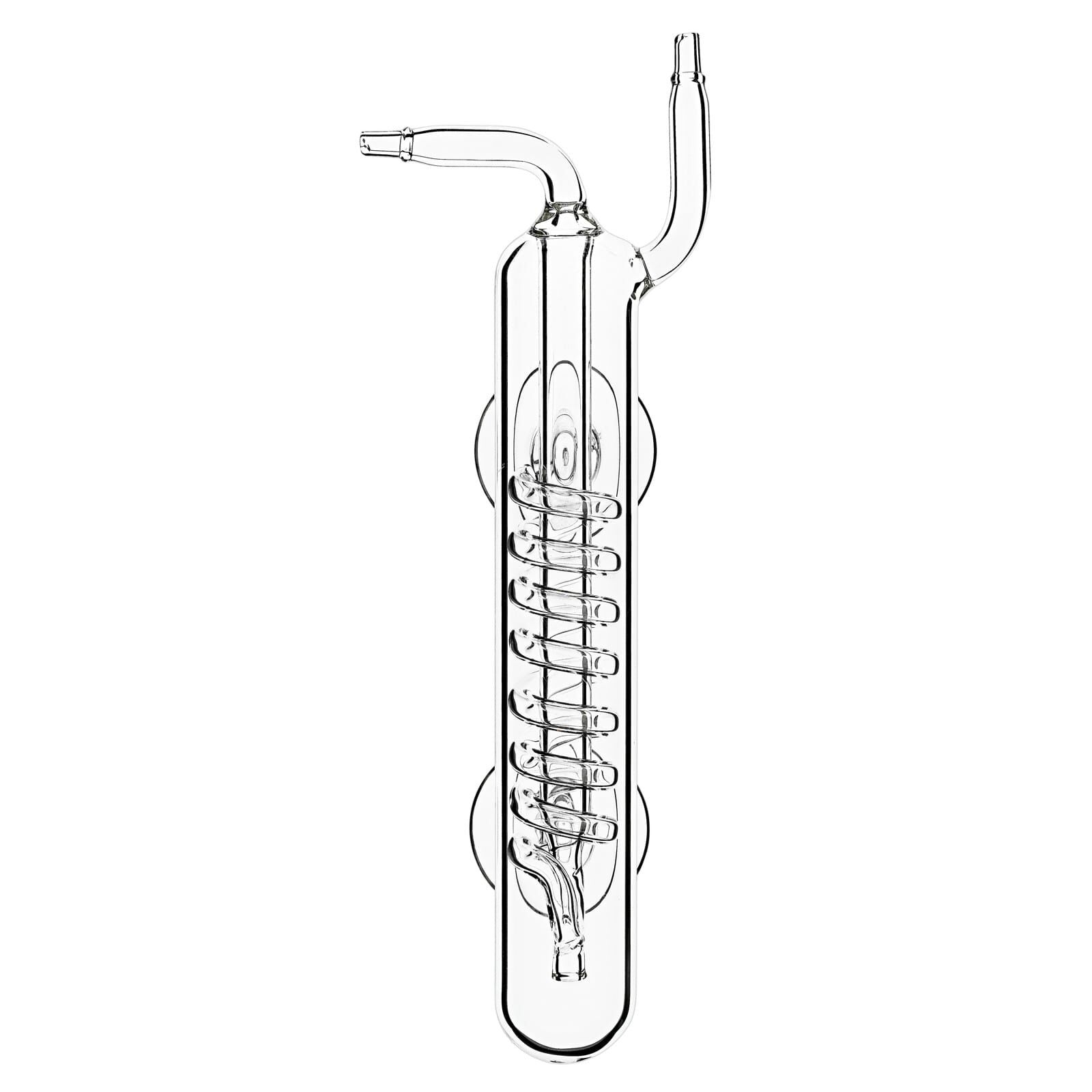
A refillable CO2 system consists of several individual components, such as the gas cylinder and the pressure reducer. One important small component is the so-called bubble counter. It is usually installed in the tubing run between the pressure reducer and the diffuser, often placed where it is easy to see on an aquarium pane. The bubble counter is filled with water, through which the CO2 is passed. Here you can see very clearly, with the naked eye, individual bubbles that emerge at a certain speed while the system is running.
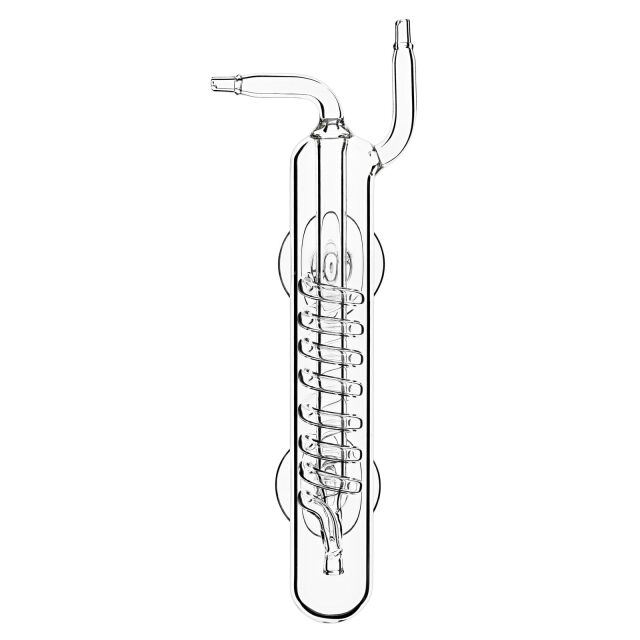
The number of these CO2 bubbles in a certain time interval (for example per minute or per second) can thus be determined as a specific value. This lets the aquarist check and determine how much carbon dioxide is being introduced into the aquarium water. A certain baseline value is important so that you can build on it with targeted increases or decreases. By the way, we explained here how you can easily fill a bubble counter with water.
Rule of thumb for planted aquariums
For aquascapes and moderately to heavily planted aquariums with at least ¾ of the base area planted, you can use the following rule of thumb as a first approach:
For every 10 liters of aquarium volume, allow 10 bpm (= bubbles per minute).
For a standard aquarium of around 60 liters, that means about 60 bubbles per minute should be introduced. For larger aquariums where the bubble rate clearly exceeds 60 bpm, it is easier to switch to counting in bps (= bubbles per second). In these cases, the bubbles race through the counter so fast that you can hardly count their number per minute properly. With the bps value, this is much easier. A note for conversion purposes: 60 bpm equals 1 bps, since a minute consists of 60 seconds.
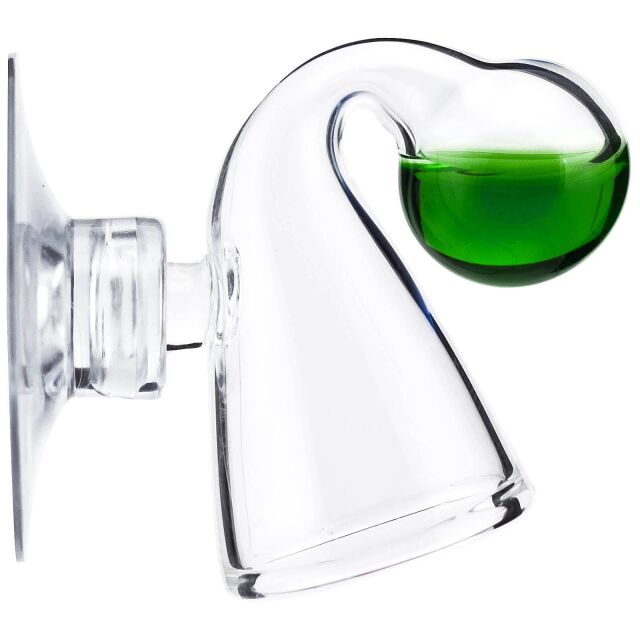
Our rule of thumb mentioned above is also only meant as a rough guideline for moderately to lushly planted aquariums, whose setting you can use as a starting point for a new setup. For aquariums with fewer aquatic plants, this rule of thumb is not suitable or should be adjusted downward accordingly. In any case, the actual CO2 level in the aquarium itself should be monitored with a drop checker filled with fresh test reagent. Also note that the test liquid always reacts with a color change only after a delay of a few hours. Changes to the CO2 concentration should be made carefully and deliberately, keeping an eye on the stocking.
Changing the bubble rate
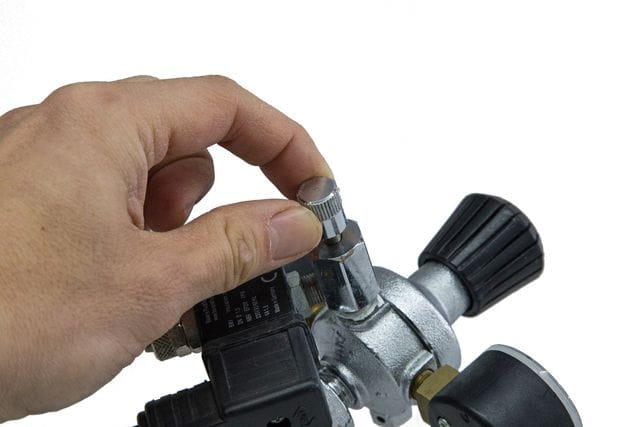
The bubble rate is usually increased or decreased at the so-called needle valve, which is built into the pressure reducer. A minimal turn can change the amount of gas being introduced. Caution: here too, the reading in the bubble counter may react with a slight delay. Changes should therefore always be made in small steps and observed over a longer period.
The bubble rate can also change due to other, external influences. If the aquarist changes the working pressure at the pressure reducer, for example, this also affects the bubble rate. As the contents of a refillable cylinder run low, the cylinder pressure also drops (usually below 50 bar). The pressure reducer compensates for this with increased working pressure. However, this can result in a significant increase in the bubble rate and in the gas being introduced. If this endangers the aquarium inhabitants (yellow color of the drop checker), the aquarium owner should turn the working pressure down manually a little. Another alternative would be to use a dual-stage pressure reducer. It prevents the gas being introduced from increasing as the cylinder steadily empties.
If the bubble rate rises explosively, the cause is often a leak or a burst hose in the run from the bubble counter to the CO2 diffuser. On the other hand, the CO2 bubble rate can decrease if, for example, the membrane of the diffuser is dirty or covered in algae. This reduces permeability, and the system needs more pressure to overcome this obstacle. Regular cleaning of the diffuser helps here.