 Activated carbon in the aquarium
The use of activated carbon in aquaristics falls, in principle, under physical filtration or physisorption. For this, activated carbon is used as a filter material in aquarium filters to remove certain substances from the water. In this article, we explain how the principle behind carbon filtration works and list the pros and cons. We also refer specifically to the approach in a planted aquarium or aquascape.
What is activated carbon made of?
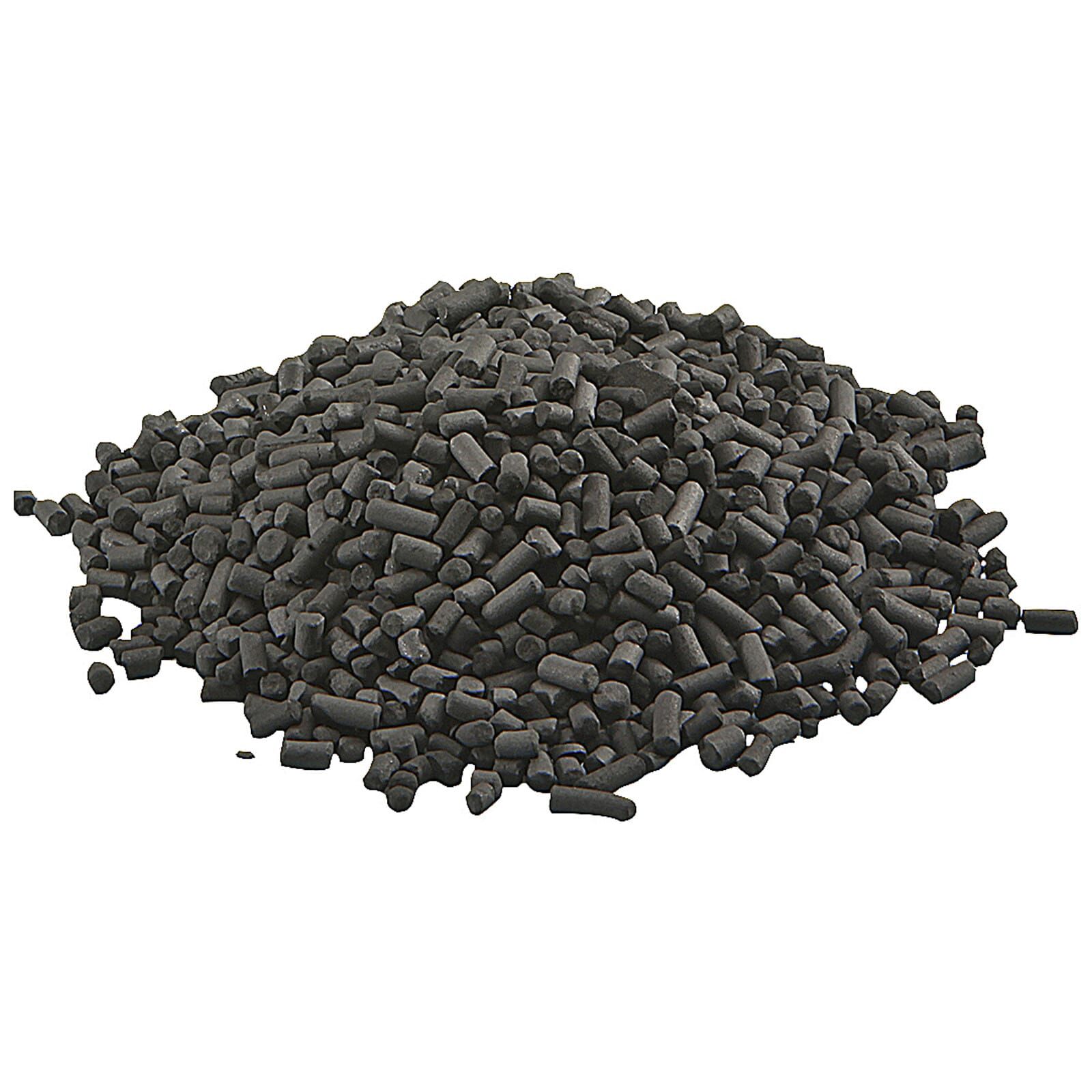
Activated carbon is a physical or mechanical adsorbent and consists of 90% carbon. Starting materials can be, for example, hard coal, coconut shell charcoal or other organic products. In the production of activated carbon, so-called steam activation comes into play: the raw material is treated with steam at approx. 900 °C. This removes moisture from it and increases the number of pores. Depending on the manufacturing process, the activated carbon intended later as filter material is then brought into a certain shape - round beads, small chips or elongated sticks. Depending on the ash content and the quality of the activated carbon, it can in some cases influence the pH and release phosphate. Particularly high-quality products are as pH-neutral as possible and contain only very little phosphate.
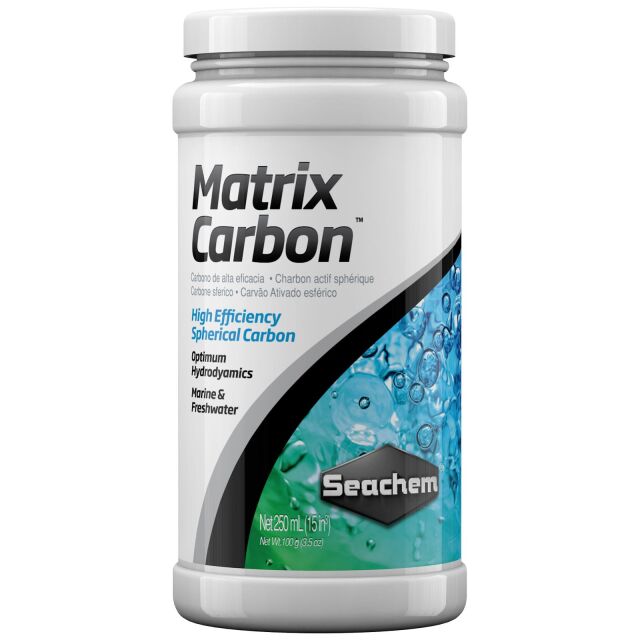
Seachem Matrix Carbon is a high-quality activated carbon with a very low phosphate content.
How does activated carbon work?
As a filter medium, the very porous activated carbon offers a large surface area that can take up certain substances. Different pore sizes are especially helpful for this. Depending on their diameter, we speak of submicropores, micropores, mesopores and macropores. While the largest pores are responsible for giving the substances to be bound access to the interior of the carbon, the uptake and binding of the substances takes place via the smaller pores. Microporous carbon primarily takes up smaller ions such as metals (trace elements). The larger pores (meso- and macropores), on the other hand, matter for larger molecules. These include, for example, tannins, which can tint the aquarium water brownish, or other organic compounds. This also includes, above all, various nitrogen compounds, which are generally regarded as water-polluting substances in an aquarium.
Areas of use for activated carbon
Activated carbon is used not only in aquaristics but also in professional water treatment, as an air filter and in the medical field. In an aquarium, this special filter material can filter out many unwanted substances. Activated carbon can be used well after medication has been used in the aquarium, to remove the last residues from the water. It also provides very clear water, since, as described above, it filters out tannins. Activated carbon can also take over the task of water treatment, since it binds chlorine, ozone, unwanted odors or dyes, and bacteria and thereby removes them from the water.
Lifespan of activated carbon
The absorption capacity of activated carbon is limited; the material is exhausted after a certain time. Larger molecules, bacterial films and dirt particles clog the pores, so the absorption capacity decreases more and more the longer it runs. There may also be a possibility of accumulated substances being released back into the aquarium water. Many manufacturers therefore recommend replacing the filter material after 14 days. Once used up, activated carbon should not be reused in the aquarium.
Activated carbon and the planted aquarium
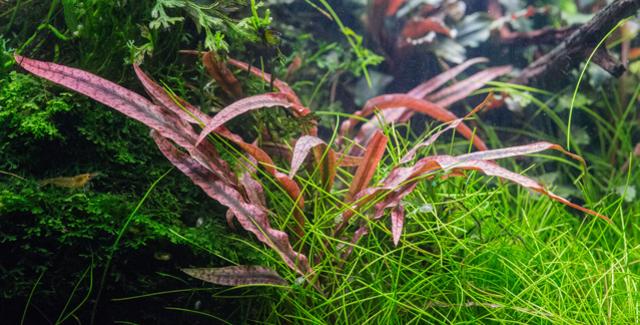
Precisely because activated carbon can bind important trace elements from the water, permanent use of this filter material should be approached with caution, especially in an aquarium with many aquatic plants. In the end, deficiency symptoms can occur because the plants lack exactly these elements. Even if you regularly add iron and other trace elements via a liquid fertilizer, part of it is bound again directly by the activated carbon after dosing. The nutrients are then not available to the plants. If you want to use activated carbon for water clarity, there are certainly alternatives: in a planted aquarium, the filter medium Seachem Purigen has proven itself, which provides clear water and removes organic pollutants but has no negative effects on the trace elements in the aquarium water.
Conclusion
Activated carbon is a quite powerful tool when it comes to filtering aquariums. It should therefore be used with care. Only short-term use in the aquarium is recommended, and by no means permanent use. Activated carbon is well suited for filtering out medication residues and provides clean, clear water. After 14 days at the latest, however, the filter additive should be removed or replaced again.
Longer use of activated carbon is not recommended in planted aquariums in particular, as it can remove important nutrients such as trace elements. During an ongoing medication treatment in the aquarium, too, the activated carbon must be taken out of the filter, because it would eliminate the medication against fish diseases directly.