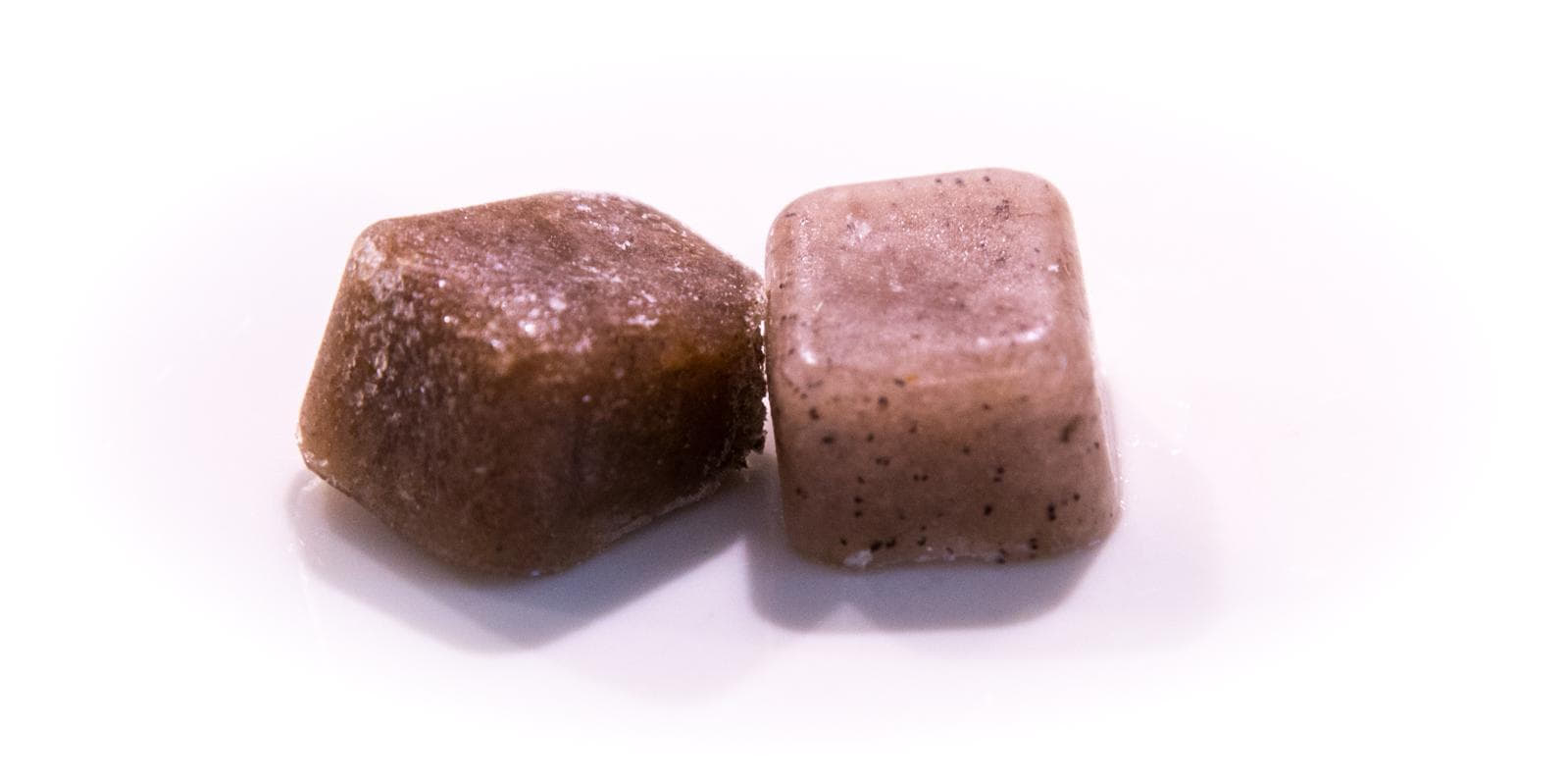
 Aquarium: thawing frozen food
A good choice for providing protein-rich food in aquarium keeping is so-called frozen food. Typically, meaty food types such as tubifex, artemia, water fleas, krill, copepods and various mosquito larvae are available. Besides live food, feeding frozen food is another good way to feed your aquarium animals a carnivorous diet. For a good meal, however, the frozen food should also be prepared a little. In this article, we show how best to go about it.
Why prepare frozen food?
Frozen food usually comes as small square portions in blister packs that can be kept in the freezer. The most important preparation before feeding is thawing the frozen food cubes. For one thing, it is easier on the ornamental fish if the food is not ice cold. For another, the liquid in which the food was frozen is very rich in phosphate and also nitrate. To avoid burdening the aquarium water unnecessarily with these elements, rinsing the frozen food beforehand is a common method. In addition, the contents of such a food cube can then also be portioned better and divided into smaller bites. After all, the amount in a complete cube is not always the right amount of food and can definitely be too much in small aquariums with little fish stocking.
How to prepare frozen food?
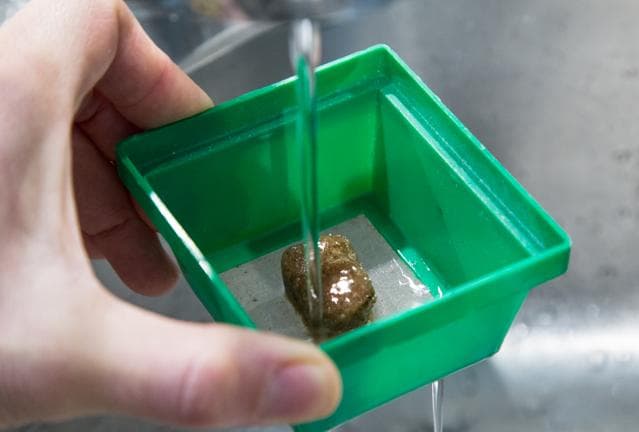
Frozen food can be rinsed quite easily and quickly under running water. Simply use cold to hand-warm water for this. Warming the water is not necessary and is sometimes even counterproductive, since hot temperatures meeting very low temperatures can sometimes damage the cells of the food animals. Even cold water still ensures a fairly quick rinsing process and fast thawing of the food. This rules out any loss of vitamins from soaking too long and keeps the food nutritious.
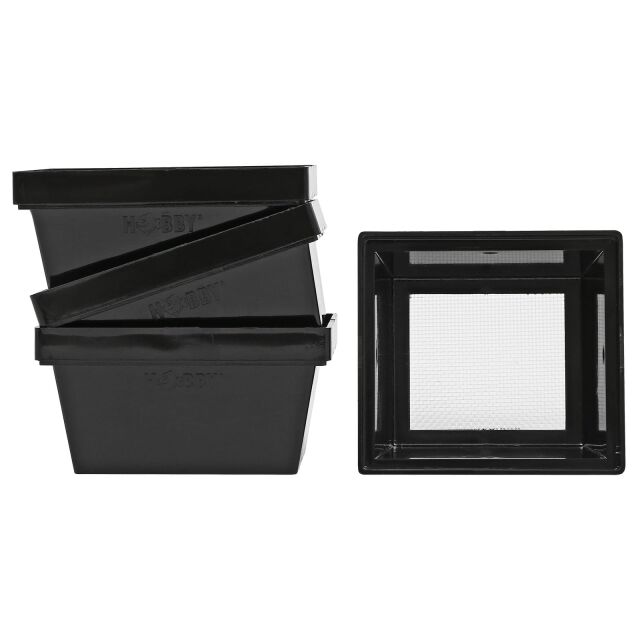
So that the frozen food is not washed away, the rinsing should be done in suitable fine sieves. For this, the aquarist can use so-called artemia sieves, which are also available with different pore sizes. Having different sieves at hand is definitely an advantage, since the different types of food come in different sizes.
Small types of food such as artemia nauplii or copepods can be held back better with a finer sieve. Larger sieve sizes are accordingly well suited for larger types of food such as adult artemia, mysis or mosquito larvae. Thanks to the somewhat larger mesh, the water does not drain too slowly and the pores do not clog.
After thawing, the frozen food can also be divided into smaller portions more easily. This is much easier than having to cut through a frozen block of ice with a knife. With tweezers or a small spoon, the now ready-prepared food can be fed well and in a targeted way.
How to feed frozen food?
As with all types of food, with frozen food too you should feed as little as the aquarium inhabitants can eat within a few minutes. Leftovers indicate too large an amount of food and should be removed manually so that no water pollution occurs.
Feel free to vary the diet and switch the types of food from time to time so that the animals are not fed too one-sidedly. The food should always be the right size for their mouths, however.
By the way, most aquarium fish are omnivores. This means that meaty food is eaten gladly, but the diet plan can also be supplemented with plant-based food. This keeps feeding balanced and reduces the risk of the animals becoming fat over time.
In addition, one or two fasting days per week can be observed in an aquarium. During that time, the animals find enough other food sources in the aquarium and thus stay slim and vital. This also has a positive effect on the water load.