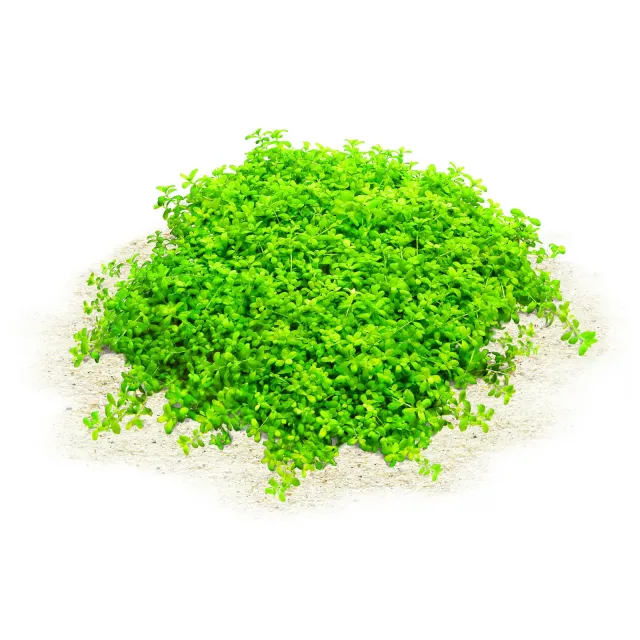
Riccardia sp. "chamedryfolia"
Coral moss
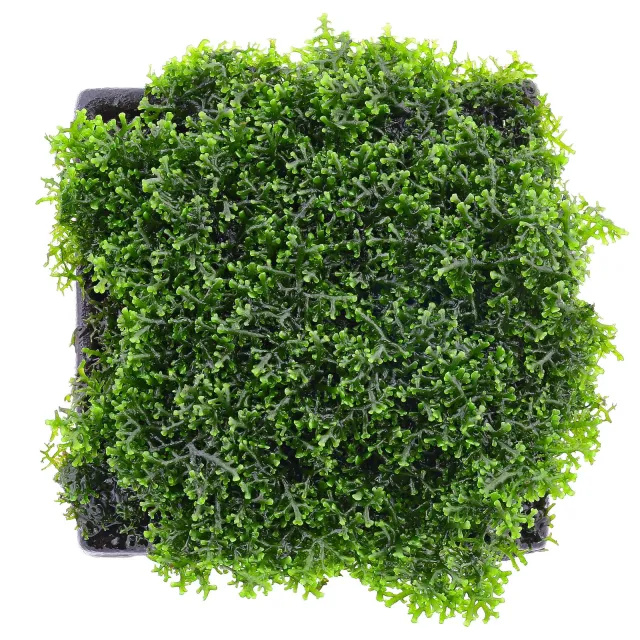
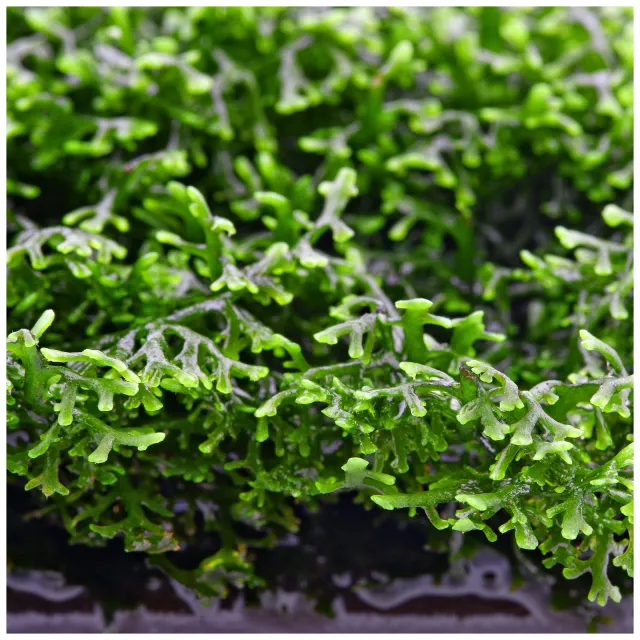

Riccardia sp. "chamedryfolia"
Coral moss
- Forms compact yet delicate cushions
- Attaches itself to the hardscape
- Very popular in aquascaping
Curbside delivery: This item ships by freight carrier and is delivered to the curb only, not to your door or into your home. The carrier will call you in advance to schedule a delivery date. Learn more about freight delivery
Customers also bought

We’re here for you!
Please enter your question and e-mail and we’ll contact you as soon as possible. It usually takes us up to 24 hours during business days to respond.
Thank you for your question!
Thank you, we’ll get in touch!
Close window
You already sent us a question.
Please wait a few minutes
Description
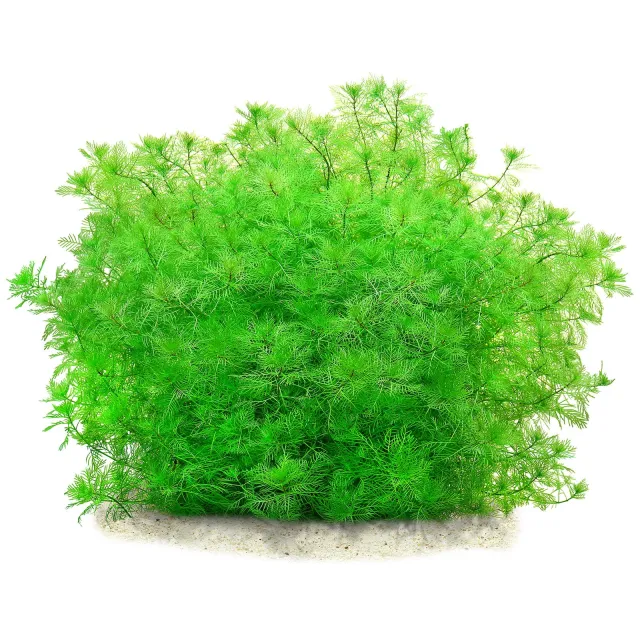
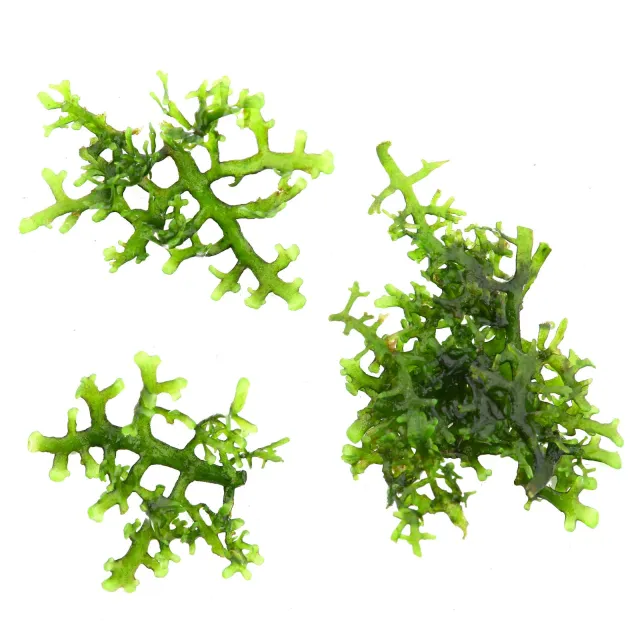
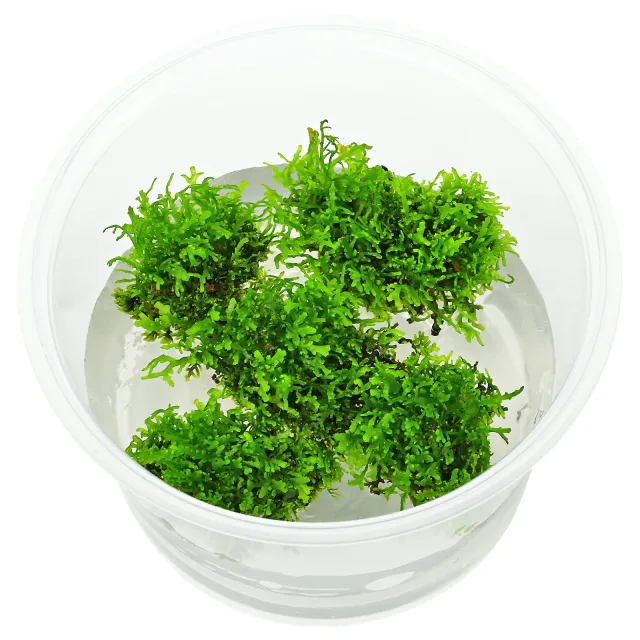
Riccardia species are delicate, dark to medium green liverworts, clinging to wood or rock with their rhizoids, where they form compact cushions or lawn-like populations. They are called "Coral moss" or "Mini Pellia" in the aquarium hobby due to their dense ramification.
There are at least three different Riccardia types in the aquarium hobby, labeled in the trade i.a. Riccardia chamedryfolia and R. graeffei. However the correctness of their identification is not yet proven. Therefore we use the name Riccardia sp. "chamedryfolia" for the type that is labeled R. chamedryfola in trade. It develops quite firm, narrow, rather ascending branches that are more or less pinnately ramified.
"Coral moss" is not very demanding, however it looks best with at least medium lighting and good CO2 and nutrient supply. It should be placed into already cycled, well-running aquariums. Good lighting promotes compact cushions with densely ramified branches. Riccardia can be glued, tied or simply stuffed into the cracks and gaps of the hardscape. When the cushions have grown very big, they will detach from the substrate sooner or later. Therefore timely trimming is recommendable.
Riccardia sp. "chamedryfolia" can be variously used in the aquascaping for greening of wood and rock. With its filigree structure and slow growth, it is also an ideal choice for nano tanks.
Characteristics
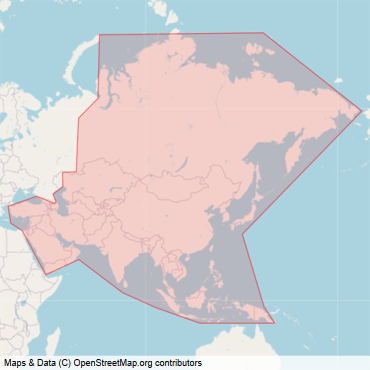
Riccardia species (German: “Riccardimoos”) are small, delicately branched liverworts. The genus Riccardia was described in 1821 by Asa Gray, and to date more than 400(!) species names have been published. The actual number of species is still uncertain; it is generally estimated that there are “only” 90-100 Riccardia species worldwide. These species look very similar to one another and are often difficult to identify.
Most Riccardia species occur in the tropics and in the southern hemisphere, but some also in cool northern latitudes. Five species are known from Europe including Germany: Riccardia chamedryfolia, R. incurvata, R. latifrons, R. multifida and R. palmata. In the wild, Riccardia species colonise various moist to wet sites: stream banks, springs, peaty soil, tree roots, rock with trickling water, etc. ()
| Common names | Mini Pellia, Coral Pellia |
|---|---|
| Family | Aneuraceae |
| Genus | Riccardia |
| Difficulty | easy |
| Usage | Epiphyte (growing on hardscape), Nano tanks |
| Growth | slow |
| pH value | 5 - 7.5 |
| Temperature tolerance | 18 - 28°C |
| Carbonate hardness | 0 - 14°dKH |
| General hardness | 0 - 30°dGH |
| Propagation | Splitting, cutting off daughter plants |
| Can grow emersed? | yes |
| Source | Flowgrow |
How many plants do I need?
General information
Please choose a variant to see more information.
| Item no. |
|
|---|---|
| EAN | |
| Weight | |
| Shipping weight |
Questions and answers about Riccardia sp. "chamedryfolia"
Do you have questions about this product? Ask other customers or our support team!
Customer reviews
86 Reviews
| 5 Stars(61) |
|
| 4 Stars(11) |
|
| 3 Stars(7) |
|
| 2 Stars(3) |
|
| 1 Star(4) |
|

As ordered, keep it up ????????????
Everything very well packed ????
Show original
????????????
Wie bestellt macht weiter so ????????????
Alles sehr gut verpackt ????
As ordered, keep it up ????????????
Everything very well packed ????
Show original
????????????
Wie bestellt macht weiter so ????????????
Alles sehr gut verpackt ????
The moss attaches well to a root and immediately has a nice, vibrant green color. The in vitro cup was well filled, I can recommend it.
Show original
Gut haftendes, dunkelgrünes Moos
Das Moos haftet gut auf einer Wurzel und hat direkt eine schön kräftig grüne Farbe. In Vitro Becher war gut gefüllt, kann ich weiterempfehlen.