Climbers
14 results
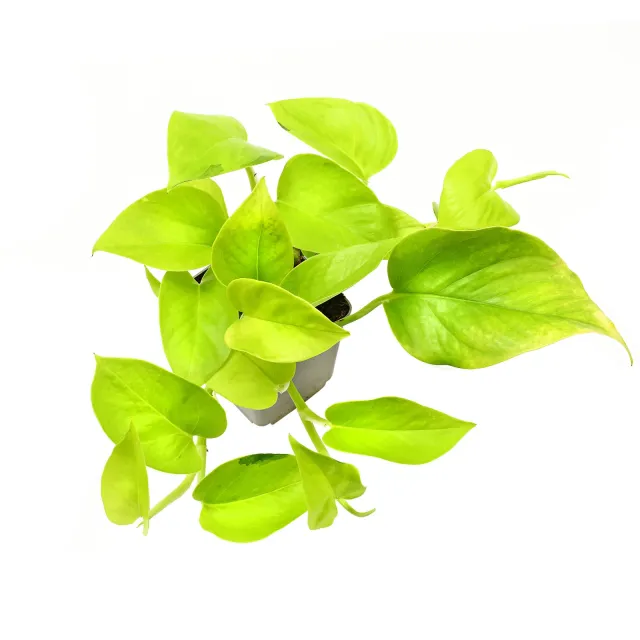
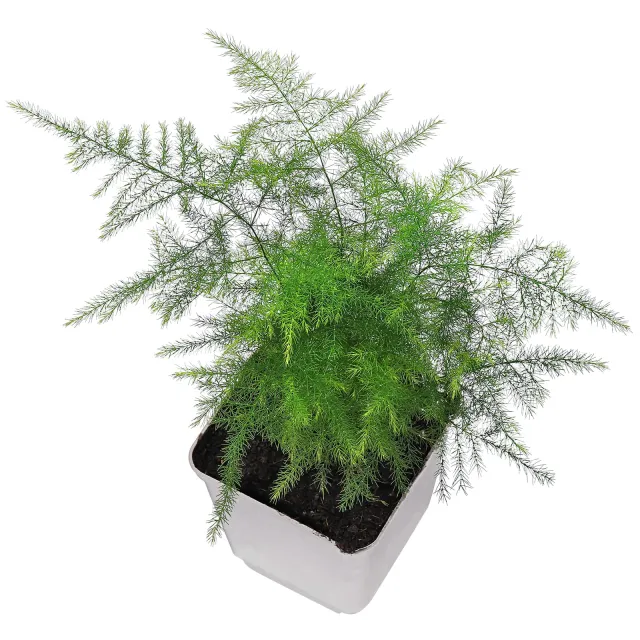
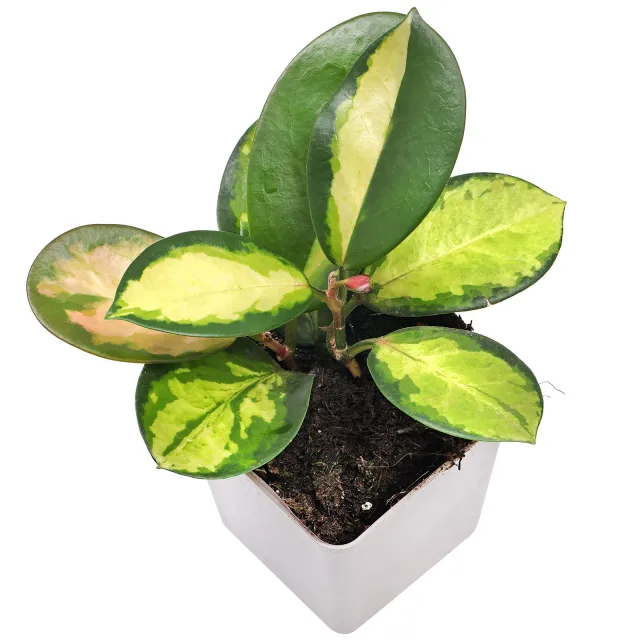
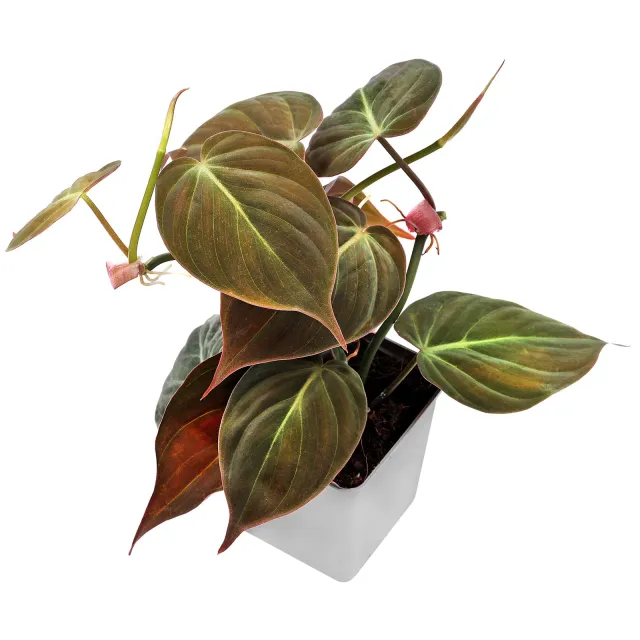
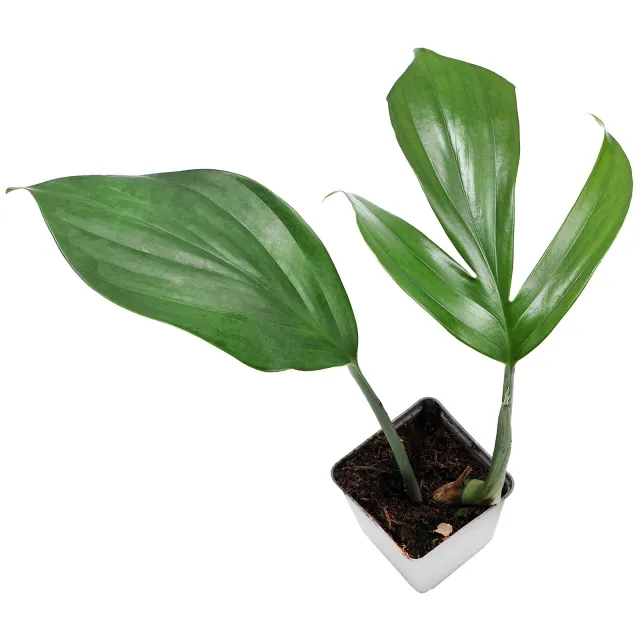
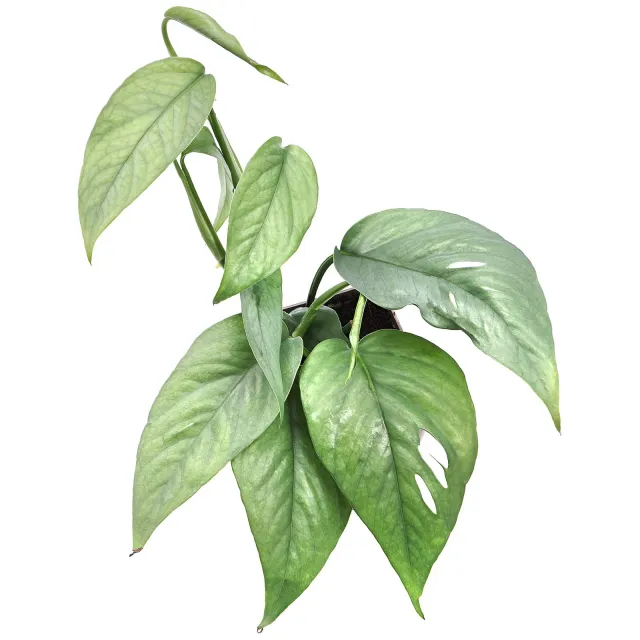
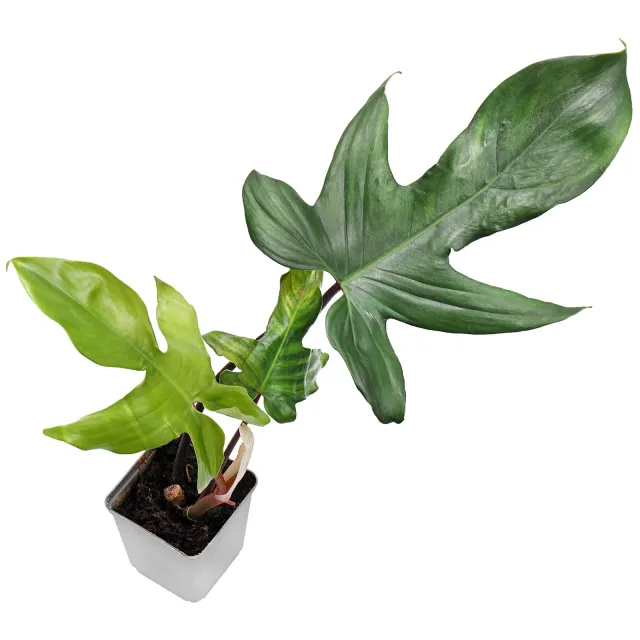
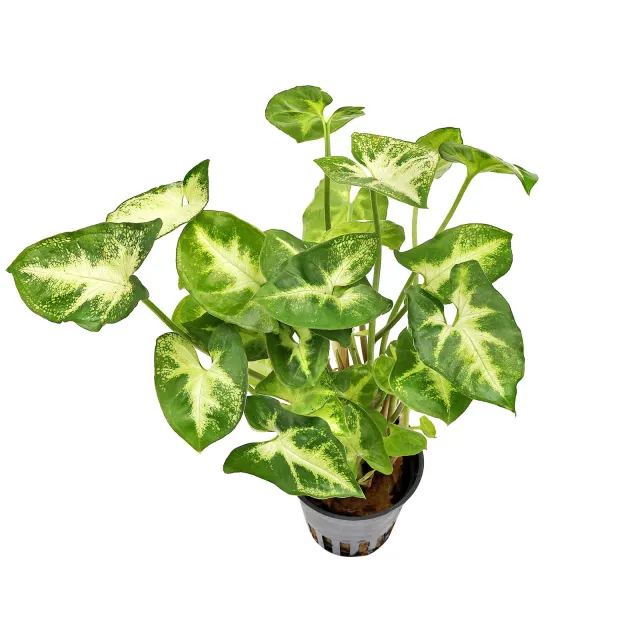
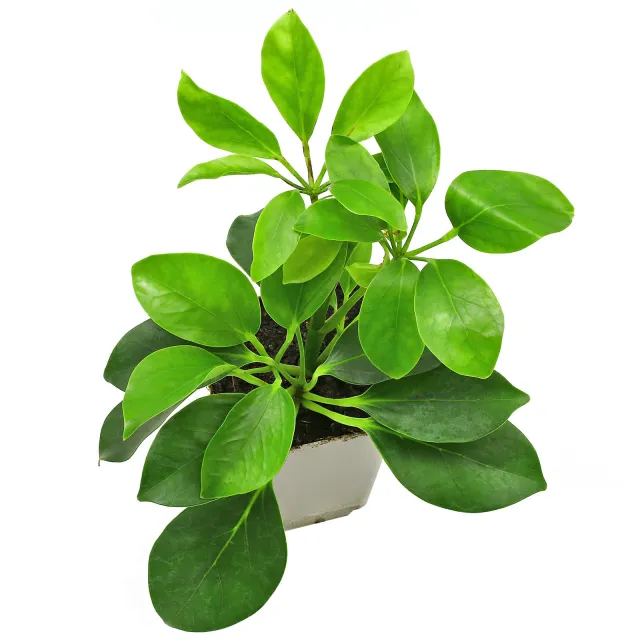
Terrarium plants - Climbers - Let your terrarium go green!
Rampant lianas hanging down from trees shape our image of a tropical jungle. Climbing plants are found in all parts of the world where trees and shrubs thrive, but they are most common and diverse in the humid tropics. They use the supporting strength of woody plants to reach the light with little effort. They include small, graceful climbers on tree trunks as well as huge twining plants that overgrow entire trees, herbaceous plants as well as woody climbers. Climbing plant species often show a big difference between the juvenile form, in which they grow up the trees, and the flowering and fruiting adult form that they develop in the treetops.
Based on their climbing technique, they can be divided into:
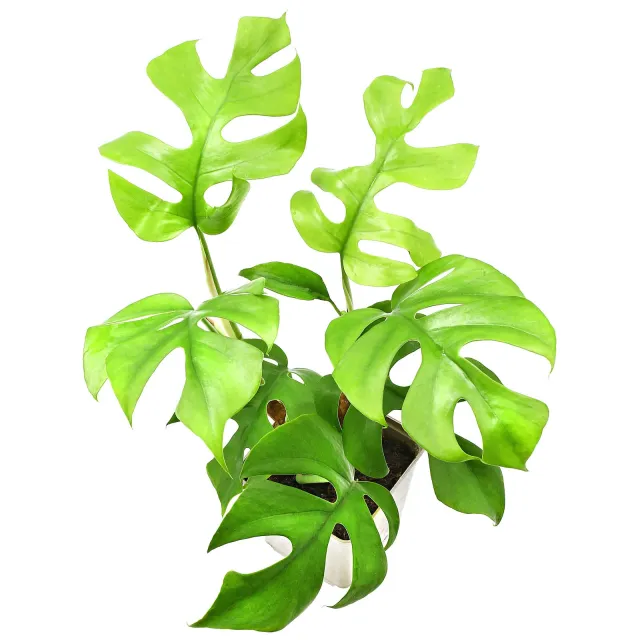
- Self-clinging climbers: These plants can attach themselves to flat surfaces, usually by means of clinging roots, but also by tendrils with adhesive pads. A typical climber with clinging roots is ivy, which can cover tree trunks as well as rocks and masonry. Climbing fig species such as Ficus pumila grow in a very similar way. Many aroids such as Philodendron and Monstera species and even some ferns also climb with the help of clinging roots. You can use self-clinging climbers to green any surface in the terrarium, and climbing plants of this type can often be used as ground cover as well.
- Tendril climbers: They form specialized organs, tendrils, that wrap around thin structures such as twigs and stalks. There are also leaf-stalk climbers. They can hardly hold on to flat surfaces unless their tendrils have adhesive organs, which makes them self-clinging climbers. That's why they need a climbing aid. Typical tendril climbers include members of the grape family (Vitaceae) such as Cissus species, passion flowers (Passiflora) and many members of the gourd family (Cucurbitaceae).
- Twining plants, also called twiners: They wind their stems around a support. Like tendril climbers, they cannot attach themselves to flat surfaces and need a climbing aid. Countless climbing plants grow by twining, among tropical plants e.g. the wax plants (Hoya), or from our native flora bindweeds, hops and honeysuckle.
- Scramblers: They climb rather passively by hooking themselves into the thicket with prickles, thorns and the like, such as roses and blackberries, or in the tropics e.g. the rattan palms (Calamus).
Bestsellers in this category