Paludarium
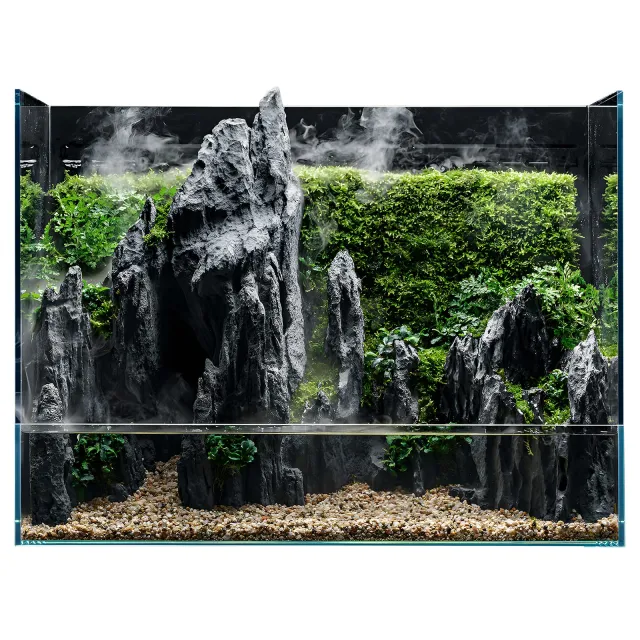

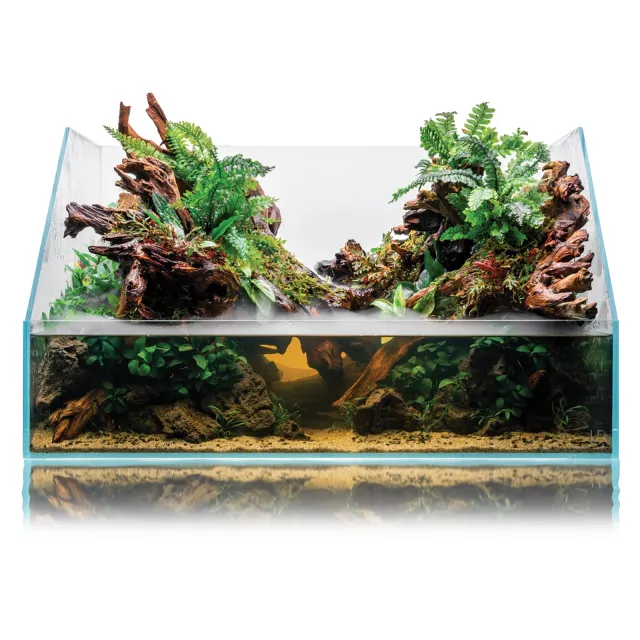
UNS Paludarium - Where Land Meets Water
Ultum Nature Systems Paludariums: The Combination of Aquarium and Terrarium
A paludarium is a fascinating ecosystem that combines both aquatic and terrestrial habitats. It offers a unique opportunity to keep a wide variety of living creatures in a controlled environment. Caring for a paludarium requires special knowledge and skills, as the needs of both habitats have to be taken into account. Setting up a paludarium starts with choosing a suitable container that can hold both a water section and a land section.
UNS paludariums are available in various sizes and designs. In our online shop, you'll find models with an aquarium section of 8 to 25 liters. The particularly popular 60E offers the ideal compromise between enough size for creative freedom and manageable maintenance. The paludariums are made of high-quality diamond glass and feature a number of innovative characteristics that make them an ideal choice for paludarium enthusiasts.
The key features of UNS paludariums include:
Rimless design: The paludariums have an elegant, minimalist design without a visible frame.
45-degree glass edges: The glass edges are mitered and bonded, which makes the paludarium even more stable and provides a great view of the layout.
Ultra-clear glass: The glass is exceptionally clear and reflections are minimal, so the colors of the plants and the hardscape stand out even better.
Foresta Integrated Paludarium:
The Foresta Paludarium System is a fully integrated system, equipped with a filter for the water section and a cascading waterfall wall. The system also comes with an ultrasonic fogger, which creates an impressive mist effect and increases humidity.
The integrated filtration makes additional external devices unnecessary. The three-chamber filter system contains the USB-powered water pump, coarse aquarium sponges and the fogger. All three chambers work together to provide filtration, misting and a waterfall effect, resulting in smooth operation and a beautiful tropical environment.
Choosing suitable plants that can thrive in this special habitat is another important consideration. With the right care and maintenance, a paludarium can be a breathtaking and vibrant representation of nature.
Benefits of a Paludarium
A paludarium offers numerous benefits. It creates a natural habitat for a wide variety of living creatures. By combining aquatic and terrestrial areas, different habitats can be simulated. A paludarium also allows you to cultivate plants that thrive both underwater and on land. It is aesthetically pleasing, too, and can be an eye-catcher in any home. In addition, a paludarium promotes the development of a healthy ecosystem, which helps reduce pests. It also offers an excellent opportunity to observe and explore different aspects of animal and plant life.
Aesthetic Design Options
Aesthetic design is an art that aims to create visually appealing and meaningful designs. There are many techniques for making a layout aesthetically pleasing. Colors, shapes, lines, textures and spaces play an important role. Colors can evoke moods, feelings and reactions. Shapes can help convey a particular message. Lines can represent movement and energy. Textures can change the look and feel of a design. Spaces can create depth and perspective. Good aesthetic design takes all of these elements into account to create a harmonious and coherent overall picture.
Planning and Setting Up a Paludarium
Planning and setting up a paludarium requires careful consideration. It starts with choosing the right container, which must be large enough to accommodate diverse flora and fauna. The design of the habitat includes both land and water areas, with the ideal ratio varying depending on the intended inhabitants. The right lighting is also important, as it promotes plant growth while creating a pleasant atmosphere. Properly sized water filtration is essential to ensure a healthy habitat.
Setting Up the Necessary Equipment (Lighting, Ventilation, Filtration, Heating)
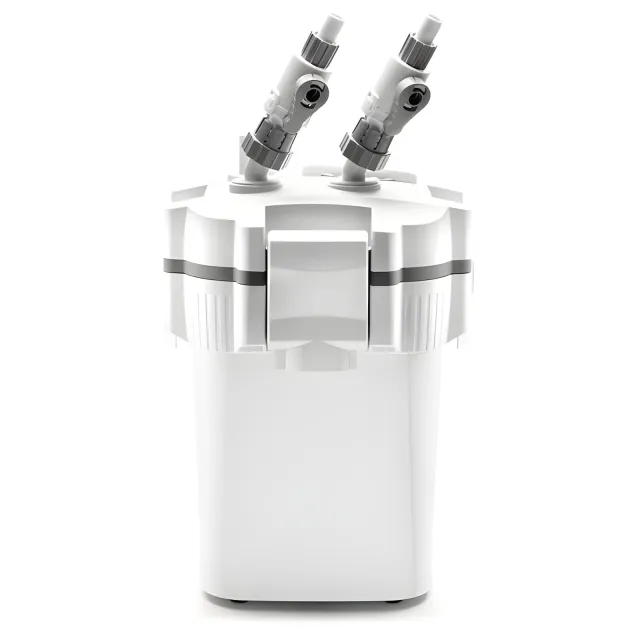
When setting up the necessary equipment for a paludarium, there are 4 important factors to consider: lighting, filtration, heating and ventilation. Proper lighting is essential to promote plant growth. Filtration is another critical aspect, as it helps keep the water clean and prevents the buildup of harmful chemicals and detritus. Finally, suitable heating is necessary to maintain the right water temperature. A humidifier combined with a fan can ensure optimal humidity and ventilation. Each of these aspects requires careful planning and execution to make sure the paludarium stays healthy and attractive.
Care and Maintenance of a Paludarium
Caring for and maintaining a paludarium requires diligence and patience. One important aspect is the right temperature and humidity. Regular cleaning is also crucial to prevent algae or mold from forming. It's important to monitor water quality and treat it if necessary to maintain a healthy ecosystem. The health and growth of the plants should also be monitored. In case of diseases or pests, you need to act quickly. Good maintenance also includes regularly trimming plants and removing dead material. With the right care and maintenance, your paludarium can remain a thriving, vibrant miniature world.
Inspiration and Tips for Designing a Paludarium
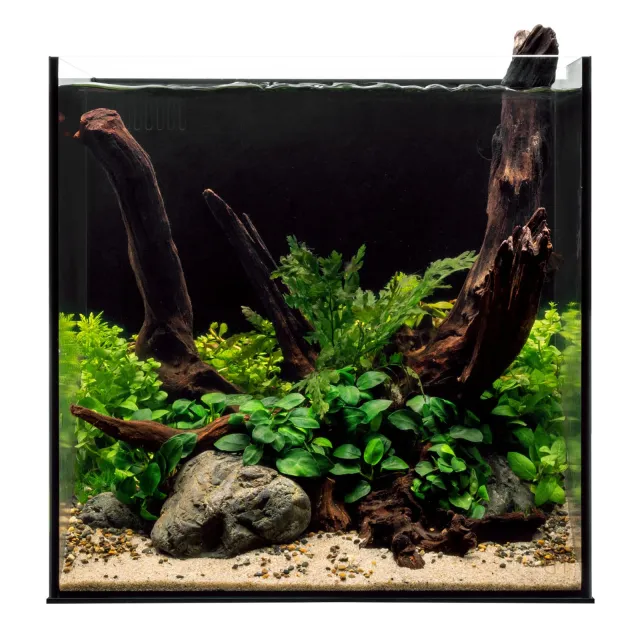
A paludarium is a wonderful piece of nature for your home. Natural materials such as stones, moss and wood are excellent for creating a realistic landscape. It's important to make sure there's a good filtration system to keep the water clean and clear. Good lighting is also important to promote plant growth and create a pleasant atmosphere.
Regular care and maintenance are essential to make sure the paludarium stays healthy and vibrant. It's a good idea to learn about the specific needs of your plants and animals to make sure they thrive.
Thematic Design Options (Rainforest, Mangroves, Desert)
In thematic design, whether rainforest, mangroves or desert, the choice of theme can have a significant impact on the overall effect. When depicting a rainforest, you should focus on the diversity of plants and animals and the dense greenery. With mangroves, on the other hand, the unique root systems and the interplay of land and water take center stage. A desert landscape is characterized by minimal plant growth, expansive sandy areas and extreme temperature fluctuations. With any thematic design, it's important to stay authentic and highlight the characteristic elements of the chosen theme. The climatic and geographical conditions that shape the appearance of the chosen theme should also be taken into account. Incorporating these aspects into the design can help create a convincing and realistic representation.
Bestsellers in this category