Chemical
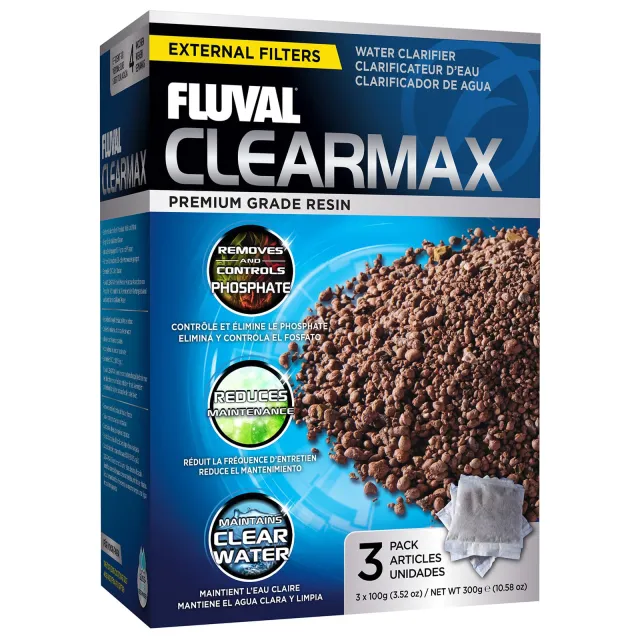
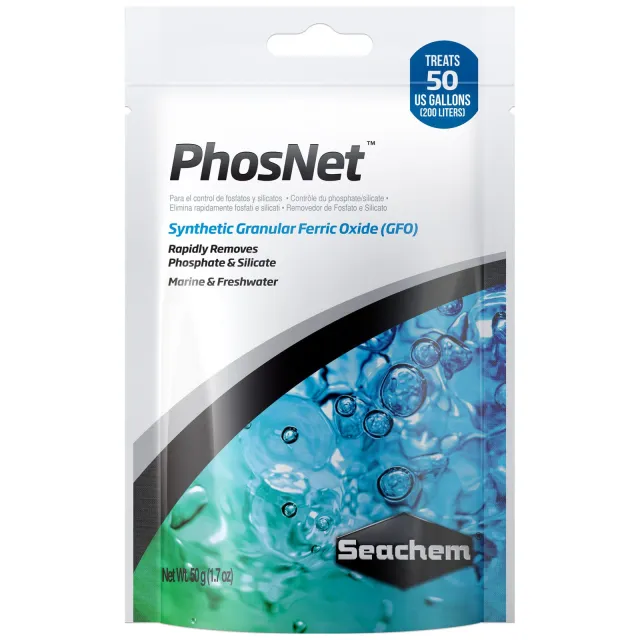
Chemical filter media for the aquarium: Professional water purification
The quality of the water in an aquarium is crucial for the well-being of the fish and aquatic plants. This is where chemical filter media come into play, offering an efficient method of water purification. This article explains how chemical filter media work and why they are invaluable in an aquarium.
What are chemical filter media?
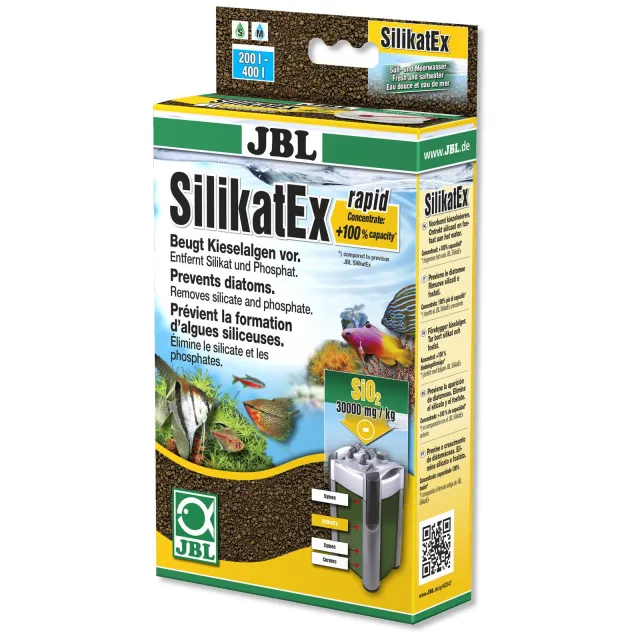
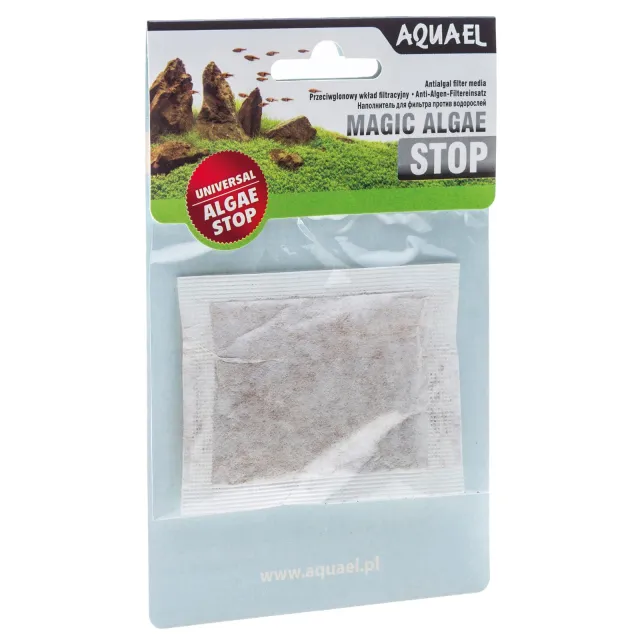
Chemical filter media are special materials used in the aquarium filter to remove impurities and unwanted chemicals such as chlorine from the water. Chemical filter media can also be used to specifically limit the concentration of substances such as nitrate or phosphate.
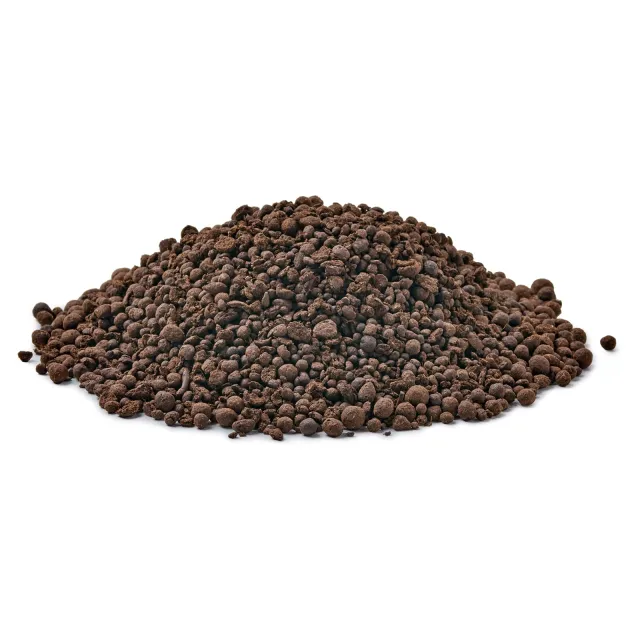
Chemical filter materials can be roughly divided into zeolites, activated carbon, peat and absorbers.
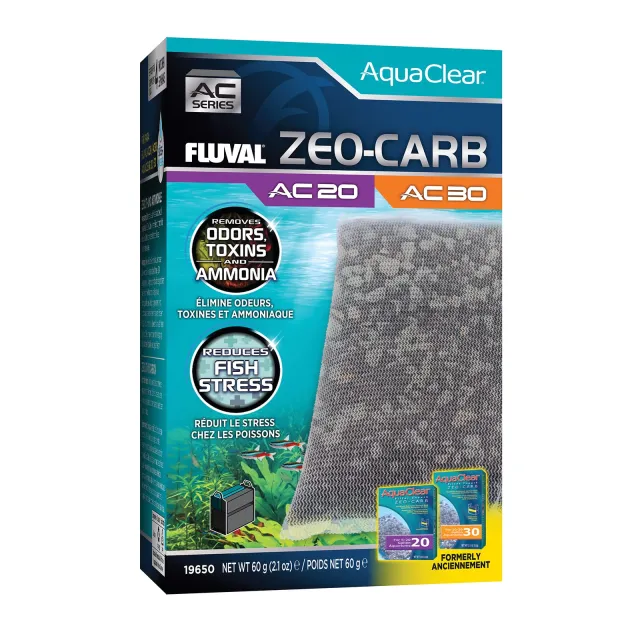
Zeolite is a collective term for crystalline aluminosilicates. They act as ion exchangers, which simply means that they can exchange unwanted nitrates and phosphates for less harmful substances. However, the material has to be replaced or regenerated after a certain period of time. This requires special "regeneration salts".
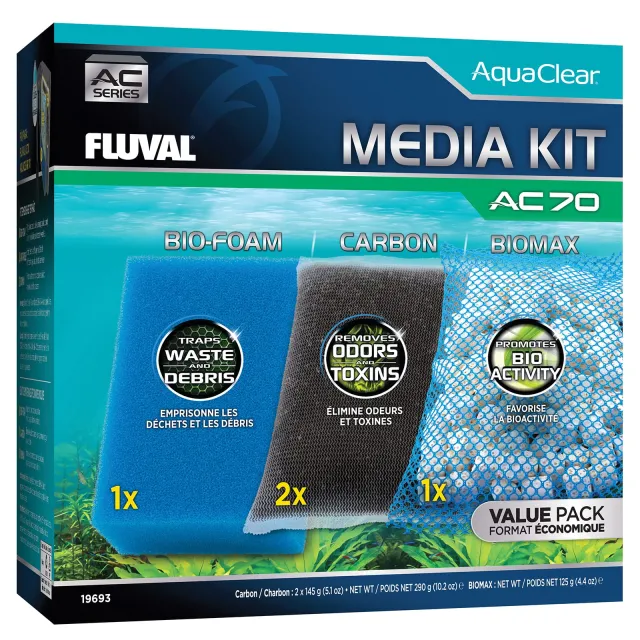
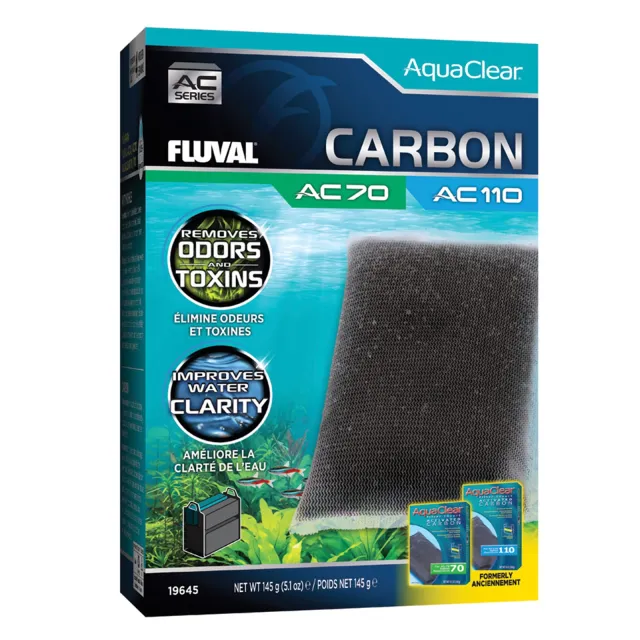
Activated carbon is a porous, fine-grained carbon that is also used in drinking water treatment. The starting material is natural hard coal or lignite. Various chemical processes increase the surface area of the carbon many times over. Depending on the manufacturer, the internal surface area and the associated adsorption capacity vary between 300 and 2,000 m2/g. For comparison: on average, 4 g of activated carbon has roughly the surface area of a soccer field. That's why it has the potential to filter a wide range of different substances from the aquarium water. Medication residues, toxins, dyes and in some cases even heavy metals are reliably removed. Since the unwanted substances adhere to the surface of the activated carbon, it must be replaced after the period specified by the manufacturer. Otherwise, the absorbed pollutants will be released back into the aquarium water.
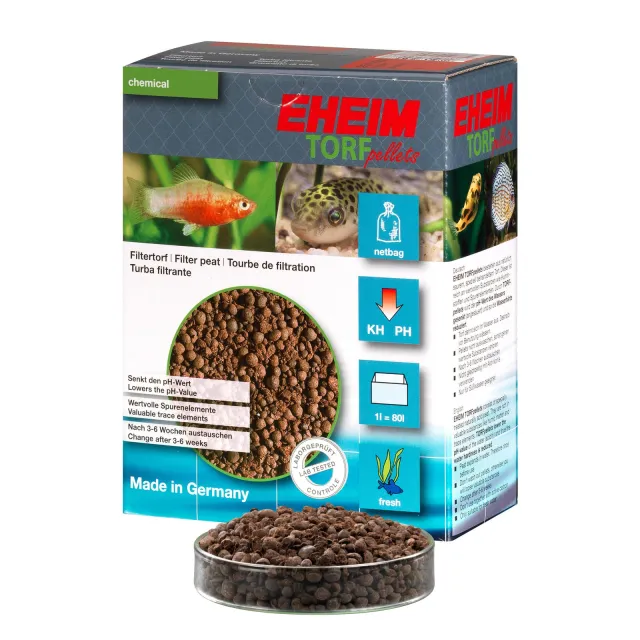
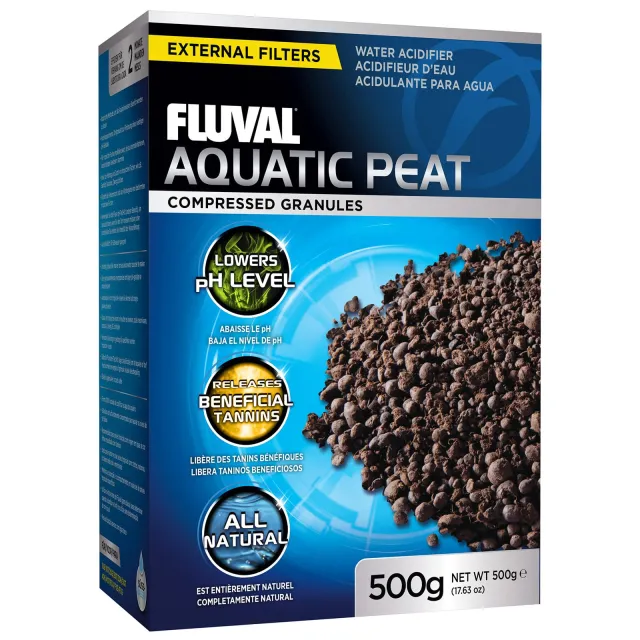
Peat softens the aquarium water by lowering the pH value. At the same time, humic substances and humic acids are released into the water. For very pH-sensitive animals, a reduction can certainly have positive effects. However, filtering with peat should only be used very carefully, since large amounts of humic substances have a preserving effect and significantly affect the colonization and activity of microorganisms.
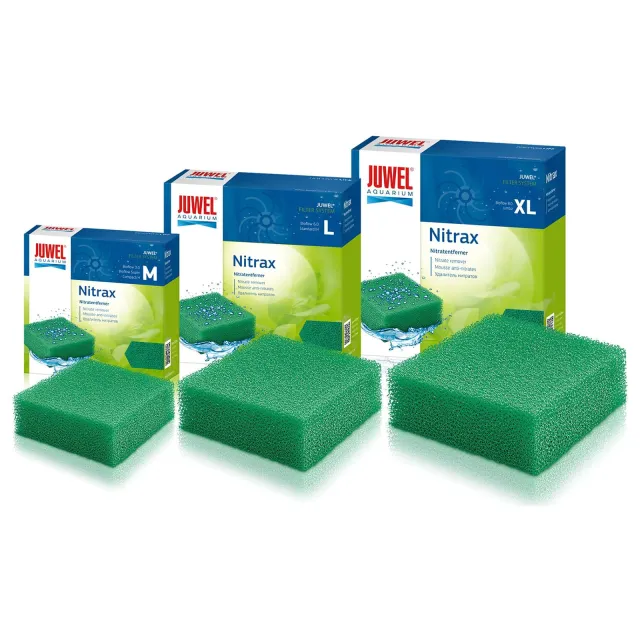
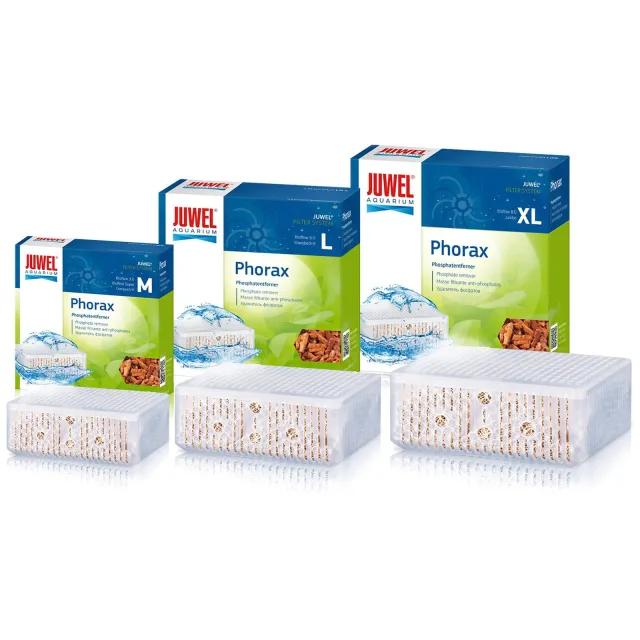
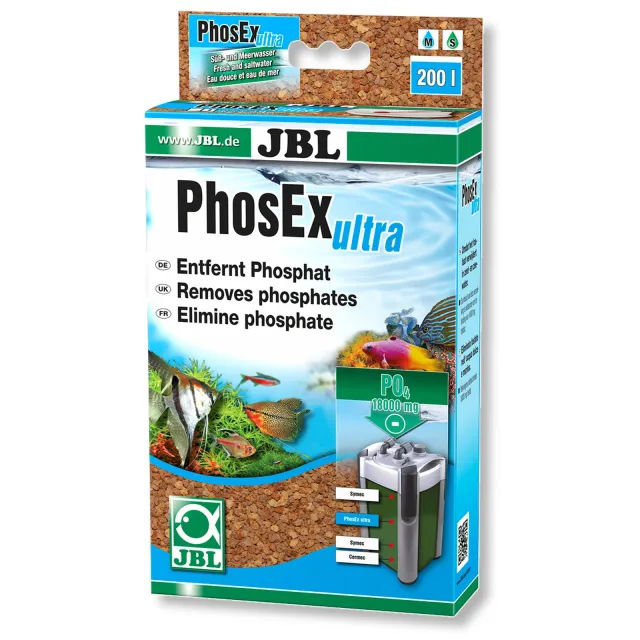
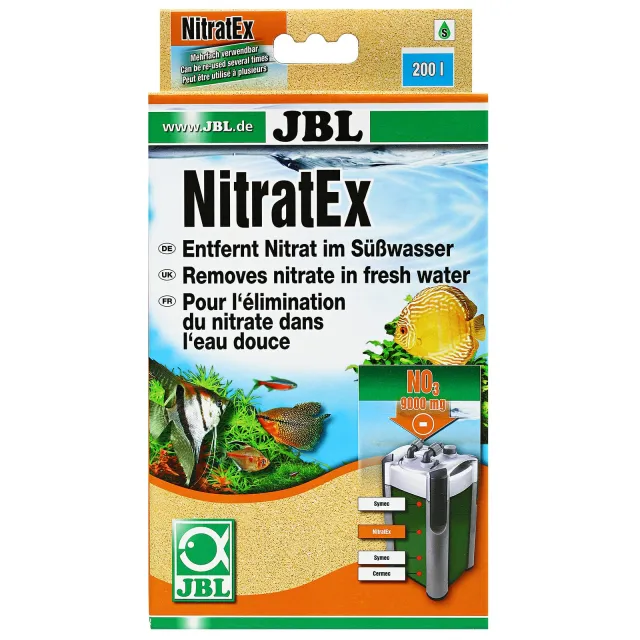
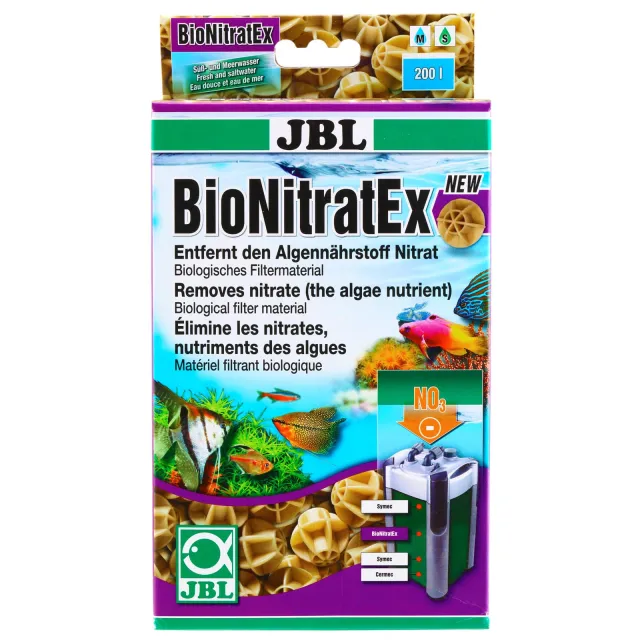
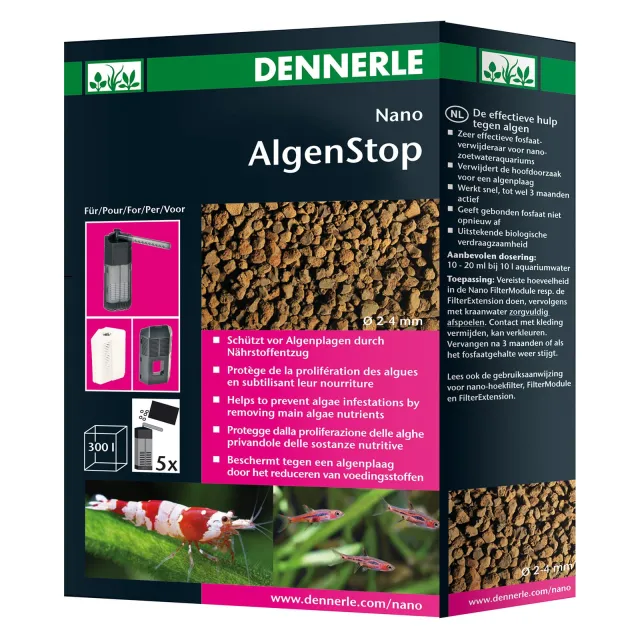
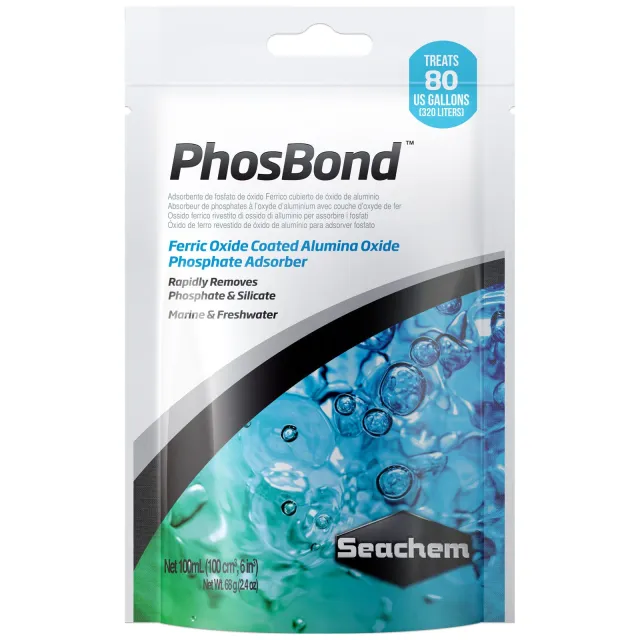
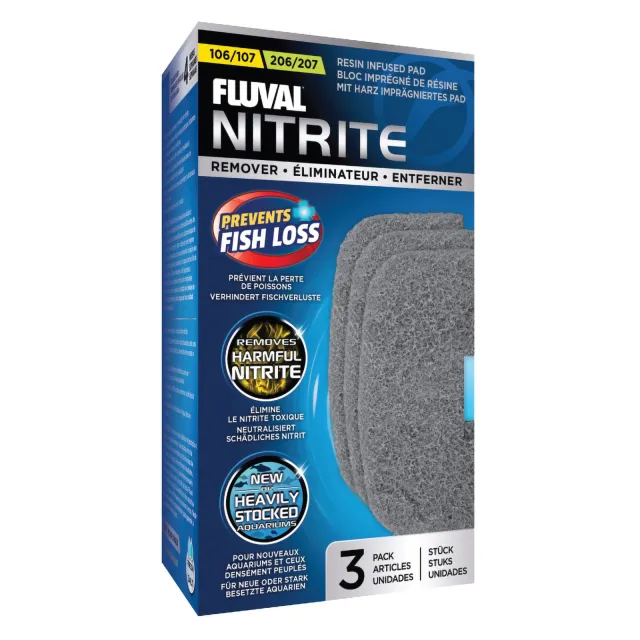
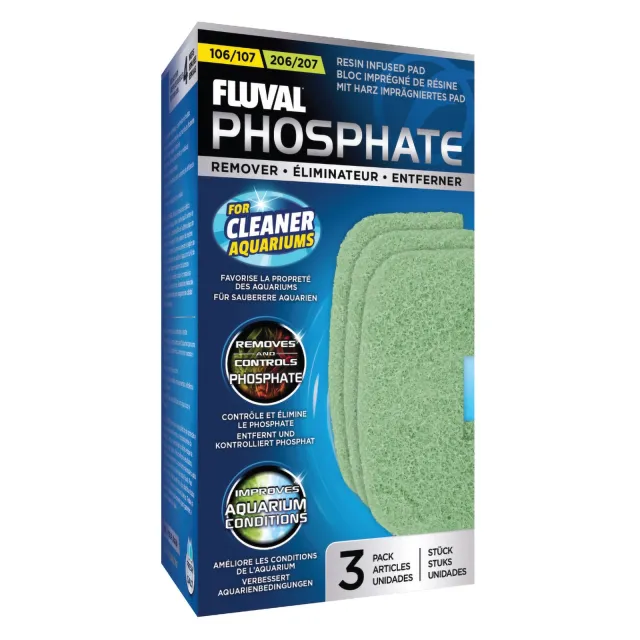
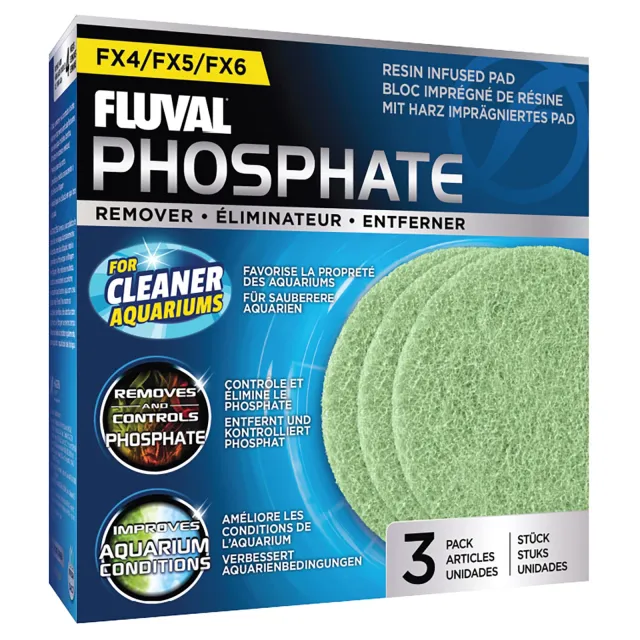
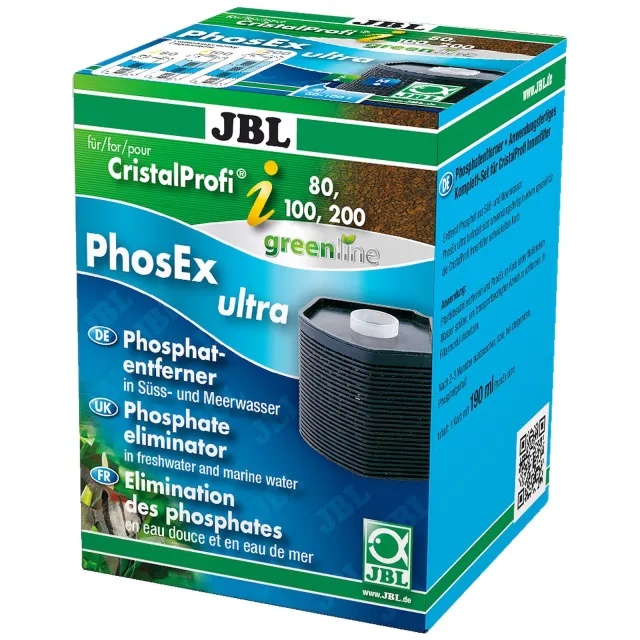
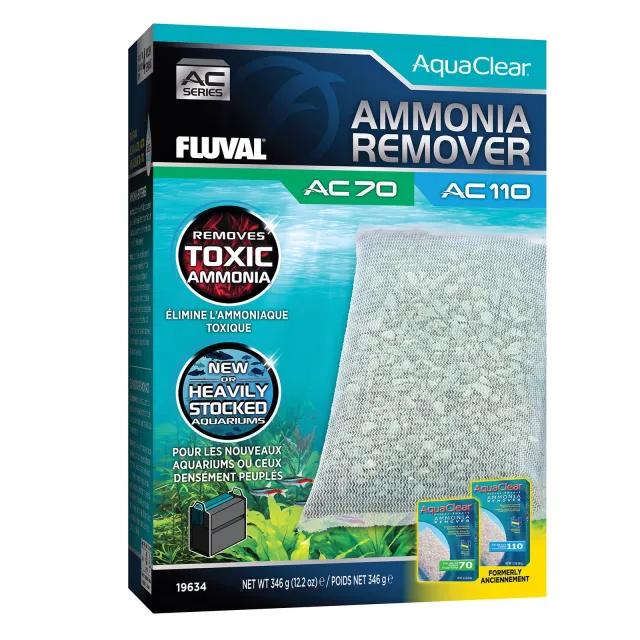
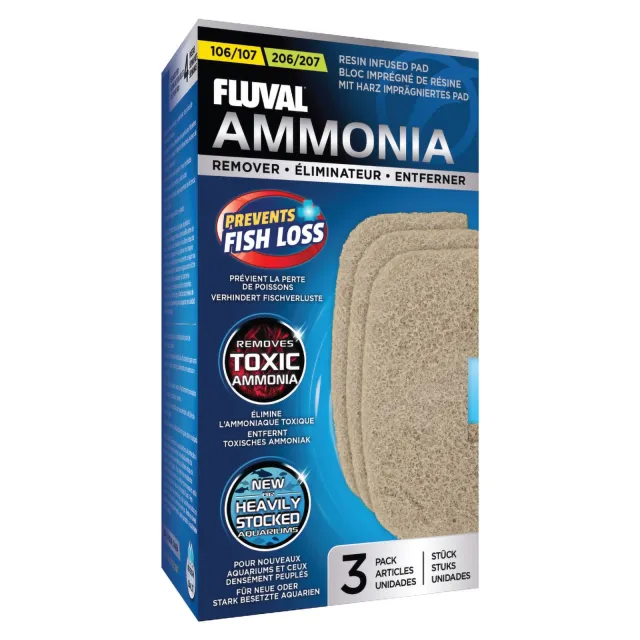
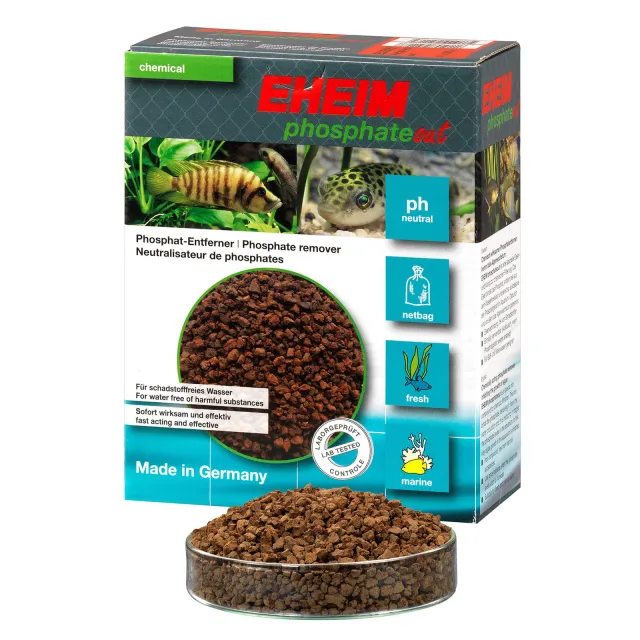
Absorbers can be used specifically to absorb nitrate, nitrite, ammonium or ammonia as well as phosphate. The filter medium becomes enriched with the unwanted substances and must be regenerated or replaced according to the manufacturer's instructions.
Conclusion:
Chemical filter media are an indispensable component of an efficient aquarium filter. They offer an effective method of removing pollutants and unwanted chemicals from the water, resulting in a healthy environment for fish and plants.
Bestsellers in this category