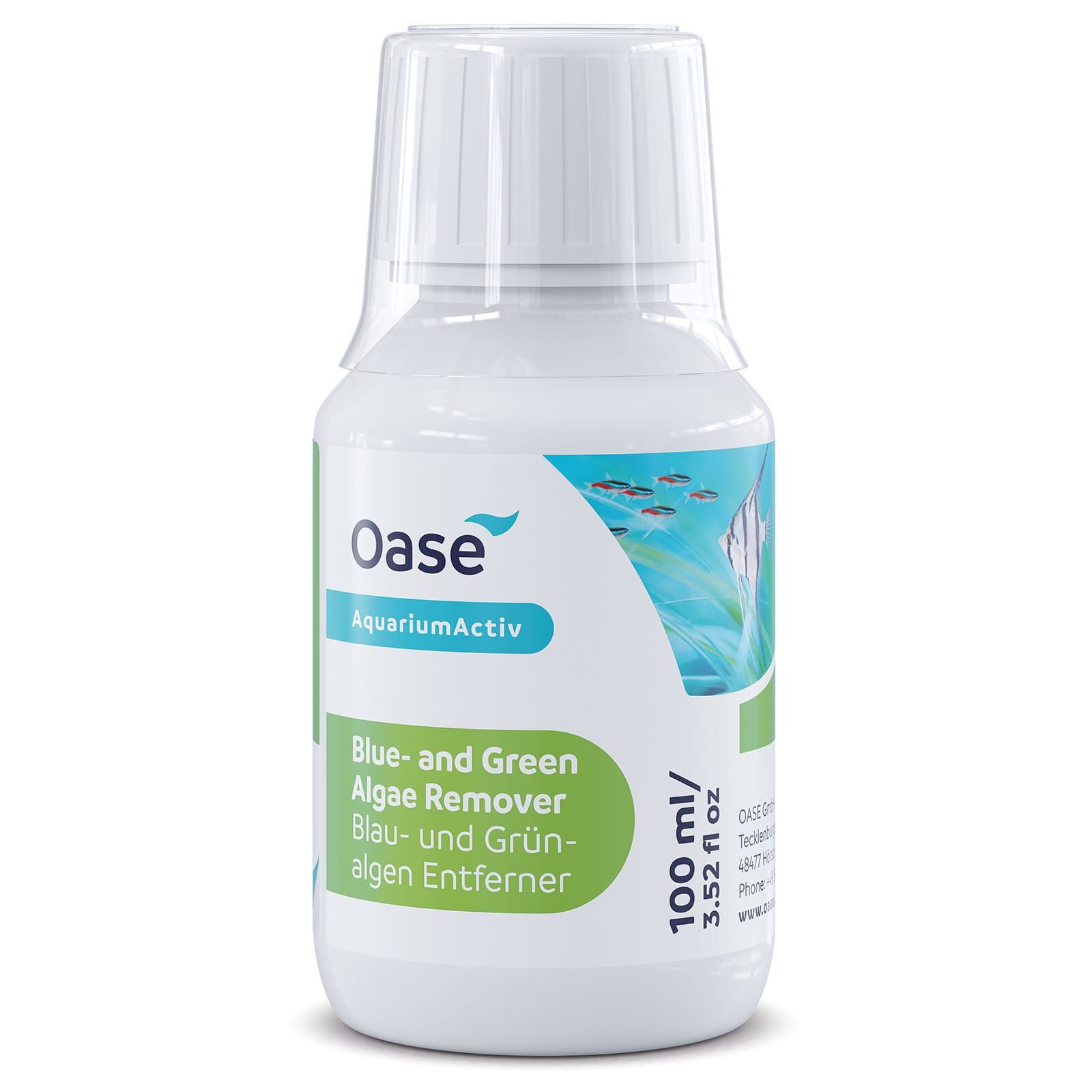
 Copper-based anti-algae agents
Can you simply not get stubborn algae in your aquarium under control? Are you plagued by a persistent alga such as Cladophora sp.? As a last-resort emergency measure, using a copper-based anti-algae product can be an option. We show you what to watch out for.
How it works
Copper-based anti-algae agents work by inhibiting or completely stopping the cell growth and metabolism of algae. Copper is a heavy metal that is used in these products in the form of copper salts - usually copper sulfate or copper chelates. The mechanism of action arises from the disruption of cell functions. The copper ions (Cu²⁺) interfere with vital processes of the algae cells, for example photosynthesis and enzymatic metabolism. They bind to proteins and enzymes, which leads to denaturation and ultimately to the death of the alga. In addition, copper changes the permeability of the cell membrane. This leads to an uncontrolled loss of vital ions and molecules. A long-term effect can also be achieved. Copper often stays active in the water longer than other active ingredients, especially in the form of chelate compounds (e.g. copper ethanolamine), which stabilize the copper. As a result, renewed algae growth is suppressed for weeks.
Pros and cons
You should think carefully about whether to use a copper-based product. There are some advantages, but there can also be disadvantages, especially with regard to the stock.
Advantages:
Copper-based anti-algae agents are very effective against thread algae, green water and, in part, also against cyanobacteria. Depending on the product, a long-lasting effect is also present. The agents are easy to dose.
Disadvantages:
Copper can be toxic to fish, invertebrates (especially shrimp, snails) and aquatic plants, especially in case of overdose. We therefore expressly advise against using copper in an aquarium with snails and shrimp.
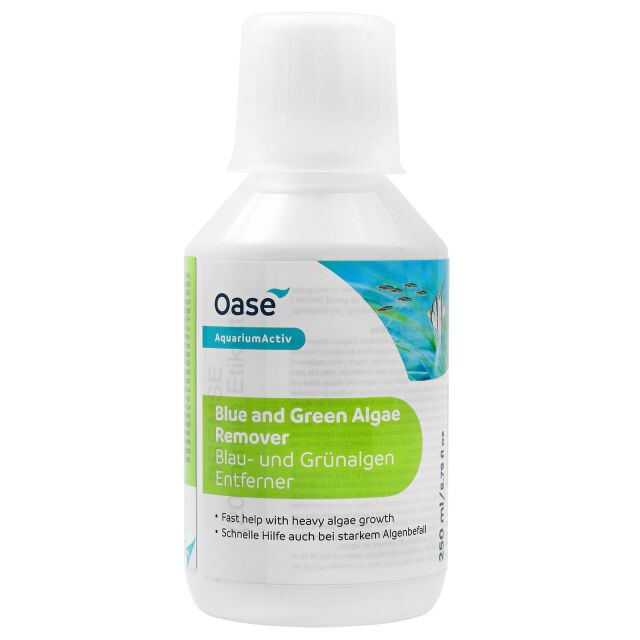
There is a relationship between toxicity and the pH value in the aquarium water. Anti-algae agents such as the Oase Blue and Green Algae Remover should only be used at a pH above 7. Copper can accumulate in the substrate or filter material and then sometimes cause problems. Its use is often prohibited or viewed critically in drinking water protection areas or natural ponds.
Application notes
Dose precisely! Always follow the manufacturer's instructions - ideally with a water test beforehand (Cu, general hardness, pH). Use only when needed, not prophylactically. After application, carry out a water change if necessary or filter through activated carbon to remove excess copper. For sensitive aquarium inhabitants (for example shrimp, crayfish, snails), copper-free alternatives are preferable.
Tackling the causes
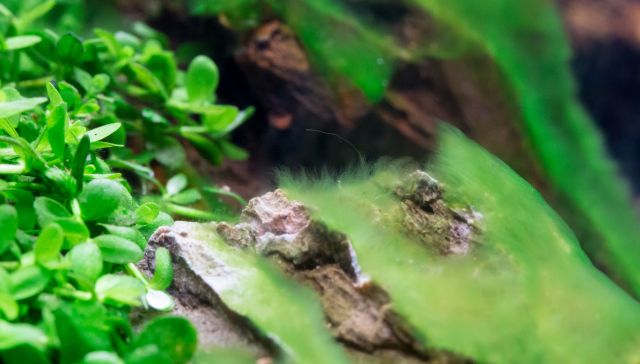
Algae in the aquarium usually arise from too much light, neglected maintenance or a nutrient imbalance. You should therefore first eliminate these causes and optimize your maintenance. To get rid of the algae, gentler measures are suitable first, such as the blackout treatment, a treatment with Easy Carbo or hydrogen peroxide. Only if these methods do not work can you consider using a copper-based anti-algae agent. As a last-resort emergency measure, this copper-based product can help to quickly ease the algae problem - the causes should nevertheless also be fixed to prevent a renewed outbreak. These include: regular water changes, balanced fertilizing, reducing excess food, and sufficient planting.
Disclaimer
Please observe the safety instructions of the respective product before use. Avoid direct contact with skin, eyes and clothing, as well as direct contact with animals or aquatic plants. The use of appropriate protective clothing (goggles, gloves) is recommended. Use at your own risk! Do not use with invertebrate stock! We accept no liability for any damage that may occur!