 Copper in the Aquarium
Copper is a chemical element that plays an important role in many areas of life - including the aquarium hobby. While it is considered useful in some situations, under certain conditions it can quickly become a danger to the aquarium inhabitants. In this article, we look at where copper in the aquarium comes from, what effects it can have and which measures contribute to handling it safely.
What is copper and how does it get into the aquarium?
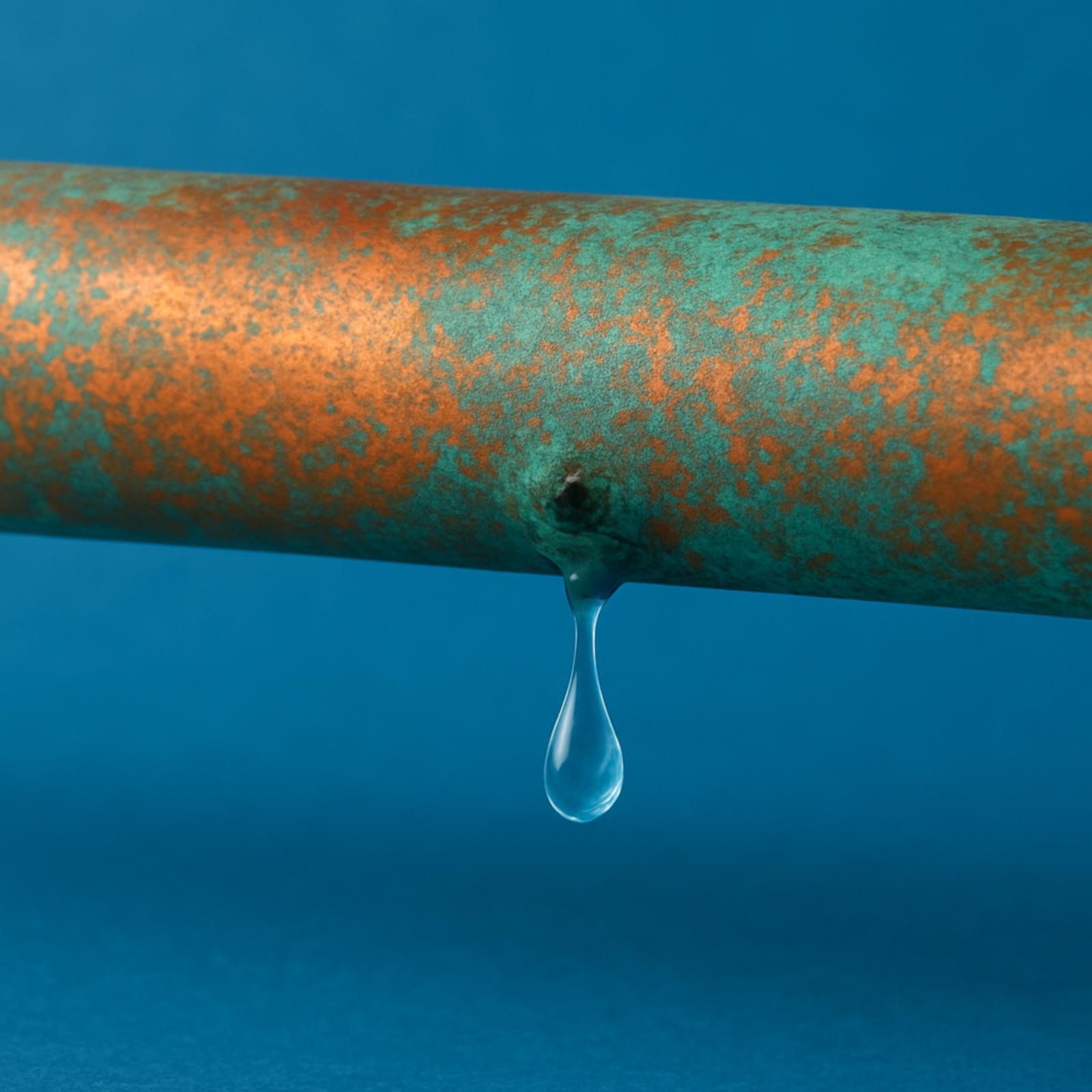
Copper (chemical symbol: Cu) is a heavy metal that occurs in natural waters only in very low concentrations. In aquariums, it reaches the water in different ways. In tap water, very old copper pipes can be a cause if copper ions dissolve through corrosion. Copper pipes in a new building can also still release substances into the water. In addition, many fish medications against parasites contain copper sulfate. Some decorative objects not suitable for aquariums or (leaky) technical components can release copper. In small amounts, copper is also a component of many plant fertilizers, such as a complete iron fertilizer. There are also copper-containing anti-algae products.
Effect of copper on aquarium inhabitants
Ornamental fish
Fish generally tolerate small amounts of copper relatively well, especially species from harder water. Nevertheless, even a slightly elevated concentration can lead to gill damage, mucous membrane irritation or behavioral changes. When treating with a copper-containing product, you should therefore proceed carefully and cautiously for your fish stock.
Shrimp and other invertebrates
For shrimp, crayfish and snails, copper is highly toxic. Even concentrations below 0.1 mg/l can be fatal. In them, copper damages mainly the nervous system and disrupts osmoregulatory processes. If there are invertebrates in the aquarium, it is advisable to refrain from copper treatments. Copper components in plant fertilizers are generally harmless, and the fertilizer is also usually declared accordingly as "shrimp-safe". The reason for this is a very low concentration of copper as a trace element and often a corresponding chelation by complexing agents.
Aquatic plants
Aquarium plants need copper in tiny amounts as a micronutrient, especially for enzyme functions and photosynthesis. An overdose, however, can inhibit plant growth or even cause the plants to die.
Measuring and controlling copper
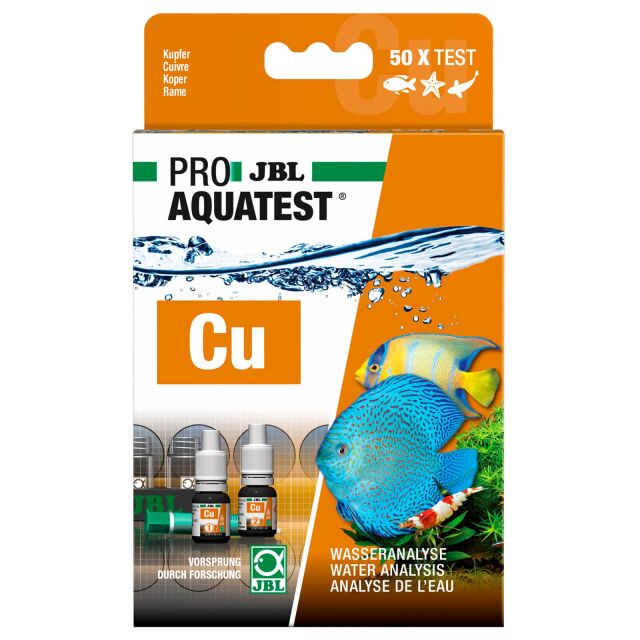
A copper test (usually available in drop form) should be part of the basic equipment for operating an aquarium, especially if shrimp or other sensitive species are kept. As guideline values that are harmless for aquarium inhabitants, you can use the following:
- Fish: below 0.2 mg/l Cu
- Shrimp: below 0.05 mg/l Cu (preferably not detectable)
Avoiding and removing copper
To avoid too high a copper content in the aquarium, you should in any case use only decoration and equipment that are suitable for aquariums. Carry out regular water tests, especially in newly set up tanks. Do not use medications containing copper if there are shrimp or snails in the tank. Use RO water or special treatment water if the copper levels in your tap water are high. To remove it, activated carbon or special detoxifying resins in the filter are effective. These then bind the copper. Regular water changes with unpolluted water reliably dilute the concentration in the aquarium. Water conditioners with chelators can bind copper ions and render them harmless.
Fertilizers containing copper
In planted aquariums, copper is contained in the fertilizer as a micronutrient - usually in chelated form (for example as an EDTA complex), which keeps it available to plants but does not make it immediately toxic. Moreover, the metal is only present as a trace element in a very low concentration. For the aquarium inhabitants, it is above all the chelation that generally provides a sufficient safety measure. Before using a liquid fertilizer with copper, you should therefore find out which chelates the fertilizer uses.
Nevertheless, it is advisable to make sure that the fertilizer (such as Aqua Rebell Mikro Basic Eisen) is declared "shrimp-safe".
Conclusion
Copper is a double-edged sword in the aquarium: useful as a trace element, dangerous in too high a concentration - especially for invertebrates. With regular tests, conscious product selection and targeted water care, you can avoid risks and keep the aquarium in a safe balance.