 The smart aquarium
Smart household items are already well established in many areas. Refrigerators, sockets, light switches and many other devices are networked with each other and, with suitable software, can also be controlled and automated well from a distance. Does something like this make sense for an aquarium as well? We looked into the question.
Definition of smart home
As already described briefly at the start, a smart home means various smart household devices that are networked with each other. Via management software, the devices can communicate with each other, be controlled centrally (for example through an app) and be automated. This makes it possible to program very regular tasks with fixed schedules, so the smart devices can handle them on their own. The smart home is often also linked to voice control, so spontaneous commands can simply be given verbally without having to pull out a device. Examples of use include lighting control, smart security systems, operating the heating or electric roller shutters, and even smart garden equipment such as robotic lawn mowers and automatic irrigation systems.
Smart sockets
In principle, almost every aquarist already has something like the beginnings of smart control on their aquarium, namely a timer. It automatically starts and stops the lighting. Time-tested timers still run on analog mechanisms, but digital versions already exist as well. You can extend the control a bit further by using a smart socket or even a smart power strip. With these, devices can be switched on and off in a targeted way by schedule or remote control. For example, you could switch on circulation pumps as needed, switch off the heater at night to create a nighttime temperature drop, or simply switch off all devices conveniently via app (if the socket offers this) without having to open the base cabinet. Besides certain effects that make operating an aquarium easier and more convenient, such control can definitely also have effects that mimic nature. If you have stored suitable schedules, lowering the temperature and pH overnight can well correspond to a more natural cycle.
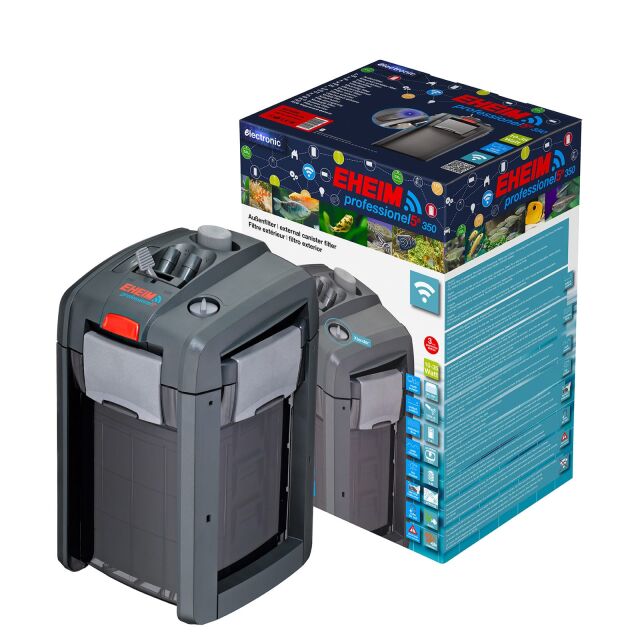
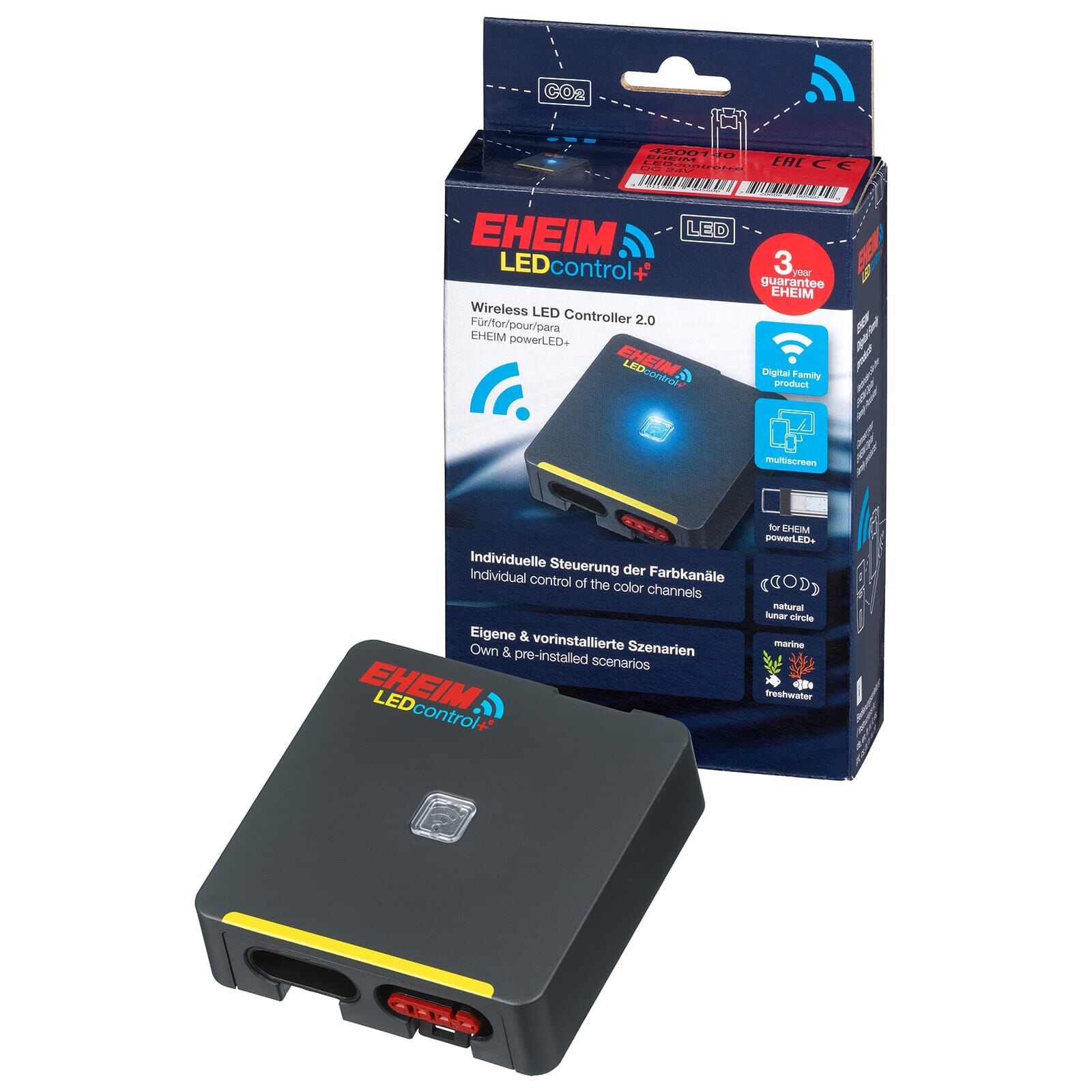
The company Eheim already offers a smart system that lets you control important aquarium components via WiFi using an app. This includes, for example, the thermocontrol+ e heater, which is digital and can be controlled conveniently via phone, computer or tablet. In addition, filter components (Eheim professionel 5e filter) and lighting (LEDcontrol+) can be linked through the software, as can UVC clarifiers, climate units or auto feeders. At Eheim, all smart devices are grouped together in the Eheim Digital family.
With the Aquarium Controller, Oase also offers a smart energy system. It is a control module that can conveniently control up to five smart consumers via an app. The devices must be OASE Control-compatible for this. One example is the HighLine Premium LED.
Using PV surplus
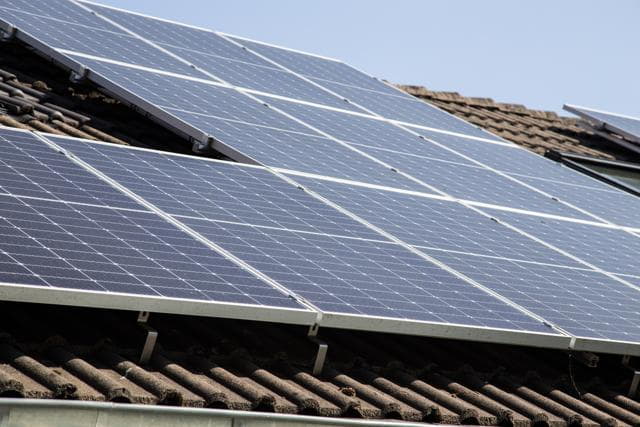
Owners of a photovoltaic system with an energy management system can usually also control smart consumers through it. If necessary, this works via smart Wi-Fi sockets to which consumers such as heaters or circulation pumps are connected. However, this depends heavily on the individual case and the software used. Besides fixed schedules, you can also trigger the linked devices with PV surplus, which is particularly energy-saving. This means these consumers only start up when surplus power is coming from the roof. This is unused power that is now available for free. Instead of being fed into the grid, the power is then used for these devices. If there is then not enough surplus, the consumers switch off again. Of course, such control also has to make sense for an aquarium. Constantly switching the filtration on and off would sometimes be counterproductive. But it can definitely be used to create natural scenarios, for example when the lighting follows the position of the sun throughout the year. The aquarium light only comes on once there is enough sun in the course of the morning. In winter this happens later than in summer, for example. Switching delays in the software can then be used to set a certain minimum runtime, so a consumer runs for a certain time in any case, regardless of whether further PV surplus is available later in the day. The first surplus in the morning then merely serves as the switch-on trigger. In this way, you can create aquarium lighting that steadily follows the position of the sun over the course of the year.