 Using rainwater in the aquarium hobby
Rainwater is usually very soft water and can be used in the aquarium hobby to blend with particularly hard tap water. This can improve extremely hard and alkaline water values in the aquarium, and you reach a soft to medium-hard general hardness and a slightly acidic to neutral pH value in the aquarium water. Many ornamental fish and also aquatic plants prefer soft-water values. In this respect, using rainwater can be a fairly simple and inexpensive solution for getting ideal water values for your aquarium fish. However, there are a few things to keep in mind when collecting and treating rainwater.
Contaminants in rainwater
As cheaply as you can get rainwater, it is not always clean water. Besides obvious contamination such as coarse dirt and dead plant and animal material, but also water discoloration, many impurities cannot be seen with the naked eye.
Dust and ash can make up quite a large share. Ash in particular contains heavy metals and other, sometimes carcinogenic, elements that are better kept out of the aquarium. Collecting rainwater near chimneys, factories or heavily trafficked roads therefore doesn't necessarily make sense.
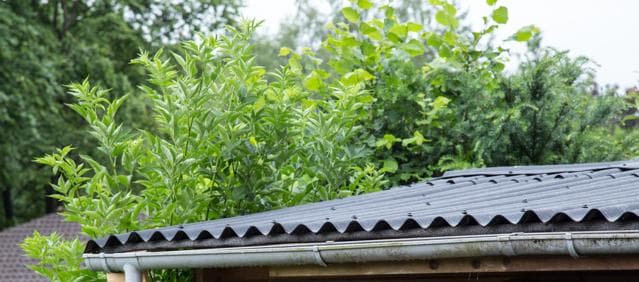
Waste incineration can produce hydrogen chloride, which then reacts with the rainwater. In some cases the rain can also be contaminated with hydrochloric acid. Although today this is considerably reduced by modern filters in the plants, a certain residual risk can nevertheless exist.
If you live near the sea, the rain can contain considerably more sodium chloride than usual. If there are fertilized fields nearby, you should reconsider collecting rainwater. Liquid manure spread on the fields often produces ammonia, which can be oxidized further to nitric acid. Both are substances that are better kept out of the aquarium. Nitric acid can also form as a product of exhaust gases from road traffic or factories. The proximity to heavily trafficked roads and industrial sites should therefore be avoided. Furthermore, combustion can also produce sulfuric acid. Here too, this pollutant is nowadays retained by modern filter technology in chimneys, but out of caution it is still advisable to avoid the proximity of chimneys.
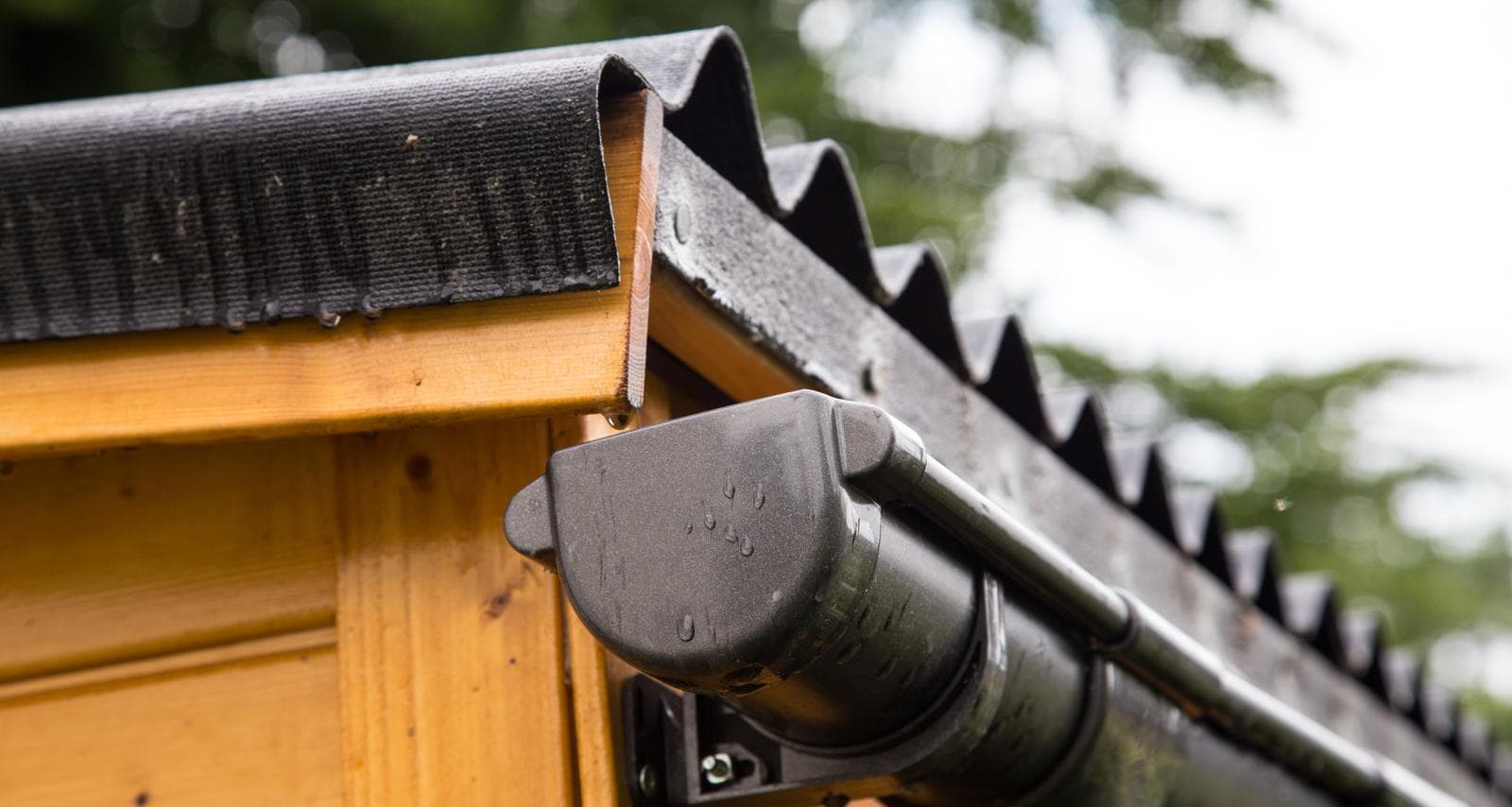
Last but not least, it should be mentioned that the material of the roof and the rain gutter should also be inspected. Metal rain gutters in particular can release heavy metals into the water. Roof surfaces with tar components are unfortunately not really well suited. This would not necessarily make the rainwater usable for the aquarium hobby. Water tests that can detect copper or zinc are a helpful way to check this.
Collecting rainwater
Rainwater is best collected in a large barrel or cistern. The containers should be opaque to prevent algae growth. To hold back coarser dirt and leaves, it is advisable to install a fine screen at the inlet if the barrel is connected to a rain gutter. For a steady flow of water, the screen should be checked and cleaned regularly. Professionally done, a self-cleaning filter (a so-called alternating-jump filter) can be installed here that cleans itself.
Both the pipe system and the collection containers must be cleaned regularly to remove algae, dirt and biofilms. If rain barrels alone are used for collecting, a cover with a fine gauze can help keep out coarse dirt, leaves and insects. Ideally, the gauze then lets only the rainwater through.
Treating rainwater
The components of rainwater can fluctuate and also change, for example depending on the season (for instance through pollen or other fine dust). To rule out the most common hazards, it is strongly recommended to collect, store and also filter the rainwater in the right way. Only this gives you a certain assurance of constant water quality without possible pollutants.
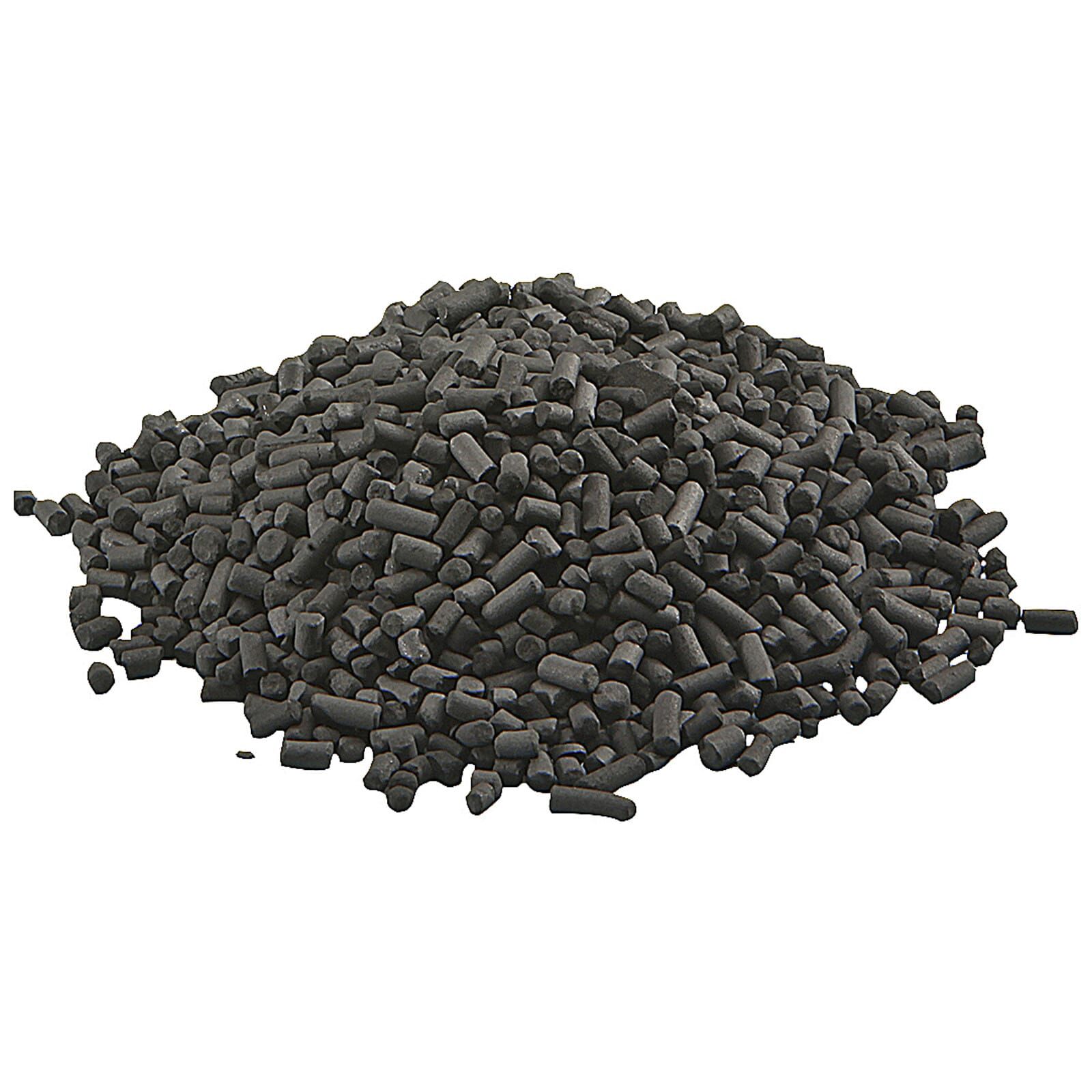
Filtration is usually done with activated carbon, which binds above all harmful substances and metals. A pump or an internal filter with a filter housing that can hold enough activated carbon to match the water volume can be very helpful here. The carbon becomes exhausted over time and should therefore be replaced regularly.
Using rainwater
Rainwater has the advantage of coming very close to demineralized water in terms of water hardness. It is therefore very well suited for blending with harder tap water to achieve a low hardness and a slightly acidic pH value in the aquarium. You can use the cross rule here to work out the respective mixing ratios. You should preferably not use rainwater pure, similar to RO water, since important minerals for animals and plants would then be missing. It is advisable to use a suitable remineralizing salt, with which you can bring the water to optimal settings of KH, GH and pH.