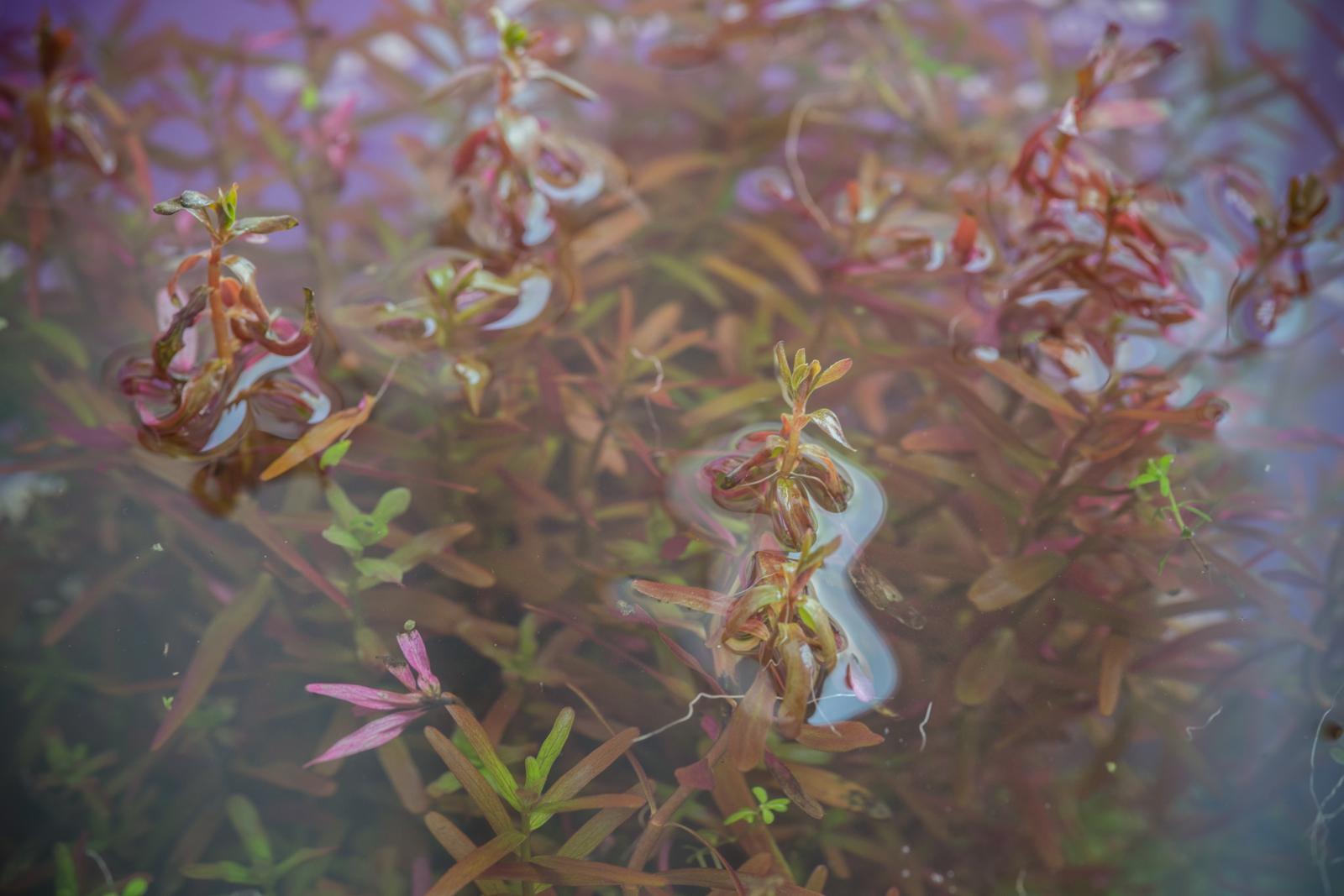
 What to Do with Plant Trimmings?
In a well-planted aquarium with many fast-growing aquatic plants and a good plant mass, trimming has to be done regularly to keep the aquarium plants in shape. What do you do with the trimmings? Here we offer some tips.
Which kinds of trimmings can you use
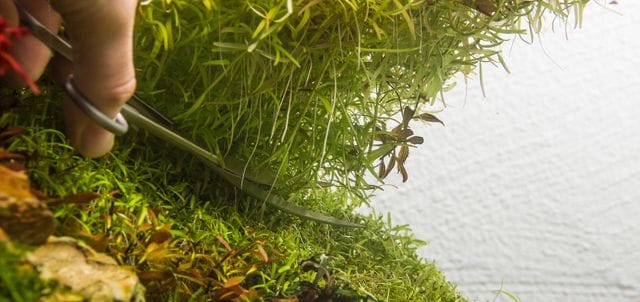
Not every cut-off blade or stem can still be put to use. In principle, plant parts (especially top cuttings) of typical stem plants, mosses and also ground cover plants are suitable for further use. With the latter, though, there should also be as intact a piece of the rhizome as possible. This applies in particular to typical rhizome plants such as anubias, ferns or water trumpets. Without a piece of the rhizome, the plant part can no longer keep growing. Individual leaves, stalks or blades of grass-like plants cannot be put to further use; these are indeed to be regarded as waste. With mosses, further propagation is very easy, because a tiny fragment is enough to grow a plant from it again.
Rejuvenating the plant stock
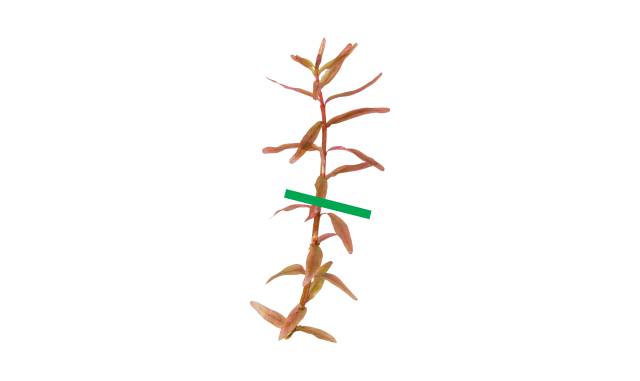
According to aquascaping tradition, stem plants in particular are topped, and the aquarist removes the top cuttings (see also: "Trimming stem plants correctly"). The plant then regrows from the lower part. This above all promotes branching and a very bushy growth. From time to time, though, it makes sense to renew or rejuvenate the plant stock of such a stem plant group. Then you should plant the cut-off top cuttings in with it and sometimes remove old plant parts or ones that grow poorly. This refreshes and rejuvenates the plant stock, which makes for a healthier look. Replanting top cuttings is a common technique especially in Dutch aquariums.
Using them in another aquarium
If you have several planted aquariums, you can of course also put the trimmings into another aquarium to close gaps in the planting there or to design it differently. Of course, you can also give your usable trimmings to fellow aquarists or even sell them. There are some exchange or sales opportunities on the internet for this, such as in the Flowgrow forum. The aquarist should only make sure to sell healthy plants that are as free as possible of pests and algae (especially Cladophora sp.).
Native plant species can sometimes also be used for part of the year to green a garden pond or filled planters on the patio, at least temporarily.
Starting a Wabi-Kusa
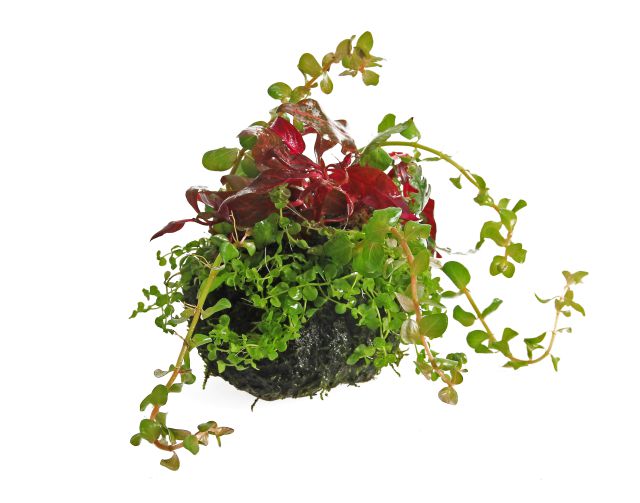
Besides continued use of aquarium plants in submersed form, they can also be brought into their above-water form (emersed) to gain further design possibilities. This makes the trimmings very good for use in a Wabi-Kusa. Use in other forms of an aqua-terrarium is also possible, for example in a paludarium. We show you how to start a Wabi-Kusa here.