Interview with Roland Emmenlauer

By Aram Schneider Published Updated
Translated from German with AI assistance and reviewed by our editors.
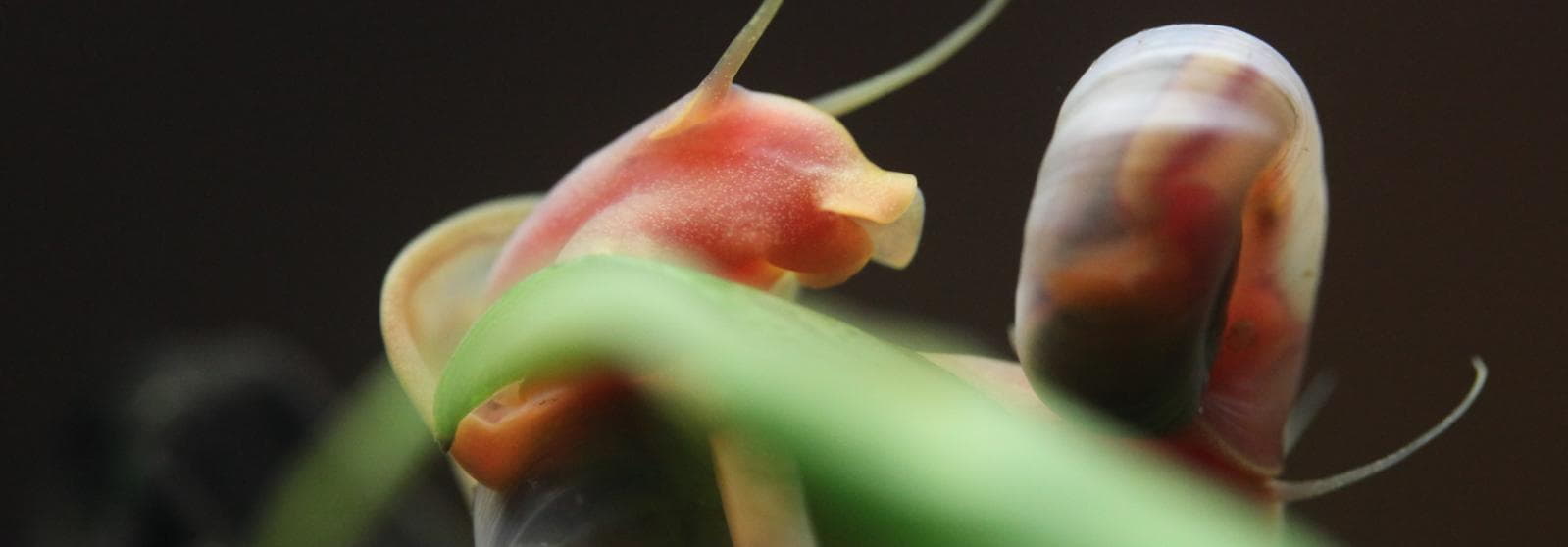
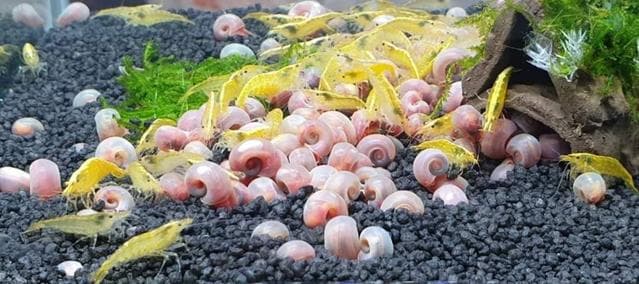
Roland Emmenlauer is a true veteran of the invertebrate scene in the aquarium hobby. He breeds aquarium snails for a living, above all the popular ramshorn snails (PHS) in various color varieties. If you have ever bought such a snail in a pet store, it very likely originally comes from Roland. The "snail keeper", as he calls himself on Facebook, is extremely sociable, helpful and very well connected. You can usually find him at the usual trade shows and invertebrate meetups. He is also very helpful and supports beginners in the aquarium hobby with advice and action.
Aram Schneider (AS) had the opportunity to ask Roland Emmenlauer (RE) more detailed questions for Aquasabi.
The interview

AS: "How do you become a professional snail breeder? Tell us about your career."
RE: "Breeding snails started out as live food for crayfish, so that they could supply themselves with protein. I started a small snail culture with small American ramshorn snails for this. The first snails I was able to buy were inconspicuous at first glance and poorly colored. Over time, though, individual colored animals also turned up among the offspring. My wife liked the colored ones and asked me to select them.
Today I have an output of up to 8,000 almost pure-bred ramshorn snails per month in high season. Occasionally there is still another color among them, mostly brown. But those are very pretty too.
I only ever breed as many as I also have secure buyers for, though. That can be controlled via the water temperature and the amount of food."
AS: "What is your favorite freshwater snail? And why?"
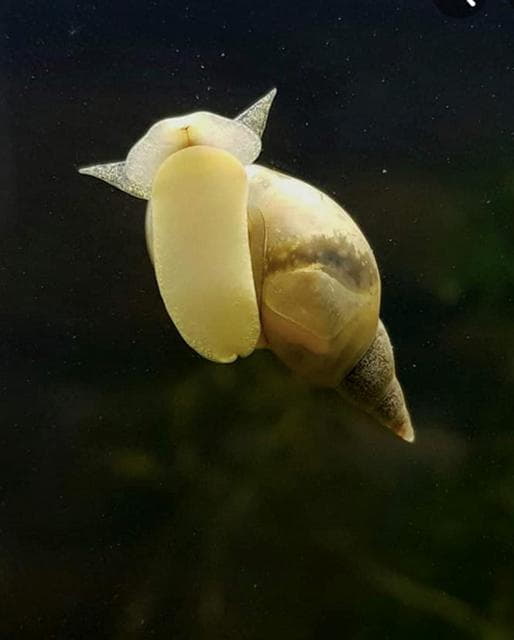
RE: "My favorite freshwater snail is the Lymnaea stagnalis great pond snail, also affectionately called the "Yoda snail". When you see it, the nickname is self-explanatory. They can glide along the water surface and "float" right across the tank, or at least that is how it looks. Among other things they eat duckweed, which is why they are very undemanding and even save me work in the process."
AS: "Which animals do you breed besides the snails?"
RE: "Because we wanted to move, I had cut back drastically. At the moment I am building up further breeding stock again. I currently keep and breed crayfish Cherax pulcher, dwarf crayfish Cambarellus shufeldtii, giant river prawns Macrobrachium peguense, and two kinds of fish: Red Chest Endler guppies and Koi guppies. For myself, also dwarf corydoras Corydoras pygmaeus. I always have a school in at least one tank. I find them wonderful."
AS: "What does the everyday life of a snail breeder look like?"
RE: "We change at least around 3,000 l of water within five days. Ramshorn snails like clean tanks and clear water. We make our snail food mostly ourselves according to a special recipe in organic quality. The effort is enormous, but it is worth it. In addition, every single snail is looked at with a magnifying glass before it leaves our house. We keep busy. The largest part is picked up by a courier every week, and I deliver a part personally."
AS: "What is your view on the topic of "snail plague in the aquarium"?"
RE: "A "snail plague" is a beginner's mistake. Specifically, it means that too much is being fed. No food, no life. I control my breeding through feeding myself, too."
AS: "With your eBook and the Facebook group "Nano Aquarium für Anfänger" (Nano aquarium for beginners), you devote yourself with energy but also humor to the group of newcomers to the aquarium hobby. What prompted you to write this book?"
RE: "I kept witnessing bad advice, even in specialist shops. That gave me a lot to think about. Every animal was declared a schooling or group animal, even snails. For every problem a little remedy was recommended instead of finding and eliminating the cause. I have found only a single specialist shop in the area where species-appropriate keeping is prioritized and where they would rather lose a customer than depart from this exemplary approach. I still buy equipment and fish food there, simply to support that, even though I have to drive fifty kilometers to Aulendorf for it.
That is what drove me to write a little book in any case – without a raised index finger and close to practice, the way many beginners experience it, and with a humorous tone. I wouldn't have expected it to be received so well. I got really great feedback. Unfortunately no publisher was found; I would have liked to put a printed version out among people, because the call for it grew loud.
For the group I have a wonderful admin team who do 99% of the moderation. That is an enormous amount of work and time-consuming; I couldn't manage it anymore at all. I miss the group, but keeping my commitments is enormously important to me, so I have to prioritize my business."
AS: "Soil substrate is often used in aquascaping in particular, but also in shrimp breeding. The acidic and soft water can, however, lead to shell damage in snails especially. What useful tips would you give here to improve the conditions for snails?"
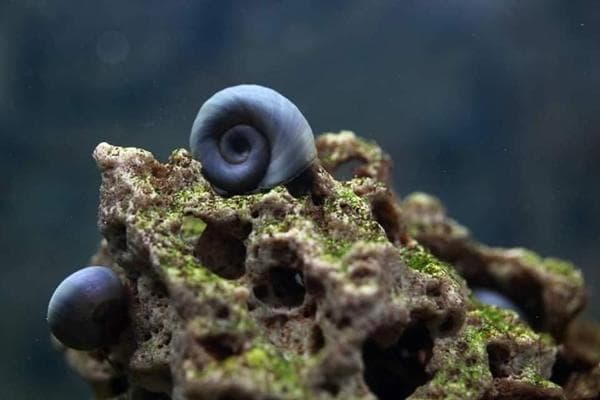
RE: "Snails can meet their needs either via the water column or via food. I noticed early on that they go at each other's shells when they are poorly fed. I learned a lot through experience. I went pond-dipping as a child and observed a lot. Snails need a surprising amount of protein. For the outermost shell layer, which protects the exoskeleton from corrosion, they absolutely need protein-rich food. If they get too little of it, snails also eat other snails. The art is to supply them in such a way that even large populations don't suffer a deficiency, while the water chemistry is still not burdened too much."
AS: "If you had to choose between a beautiful aquarium animal or a beautiful aquatic plant, which would you take?"
RE: "An aquatic animal."
AS: "Thank you very much for the interview!"
Copyright for all photos in the article: Roland Emmenlauer