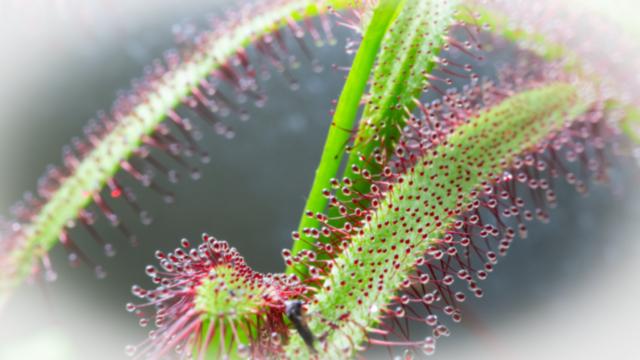
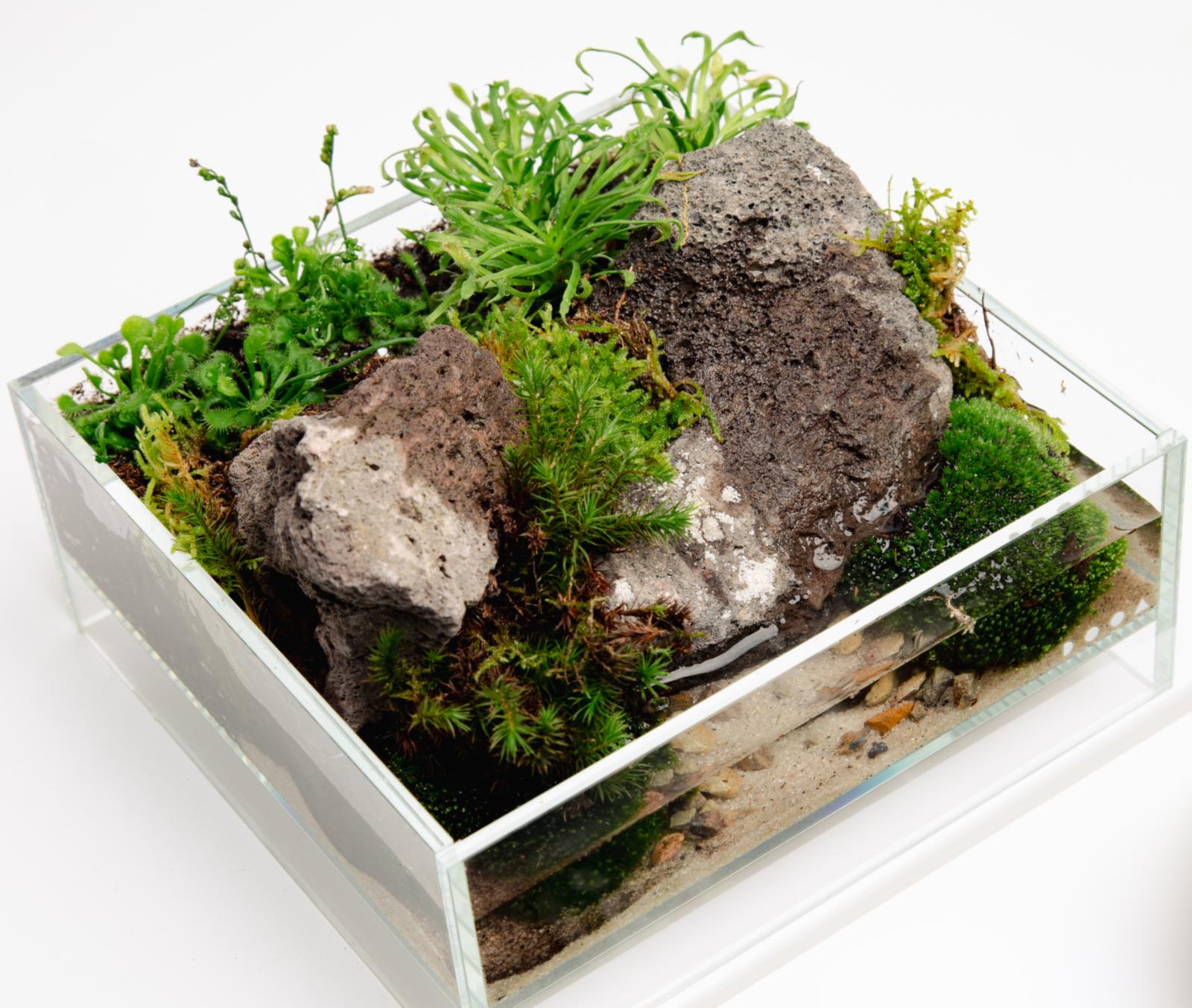
 Carnivorous plant scape in the Neo Glass AIR
In the field of terrascaping, layouts with carnivorous plants are an extremely interesting design option. Here we show you a small example in the DOOA Neo Glass Air.
What are carnivorous plants?
Carnivorous plants are plants that, in addition to light, water and nutrients from the soil, also feed on small animals - mostly insects. They have developed special trapping mechanisms to lure, catch and digest prey. Carnivorous plants are found worldwide, mainly in moist, nutrient-poor regions. Famous habitats include the bog regions of North America or the rainforests of Southeast Asia. Some species, such as the Venus flytrap or certain sundew species, are popular houseplants. However, they require special conditions such as nutrient-poor soil (e.g. a peat-sand mixture), bright but not too hot locations and low-mineral water. Depending on the species, high humidity may also be required.
Setting up the Neo Glass AIR step by step
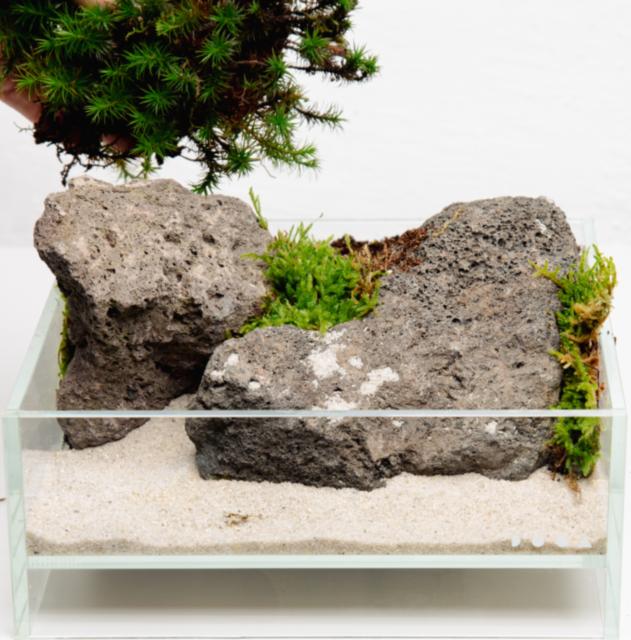
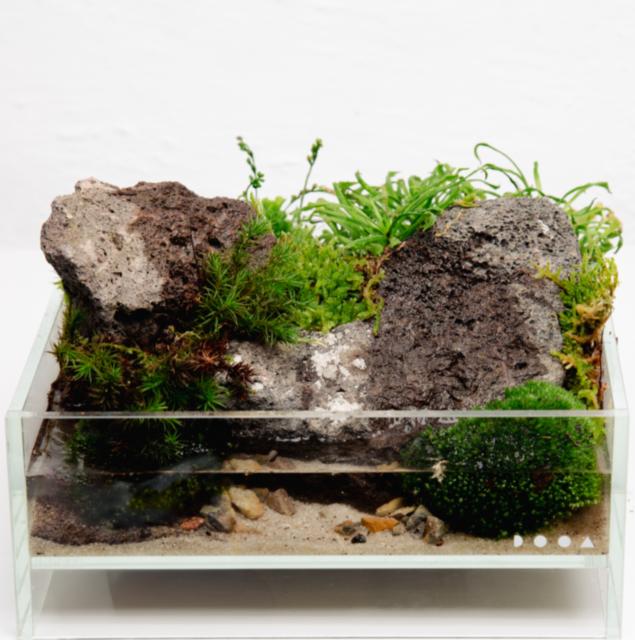
The plan is a water section and a permanently moist land section. Lava rocks are placed here as the border, which also give additional mosses a good hold. The porous structure of the hardscape ensures this. The rock is also water-neutral and does not harden the water.

White sand is used in the foreground. In the background, a special substrate is used for the carnivorous plants. The high peat content provides an acidic, nutrient-poor soil environment, just as carnivorous plants love it.

Various forest mosses are used to fill gaps. This prevents the substrates from mixing and creates a very natural impression. The mosses also serve as a moisture reservoir.
The carnivorous plants are placed in the background (here: Drosera spatulata and Drosera capensis 'Red'. In the in-vitro form, the plants are still quite small, but they will grow considerably taller and rise above the hardscape.
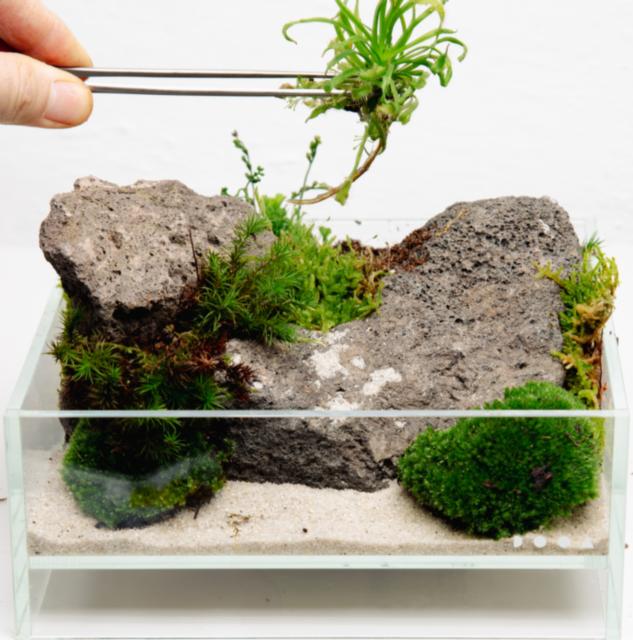
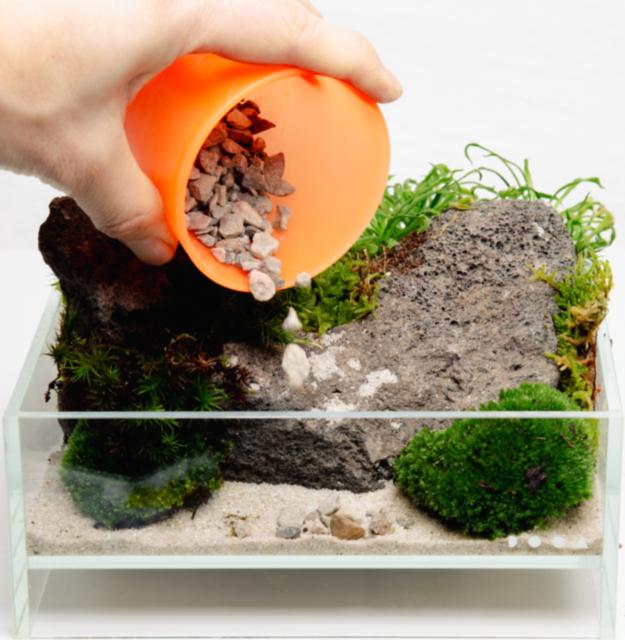
A few pebbles and pieces of broken stone loosen up the foreground and increase the variety of detail.
This is what the design looks like finished and filled with water.
Caring for a carnivorous plant scape
This little nano scape with carnivorous plants can be run without any equipment. Enough light is required, though, either from strong lighting or from a sunny location (such as a south-facing windowsill). With enough light, the spoon-leaved sundew also develops very pretty flower stalks.
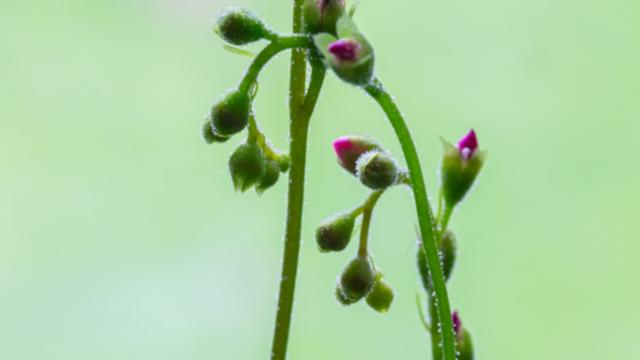
Besides location, light and a suitable substrate, all that matters is keeping the substrate constantly moist. Ideally, demineralized water should be used for moistening. You can orient yourself very well by the visible water level of the water zone.
In the beginning, it is also worthwhile to support the in-vitro plants a little during the transition. For this, you can spray the plants several times a day so they don't dry out too much. Once the carnivorous plants have rooted, you will be rewarded with fairly fast growth and corresponding color development.