
Carnivorous plants
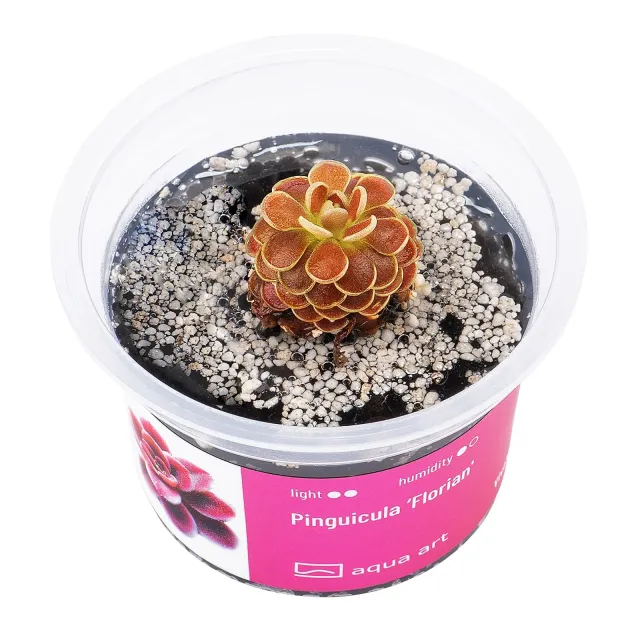
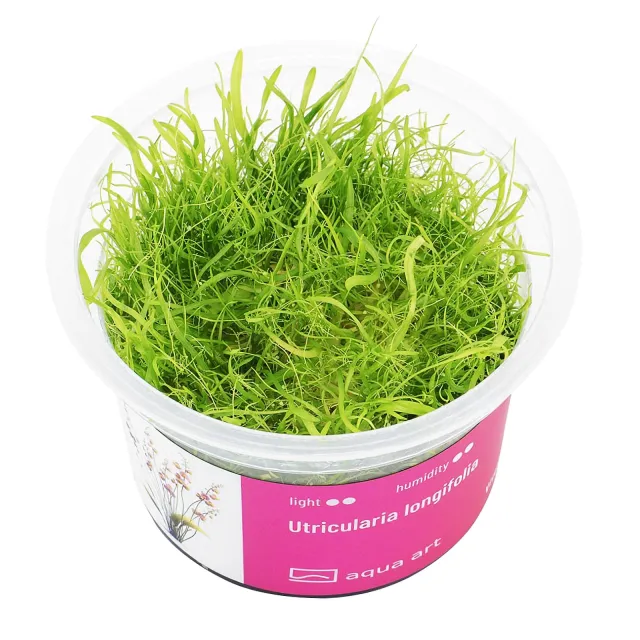
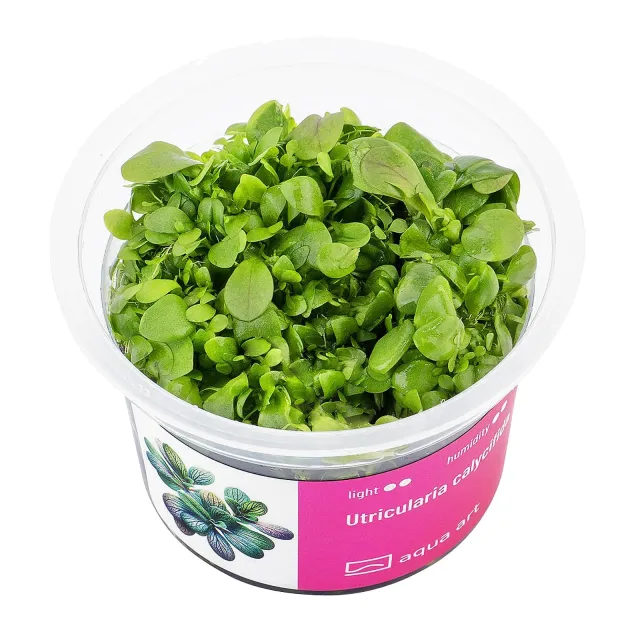
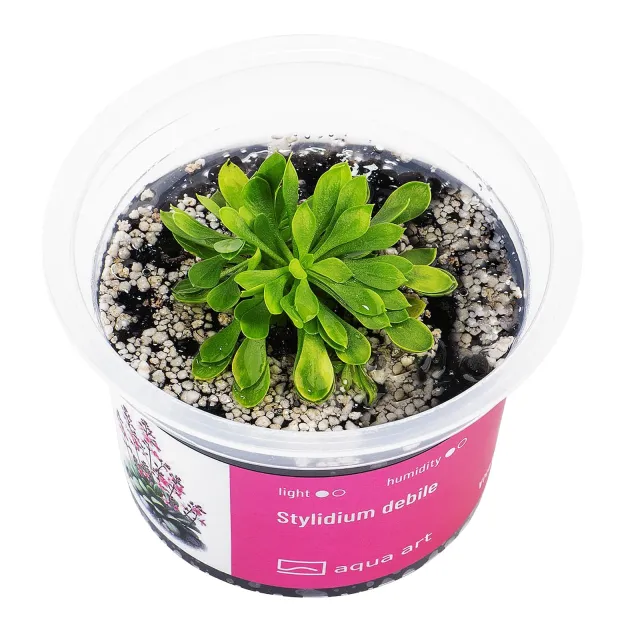
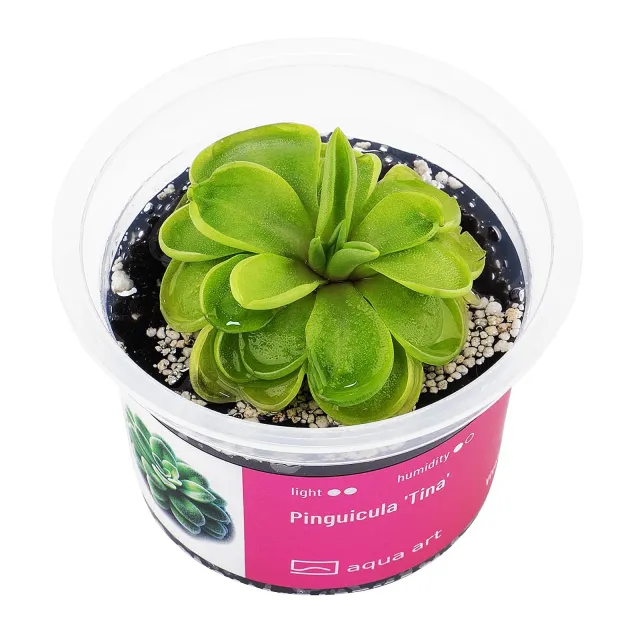
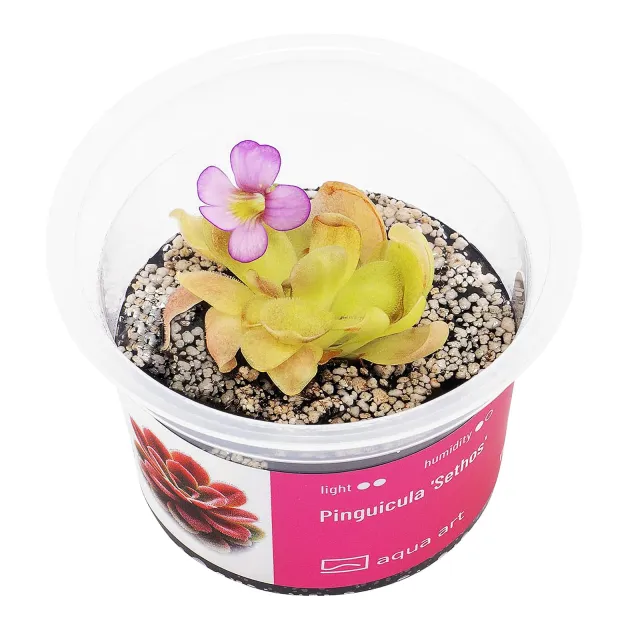
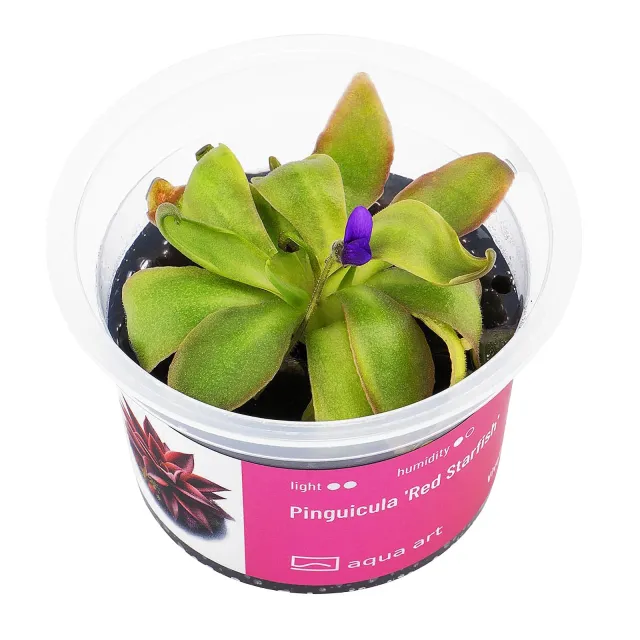
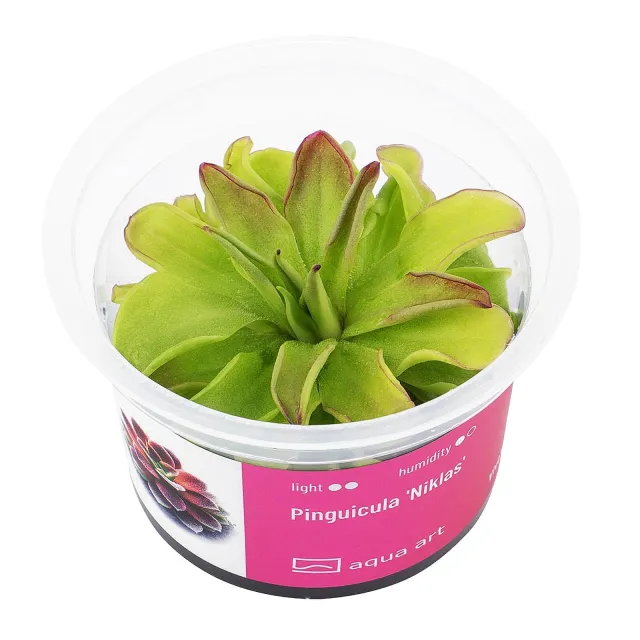
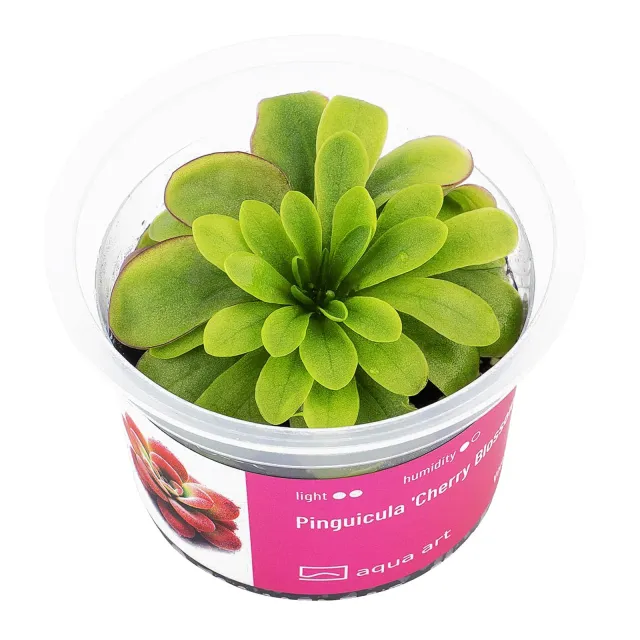
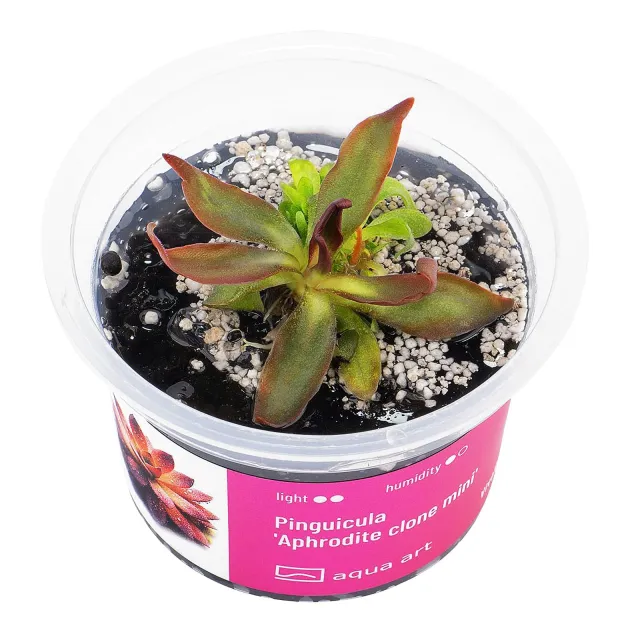
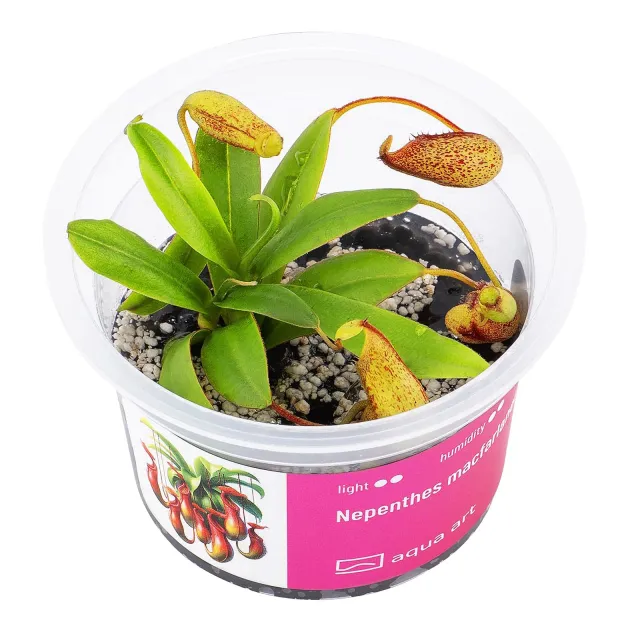
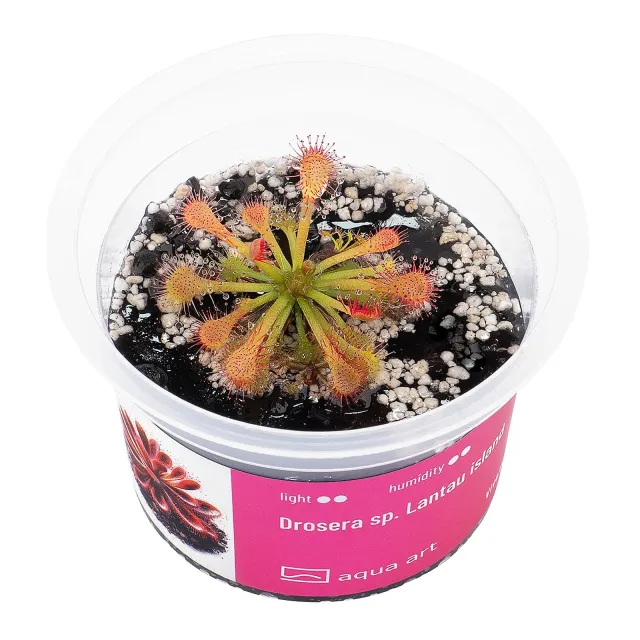
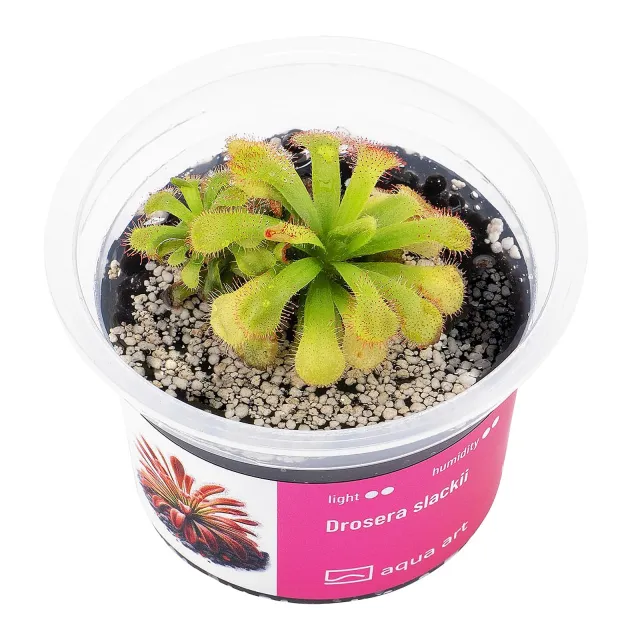
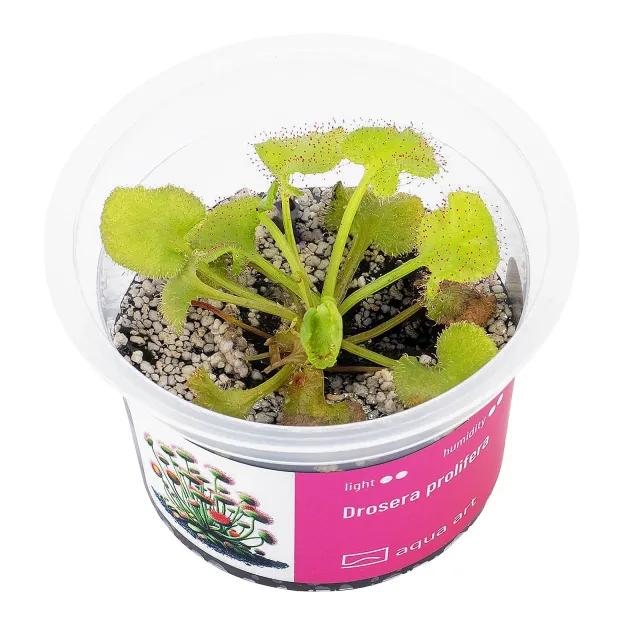
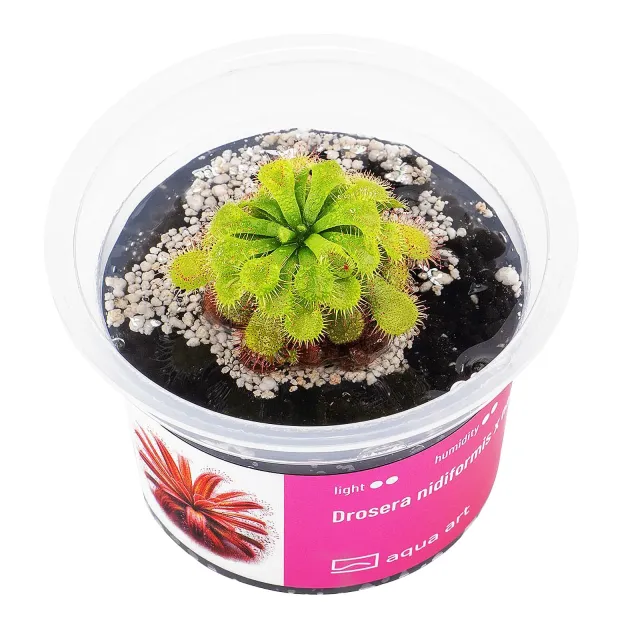
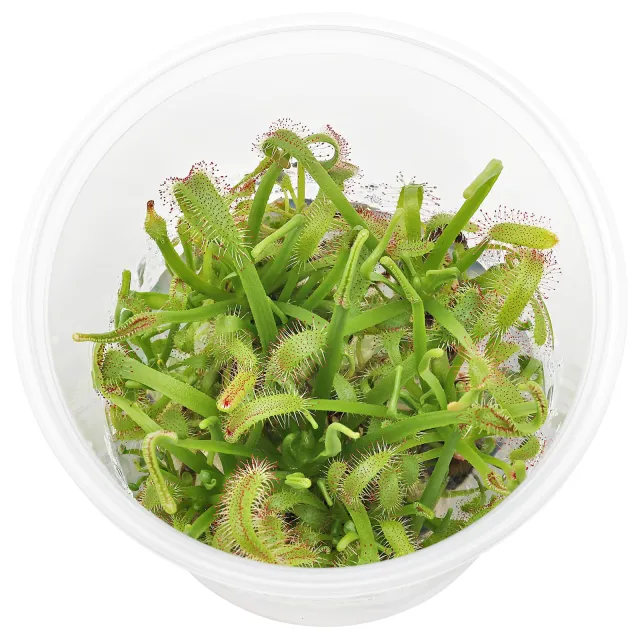
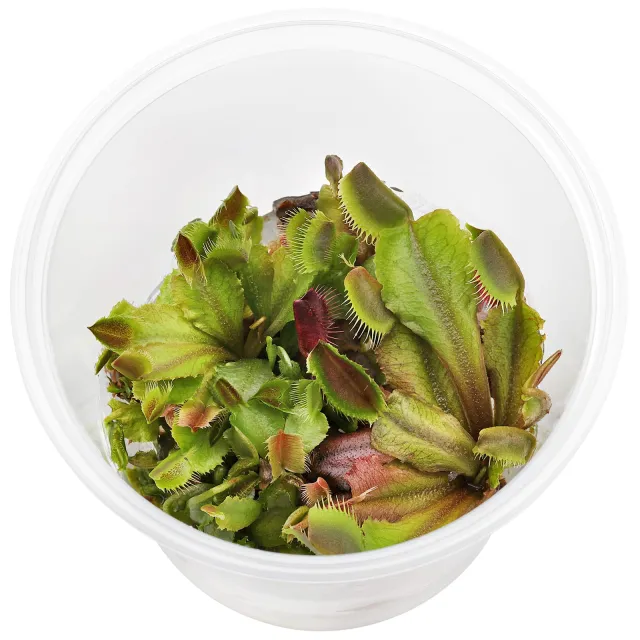
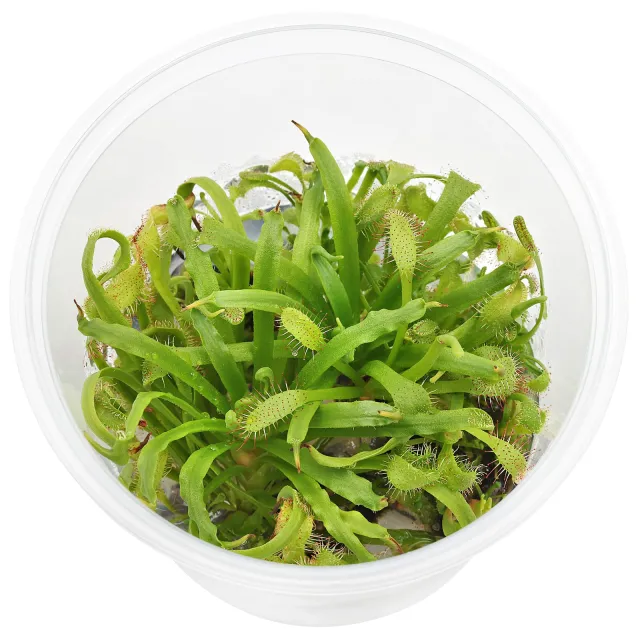
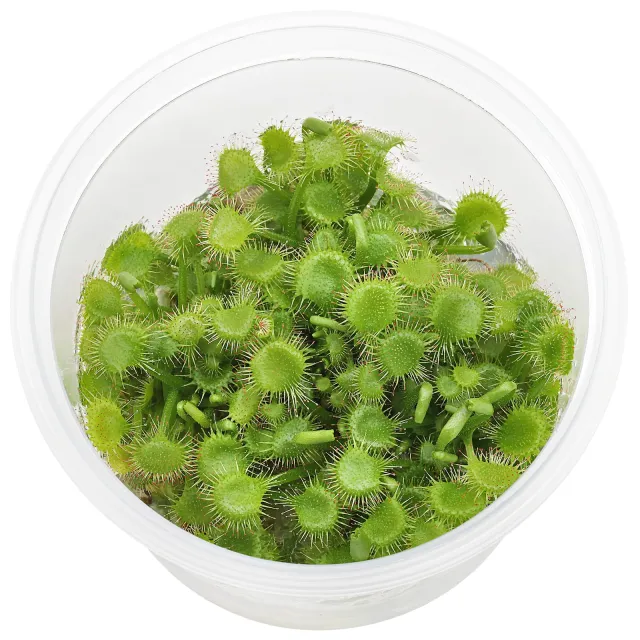
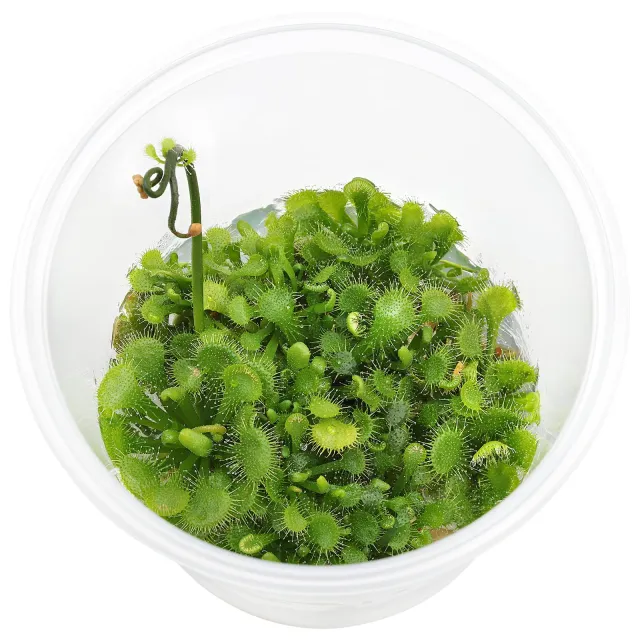
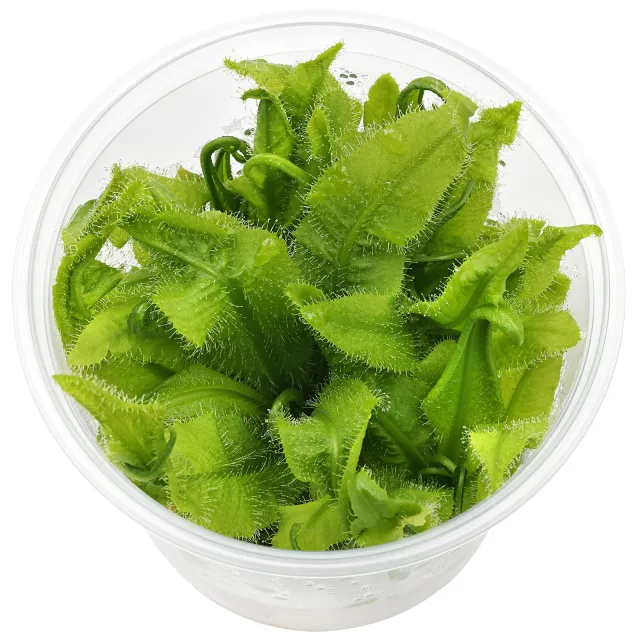
Terrarium plants - Carnivorous plants - Let your terrarium go green!
One of the most popular plant types is the "carnivorous plant". They are surrounded by an air of the spectacular and even a little of the creepy. Although carnivorous plants "only" catch tiny animals up to a few centimeters in size, they impress with their diversity and the sophistication of their trapping mechanisms.
Animal-trapping plants occur in most of the world's climate zones, but in more or less nutrient-poor locations. These can be raised bogs, nutrient-poor ponds, damp sandy areas, rocks with trickling water or rainforests with poor, acidic soil. The bladderworts (Utricularia), for example, are very diverse and varied in form, with their trap bladders and aquatic, terrestrial or epiphytic species that produce pretty flowers. Even the humped bladderwort (Utricularia gibba), which can sometimes become a nuisance in aquariums, can grow on merely wet surfaces and adorns itself with delicate yellow flowers. The butterworts (Pinguicula) belong to the same family. The Venus flytrap (Dionaea muscipula) from the Atlantic coastal plain of the USA is widely known. It is closely related to the countless, often small sundew species (Drosera), which are distributed from Australia, Africa and South America all the way to the far north. The pitcher plants (Nepenthes), with over a hundred species, are much larger. They occur exclusively in the tropics, especially on the islands of Southeast Asia. The trumpet pitchers (Sarracenia) from the bogs of North America have similar "pitchers", but they are not closely related to Nepenthes.
Carnivorous plants have a competitive advantage in nature, because catching and digesting animals gives them an additional source of nutrients. However, they also photosynthesize like other plants and by no means need to be fed in cultivation in order to thrive. Care requirements can vary greatly depending on the species, but in general the substrate should not be too rich in nutrients.