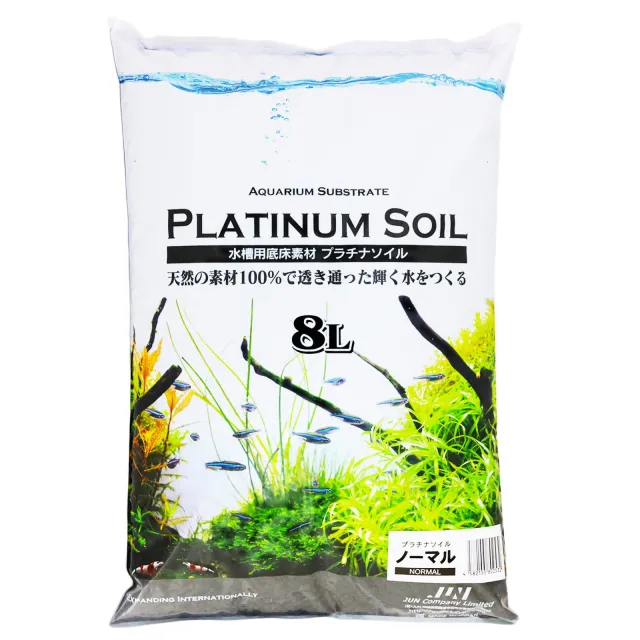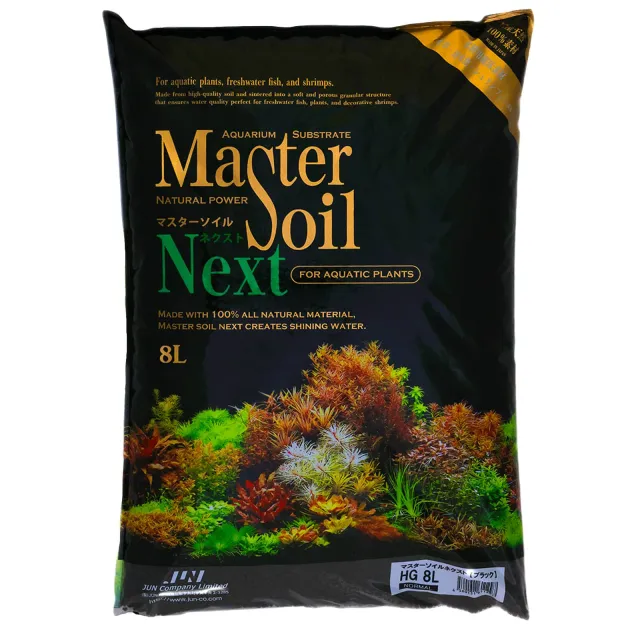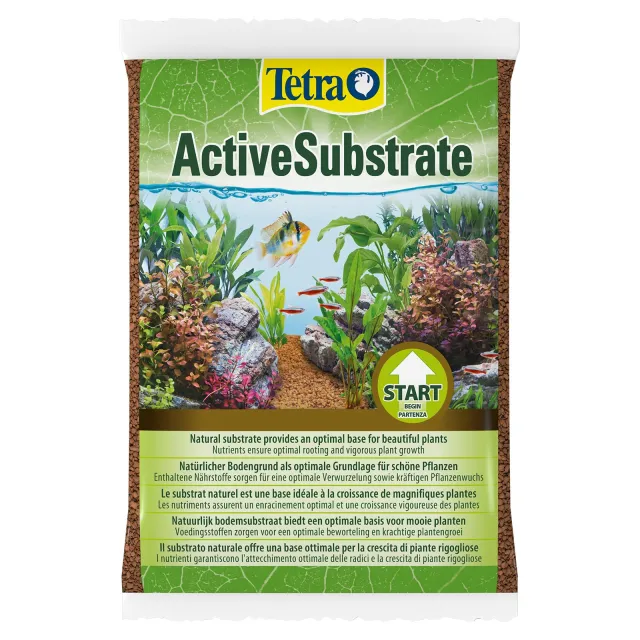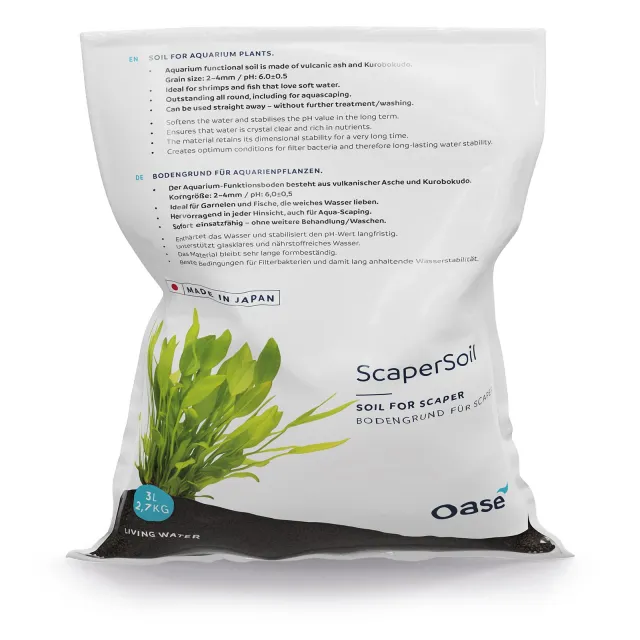
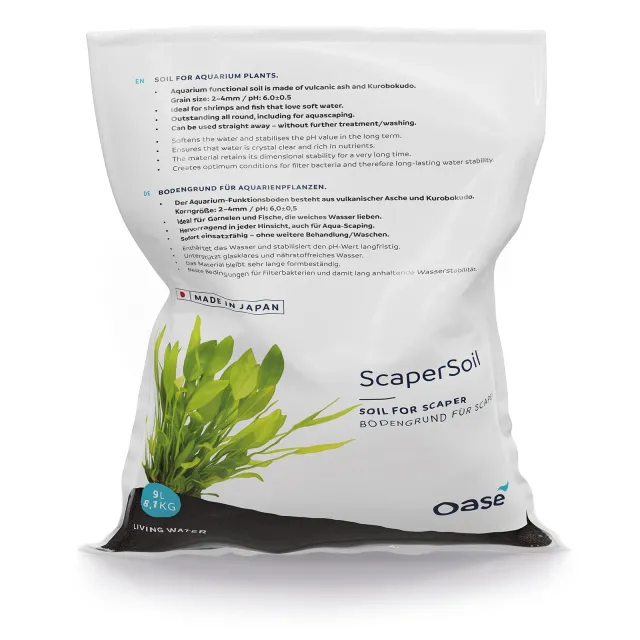
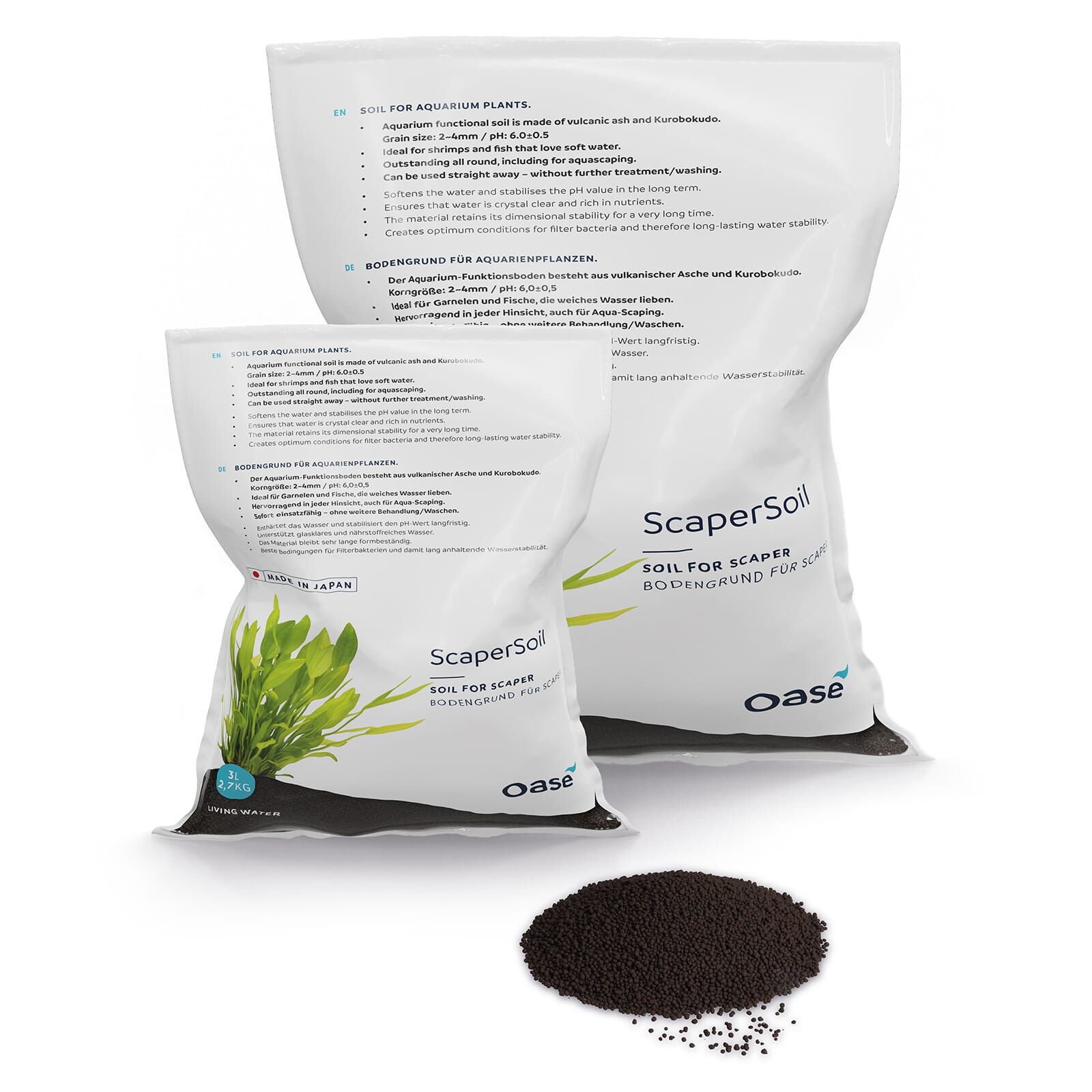
Oase ScaperLine Soil black
- Moist substrate made in Japan
- Shatterproof and stable
- Grain size: 1.5 - 3 mm
- Stabilises the water values at pH 6
- Ready to use
Curbside delivery: This item ships by freight carrier and is delivered to the curb only, not to your door or into your home. The carrier will call you in advance to schedule a delivery date. Learn more about freight delivery
Customers also bought
Item question
We’re here for you!
Please enter your question and e-mail and we’ll contact you as soon as possible. It usually takes us up to 24 hours during business days to respond.
Thank you for your question!
Thank you, we’ll get in touch!
Close window
You already sent us a question.
Please wait a few minutes
Description
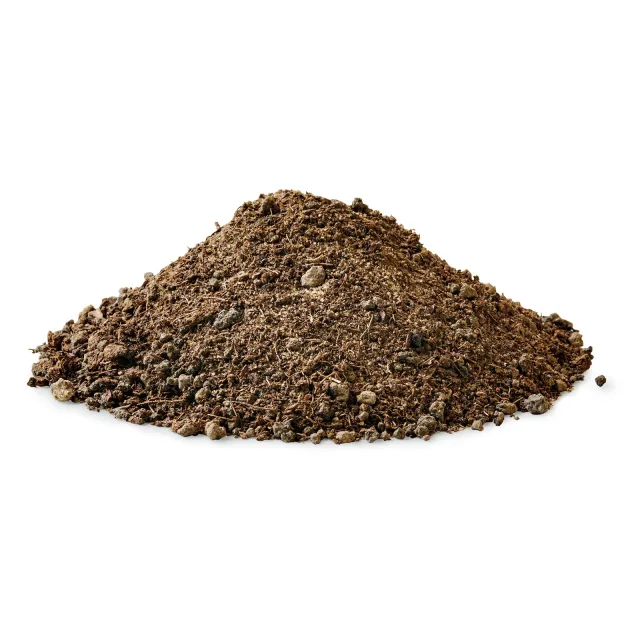
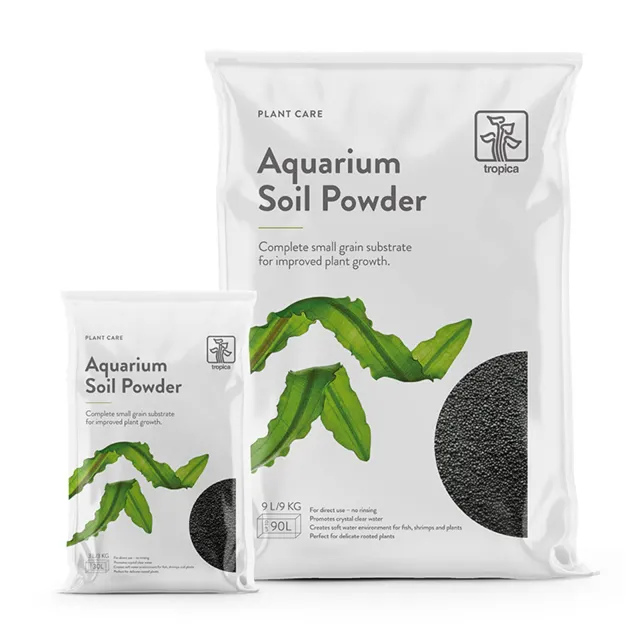
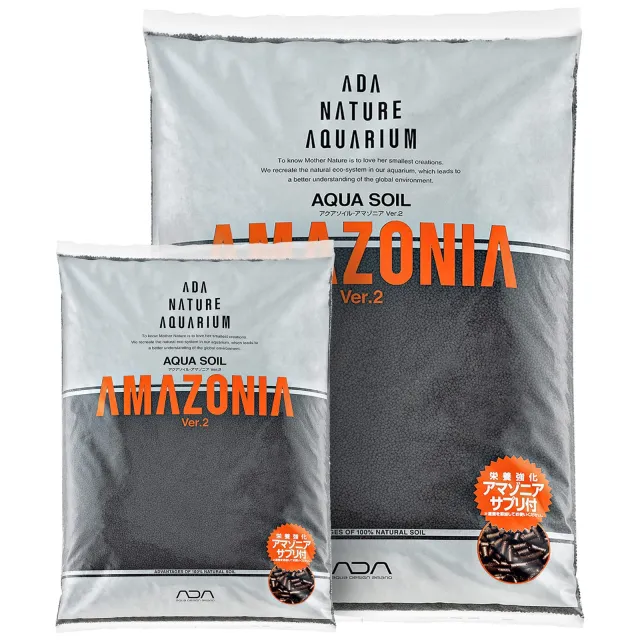
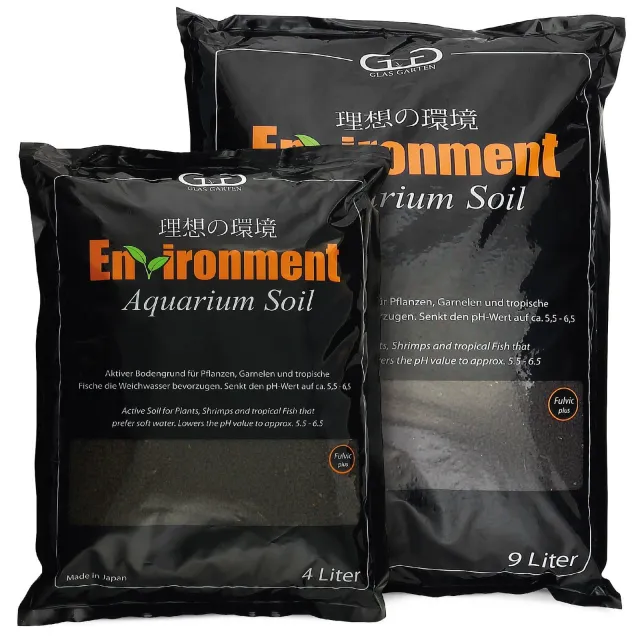
Oase ScaperLine Soil black is a moist and dimensionally stable soil material from Japan. It lowers the carbonate hardness and stabilises the pH-value in the aquarium in the long term. It also promotes the growth of plants in the aquarium. The soil material consists of grains with a diameter of 1,5 to 3 mm. Oase ScaperLine Soil is available in black and brown, in 3 l or 9 l bags.
Features
- Promotes plant growth
- Provides beautiful contrast of plants and shrimps
- Stabilises water values (pH 6,0+/-0,5 and carbonate hardness)
- Available in two colours
- Supports the ecosystem
Note
No further washing of the Soil is required before use. Therefore, the ScaperLine Soil is immediately ready for use.
Oase

Founded in 1949, the traditional German company Oase from Hörstel in Germany is passionate about developing and selling professional equipment for all aspects of water. Filters, pumps, water conditioners, complete aquariums as well as fish food and accessories for aquaristics are part of the product range. With the biOrb product line, decorative and technically advanced all-in-one terrariums including accessories are also part of the portfolio. In addition, Oase is very successful worldwide in the garden, pond and waterworks sectors and, with Oase Professional, also offers solutions for hydraulic engineering, fountain technology and pond management.
Manufacturer information
| Manufacturer | |
|---|---|
| Name | OASE GmbH |
| Street | Tecklenburger Straße 161 |
| City | 48477 Hörstel |
| State | Nordrhein-Westfalen |
| Country | Deutschland |
| info@oase.com | |
| Website | www.oase.com/de-de |
How much soil do I need?
General information
Please choose a variant to see more information.
| Item no. |
|
| EAN | |
| Weight | |
| Shipping weight |
Questions and answers about Oase - ScaperLine Soil - black
You have questions about this product? Ask other customer or our support team about this product!
Similar products