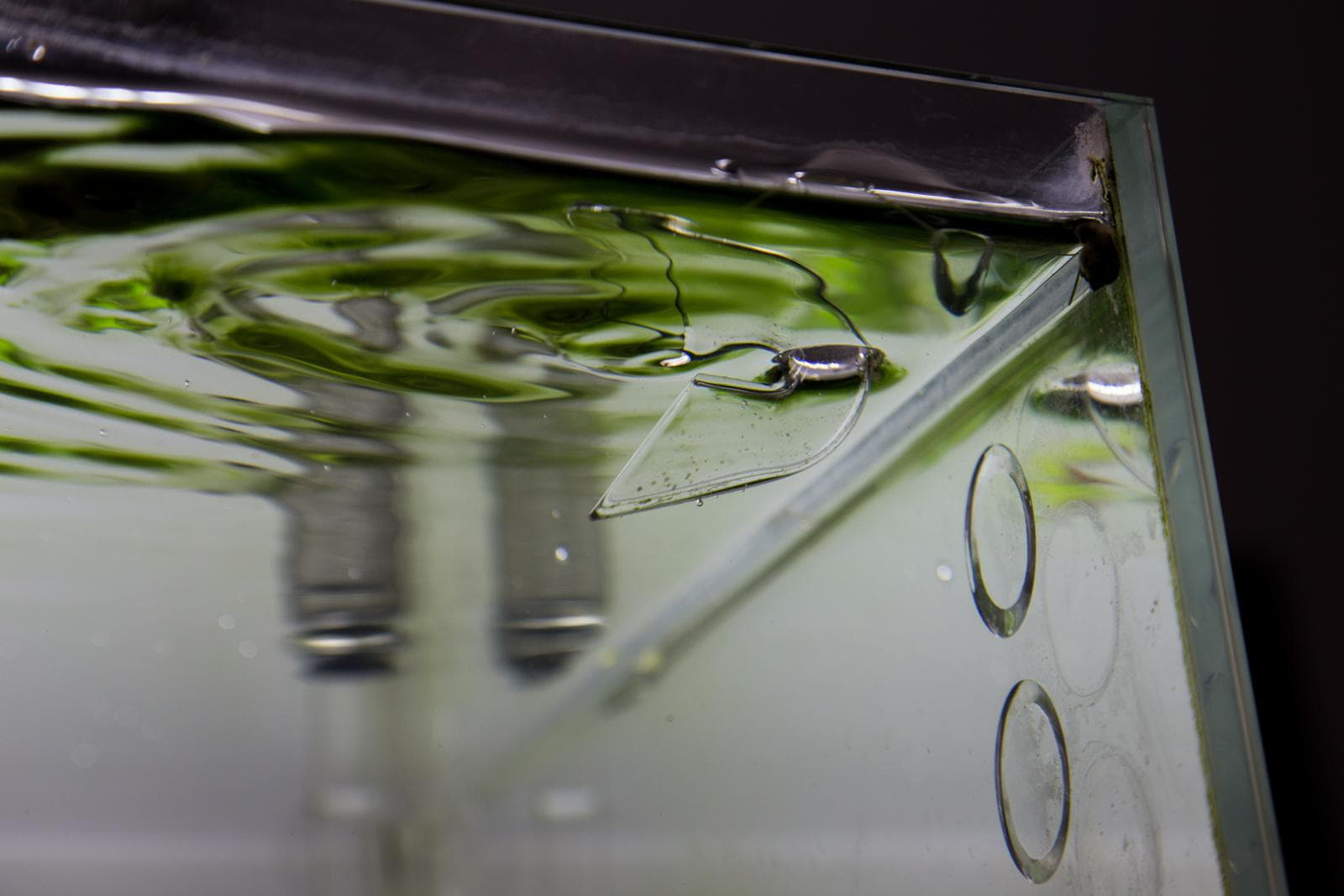
 Dark start of an aquarium
The so-called dark start method is a still fairly new way of getting an aquarium up and running that has found its place above all in planted aquariums and especially in aquascaping. In this article we show you what this form of start-up phase is all about.
The dark start
As the name suggests, this method refers to how you start an aquarium and bring it into the cycling phase. Since this period in freshly set-up aquariums is often marked by certain instabilities in terms of the ecosystem and especially in the nitrogen cycle, the dark start helps to reduce these difficulties somewhat. In particular, the nutrient-rich soil substrates used in aquascaping have a stronger influence on the water chemistry during this time, and sometimes stronger acidification occurs due to the ion exchange capacity of the substrate. Not all plants cope well with this strong rise in acidity, and there are some plant species that react quite sensitively during this time and may sometimes die off (see also "Aquatic plants turning mushy"). Some soil products also release quite a lot of nutrients during this period, which the few plants of the initial planting hardly need to this extent. The aquarist often helps out with more frequent water changes, but algae can still profit from the situation at this stage of the aquarium thanks to the nutrient supply and the lack of competition from aquatic plants. The dark start also addresses these possible negative circumstances and in this sense offers certain advantages.
The "dark" in the name of the method tells us that this approach has something to do with darkness and withholding light. By the way, it has nothing to do with the similar-sounding dry start. We will now explain in more detail how the dark start works in the aquarium.
How does the dark start work?

In a dark start, the aquarium is set up completely with substrate and hardscape (driftwood and stones), but not planted yet. No animals are added during this time either. Then the necessary filter and heating equipment is connected, the tank is filled and the aquarium is put into operation. During this time it is not lit, fertilized or supplied with the CO2 system. Only water circulation and filtration take place, in the dark. A regular weekly water change is also recommended.
Since there is no light, no algae can form. The nitrogen cycle, however, is set in motion, even if probably to a small degree, and beneficial bacteria can settle in peace. Some very heavily pre-fertilized types of soil now release their nutrient peaks, which, however, do not lead to algae growth because of the lack of light. The water changes reduce the nutrient levels again and again until they have settled at a normal level. This also applies to the ion exchange capacity of the soil, which is often very pronounced in the beginning. After a few weeks, this process takes place more moderately. If you plant the aquarium after a dark start, the risk of aquatic plants turning mushy and dying off because of the extreme over-acidification caused by soil is consequently much lower. A period of four weeks is often given for the dark start.
Planting after the dark start
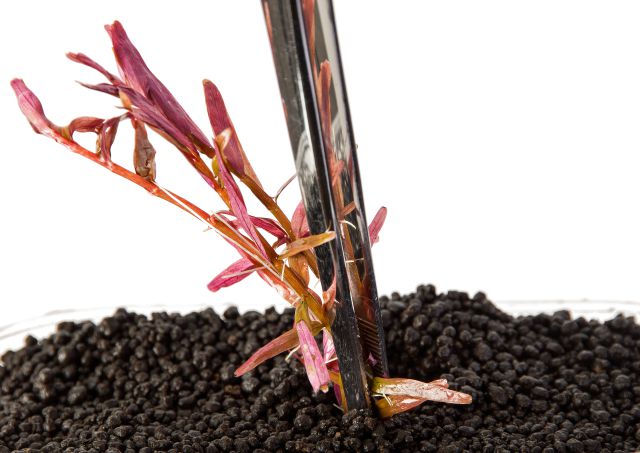
Once the dark start is finished, the aquarium can now be fully planted and put into full operation. To make planting easier, it is advisable to drain the water as completely as possible. A water level of a few centimeters is ideal for planting, since the substrate stays moist and this makes it easier to set the plants with tweezers.
Since the aquarium is now operated normally, so to speak, it is very likely that algae (above all diatoms and green algae coatings) will now displace the biofilms that may have formed in the dark. An advantage of the dark start, however, is that the extreme nutrient peaks caused by fresh soil are no longer present. Consequently, the overall situation can be controlled much better and more easily. Ideally, the aquarium stays visually almost free of algae from the start.
Stocking animals after the dark start
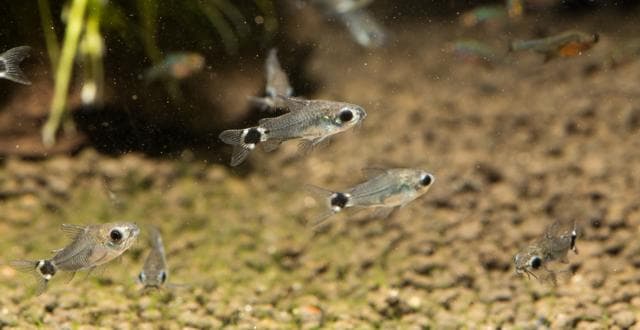
A dark start may already have led to a certain accumulation of sessile bacteria that are useful for the nitrogen cycle. In this respect, the cycling phase can be shortened or the rise of the ammonium and nitrite peaks can be greatly reduced. If the measured values are fine, animals such as ornamental fish and invertebrates can then be added to the aquarium. Depending on the case, this point in time can be shorter after a dark start than with a conventional start.
Conclusion
A dark start is a good and convenient method for starting an aquarium. The maintenance measures during this time are very limited, especially compared with a cycling phase following the more classic principle. After going through the dark start, the aquarium, now fully planted and stocked with animals, can develop quite easily and relaxed, that is, without significant algae formation. The disadvantage, on the other hand, is that for 4 weeks you own an aquarium that you cannot enjoy visually during that time.