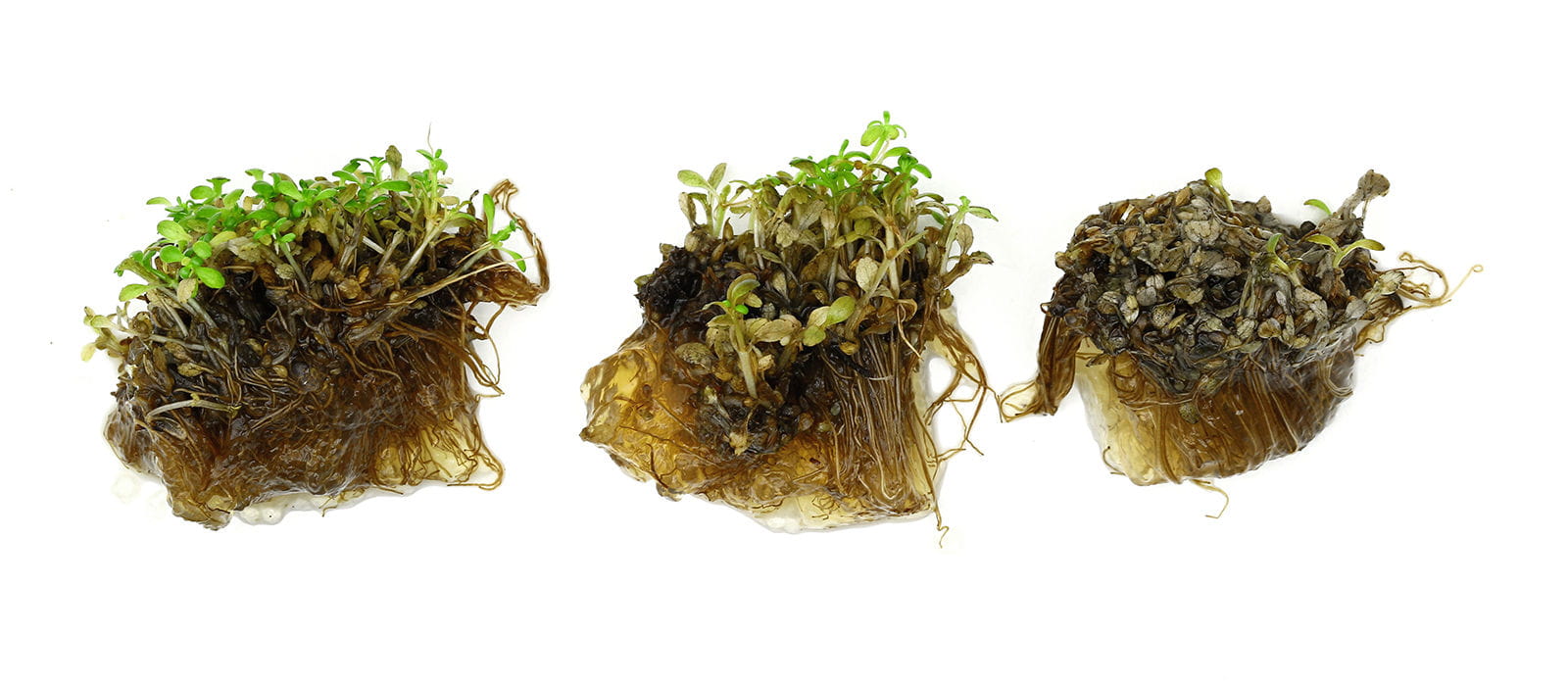
Aquatic plants turning mushy
Published
Translated from German with AI assistance and reviewed by our editors.
Who doesn't know this? You have bought fresh, healthy aquatic plants for your aquarium, plant them lovingly, and after a few days the plants dissolve and turn to mush. What should you do in such a case? We give valuable tips on this.
The aquatic plants you buy online for your aquarium are usually shipped with a parcel service. The transport itself, depending on the weather and transit time, can already be a certain challenge for the aquarium plants. We at Aquasabi, as a reputable retailer, do everything in our power to make sure the plants arrive at your home healthy. And even if a spoiled plant does arrive at your place once in a while, feel free to contact our customer service so that we can offer you a solution to this problem.
As an aquarium owner, especially in the colder winter months, you should make sure after arrival that the plants can acclimate first. They should therefore not be planted directly into the aquarium (otherwise this can lead to serious damage up to total loss of the plant) but should be gotten used to the indoor temperature over one to two hours. To do this, simply leave the aquatic plants in the opened box next to the aquarium for the said period. Afterward, the plant temperature should have adjusted to room temperature, and the aquatic plants can now be prepared for planting.
Susceptible plant species
The problem of aquarium plants turning mushy occurs more frequently in some particular plant species. We have drawn up a list here of aquatic plants that are particularly sensitive in this respect. We therefore rather advise beginners in aquascaping and planted aquarium keeping against these particular species as a starting point.
Utricularia graminifolia
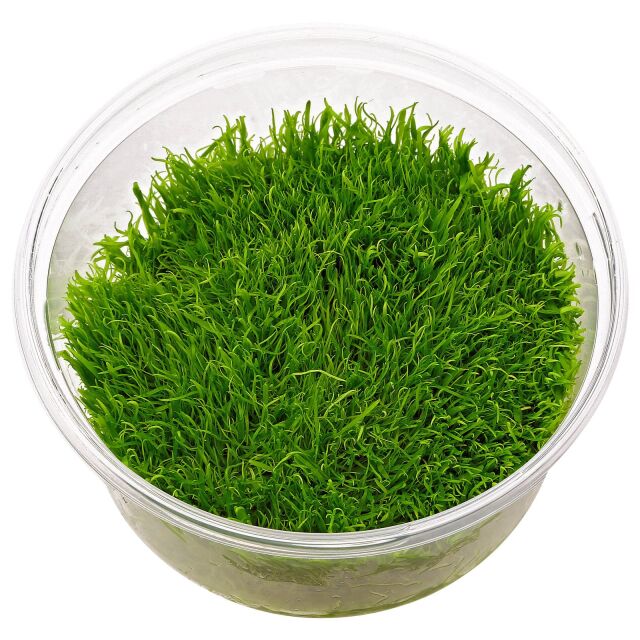
The grass-leaved bladderwort is a unique foreground plant for the aquarium, but unfortunately not easy to keep either. It is particularly sensitive in the period after planting. Individual spots of the plant can then turn mushy, and this phenomenon then spreads through the entire new stock. Here you should stay calm and not remove the rotten plant parts completely from the aquarium. There is a good chance that over time (after a few weeks) individual spots will recover after all, and vital young plants will come up out of nowhere (often arising from remains in the substrate). Once this period has been overcome, keeping the plant turns out to be quite problem-free. The prerequisite is, of course, good nutrient supply. Some aquascapers have found that you sometimes have more luck with a dry start.
Elatine hydropiper
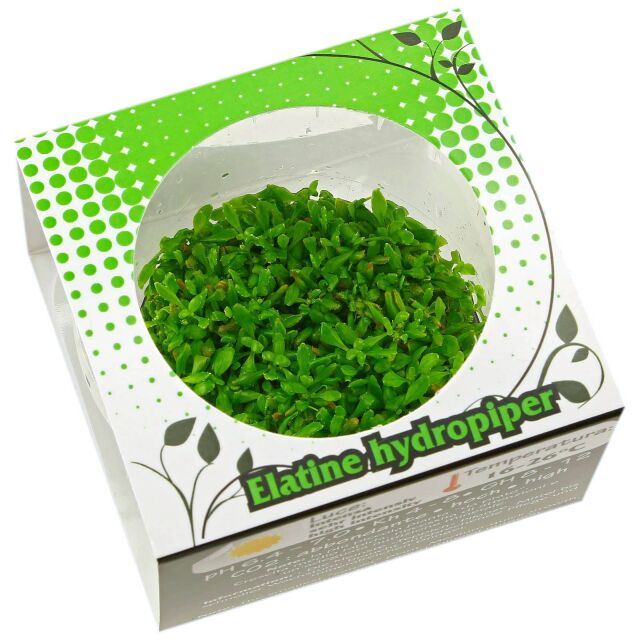
This beautiful ground cover plant, which looks like a smaller edition of Glossostigma elatinoides, is unfortunately not an easy-to-keep aquarium plant either. Especially in the early period after a new setup, this plant is prone to sudden dissolving, which is probably due to the switch from emersed to submersed growth. The theory that Elatine hydropiper cannot tolerate fresh soil, which strongly acidifies the substrate at the beginning, is also an obvious explanation. Experience shows that the chances of success are more promising with submersed-grown plants and when introducing them into a setup that has already been running for a longer time.
Bucephalandra
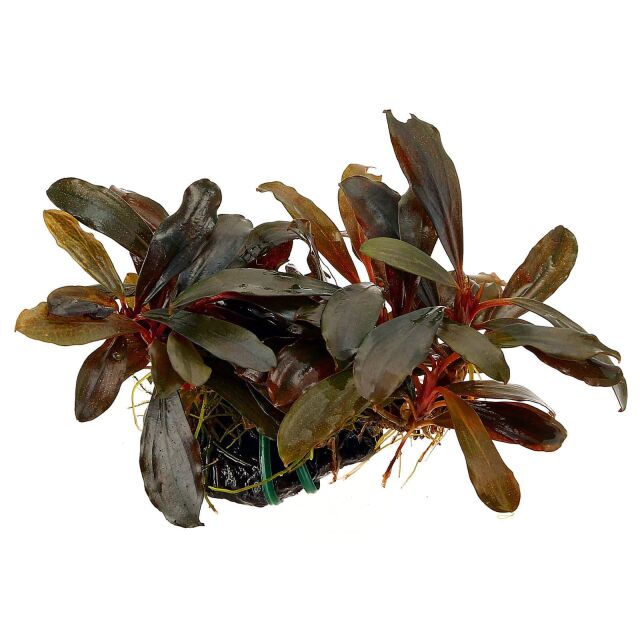
Bucephalandra plants were the absolute sensation among aquatic plants in recent years. Some special varieties are even traded as very rare rarities. All the more unfortunate, then, is the circumstance when such a treasure dissolves after being placed in the aquarium. Although Bucephalandra seem as robust as anubias because of their hard leaves, unfortunately they are not. Especially during the switch from emersed to submersed growth and in fairly freshly set up aquariums, it can quite easily happen that these plants fall apart into mush, often beginning with the leaves. Even though Bucephalandra are rather classic epiphytes, fresh, strongly acidifying soil in the aquarium can sometimes act too aggressively here as well. As so often, you need to stay calm and practice patience here. Often all the leaves fall apart into mush, but the rhizome stays hard and stable. As long as that is the case, the plant can recover and sprout new leaves from the rootstock, even though, at the growth speed of a Bucephalandra, it can take quite a long time until it looks like before again. Under no circumstances should you throw away the entire aquarium plant out of sheer frustration; first check whether the rootstock is still intact and give it a chance to sprout anew.
Hemianthus callitrichoides "Cuba" in fresh soil
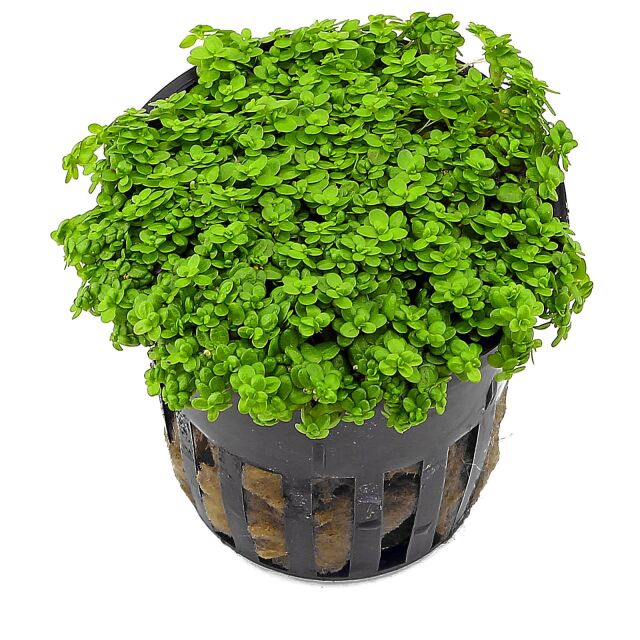
Cuba pearlweed is not an overly sensitive plant in itself, but problems can sometimes occur when planting it into fresh soil substrate, which acidifies the environment very strongly. Possibly the lower plant parts in particular can die off and fall apart into mush here. Often, though, as an aquarist you are lucky, and enough healthy shoots remain in the aquarium to get through the cycling phase and then keep growing without problems.
Blyxa japonica
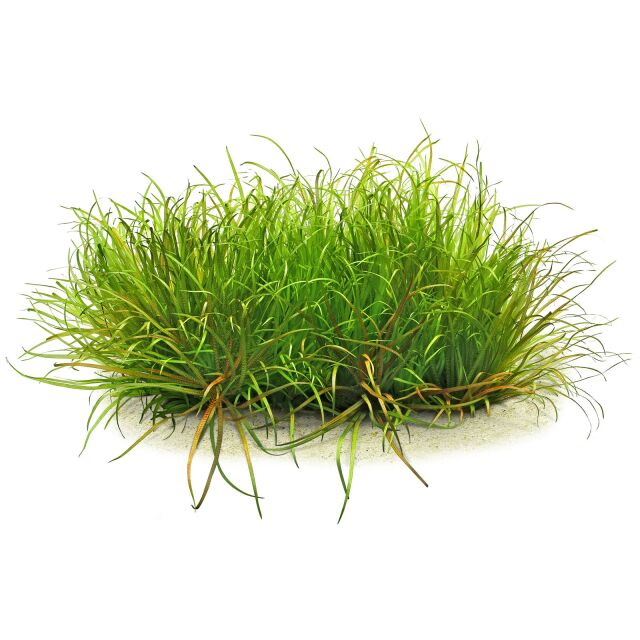
Japanese blyxa is, unlike many other aquarium plants, a purely underwater plant that therefore only ever has a submersed form. The transport alone can have negative effects on this plant when you later put it into the aquarium. Otherwise too, Blyxa japonica is a rather sensitive aquatic plant, especially in the early period. Especially in freshly set up aquariums, it tends to dissolve completely within a few days. In an aquarium that has already been running for a longer time, the chances are higher that there are no problems after planting. If it still falls apart into mush, patience is called for, as with many other species. The aquarist should preferably not remove the damaged plant but give it a chance that healthy shoots can develop again from the remains over time.
Rotala indica
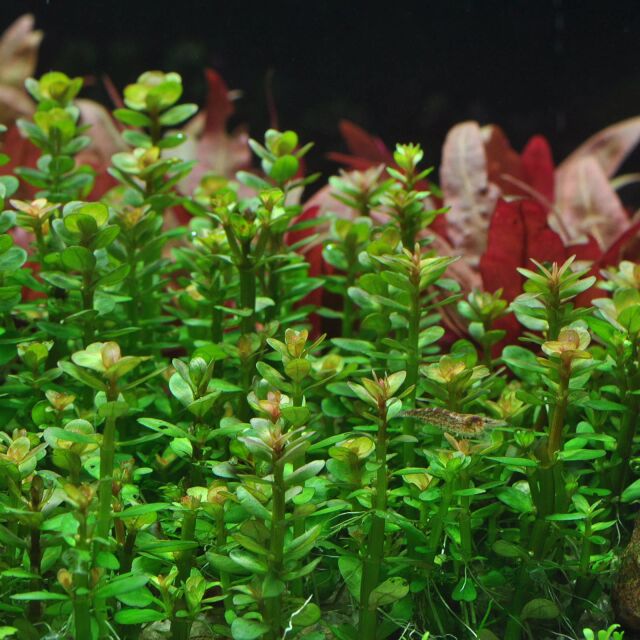
Rotala indica, also known under the synonym Ammania sp. "Bonsai", likewise tends to dissolve very suddenly, especially in the early period in a freshly set up aquarium with new soil substrate. The leaves become transparent and the stems begin to rot away from the bottom. With a bit of luck you can still cut off healthy top cuttings and replant these intact shoots, but that is rather the exception and not the rule. This plant should therefore only be planted after the aquarium has been running for a while.
Special case: Cryptocoryne melt
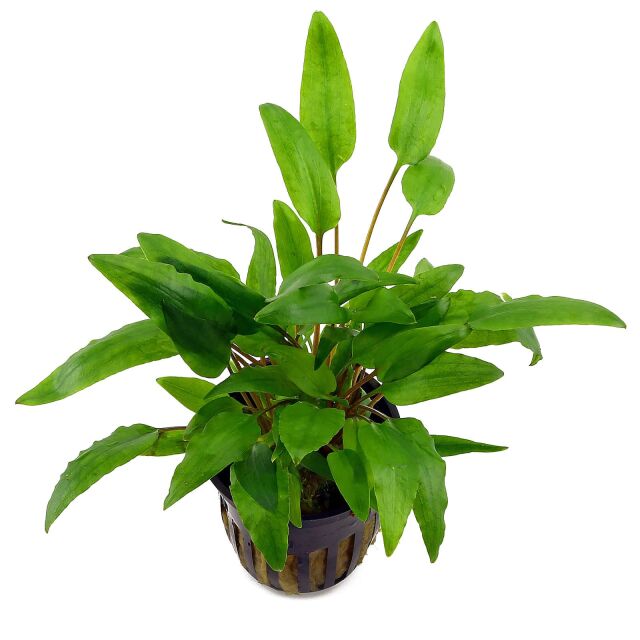
A special case of aquatic plants turning mushy is the so-called Cryptocoryne melt in water trumpet species. Here the plant can lose its leaves, and in part its stems, quite quickly within a few hours. Affected leaves and other tissue quickly turn glassy and fall apart into mush, which can also smell rotten. If larger stands of cryptocorynes are affected, the decay can lead to a stronger water load. If Cryptocoryne melt is beginning, it is advisable to cut the affected plants down radically. As with other plant species, the same applies here: as long as the rhizome stays intact, new and healthy foliage can sprout from it again. The cause of this long-known phenomenon in the aquarium hobby is often changes in the environment, to which the water trumpets react by shedding their leaves. In the so-called cycling phase of an aquarium, Cryptocoryne melt can therefore also occur in freshly planted specimens, especially if the growth form still has to switch from emersed to submersed. Some aquascapers make use of this circumstance and plant water trumpets with all leaves removed at a new setup. The argument for this approach is that the plant will shed its emersed shoots anyway because of the switch.
But Cryptocoryne melt can also occur during ongoing operation in aquariums that have been running for a longer time when changes in the environment occur. These can be drastically changed water values, but also replacing the lighting or a change of location. All in all, apart from this phenomenon, cryptocorynes are very robust and easy-to-keep aquarium plants.
General tips for avoiding aquatic plants turning mushy
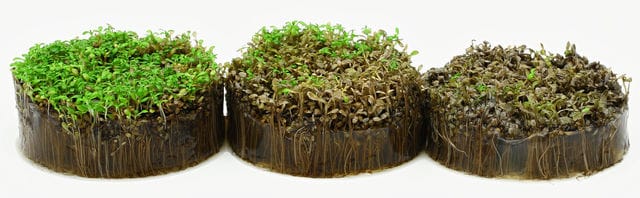
Besides the tips on acclimating the aquarium plants already mentioned above in the introduction, you can follow a few more. Especially if you have used in-vitro plants, you should make sure that the nutrient medium is removed as completely as possible before planting. These often sugar-containing gels can otherwise be a great breeding ground for bacteria, which can then attack the plants. Likewise, in-vitro cups that have been opened should always be used up completely. Once they have been opened and then stand around with leftover plants for a while, possible contamination can lead to mold or bacterial growth.
If driftwood was used when setting up the aquarium, you should note that some types of wood here too tend toward strong growth of bacterial lawn in the form of milky slime in the early period. This is nothing serious in itself; the lawn disappears by itself after a while and is also gladly eaten by invertebrate algae eaters such as snails and shrimp. As an aquarium owner you should only make sure that the slime does not spread to sensitive epiphytes (such as Bucephalandra). The bacterial lawn can, however, be siphoned off very easily with a hose. This measure may be necessary several times.