 Aquarium water conditioner: yes or no?
Opinions differ in the aquarium hobby on the subject of water conditioners. Do you really need something like that, or not? With this article we shed some light on the matter.
What can water conditioners do?
Water conditioners serve, in principle, to free the water in the aquarium of harmful substances. Certain concentrations of ammonium or ammonia, or nitrite, which arise in the course of the nitrogen cycle in the aquarium, can be toxic to the inhabitants. Some care products, such as the water conditioner Seachem Prime, neutralize these pollutants immediately.
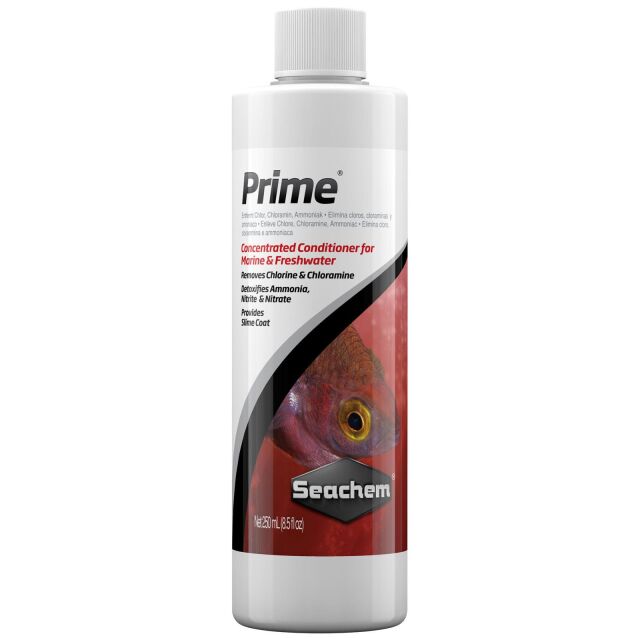
You can also use these care products for aquarium water to treat fresh water during a water change and free it of substances that are dangerous to the stock. If there is chlorine in your tap water because your water supplier disinfects its pipes from time to time, or dangerous heavy metals such as copper, lead or zinc are present, which can get into the water through some pipes and lines, the water conditioner ensures that these toxic substances are neutralized and no longer pose a danger to the inhabitants of your aquarium. To ensure this, two different principles of action have established themselves on the aquarium market: water conditioners that render these substances harmless with the help of chelates (for example EDTA), or those that rely on zeolite as a base material.
In addition, these water care products sometimes contain further additives that can promote the health of your aquarium animals: vitamin B complexes help reduce stress in fish and invertebrates, and portions of aloe vera plant extracts can support the mucous membranes of ornamental fish and invertebrates in the aquarium. This way the water conditioner improves their natural protection against diseases, germs and injuries.
But what dangers does the water actually pose to the inhabitants of the aquarium? Here is a short overview:
Ammonium and nitrite
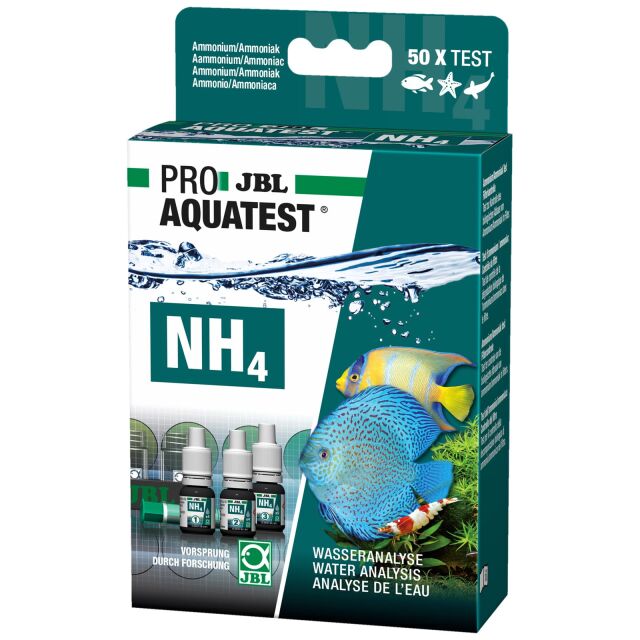
For this, you first need to be aware of the function of the nitrogen cycle in the aquarium. It serves to break down pollutants from accumulating organic matter from fish excrement, leftover food and dying plant material. If this cycle is disrupted or not yet fully developed (such as in the cycling phase of aquariums), ammonium or ammonia, or also nitrite, can develop in higher concentrations. Ammonia and nitrite can be toxic to aquarium inhabitants. Ideally, in an already cycled aquarium, these two chemical compounds should not be detectable with a standard aquarium water test. If there are signs of poisoning, water conditioners that remove ammonium and nitrite can be added to the aquarium as an immediate countermeasure. It is important, however, to then fix the cause of the problem and support the bacterial environment of the pollutant-degrading microorganisms. For this, bacteria products or the use of high-performance filter media, which serve as a colonization surface for exactly these microorganisms, make sense.
Do you want to learn more about the toxicity of ammonium / ammonia? We have a separate article on that here.
Chlorine and chloramine
Chlorine is used in drinking water treatment to clean tap water and free it of germs. Many water suppliers use it to disinfect the pipe system and water lines. In Germany especially, chlorine is generally not used permanently, but it is used when problems are emerging (for example after heavy rainfall). In some southern European countries, chlorination is sometimes standard. Chlorine and chloramines (the latter are chemical compounds of chlorine with nitrogen, such as with urea or amino acids) are toxic to all life in an aquarium. Chlorine is harmful even at a low concentration of 0.05 mg/l and can cause chemical burns to the mucous membranes, especially the mucous membranes of the gills of fish and invertebrates. Microorganisms such as the bacteria involved in the nitrogen cycle can also be impaired. A higher chlorine concentration in the aquarium water is therefore often accompanied by a rise in ammonium and nitrite values. Since the purification measures of the drinking water supplier are not under the aquarist's influence, treating tap water before using it in the aquarium is a safety measure that should not be underestimated. Even if the likelihood is low, it is worth always having a bottle of water conditioner on hand. No aquarist wants to suddenly face the total loss of their stock after "everything has gone fine for years".
Heavy metals
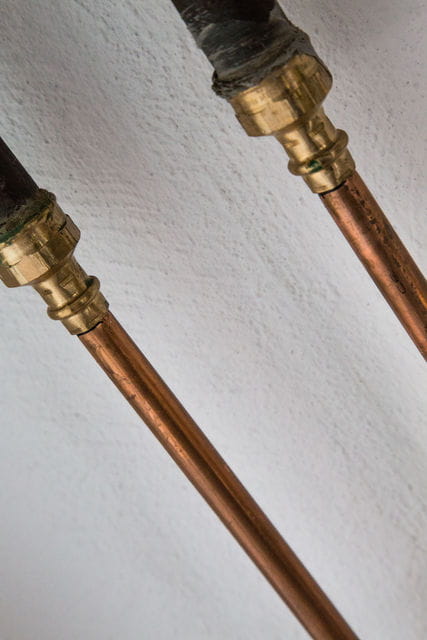
Heavy metals that are toxic to aquarium inhabitants include, for example, lead, zinc or copper. In drinking water, these elements are generally only present in very low concentrations. Depending on the condition of the water pipes in the house, however, metals can dissolve from them into the tap water. This can be the case, for example, when fairly new copper pipes have been installed. The presence of heavy metals in aquarium water can lead to toxic reactions in aquatic animals, but also in aquarium plants. Invertebrates such as crayfish, shrimp and snails in particular react considerably more sensitively to copper than ornamental fish. A water conditioner helps here by binding the toxic substances and making the water safe for use in the aquarium.
By the way: aquarium fertilizers such as all-in-one iron fertilizers also contain traces of metals as plant nutrients, including elements such as copper. Aquarists then often wonder whether these fertilizers are safe, especially for sensitive invertebrates such as snails and shrimp. All-in-one iron fertilizers such as Aqua Rebell Mikro Basic are definitely safe for invertebrates, because the already low concentrations of copper or other trace elements are not present in free form but bound to a complexing agent. This chelator serves as a protective shell for such metals and reduces the potential toxicity of these elements many times over. Because of its binding properties, water conditioner should not be added to the aquarium at the same time as fertilizer, but at least 24 hours apart. This way the trace elements are not immediately made unusable again.
Water conditioner and aquascaping
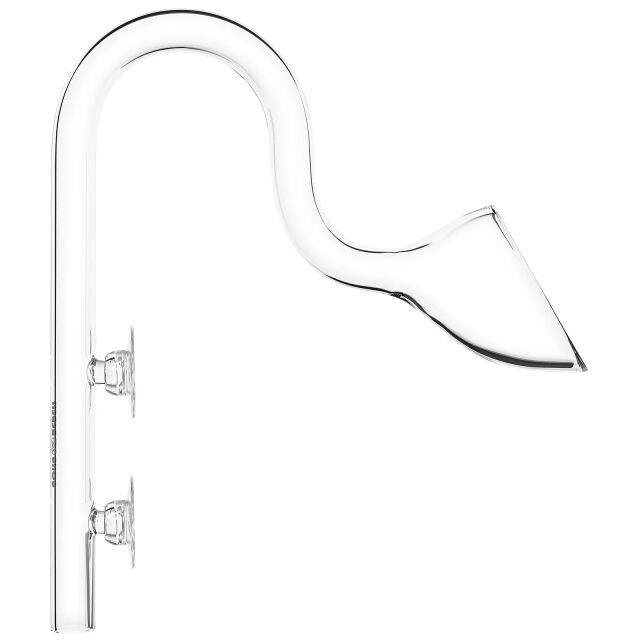
An aquascaper, too, should always keep a bottle of water conditioner in the cabinet - for different reasons. In aquascaping, glassware is often used, such as lily pipes or glass CO2 diffusers. Chlorine is often used for cleaning these parts. To remove it again, it is recommended to soak the glassware in water conditioner. The aquarium filter medium Purigen, popular among aquascapers, is also regenerated with the help of chlorine bleach. To make the material suitable for use in the aquarium again, treatment with water conditioner is likewise advisable here to remove even the last traces of chlorine.