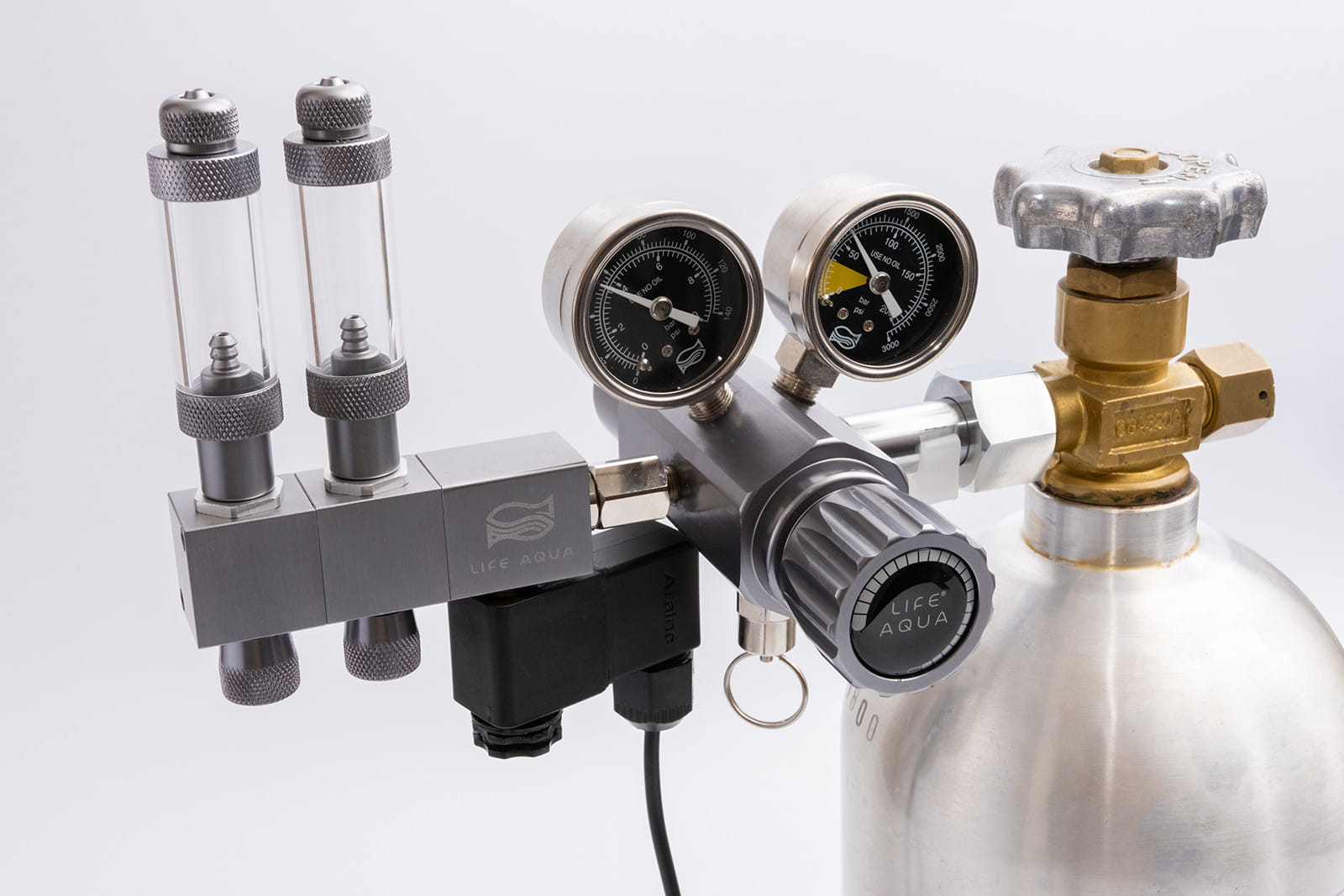
 The 10 most common reasons why your CO2 system is not running properly
Is your CO2 system not running properly? We show you the 10 most important causes for troubleshooting. These include technical defects, but also typical operating errors or a lack of maintenance.
1. The CO2 cylinder is empty
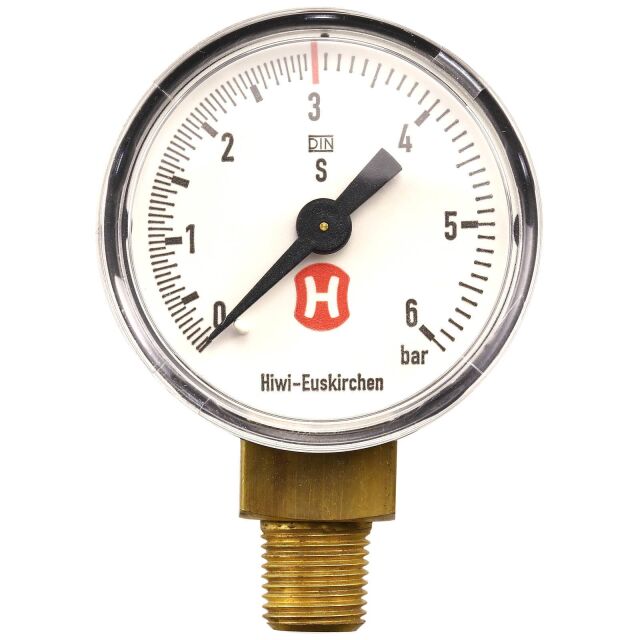
This circumstance is often overlooked. Usually, an almost empty cylinder makes itself noticeable by the working pressure rising. If you suspect that there is no gas left, check whether the cylinder really has no pressure left (the pressure gauge shows "0"). Then it is time to have the cylinder refilled.
2. Working pressure or bubble rate set incorrectly
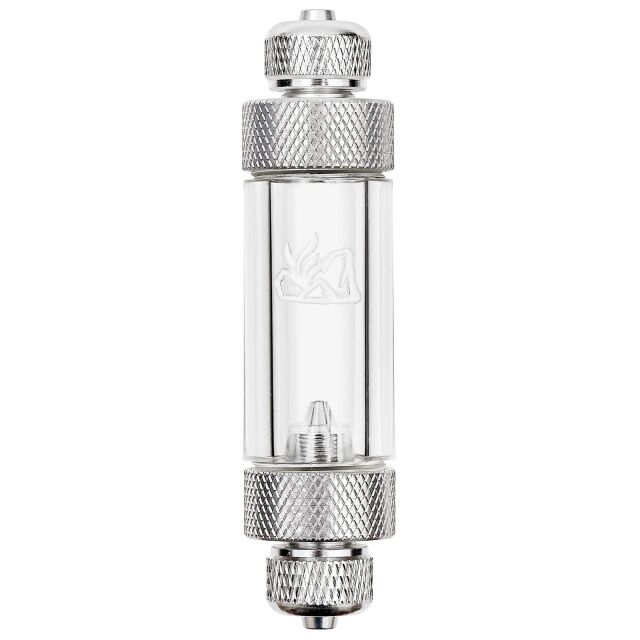
For a CO2 system to work correctly, a certain working pressure is necessary. Even special components such as some bubble counters or diffusers need a minimum pressure to function properly at all. So be sure to read the instructions for the respective product carefully. For example, many stainless steel diffusers need a minimum value of 1.8 bar. In addition, the larger an aquarium is, the higher the bubble rate should be. For a planted aquarium, you can use the guideline value of 10 bubbles per minute per 10 liters of aquarium water. We describe in more detail how to set the bubble rate correctly for a planted aquarium in this article.
3. The CO2 diffuser is dirty
A diffuser that is covered in algae or biofilm lets no CO2 through or does not dissolve it efficiently in the water. Contamination can be recognized clearly by discoloration; often the number of bubbles coming out is greatly reduced or only large bubbles form. It is therefore important to clean the delivery device regularly. We show you here how best to go about it.
4. Leaks in the system
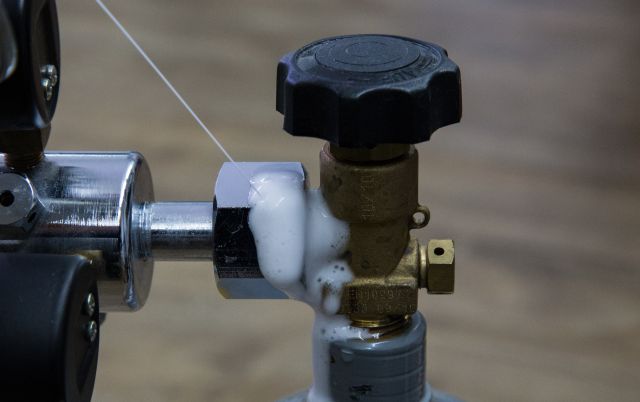
Every leaky spot (for example at tube connections, adapters, seals) lets CO2 escape before it reaches the aquarium. It is therefore worth checking all connections for leaks. Leak detection spray can be used for this. Especially with older connections where tubing is pushed onto a piece of glass, metal or plastic, leaks can develop over time because the tubing is stretched at these points. If the material then also becomes fatigued, for example through lost flexibility (the tubing becomes hard), a leak can definitely develop this way. We have summarized how you can check for leaks in this special guide.
5. Surface flow
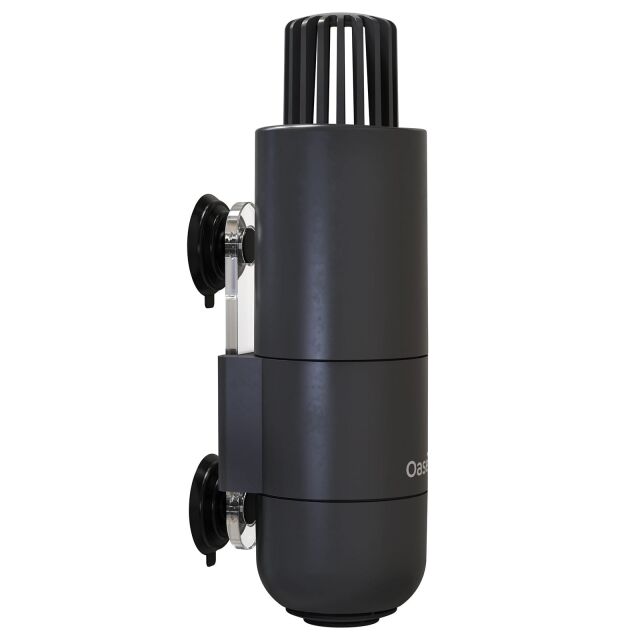
Do you use a skimmer? A surface skimmer reliably removes the biofilm in the aquarium. However, it also causes strong movement of the water surface, just as a filter outflow pointing upward does. The stronger water movement drives out significantly more CO2. This shows in the color of the drop checker, and you have to inject correspondingly more bubbles to get back to a green shade. But be careful: a clogged or dirty skimmer or filter then reduces the surface movement again. The result can then be a greatly increased CO2 level (yellow drop checker). It is therefore important to clean the skimmer and filter regularly so that the flow rate and current speed stay constant.
6. Drop checker / test reagent
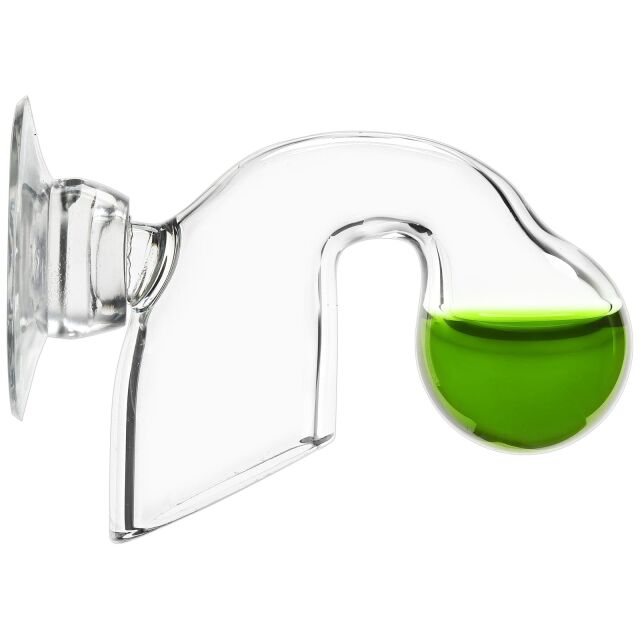
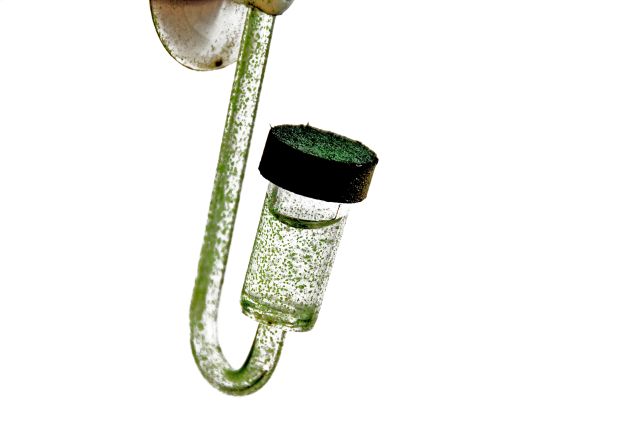
A drop checker is filled with a special test liquid that indicates the CO2 concentration in the water through a color change. Since readability in particular declines over time, it is important to replace the test reagent every 3 to 4 weeks so that the test always displays reliably. However, there are a few sources of error when handling a drop checker and the test liquid that can otherwise lead to a distorted test result. For example, the test reagent must not mix with aquarium water. There should always be a layer of air in the drop checker to separate the water from the test liquid. This can be lost, for example, if the drop checker slides down from the glass to the bottom because the suction cup no longer holds.
It is also important to distinguish well between the different shades of green. A turquoise shade, or a dark green, is not the target color; it should rather be a light green. You can find more tips on handling a drop checker here.
7. Remember the time lag
With a CO2 system, you have to keep in mind that all changes to the settings have a certain time lag before they take effect. This applies in particular to adjustments of the working pressure and of the fine needle valve, which influences the bubble rate. The test reagent of the drop checker also takes several hours before it shows the correct reaction. You should therefore be patient and wait out this period before the next change is made to the parameters.
8. Technically defective components
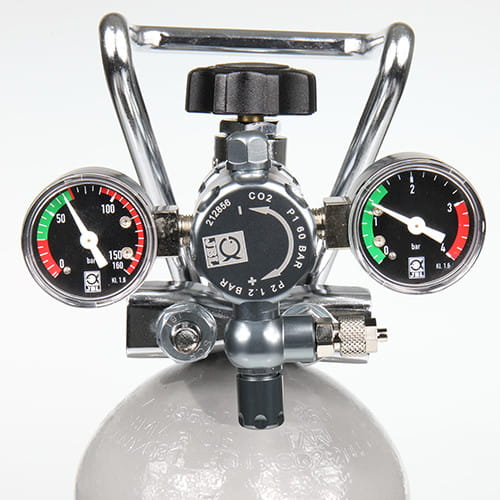
In rare cases, technical components of a CO2 system can of course also be defective. A defective or poorly adjusted pressure reducer lets no CO2 through or delivers too much/too little. Especially with timer-controlled systems, a defective solenoid valve or one that is not supplied with power can stop the CO2 flow. Defective night shut-offs often make themselves noticeable through noise, such as a strong humming. Bubble counters or anti-backflow devices can clog over time; limescale, algae or air bubbles are responsible for this. If a CO2 system is not working properly, a technical check of these components is worthwhile.
9. Water damage
A build-up of water can also interrupt the flow. This is often due to a missing or incorrectly installed check valve. Without backflow protection, water can run back into the system and block or damage it.
10. Calculated CO2 level
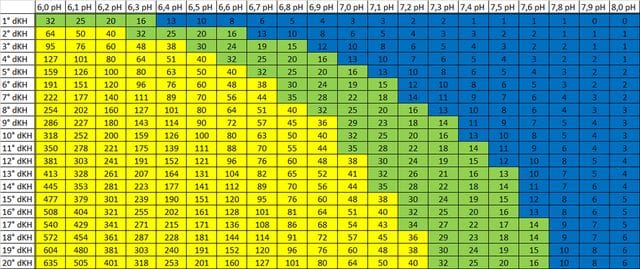
So-called "KH-pH-CO2 tables" are often used to determine the carbon dioxide concentration. It is true that, because of the carbonate-carbonic acid equilibrium, there is a relationship between CO2 level, pH values and carbonate hardness. However, this model is only theoretical and therefore only of limited use for aquarium water. In the aquarium, other factors such as phosphates and humic substances can buffer the pH and thus distort this table. It is therefore strongly recommended to use a CO2 drop checker, because it works independently of the aquarium water.
Tips for prevention
To make sure the CO2 system works flawlessly, a few additional measures for monitoring and maintenance can be helpful. A first important indicator is the bubble counter: if no bubbles are visible, no CO2 is flowing either – this points to a fault in the system.
Another helpful indicator is measuring the pH. Comparing the pH at the beginning and at the end of the day can give clues as to whether and how much CO2 is dissolved in the water. If the pH stays unchanged throughout the day, the CO2 supply could be insufficient. Regular maintenance of the system is equally essential. All components – especially seals, tubing and valves – should be checked for proper function at regular intervals, cleaned if necessary and replaced when worn.
Finally, using a CO2 drop checker is recommended to continuously monitor the CO2 concentration in the aquarium water. The color scale of this test reliably shows whether there is enough CO2 in the water – a green indicator stands for an optimal value.