Filtering a fish aquarium

By Aram Schneider Published Updated
Translated from German with AI assistance and reviewed by our editors.
Header photo copyright: Chris Lukhaup.
In an aquarium focused on keeping fish, an aquarium filter is essential for water quality and the health of the ornamental fish. Breaking down pollutants in the sense of the nitrogen cycle plays a very important role here. Certain filter materials also provide clear water and remove dirt and suspended particles. We show you what you need to look out for.
The nitrogen cycle
Source attribution: Public domain via Wikimedia Commons
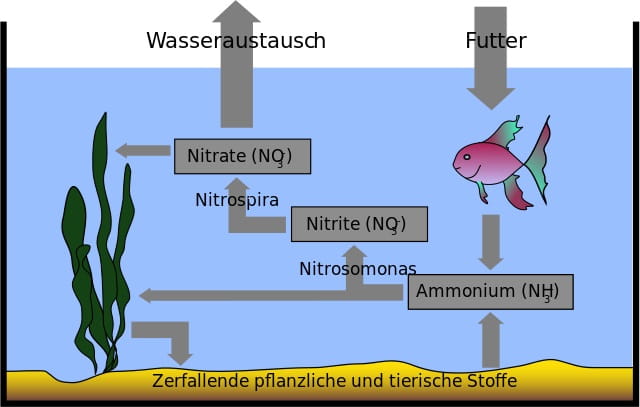
The nitrogen cycle in the aquarium is an essential biological process that ensures the fish's toxic metabolic products are converted into less harmful compounds. Without this cycle, toxic substances would accumulate in the water and significantly degrade the water quality. It all starts with fish excreting ammonia through their gills and in their feces. Leftover food and dead plant parts also decompose and release ammonia. This substance is highly toxic to fish. Depending on the pH, however, it can convert into ammonium, which is less harmful. To keep the water habitable for the fish, special bacteria take on an important role. Bacteria of the genus Nitrosomonas convert the toxic ammonia into nitrite. But nitrite is also a danger, since it impairs oxygen uptake in the fish's blood. Fortunately, another conversion step follows: other bacteria, above all Nitrobacter, ensure that the harmful nitrite is converted into nitrate. In small amounts, nitrate is harmless to fish, but it can accumulate over time.
To maintain the balance in the aquarium, excess nitrate should be removed. This is done through regular water changes, the use of fast-growing plants or special filter media. In some cases, anaerobic bacteria can also convert nitrate into gaseous nitrogen, which finally escapes from the water. A stable nitrogen cycle is indispensable for the health of the fish. Especially in a newly set-up aquarium, it takes several weeks until enough beneficial bacteria have formed to get the cycle going (cycling phase). A well-functioning filter with the right filter media plays a central role here, since it serves as a habitat for the bacteria. Through suitable filtration, regular maintenance and targeted water replacement, the biological balance is maintained, so the fish feel comfortable and the aquarium stays stable.
Choosing the right filter
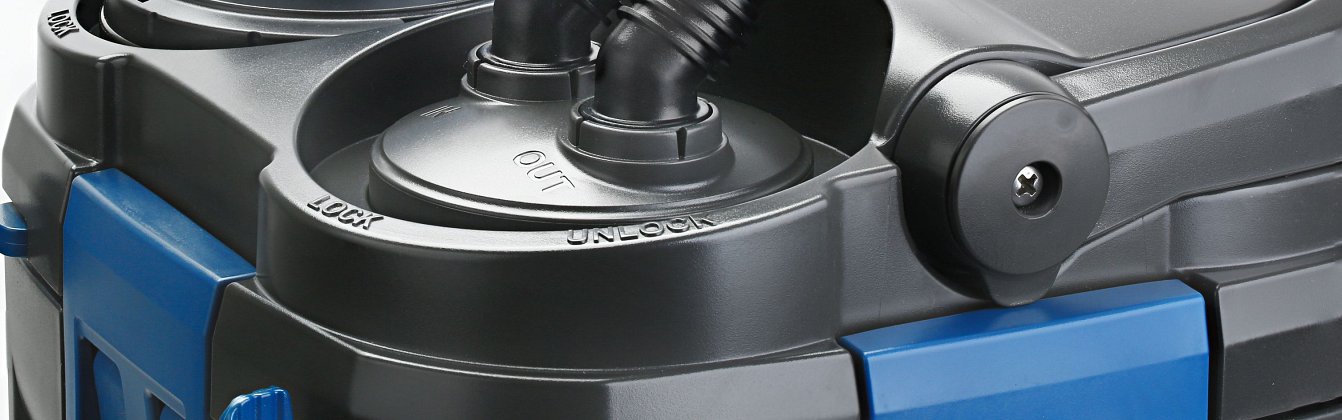
In aquarium keeping, there are different types of filters. Internal filters are easy to install and particularly well suited for small aquariums. However, they also take up a corresponding amount of space in the aquarium. Hang-on-back filters combine the advantage of internal filters and can also be attached easily outside the aquarium. This frees up space in the tank, but needs it at the installation location, for example on the side pane. They are therefore more recommendable for smaller aquariums.
The filter volume is a decisive factor for water quality in an aquarium. It describes the size, or the space, for the filter material in the filter and determines how effectively pollutants can be broken down. A large filter volume provides stable water quality and reduces maintenance effort. Especially for larger or heavily stocked aquariums, it is recommended to use an external filter or a sump with plenty of biological filter material. How much filter volume an aquarium filter provides can be found in the technical data in the product description. The volume is given in liters, so different filter models can be compared well with each other.
The current in the aquarium plays a central role in the well-being of the fish, the water quality and the overall stability of the ecosystem. It not only ensures an even distribution of oxygen and nutrients but also influences the behavior of the ornamental fish. In nature, most waters have a current, whether a slowly flowing tropical river or a raging mountain stream. It is therefore important to adapt the current in the aquarium to the needs of the respective fish species. For aquarium filters, the current, pump capacity or flow rate is given as a value in liters per hour (l/h). For a strong current, a filter with a correspondingly powerful pump should be chosen, but it can alternatively also be supported by a circulation pump.
Fish that live in fast-flowing rivers need a strong current. These include many tetras, barbs, catfish (e.g. current-loving catfish) and some cichlid species. Examples are animals from the Amazon or Asian mountain streams. Some ornamental fish prefer calm water with only a gentle current. These include angelfish, bettas (fighting fish) and many labyrinth fish such as gouramis or dwarf gouramis. A current that is too strong can stress them or keep them from moving normally. Here it helps to throttle the filter's flow rate or to steer the water flow so that it is slowed down (for example by aiming it at an aquarium pane or decoration). Aquariums with many plants also benefit from a weaker current, since it prevents CO2 from escaping from the water too quickly.
Using filter media correctly
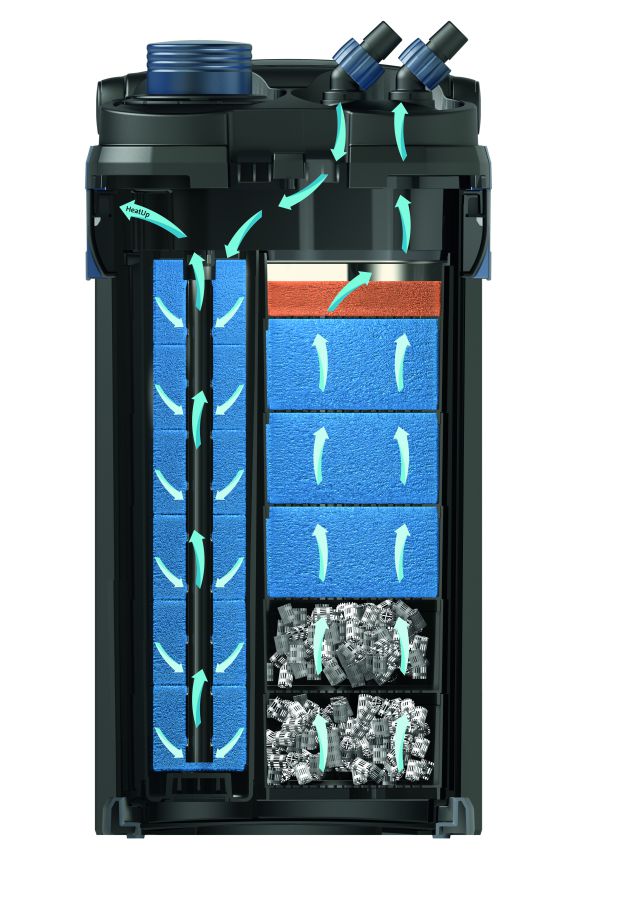
A good filter for a fish aquarium combines three types of filtration:
Mechanical filtration
Mechanical filtration is an essential part of aquarium filtration. It ensures that dirt particles and suspended particles are removed from the water before they decompose and impair the water quality. In mechanical filtration, the water is passed through a filter medium that physically retains particles. Typical filter materials are fine filter media consisting of filter floss or foam, which catch the smallest suspended particles. Ceramic tubes retain coarser dirt but also serve as a biological filter medium. In principle, strong mechanical filtration is needed in fish aquariums that produce a lot of waste and suspended particles. For example, if a lot of detritus is stirred up by the ornamental fish's bottom-digging activities, mechanical filtration is very sensible.
Biological filtration
In principle, biological filtration promotes bacteria that break down pollutants. It is based on the nitrogen cycle. Through bacterial activity, ammonia (NH3/NH4⁺) produced by fish feces, leftover food and dead plants is converted into nitrite. Other bacterial strains then convert this toxic substance into harmless nitrate (NO3⁻). To work correctly, a good biological filtration therefore needs the largest possible colonization area for these beneficial bacteria. Filter materials with a large surface area made of porous material are especially suitable for this. These include sintered glass, pumice, lava or other ceramic media. An oxygen-rich environment is also important, since most beneficial bacteria need oxygen. Good water circulation inside the filter supports their work. Biological filtration is indispensable for a healthy aquarium and should be combined with mechanical and chemical filtration to achieve optimal water parameters.
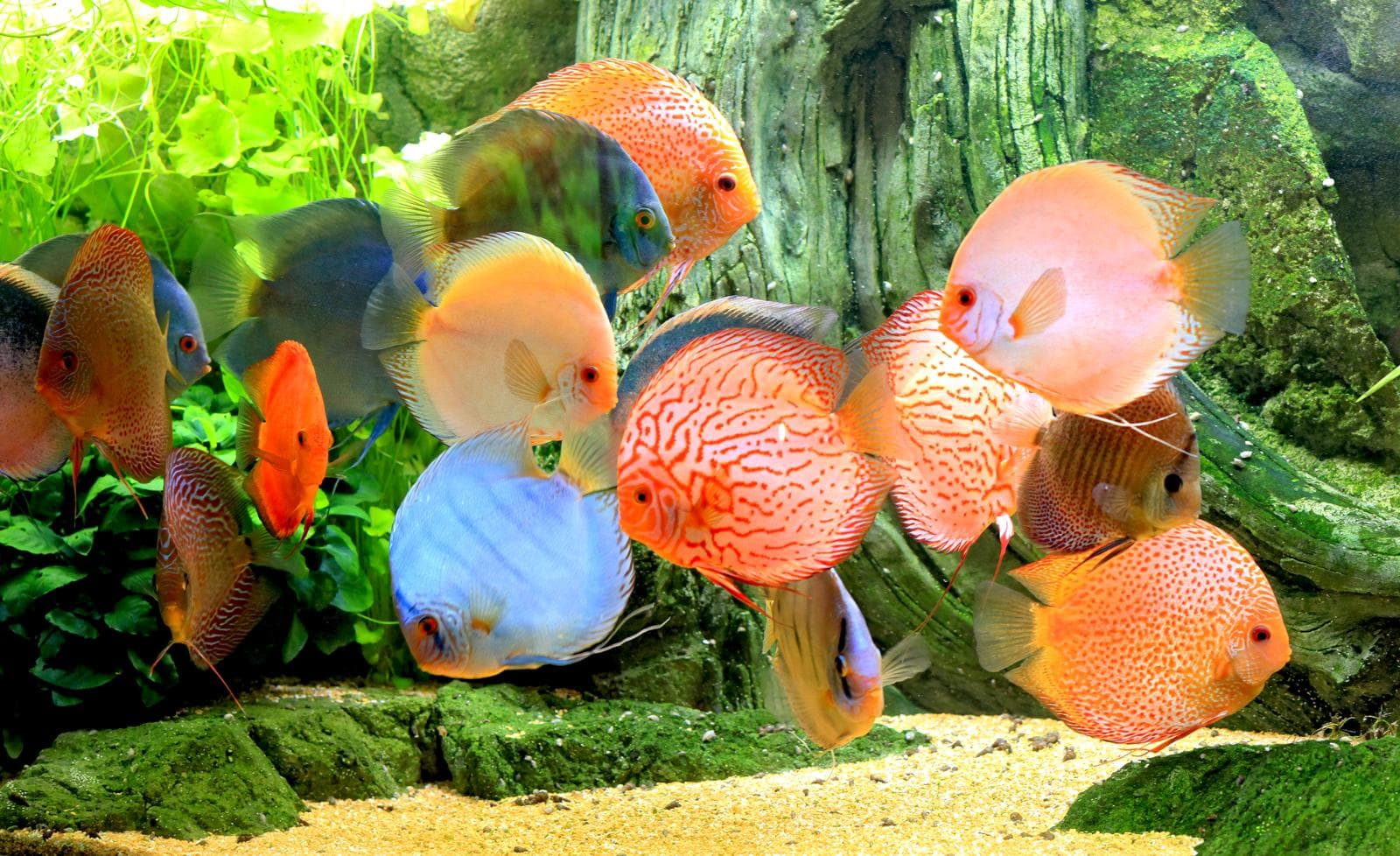
In a fish-heavy aquarium, particularly intensive biological filtration is necessary when there is also a high organic load. Heavy feeding, large animals and a fast metabolism cause a high water load, for example in a discus aquarium. But other cichlids or larger catfish species also fall into this category. The biological filtration should accordingly be well developed.
Chemical filtration
Chemical filtration is a complementary method of water purification in the aquarium. It removes dissolved pollutants, discoloration and unpleasant odors through chemical reactions or adsorption. This type of filtration is often used as a short-term solution or in special situations. Chemical filter media have to be replaced or regenerated regularly, since they become saturated over time and then can no longer take up pollutants.
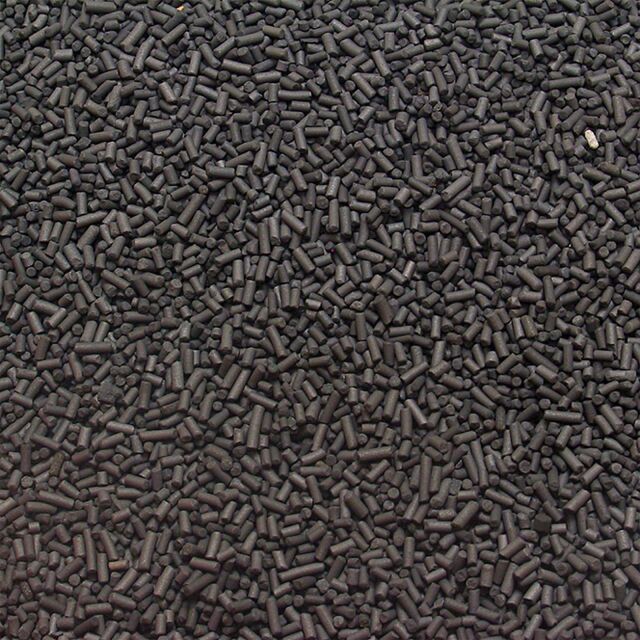
A very commonly used material is, for example, activated carbon. It binds medications, tannins (brown discoloration from driftwood) and other organic contaminants. You should not use carbon permanently, since it can also remove important nutrients and trace elements from the water. Using activated carbon is therefore not recommended, especially in a planted aquarium. In a fish aquarium, the focus is different, so filtering through activated carbon can definitely have its advantages.
Zeolite is a valuable filter medium for aquariums that can be used specifically to improve water quality. It is a natural mineral that absorbs ammonium and other pollutants. It is particularly helpful during ammonia spikes and can lower ammonium and nitrate in the short term. Another advantage is that you can regenerate it.
A phosphate absorber removes excess phosphate, which could otherwise promote algae growth in a fish aquarium. It usually consists of iron or aluminum compounds. Such an adsorber is a good fit for a fish aquarium in which a lot of meaty food (especially frozen food) is fed and the phosphate level is correspondingly high (values above 1 mg/l).
It is important to note: chemical filtration is a supplement but does not replace biological purification by bacteria. In a fish aquarium, the focus should be on biological filtration.
Filter maintenance and cleaning
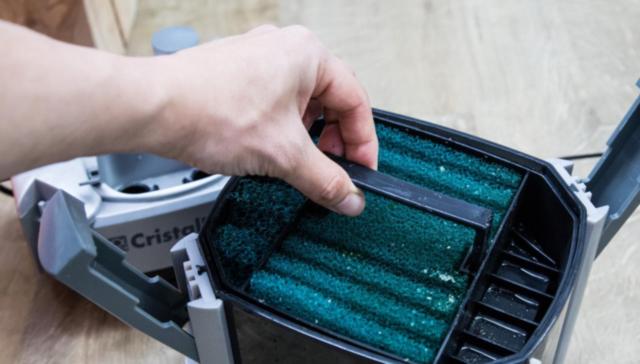
If the filter's flow rate decreases or the water gets dirtier, you should clean the filter material. This is done by rinsing sponges and filter media under aquarium water or tap water and freeing them of filter sludge. Do not clean all filter media at the same time, but only a certain part, in order to preserve beneficial bacteria. Otherwise, there is a risk of a rise in substances toxic to fish. After a cleaning, the filter and the aquarium can gladly be seeded again with new bacteria using appropriate bacteria starters. To keep the water flow up, regular cleaning of the filter tubes and hoses is also necessary. Use a suitable hose brush for this.