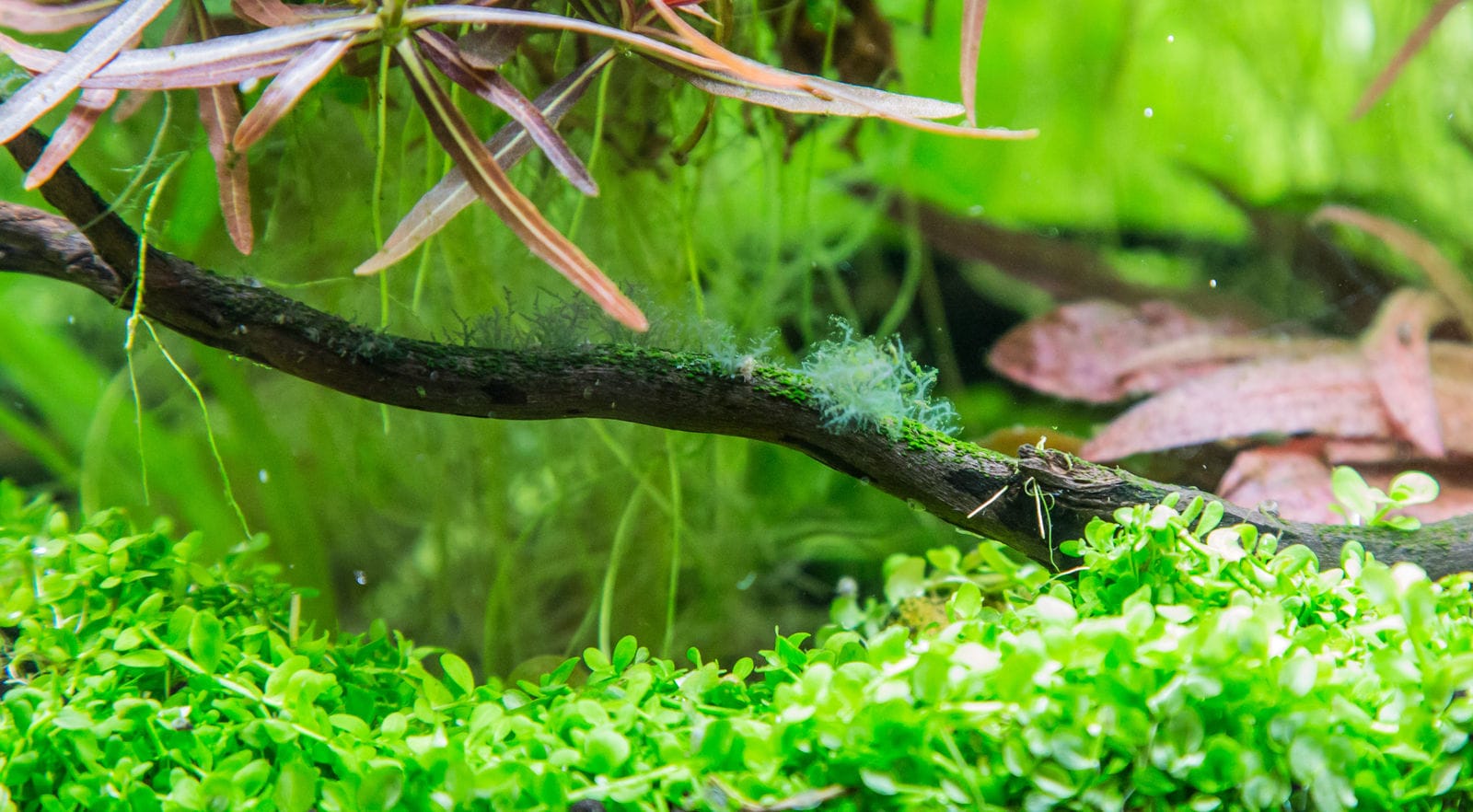
 10 Beginner Mistakes in the Aquarium Hobby
An aquarium is a beautiful piece of nature for your home - but especially at the beginning, many newcomers make typical mistakes. These can not only cause frustration but also harm the fish and plants. To make your start in the aquarium hobby a success, we show you the 10 most common beginner mistakes and give you tips on how to avoid them.
1. Stocking the aquarium too quickly
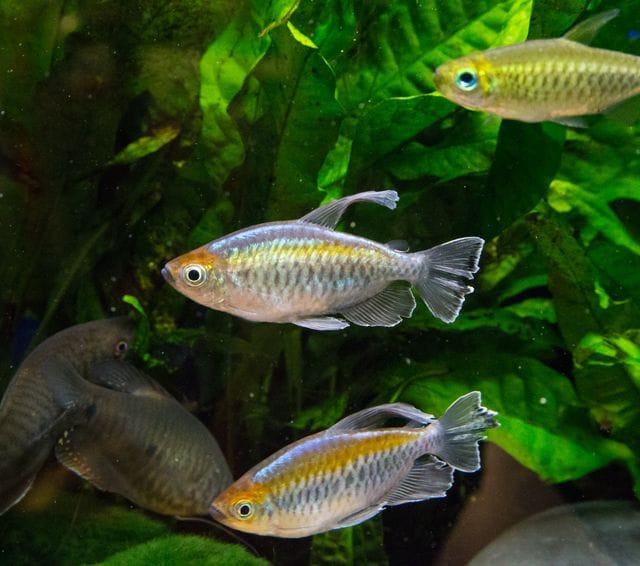
Many newcomers add the first fish right after setting up. But the aquarium needs time to come into biological balance. It is therefore important to observe and wait out the so-called cycling phase. Without a stable bacterial culture, toxic nitrite or ammonia peaks quickly occur. Tip: Respect the cycling phase and let your aquarium cycle for at least 3-4 weeks, and check the water values for ammonium and nitrite before you add fish.
2. Too many or unsuitable fish
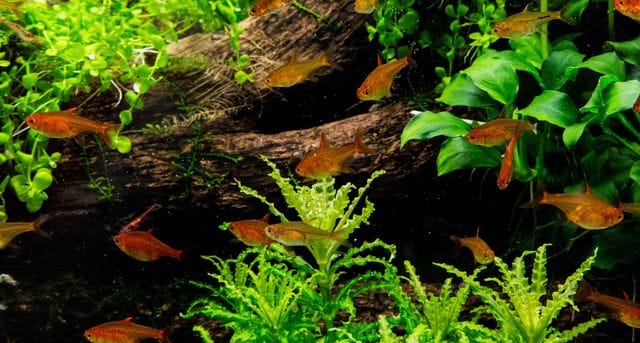
An overstocked tank leads to stress, disease and poor water quality. Tip: Plan the fish stock carefully and learn about the needs of the species - less is often more. Also make sure fish are well distributed across different water zones.
Not all fish get along. Different requirements for water parameters or aggressive behavior, for example when forming territories, quickly lead to problems. Tip: Find out beforehand about possible tankmates. Orient yourself on natural habitats and structure the aquarium well with decoration and aquatic plants to give the animals places to retreat.
3. Wrong choice of location
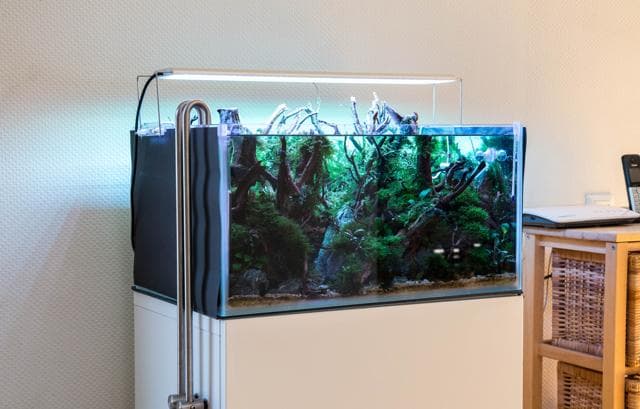
An aquarium by the window or directly next to the heater very likely promotes algae growth and temperature fluctuations. Household members constantly walking past closely can startle the animals and trigger jumping behavior. This causes stress and possibly fish jumping out of the aquarium. Tip: Place your aquarium in a quiet spot without direct sunlight and drafts.
4. Too much food
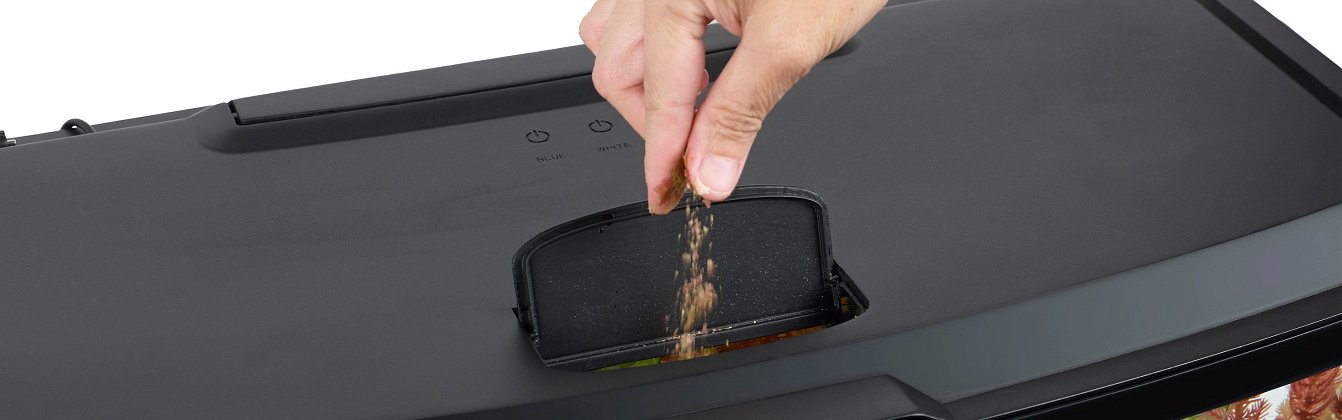
Overfeeding is a classic: leftover food rots, fish waste burdens the water, algae multiply. Tip: Rather feed sparingly - most fish only need food once a day, which they eat up within a few minutes. Also plan one or two fasting days per week. You can find more info on feeding ornamental fish here.
5. Lack of water care
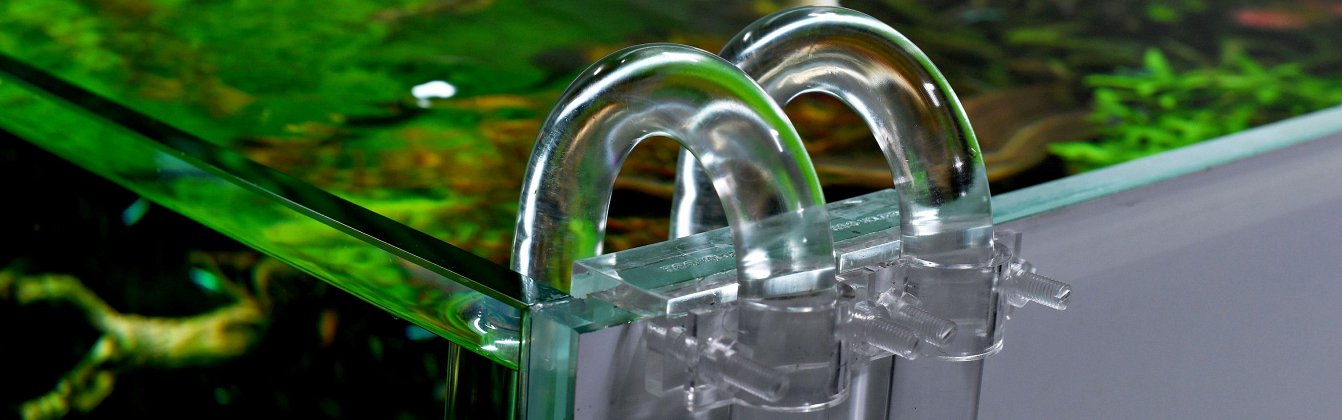
Many underestimate the importance of regular water changes. Without routine care, pollutants accumulate. The water also becomes more and more polluted and loses its clarity. Used-up nutrients and minerals are not replenished because there is no fresh water supply. Tip: Change 25-50% of the water weekly and siphon detritus and food leftovers off the substrate while doing so. This reduces the water load and ensures clear water.
6. Filter maintenance
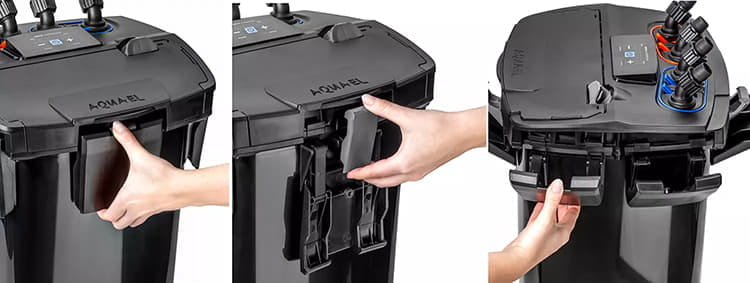
The aquarium filter should also be maintained appropriately. Moderate cleaning is important here, because a dirty filter loses its performance - but if cleaned too thoroughly, it loses valuable bacteria. Tip: Clean the filter only in sections (not all filter media at once) and always rinse the filter material in aquarium water, not under tap water. This way part of the important bacterial culture is preserved.
7. Too few aquatic plants
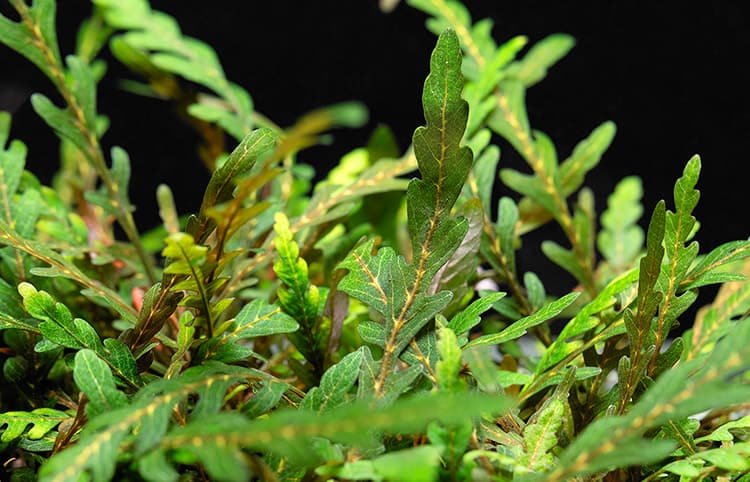
Some beginners plant hardly any or too few aquatic plants. This leaves out important nutrient consumers, and algae gain the upper hand. Tip: Use robust, fast-growing plants such as vallisneria or waterweed for the start.
A number of plants that is simply too small can also lead to problems. As a rule of thumb, you should plant about 50% of the base area of an aquarium with aquatic plants.
8. Impatience with problems
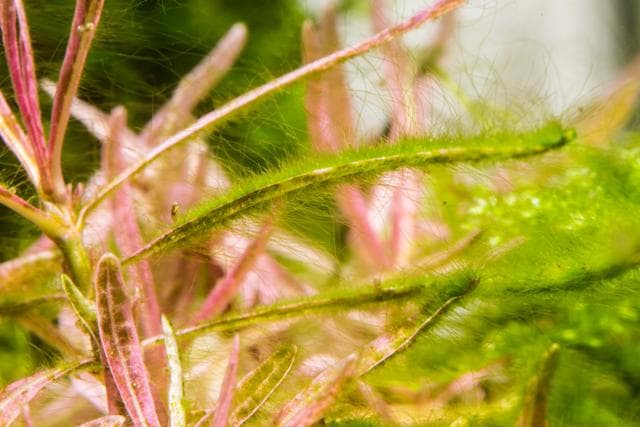
Algae, fish that are not vital or cloudy water tempt many beginners into hasty measures - usually this makes the situation worse. It is important to stay calm. Tip: Be patient, observe your aquarium and solve problems step by step instead of changing everything at once. This mainly means carrying out measures one after another. Many problems can be brought under control quite easily. Above all, avoid reaching quickly for anti-algae products. These should only be the last resort, as they can possibly also disadvantage animals, plants or the microbiology in the aquarium.
9. No monitoring of water parameters
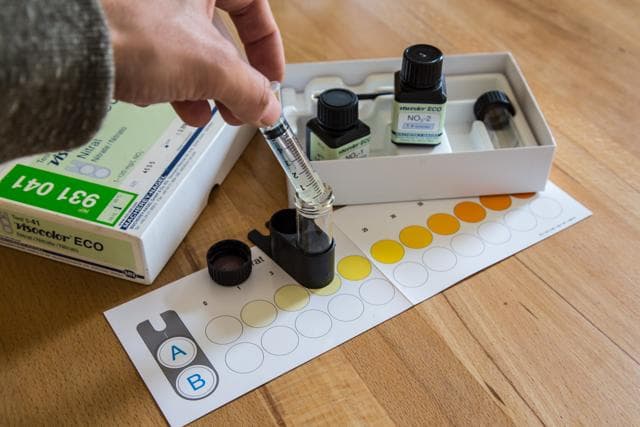
Without tests, water chemistry remains a mystery - and problems often only become noticeable when fish or aquarium plants get sick. Tip: Invest in high-quality drop-based water tests for nitrite, nitrate, pH and GH/KH. This way you recognize imbalances early. If you want to delve deeper into planted aquariums, additional tests for the parameters iron and phosphate and a CO2 drop checker are very helpful.
10. Lack of information
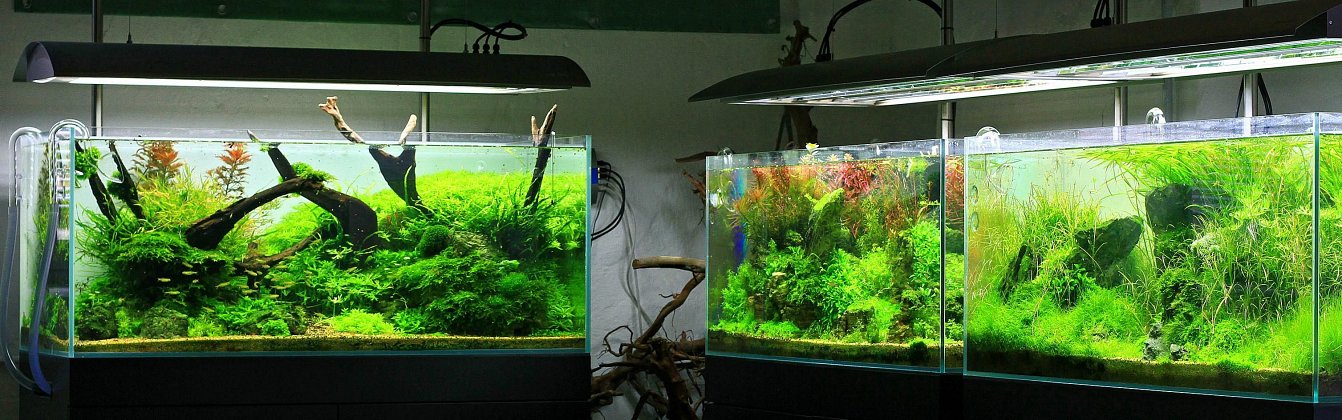
Even if something is not running smoothly: before acting, you should gather the necessary information. Use appropriate sources of information on the internet such as our Aquascaping Wiki or exchange ideas with other aquarists. This way you can pick up many good tips and then act accordingly.
Conclusion
The aquarium hobby is a fascinating pastime that rewards patience and powers of observation. Most mistakes arise from impatience or lack of information - if you avoid these 10 beginner traps, you have the best chances of a healthy aquarium and long enjoyment of your little ecosystem.