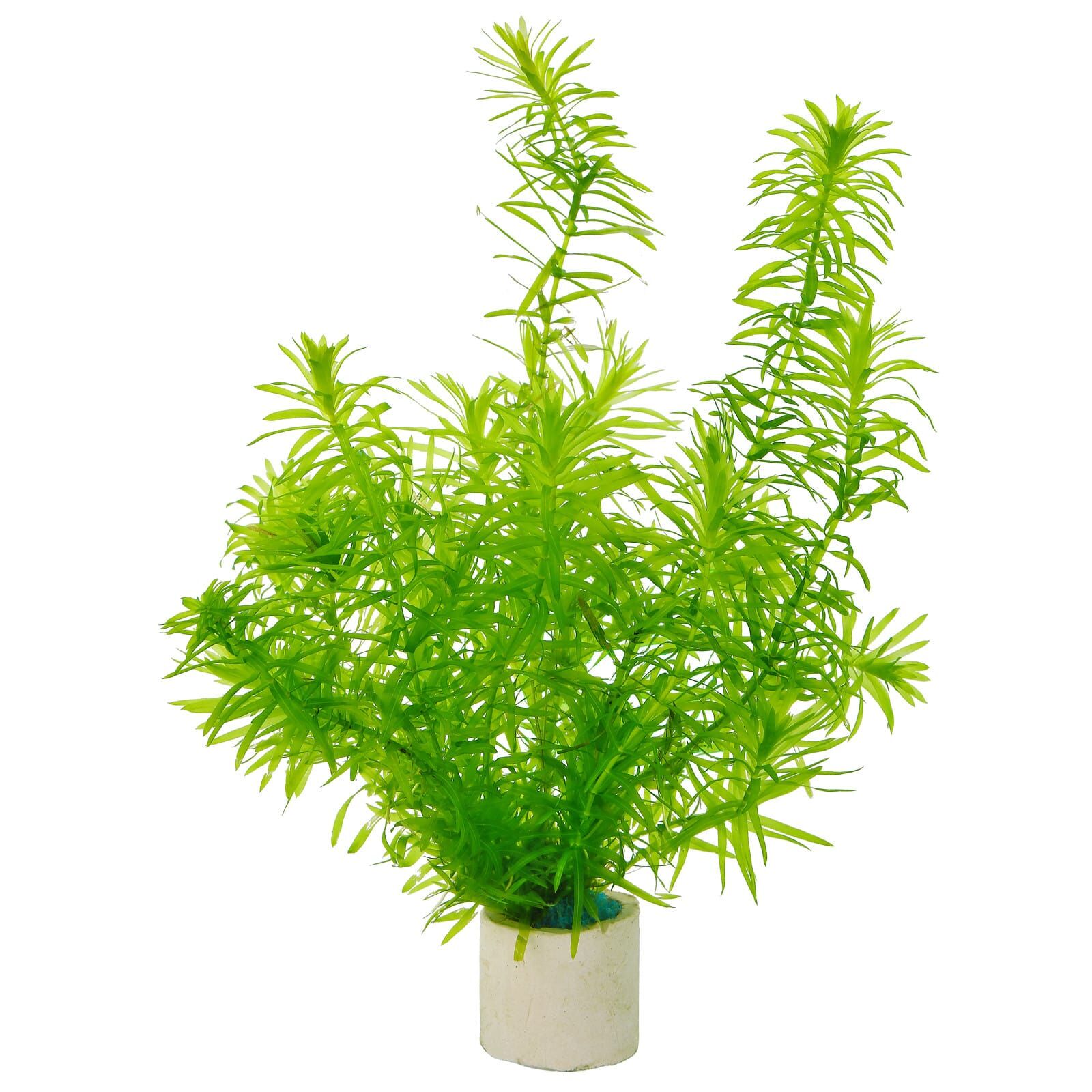
 Aquatic plants for the coldwater aquarium
This article was updated on September 28, 2022.
Of course, aquatic plants can also be used in freshwater aquariums with lower temperatures. The possible variety of plant species is much greater than is commonly assumed on the topic of “coldwater”, especially since a large share of aquarium plants originate not in the actual tropics but in regions with a subtropical to temperate climate.
Coldwater aquariums stood at the origin of aquaristics in nineteenth-century Europe, when people still mainly kept native aquatic animals and plants. Even then, the value of plants was recognized; they still optimize the biological stability of an aquarium, provide oxygen, spawning substrate and hiding places for animals, and above all are a visual enrichment.
Heated aquariums with temperatures between about 22 and 28 °C and countless ornamental fish and plant species from all the tropical regions of the world became the norm in the aquarium hobby long ago. In coldwater aquariums, on the other hand, temperatures below 20 °C often prevail, depending above all on the type of inhabitants. As a rule, no heater is used, so the temperature can sometimes drop even further because of seasonal fluctuations and the location of the aquarium; the tanks can even be chilled. Typical here are, for example, goldfish aquariums or those for other coldwater fish species such as the beautiful rainbow shiner from North America (Notropis chrosomus). Native freshwater fish species in particular fall into this category, and so do many invertebrates. Coldwater plants are also especially suitable for an energy-saving aquarium that is supposed to use little energy.
A clear boundary between “cold” and “warm” water cannot be drawn, however. There are countless aquatic animal species from the subtropics or tropical highlands that feel comfortable at temperatures around 20 °C. This is often already counted as “coldwater”, but it is better to speak of moderately temperate aquariums.
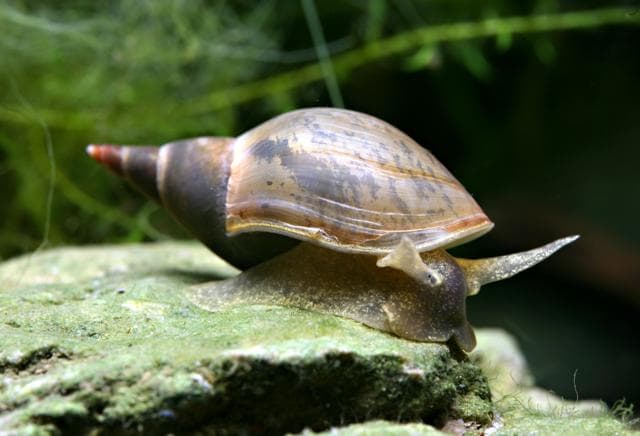
Lymnaea stagnalis, a typical aquatic snail for a coldwater biotope. Photo copyright by Chris Lukhaup.
Plants for the coldwater aquarium
In a typical coldwater aquarium, particularly demanding plants are generally not kept, and CO2 fertilization is often not used. Instead, the water is often very oxygen-rich and has strong flow. Even so, quite a lot of aquarium plants are suitable for this. The selection becomes much larger still if you include moderately temperate aquariums. At the end of the article there is an extensive list of suitable plant species. In the following, we present some of them by layout plane.
Background
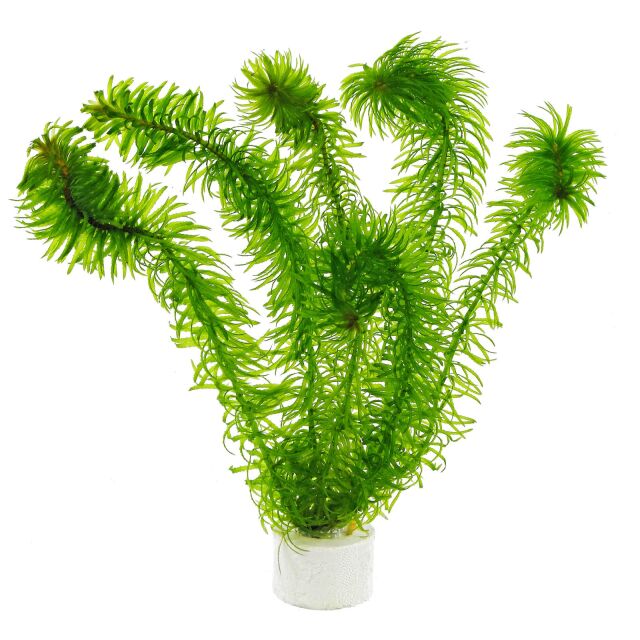
Species such as waterweed are a good choice here as typical stem plants. These include Egeria densa and Egeria najas. These plants have an intense green and dense foliage. Waterweed species are very fast-growing and robust aquatic plants that are great oxygen producers in the aquarium.
Myriophyllum spicatum is a beautiful watermilfoil species with deep green, delicate leaves and a reddish-brown stem that copes very well with temperatures in the range of 4 to 20 °C. It is widespread in Europe, Asia and Africa and stays green in nature even in winter. Spiked watermilfoil loves nutrient-rich, hard water and is very fast-growing under good conditions.
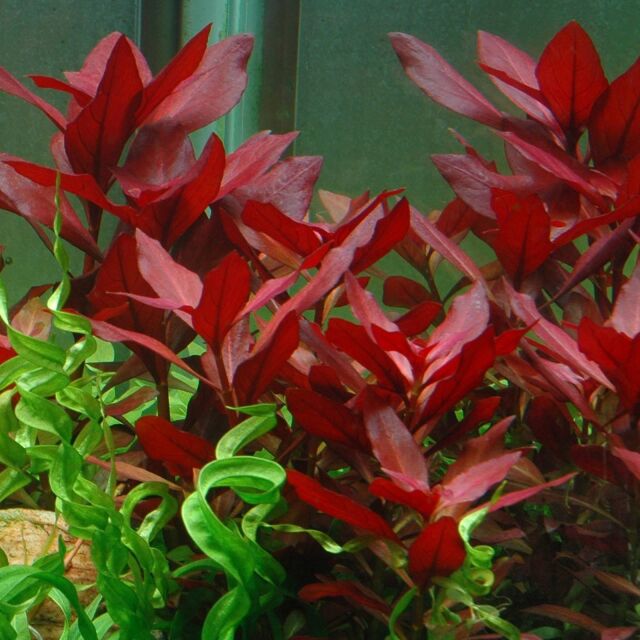
Even a classic like the ruby ludwigia can be kept in a coldwater aquarium. Its requirements are not particularly high, and under good conditions this plant develops pretty reddish leaves. Precisely because of its intense color, this plant is a real eye-catcher in the background. Here we also point out other ludwigias that originate in North America, such as Ludwigia repens × arcuata or the lakeshore ludwigia, Ludwigia × lacustris.
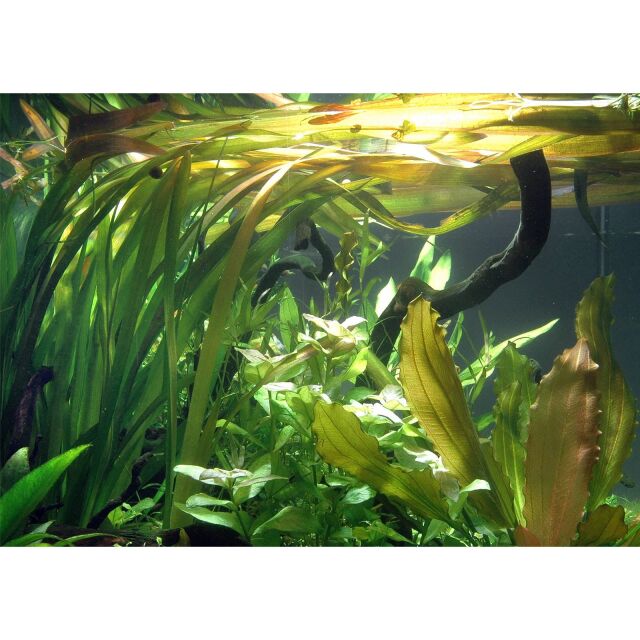
The giant vallisneria, Vallisneria australis, is a good choice especially for large aquariums. It comes from the east and south of Australia, where winters can already be quite cold. This plant, which grows very long, propagates via runners and works well in zones with a lot of flow, when the elongated leaves sway in the current. Vallisnerias are otherwise quite undemanding and easy to keep. Under good conditions this plant grows fairly fast.
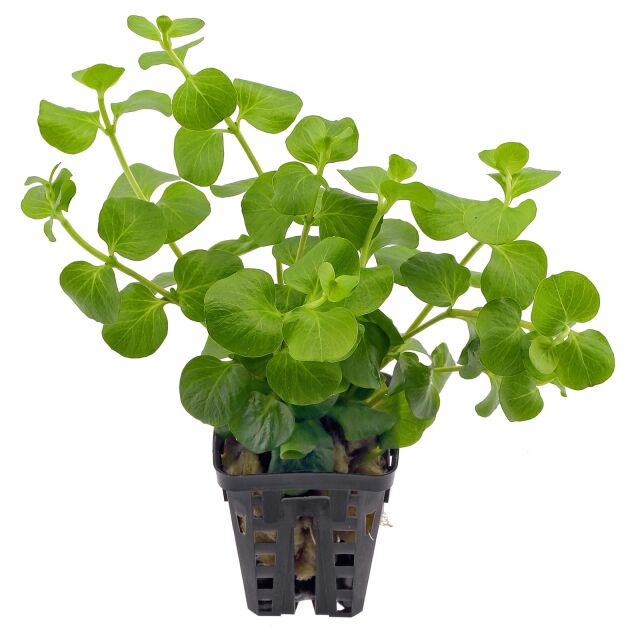
A true classic among coldwater plants is creeping Jenny, or moneywort, Lysimachia nummularia. This plant, native to Europe, grows in damp places as a creeping ground cover, but under water it is an upright-growing stem plant with vivid light green, round leaves. Lysimachia nummularia 'Aurea', golden creeping Jenny, is a yellow-green colored variety of this species.
Midground
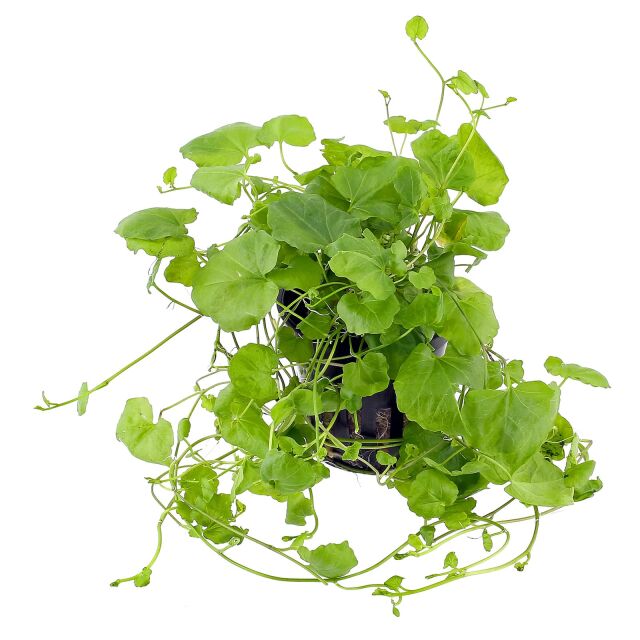
The bittercress species Cardamine lyrata comes from Japan, China, Korea and the Russian Far East. It is an uncomplicated plant with light green, rounded leaves. It propagates strongly via long, creeping shoots. If the conditions are right, Japanese bittercress can even run rampant.
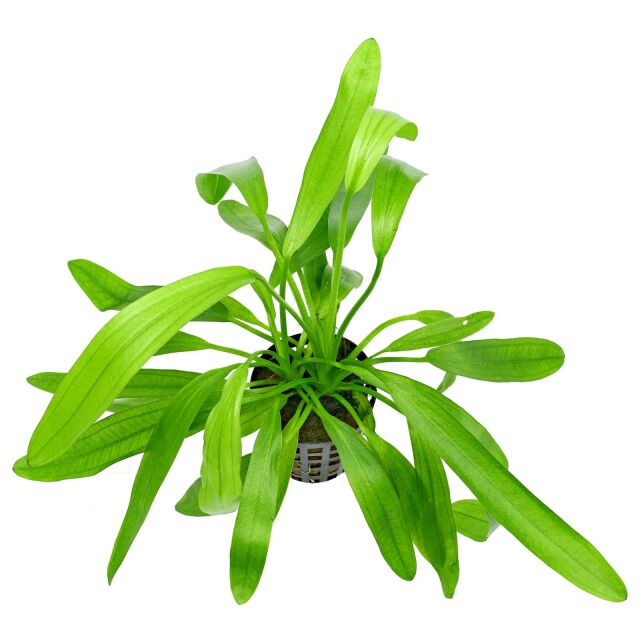
Even some Echinodorus species can be kept in a coldwater aquarium. The Uruguay sword plant is particularly tolerant of temperature and also copes with cooler water down to about 16 °C. The plant has beautiful green leaves that grow very long and is suitable as a solitary plant for the midground and background of an aquarium.
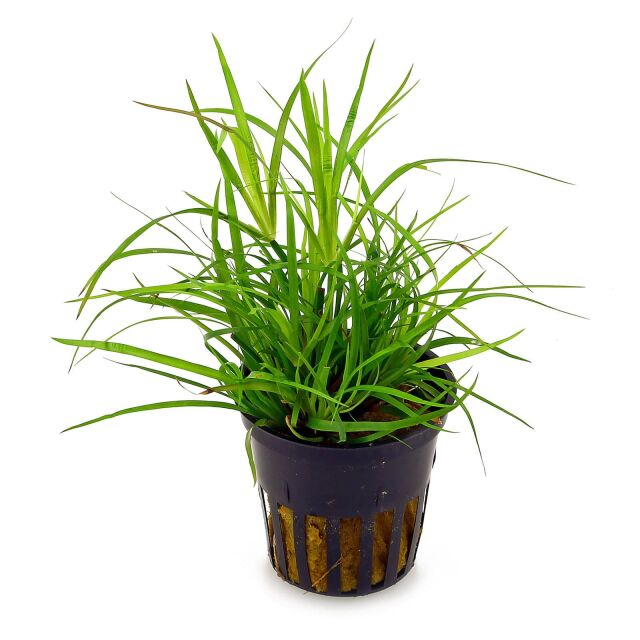
Juncus repens, the creeping rush, comes from North America and can also tolerate lower temperatures very well. It is a rather grass-like plant that can also develop a reddish tint on the leaf tips under good conditions. It can be used both in the background and in the midground of a coldwater aquarium.
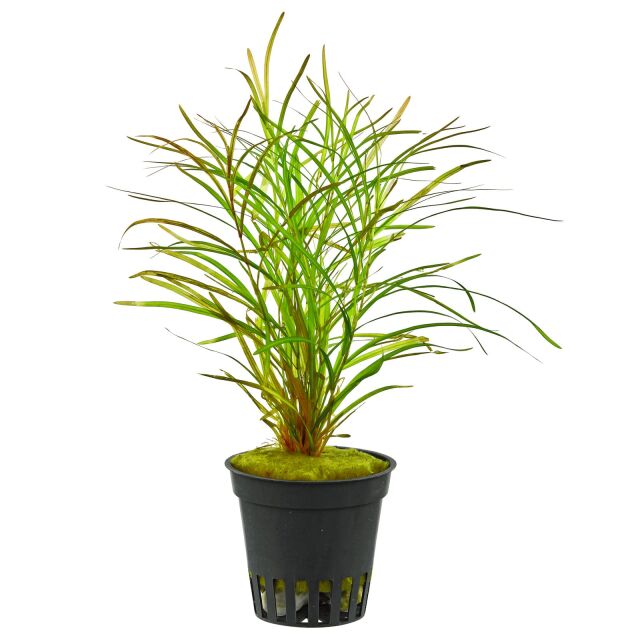
Potamogeton gayi comes from the southern part of South America, e.g. Argentina, and is therefore used to cooler winters. This grass-like plant can therefore also be used in unheated aquariums. We recommend this pondweed species for the middle and rear layout planes.
Barth's sword plant is another Echinodorus that also tolerates lower temperatures well. The plant stays rather small at around 10 - 20 cm in height and is therefore great for the midground. Submersed, it develops beautifully reddish-colored leaves.
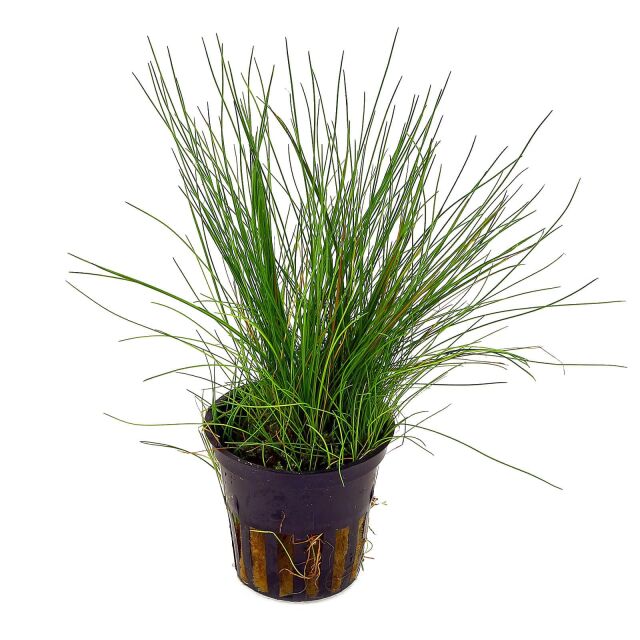
Needle spikerush, Eleocharis acicularis, is a pretty grass-like plant for the midground of a coldwater aquarium. The thin blades are very delicate and fine and therefore offer a nice contrast. With regular trimming, this plant can also be kept short, which also makes it usable as a ground cover for the foreground.
Foreground
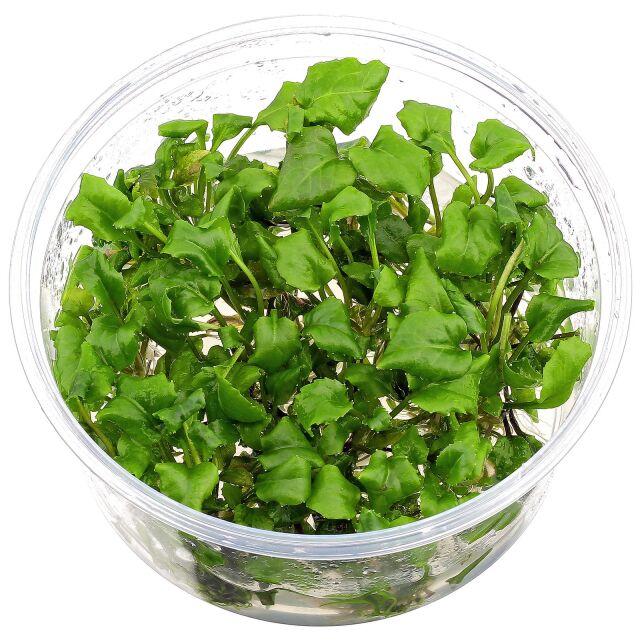
Rorippa aquatica, also called lake cress, is a pretty little foreground plant that also tolerates cooler temperatures well. It has a rather variable leaf shape. At about 10 cm in growth height, this rosette plant can be used nicely as a solitary accent in the front area of the aquarium.
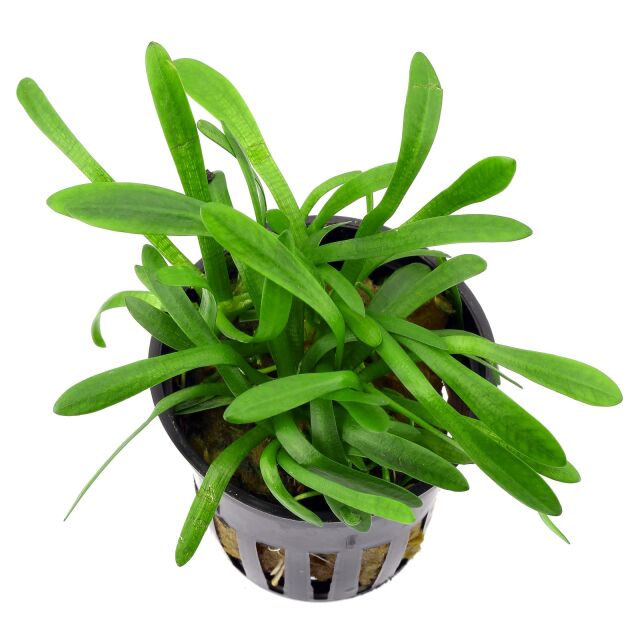
The robust Sagittaria subulata "pusilla", the dwarf sagittaria, is suitable, for example, for the front area in the coldwater aquarium. A good ground cover for larger aquariums that offers a grass-like look. It propagates via lateral runners, so that a dense lawn carpet can form under good conditions.
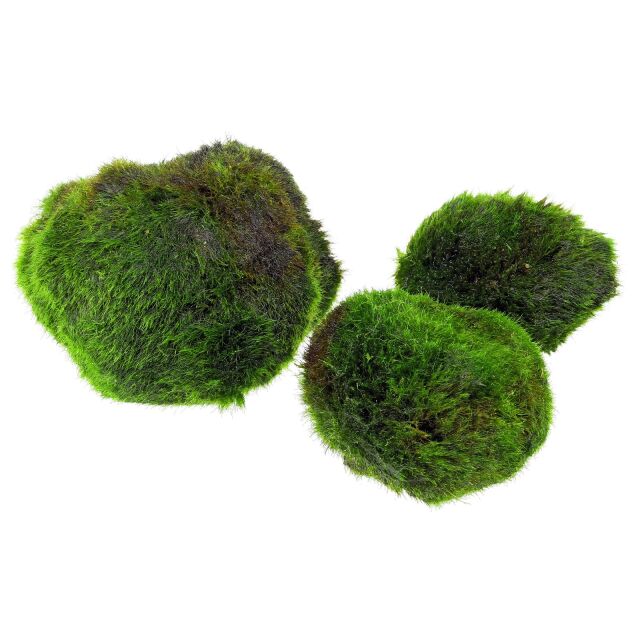
The so-called moss balls can also be used very well for the front area of the aquarium at colder temperatures. These dense, rounded cushions of short filaments are, however, formed by a species of algae (Aegagropila linnaei). They are very easy to care for and offer a great, rich green tone.

Lilaeopsis brasiliensis has Brazil in its name but occurs in the cooler southeast of the country as well as in Paraguay and Argentina. The Brazilian micro sword is very undemanding and also cold-tolerant (down to 4 °C). It has narrow, almost blade-like, light green leaves that can create a nice underwater lawn. It propagates by lateral runners.
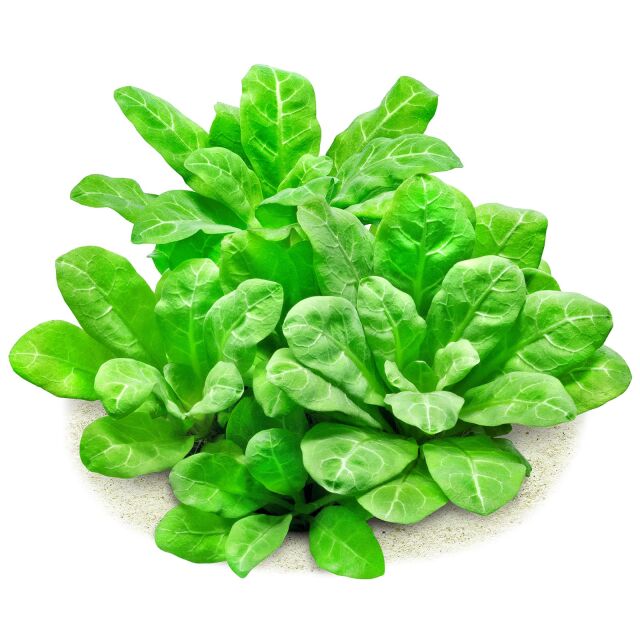
Brookweed (Samolus valerandi) is a pretty rosette plant that stays small, for the foreground of a coldwater aquarium. It can even be kept in brackish water. A low growth height of around 15 cm and light green, egg-shaped leaves distinguish this plant, which can happily be used as a solitary plant in the front area.
Mosses
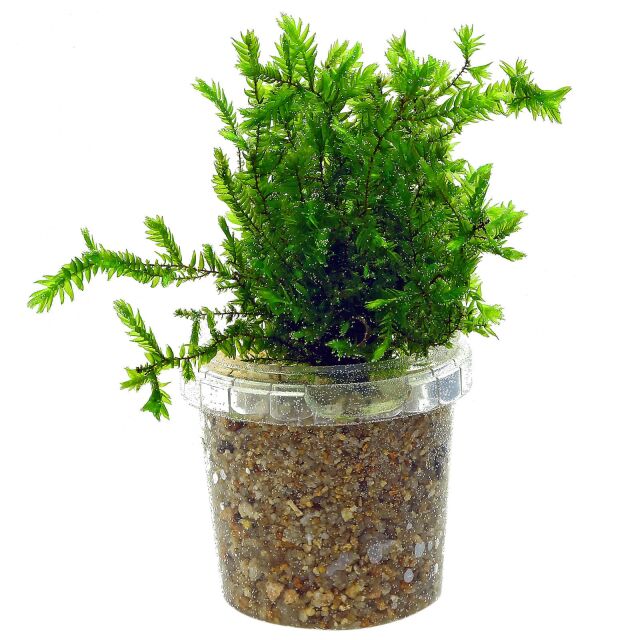
Especially in aquariums with a lot of flow and colder temperatures, the willow mosses of the genus Fontinalis are a good choice. These are large, dark green aquatic mosses with elongated shoots. One example worth mentioning is the species Fontinalis antipyretica with its very decorative variety Fontinalis antipyretica var. gigantea, the giant willow moss.
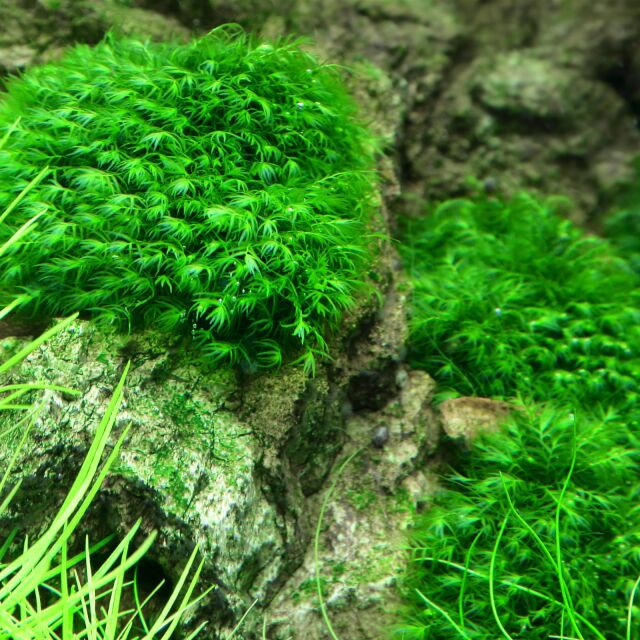
Small dense cushions of delicate, feather-like shoots are the hallmarks of Fissidens fontanus. This fine moss is commonly found in North America and also occurs in Europe, so lower temperatures are not a big problem. Among the mosses, however, this plant is a little more demanding to keep.
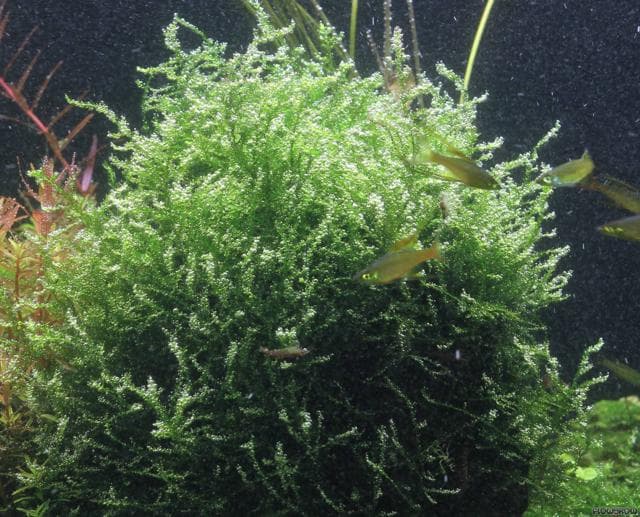
Leptodictyum riparium is also called riparian moss and is a moss that attaches itself quite strongly, with fine, elongated shoots. It is quite undemanding, fast-growing and well suited to a coldwater aquarium. This moss has a fairly large range and is also common in Central Europe, for example on stones and wood at the edge of flowing waters. On a substrate that stays moist, riparian moss also grows very well emersed, so it is also interesting for paludariums.

Sickle moss (Drepanocladus aduncus) also occurs in Central Europe. It is also known under the name "Stringy moss" and is often confused with Leptodictyum riparium. It looks distinctly different, though, with its rather elongated and upright-growing shoots and is therefore to be regarded as a moss with a somewhat special growth form. Low temperatures are no problem for this moss. Sickle moss also grows well emersed on a substrate that stays moist.
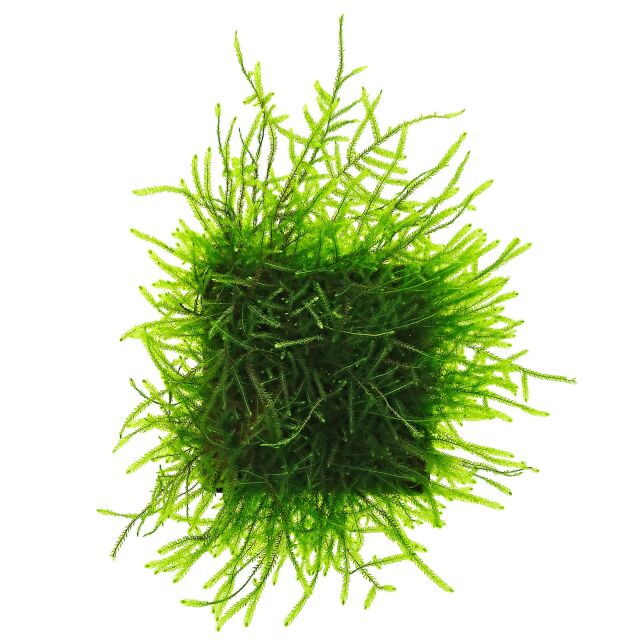
Even the classic among aquarium mosses, Java moss, can tolerate temperatures down to approx. 12 °C well. It is also extremely robust and very easy to keep. This nicely branching moss looks extremely delicate and is thus a great hiding place for juvenile fish and a spawning aid for certain fish species.
Aquatic plants for the goldfish aquarium
Like their wild relatives the crucian carp (Carassius carassius) and the Prussian carp (Carassius gibelio), goldfish unfortunately have two drawbacks when it comes to aquarium plants. For one, they sift the substrate very intensively and thus dig through it heavily. Plant species that do not root well are therefore often dug up again. Aquatic plants with a good root network are especially suitable here, such as Echinodorus species, but also cryptocorynes and vallisnerias. Sometimes the problem can also be avoided by using epiphytes, which mainly include Anubias and ferns. These plants are not planted in the substrate but attached to decoration such as stones or driftwood. The rootless hornwort (Ceratophyllum demersum) should also be mentioned here.
Furthermore, goldfish also eat plant matter. In the worst case, aquatic plants are therefore on their menu. Fine-leaved species or those with soft leaves in particular are then generally eaten. Here you can very well switch to harder-leaved species, provided they cope with the cool temperatures (see also: "Cichlid-proof aquatic plants"). You can sometimes also avoid the problem by creating optimal nutritional conditions for the plants. Very fast-regrowing and strongly propagating species such as waterweed can then possibly make up for the losses through enough new growth. In addition, the animals should be fed enough, including plant-based food.
List of coldwater plants
Finally, we would like to give a list of aquarium plants that can be classified as “suitable for cold water”. This includes coldwater plants in the true sense, such as plants native to Central Europe, where we are. But also listed are aquarium plants from other regions that quite tolerate a “temperate” subtropical temperature range of about 18 to 22 °C. These can then also be kept well in unheated aquariums in rooms that are only sparingly heated.
- Acorus gramineus 'Pusillus'
- Aegagropila linnaei
- Alternanthera reineckii in the various varieties such as 'Mini', 'Rosaefolia', 'Lilacina'
- Amblystegium serpens
- Aponogeton madagascariensis (in varieties)
- Bacopa australis
- Bacopa caroliniana (incl. "Colorata")
- Cardamine lyrata
- Ceratophyllum demersum
- Clinopodium brownei
- Didiplis diandra
- Drepanocladus aduncus
- Echinodorus × barthii
- Echinodorus × opacus
- Echinodorus × schlueteri
- Echinodorus berteroi
- Echinodorus cordifolius
- Echinodorus 'Osiris'
- Echinodorus uruguayensis
- Egeria densa
- Egeria najas
- Elatine hydropiper
- Elatine triandra
- Eleocharis acicularis
- Eleocharis pusilla
- Eleocharis sp. 'Mini'
- Eleocharis sp. "montevidensis"
- Eleocharis sp. "Xingu"
- Elodea canadensis
- Eriocaulon parkeri
- Fissidens fontanus
- Fissidens sp. "Mallorca"
- Fontinalis antipyretica
- Fontinalis antipyretica var. gigantea
- Fontinalis sp. "Northern Thailand"
- Glossostigma elatinoides
- Gratiola viscidula
- Hedyotis salzmannii
- Helanthium tenellum "parvulum"
- Hemianthus glomeratus
- Heteranthera dubia
- Heteranthera zosterifolia
- Hottonia palustris
- Hydrocotyle leucocephala
- Hydrocotyle sibthorpioides (incl. 'Variegata')
- Hydrocotyle tripartita
- Hydrocotyle verticillata
- Juncus repens
- Leptodictyum riparium
- Lilaeopsis brasiliensis
- Lilaeopsis carolinensis
- Lilaeopsis macloviana
- Lobelia cardinalis (with 'Mini' and 'Wavy')
- Ludwigia "Rubin"
- Ludwigia × lacustris
- Ludwigia arcuata
- Ludwigia brevipes
- Ludwigia glandulosa
- Ludwigia ovalis
- Ludwigia palustris ("Green", "Red", "Super Red")
- Ludwigia polycarpa
- Ludwigia repens (incl. "Mesakana")
- Ludwigia repens × arcuata
- Ludwigia sp. 'Dark Orange' ('Atlantis')
- Ludwigia sphaerocarpa
- Lysimachia nummularia (incl. 'Aurea')
- Micranthemum tweediei ("Montecarlo-3")
- Micranthemum umbrosum
- Monosolenium tenerum
- Myriophyllum pinnatum
- Myriophyllum simulans
- Myriophyllum spicatum
- Myriophyllum sp. "Guyana"
- Myriophyllum sp. "Roraima"
- Nymphoides sp. 'Taiwan'
- Pellia endiviifolia
- Penthorum sedoides
- Physostegia purpurea
- Potamogeton gayi
- Proserpinaca palustris 'Cuba'
- Ranunculus inundatus
- Riccia fluitans
- Ricciocarpos natans
- Rotala rotundifolia (with the various forms such as 'Green', 'Colorata', 'H'Ra', 'Orange Juice')
- Sagittaria platyphylla
- Samolus valerandi
- Sagittaria sp. "Needle"
- Sagittaria subulata
- Sagittaria subulata "Pusilla"
- Saururus cernuus
- Saururus chinensis
- Shinnersia rivularis (green and 'White-Green')
- Taxiphyllum barbieri
- Vallisneria australis
- Vallisneria spiralis
- Vesicularia dubyana